
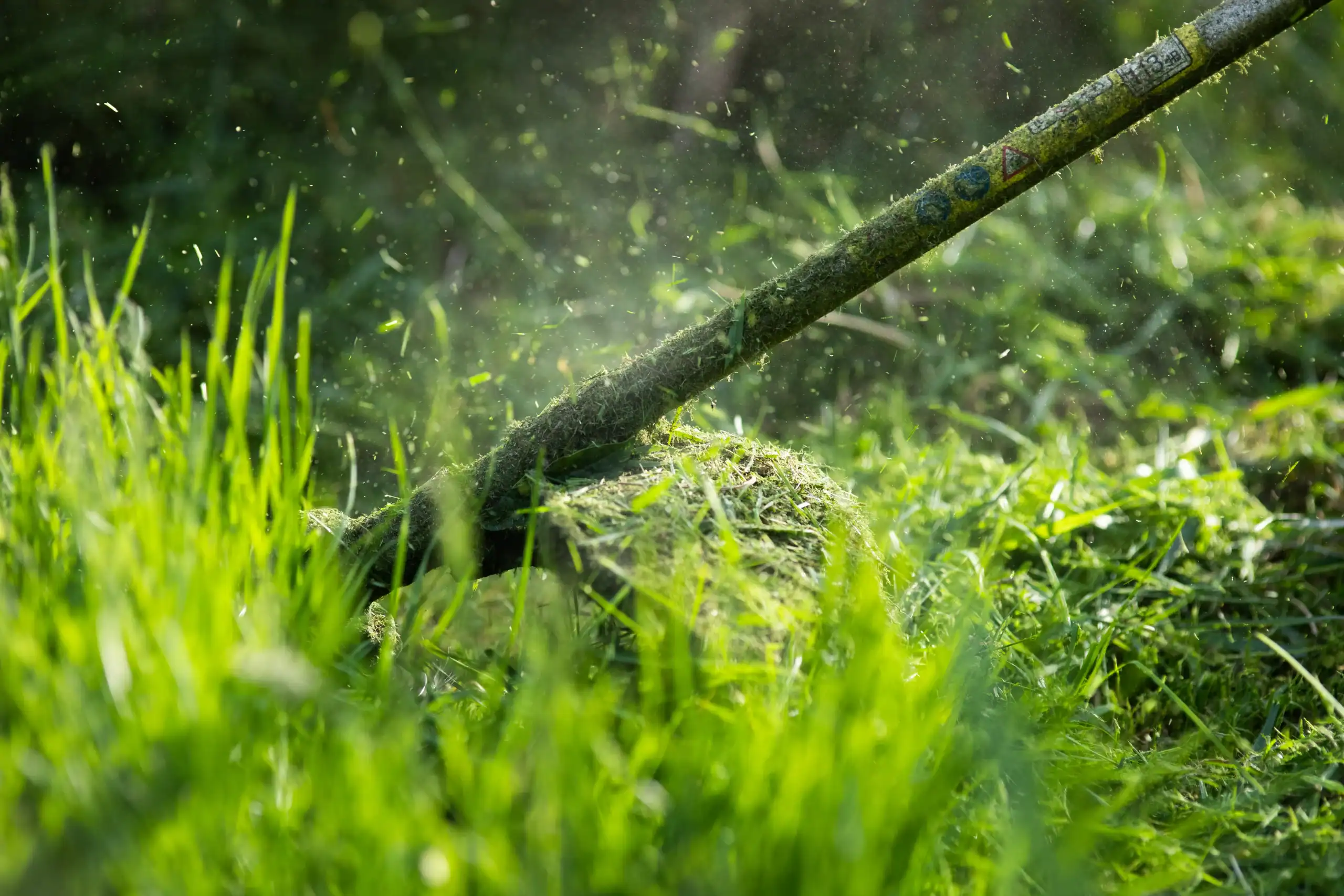
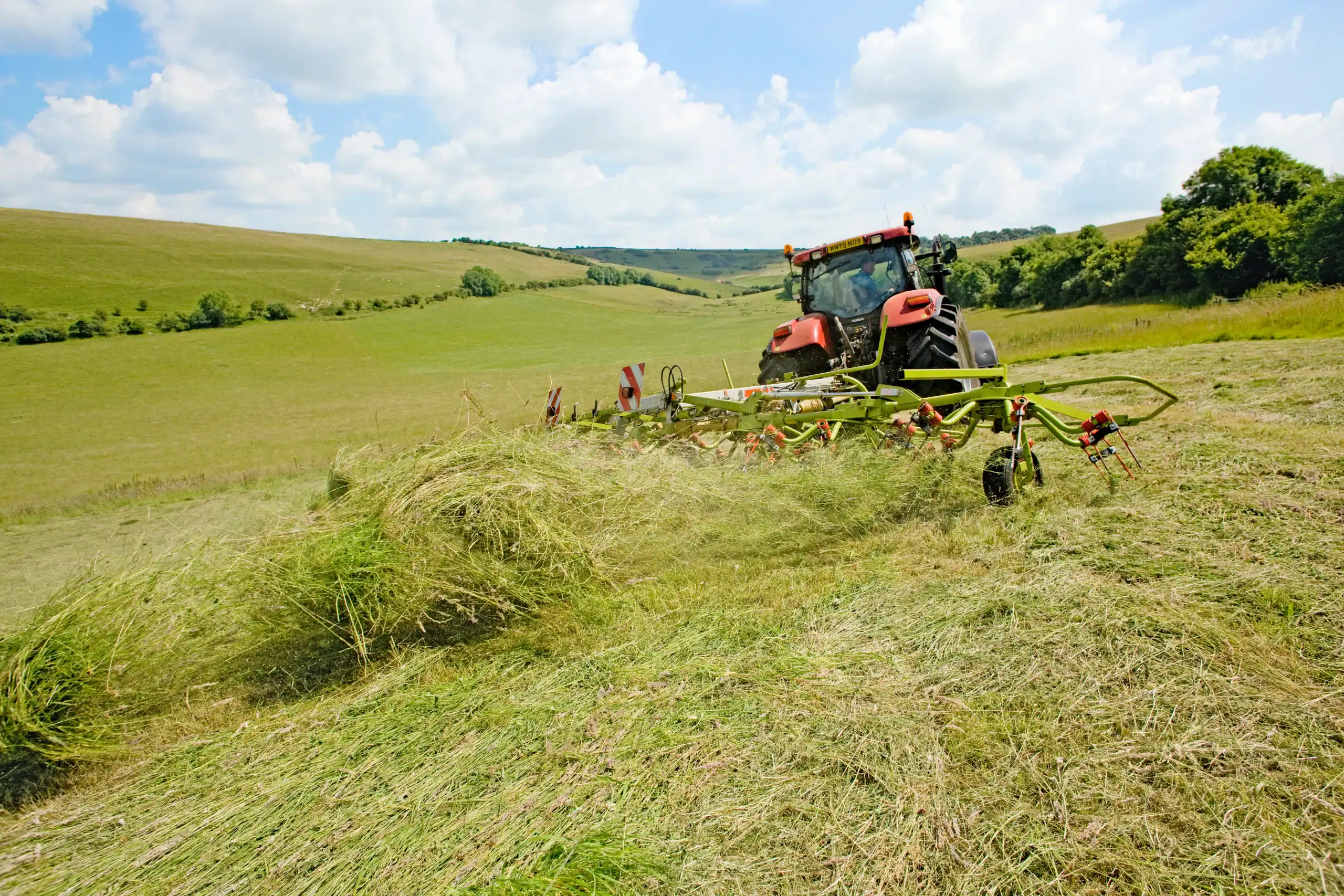
You’ve got land that’s become a liability. Thick brush hiding who-knows-what, fields you can’t walk through, and growth that’s cutting off access to parts of your property you actually need to use.
Bush hogging gets you back to square one—cleared land you can see, walk, and work with. It handles the heavy vegetation your riding mower won’t touch and the overgrowth that makes your property look abandoned. The result is clean, accessible ground that’s ready for whatever you need next: farming, development, fire safety, or just not looking like the neighborhood eyesore.
This isn’t landscaping. It’s reclaiming functionality. You’ll have clear sightlines, reduced fire risk, fewer pest problems, and land that actually serves a purpose again instead of costing you time and worry.
We’ve been handling land clearing and brush cutting in Caroline County since 2003. We’re not the guy with a tractor making extra cash on weekends—we’re a fully insured company with commercial-grade equipment built to handle the soil conditions, drainage challenges, and seasonal growth patterns specific to Bowling Green, VA.
Our equipment includes heavy-duty brush cutters capable of taking down saplings up to 4 inches in diameter. That’s not standard. Most bush hog operators max out at smaller brush, which means they either can’t finish your job or they’ll tear up their equipment trying.
We know Caroline County. We know how the soil holds water, where drainage becomes a problem, and how fast vegetation comes back if it’s not handled right the first time. That local knowledge keeps your project on schedule and prevents the kind of surprises that turn a simple clearing job into an expensive mess.
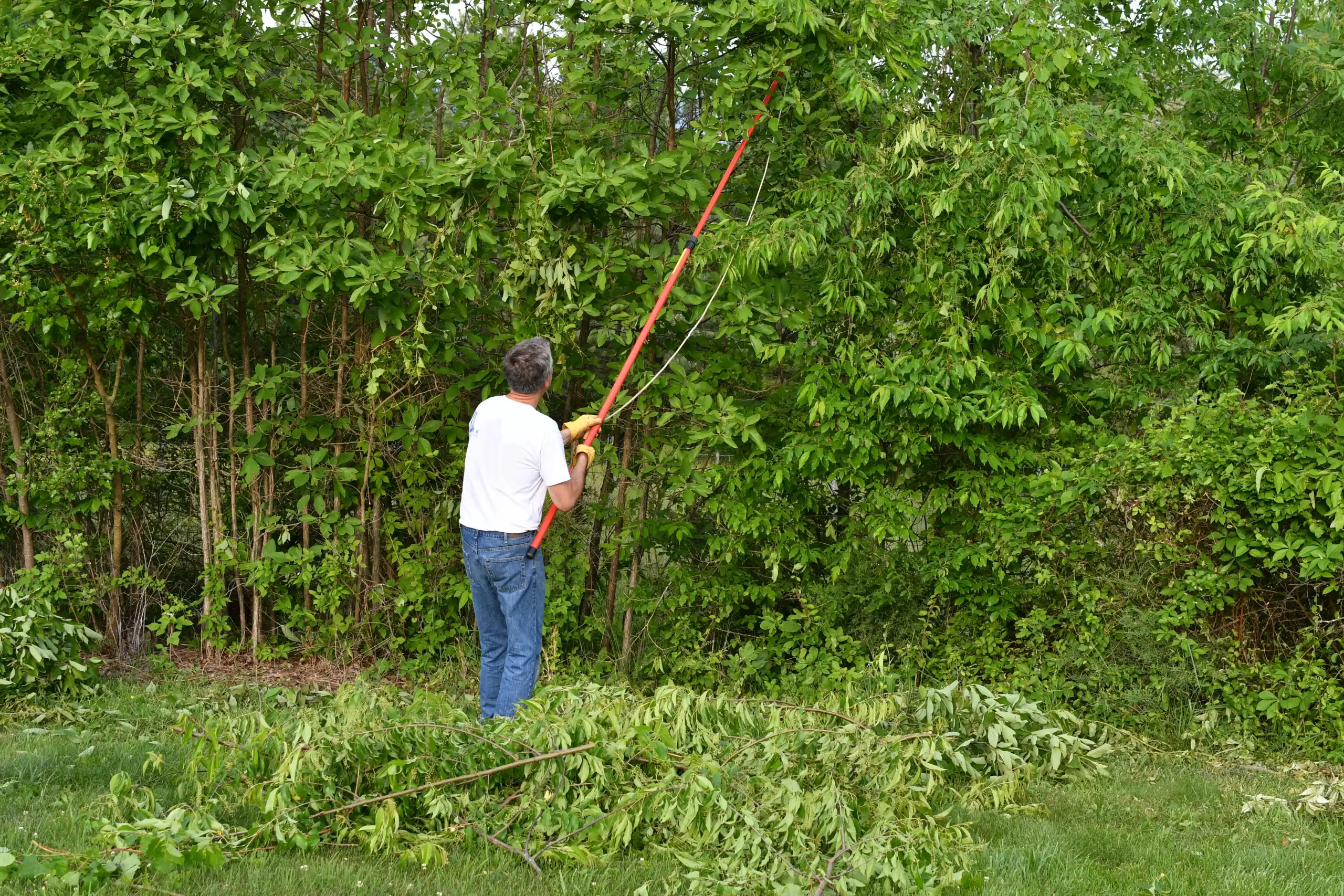
First, we walk your property. Not a phone estimate, not a satellite image guess—an actual site visit where we assess terrain, identify hidden obstacles, check for drainage issues, and measure what we’re really dealing with. Variables like mud, slope, tree density, and debris all affect equipment needs and timing.
Once we’ve seen the land, we give you a real price based on conditions, not guesswork. Then we schedule the work around weather and ground conditions, because trying to bush hog saturated soil in Caroline County just creates ruts and delays.
During the job, our equipment clears brush, tall grass, and small trees while leaving your topsoil intact. We’re not scraping the ground bare—we’re cutting vegetation down and mulching it in place, which actually helps with erosion control and future growth management.
After we’re done, you’ll have cleared, accessible land and a walkthrough to confirm everything meets your expectations. If you need ongoing maintenance to prevent regrowth, we can set up a seasonal schedule. If it’s a one-time clearing for construction or development, we make sure the site is ready for the next phase.
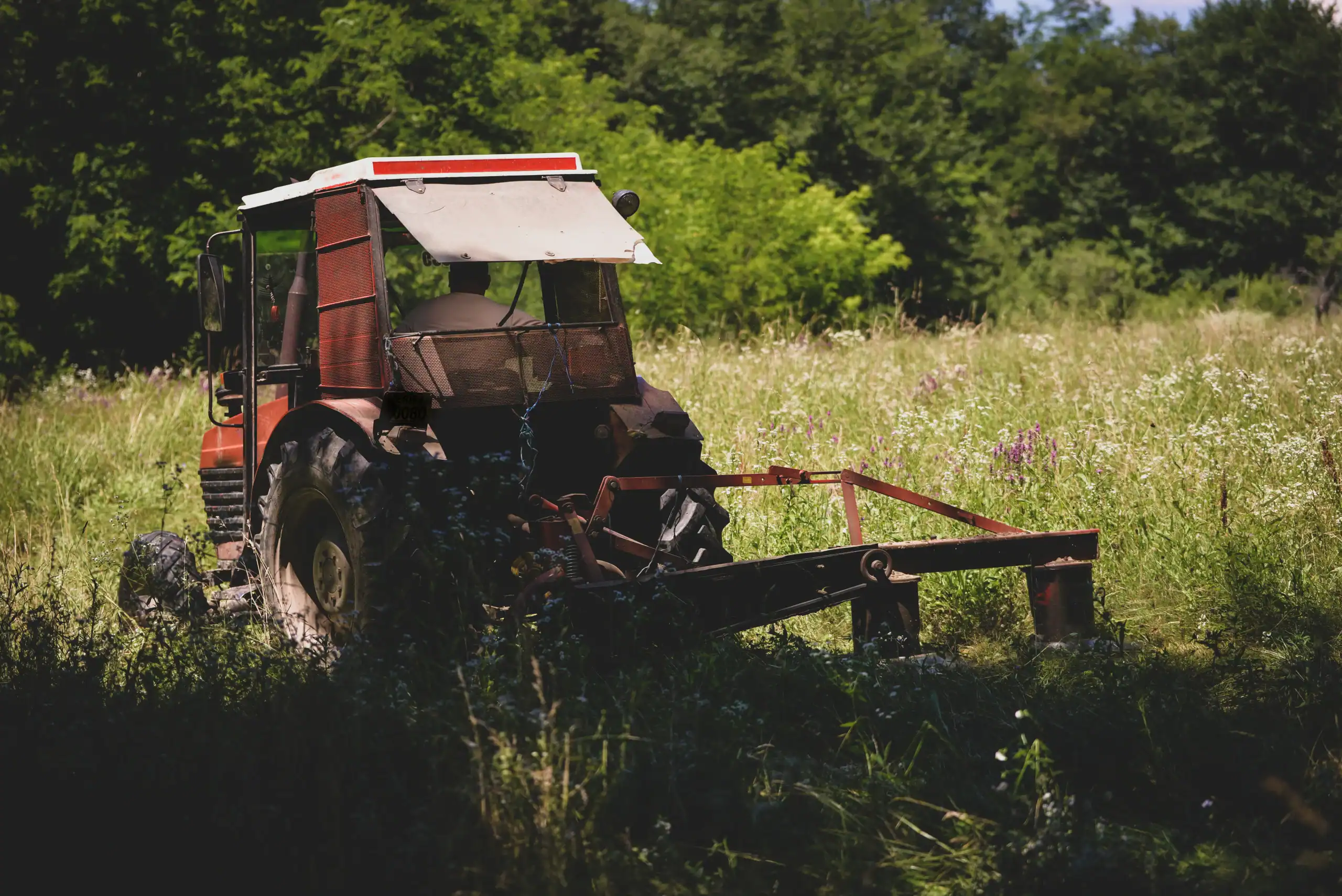
Ready to get started?
You’re getting commercial-grade brush cutting that handles vegetation standard mowers can’t touch—thick brush, brambles, saplings, and overgrown fields. Our equipment cuts through growth up to 4 inches in diameter, which covers most residential and commercial clearing needs in Bowling Green, VA.
The service includes site assessment, equipment transport, full clearing of the designated area, and debris mulching. We’re not hauling away every stick—we’re mulching vegetation in place, which breaks down naturally and actually benefits your soil. If you need debris removal or grading after clearing, that’s a separate scope we can handle, but most properties don’t require it.
Caroline County properties often deal with poor drainage and soil that holds water longer than it should. We factor that into scheduling and equipment selection. Trying to clear saturated ground just creates ruts and compaction problems that cost more to fix than waiting for better conditions.
For larger properties or commercial land, we can also coordinate with other site work—driveway grading, erosion control, or gravel installation—so you’re not managing multiple contractors for a single project. One company, one timeline, no gaps in communication.
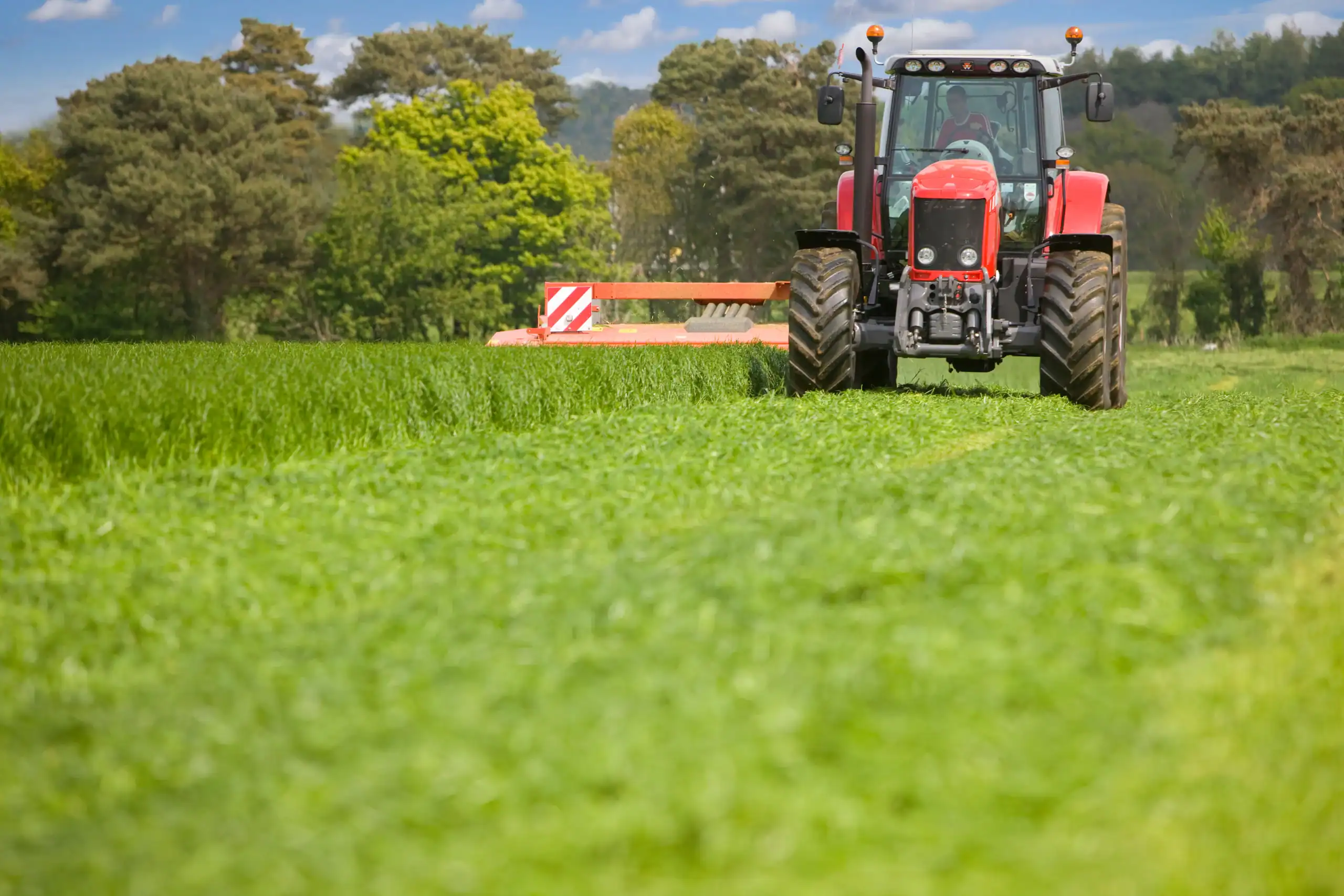
Pricing depends on what’s actually growing on your land and what’s hidden underneath it. Light brush and tall grass on flat, accessible ground costs less than thick saplings, steep slopes, or fields full of debris and obstacles.
Most bush hogging in this area runs between $100 and $150 per hour, though some companies price by the acre if conditions are straightforward. Per-acre pricing typically ranges from $60 to $250 depending on density and terrain, but hourly rates are more common because they account for the variables that slow down equipment—mud, hidden stumps, uneven ground, or overgrowth that’s denser than it looked.
We don’t give final prices over the phone because we can’t see what we’re dealing with. A site visit lets us assess the real scope, identify potential equipment damage risks, and give you an accurate number instead of a guess that changes once we start working. You’ll know the cost before we begin, and there won’t be surprises unless you ask us to clear additional areas mid-project.
Bush hogging uses a heavy-duty rotary cutter to mow down thick vegetation, brush, and small trees. It’s fast, cost-effective, and works well for maintaining fields, clearing overgrown lots, or preparing land for other uses. The cut material gets mulched in place, which breaks down over time and adds organic matter back into the soil.
Forestry mulching uses a different machine—a dedicated mulcher that grinds trees, brush, and stumps into fine mulch in a single pass. It’s better for heavily wooded areas or land where you want a more finished look immediately. Mulching also handles larger trees and leaves behind a thicker layer of processed material that’s better for erosion control on slopes.
For most residential and light commercial properties in Caroline County, bush hogging is the right tool. It’s faster, less expensive, and handles the kind of overgrowth most people are dealing with—thick fields, brush encroachment, and saplings. If you’ve got dense woods or need land cleared for construction where stumps and roots need to be fully processed, mulching makes more sense. We can walk your property and recommend the right approach based on what’s actually there.
We can, but we usually don’t recommend it unless there’s an urgent reason. Caroline County soils tend to hold water, and running heavy equipment over saturated ground creates deep ruts, compaction, and damage that’s expensive to fix later.
If your property has drainage issues or we’ve had recent heavy rain, it’s better to wait a few days for the ground to dry out. Trying to push through wet conditions might get the job done faster, but you’ll end up with a rutted mess that needs grading and repair before the land is actually usable.
There are exceptions—emergency access clearing after storms, or properties with naturally well-drained soil that can handle equipment even when damp. We assess ground conditions during the site visit and let you know if timing needs to adjust. If waiting isn’t an option and you need the work done regardless of conditions, we’ll talk through what the ground will look like afterward so you can make an informed decision. Most people would rather wait a week than spend extra money fixing ruts.
It depends on what’s growing and how fast it comes back. In Bowling Green, VA, you’re typically looking at once or twice a year for most properties—once in late spring or early summer to knock down the initial growth, and possibly again in late summer if regrowth is aggressive.
Properties with invasive species like multiflora rose, honeysuckle, or tree saplings may need more frequent attention, especially in the first few years after initial clearing. If you let it go too long between cuttings, you’re back to square one with thick brush and small trees that are harder to manage.
For pasture maintenance or fields you’re actively using, annual mowing is usually enough to keep vegetation under control. For lots you’re holding for future development or land you’re not using regularly, you might get away with every 18 months depending on growth rates. We can set up a seasonal maintenance schedule if you want to stay ahead of regrowth without thinking about it. Regular maintenance is always cheaper and easier than letting land go wild and needing a full re-clearing every few years.
Bush hogging cuts vegetation at ground level—it’s not digging or grading, so it won’t disturb underground utilities if they’re buried at proper depth. That said, we still need to know where lines, septic systems, and irrigation are located before we start. If you’ve got utilities running through the area, mark them or let us know so we can avoid those zones.
The equipment itself is heavy, so it will compact soil to some degree, especially if the ground is soft. That’s normal and usually not a problem for fields or undeveloped land. If you’re clearing around landscaping, structures, or areas with shallow roots you want to protect, we need to know that upfront so we can adjust equipment or approach.
Hidden obstacles—rocks, stumps, old fence posts, debris—are the bigger risk. They can damage equipment and create safety hazards. During the site visit, we’ll identify obvious obstacles, but sometimes things are buried under thick growth and don’t show up until we start cutting. If we hit something significant, we stop and reassess rather than pushing through and causing more damage. Most properties in Caroline County don’t have major issues, but it’s worth walking the land beforehand if you know there’s old infrastructure or debris in the clearing area.
The main thing is identifying and marking anything you don’t want us to hit—utility lines, septic systems, irrigation, property markers, or structures hidden in the brush. If you know there are obstacles like old fence posts, debris piles, or large rocks, pointing those out helps us avoid equipment damage and delays.
You don’t need to clear anything yourself or do any prep work. That’s what you’re hiring us for. If there are specific areas you want left untouched—mature trees, landscaping, or sections you’re not ready to clear yet—just mark them or walk the property with us during the site visit so we’re clear on boundaries.
If you’ve got livestock, they’ll need to be moved out of the work area for safety. Same goes for pets or anything else that could wander into the clearing zone. Other than that, we handle the rest—equipment, labor, and site management. The goal is to make this as simple as possible for you while getting your land back to usable condition without surprises or damage.