
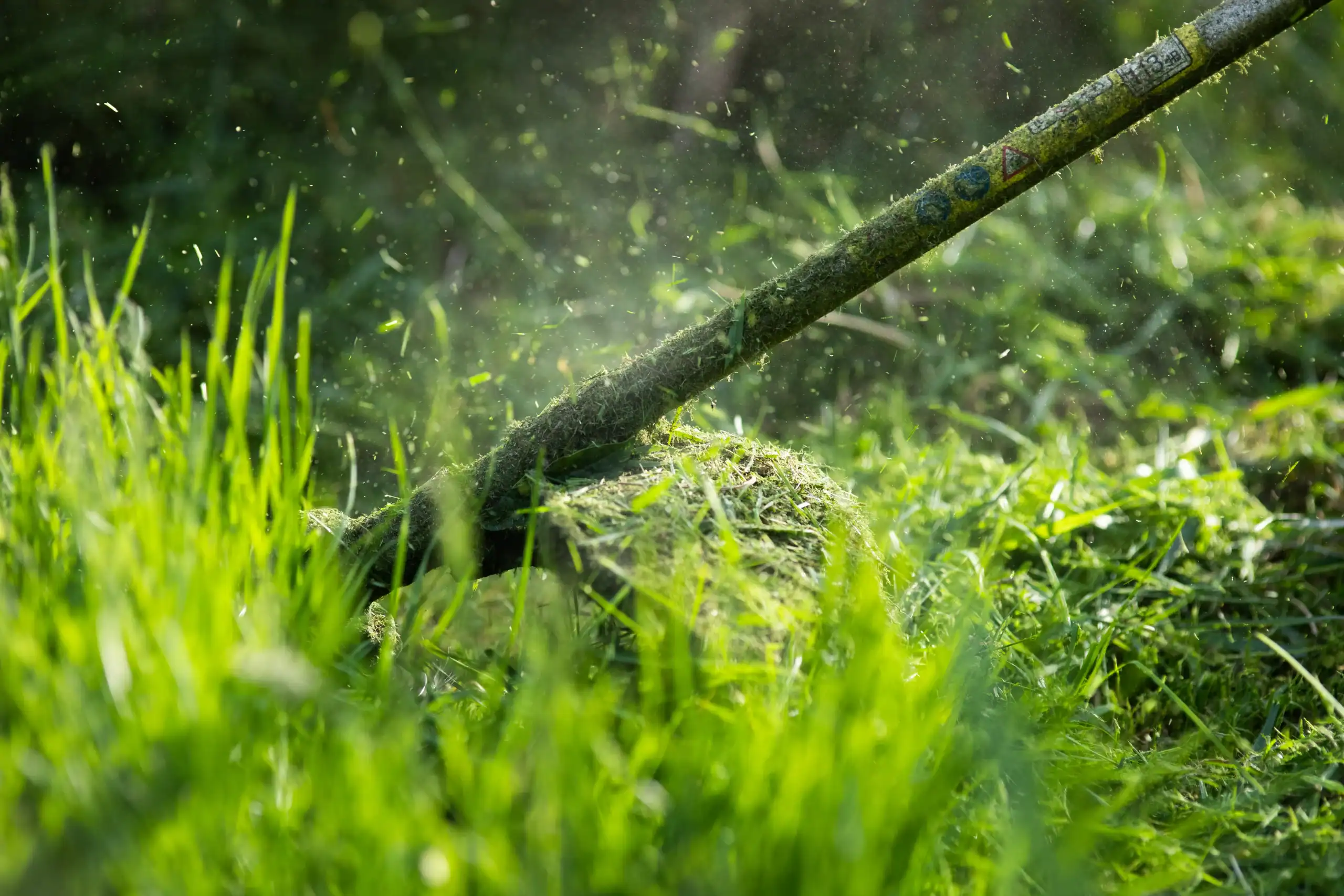
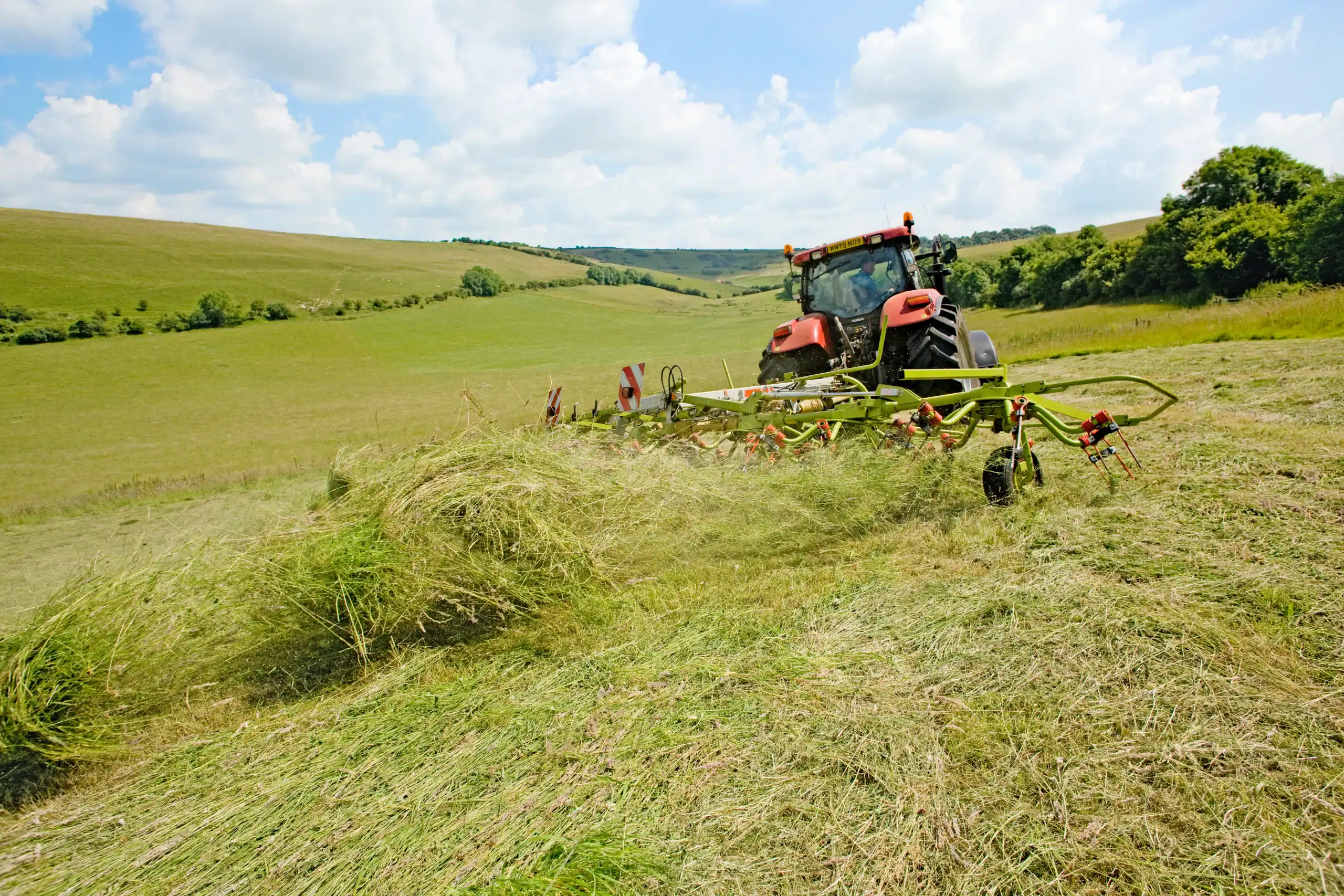
Overgrown fields don’t just look bad. They create fire hazards, attract pests, block access to parts of your land, and make it impossible to use your property the way you want to.
Bush hogging cuts through tall grass, thick brush, and small saplings quickly. It clears the surface vegetation without tearing up roots or topsoil, so you’re not left with a mud pit or erosion problem. The cut material breaks down into mulch that actually feeds the soil instead of sitting there as debris.
You get your land back. Clear sightlines. Safe access. Room to work, build, or just enjoy your property without fighting through chest-high weeds every time you step outside.
We’ve been operating in Callao and the Northern Neck region for over 20 years. We know this area because we work here, live here, and understand what property owners face when trying to maintain rural land.
We’re not a national franchise. We’re a local excavation and land clearing company that handles everything from bush hogging to grading to site prep. When you call, you’re talking to people who’ve cleared hundreds of properties in Westmoreland County and the Middle Peninsula.
We show up when we say we will. We give you a free estimate upfront. And we don’t leave until the job is done right.
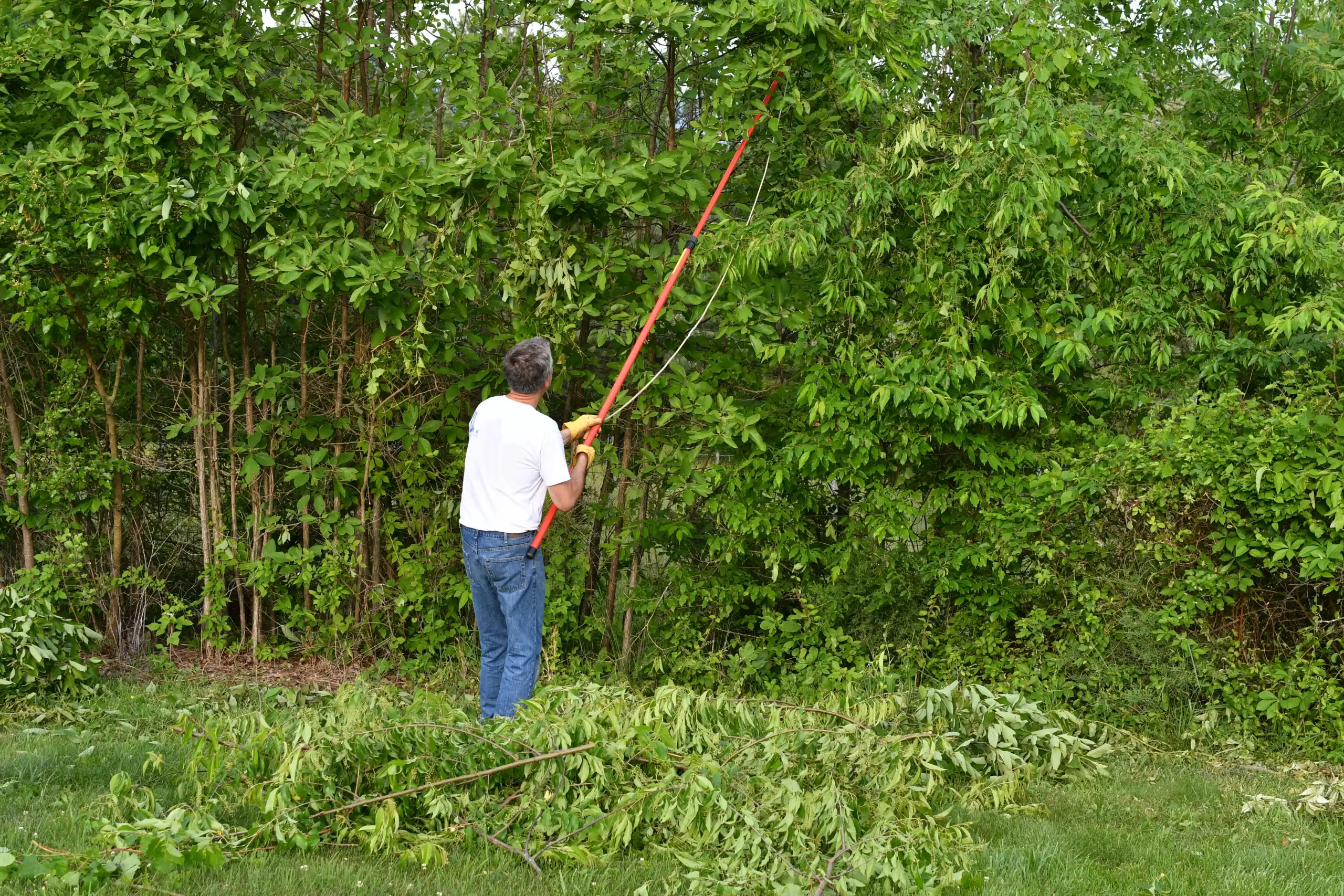
First, we walk your property with you. You show us what needs clearing, where you want access, and any areas to avoid. We look at the terrain, the vegetation type, and any obstacles like stumps or rocks.
Then we give you a straightforward estimate based on acreage and difficulty. No surprises. No hidden fees.
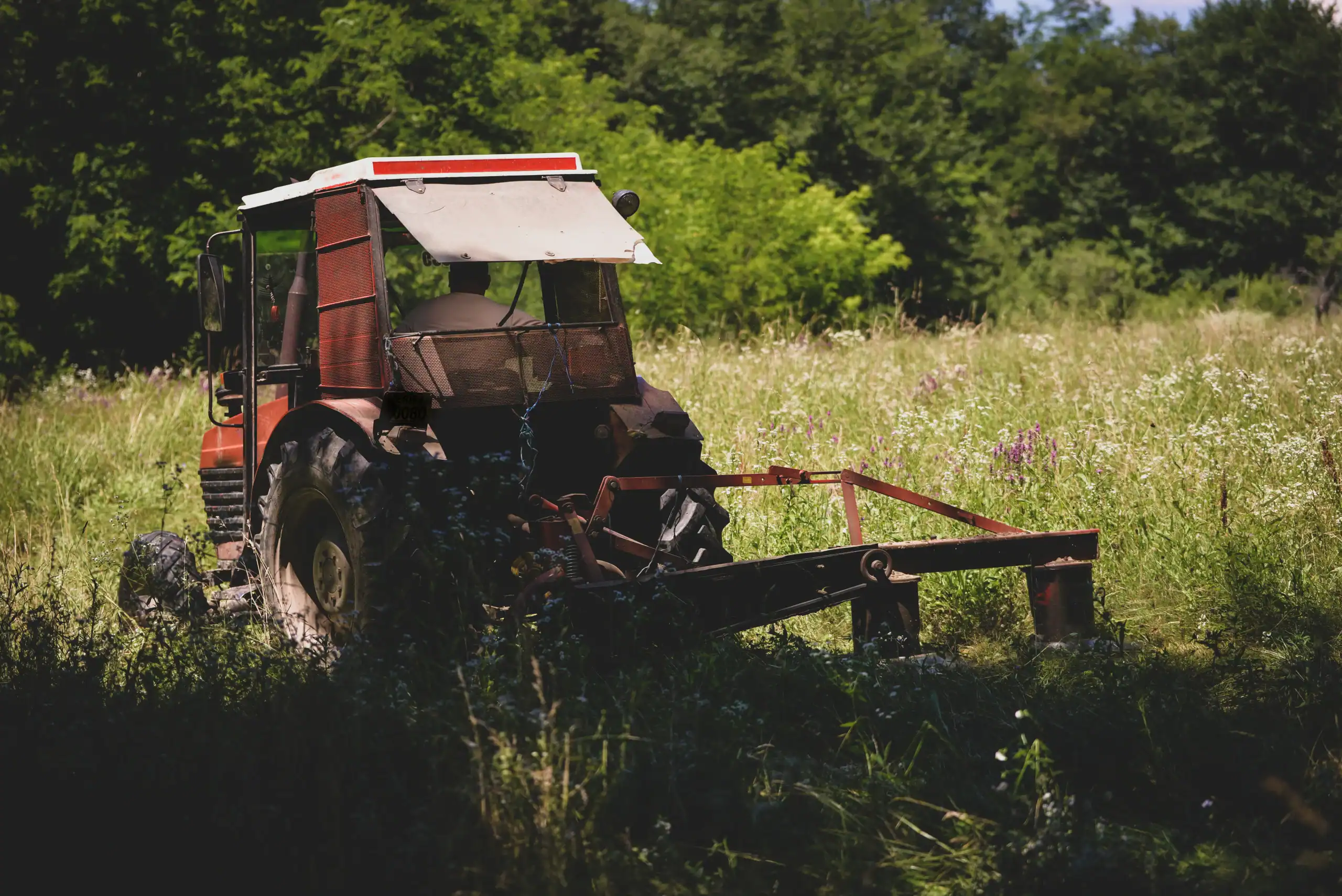
Once you approve, we bring in our equipment and get to work. Bush hogging uses a heavy-duty rotary cutter mounted on a tractor. It slices through dense vegetation in passes, mulching everything as it goes. The process is fast, and it doesn’t disturb the ground the way grading or bulldozing does.
When we’re done, your land is cleared, accessible, and ready for its next use. The mulched material stays on-site and breaks down naturally, adding nutrients back into the soil instead of creating a disposal problem.
Ready to get started?
We handle overgrown fields, pastures, fence lines, trails, and lot clearing for new construction. If it’s covered in tall grass, brush, or small trees under three inches, we can clear it.
This matters in Callao and the Northern Neck because fire season runs hot here. Virginia has over 5,300 wildland-urban interface areas at risk for wildfire, and overgrown vegetation near homes is one of the biggest fuel sources. Clearing brush around your property creates defensible space and reduces that risk significantly.
You also get better pest control. Thick brush is where snakes, ticks, and rodents hide. Clear it, and they move on to somewhere else. Your property value goes up when the land looks maintained instead of abandoned. And if you’re planning to build, farm, or develop, cleared land is the starting point for everything.
We work year-round, though late spring through fall is peak season. Summer growth in Virginia is aggressive, and staying ahead of it means fewer problems down the road.
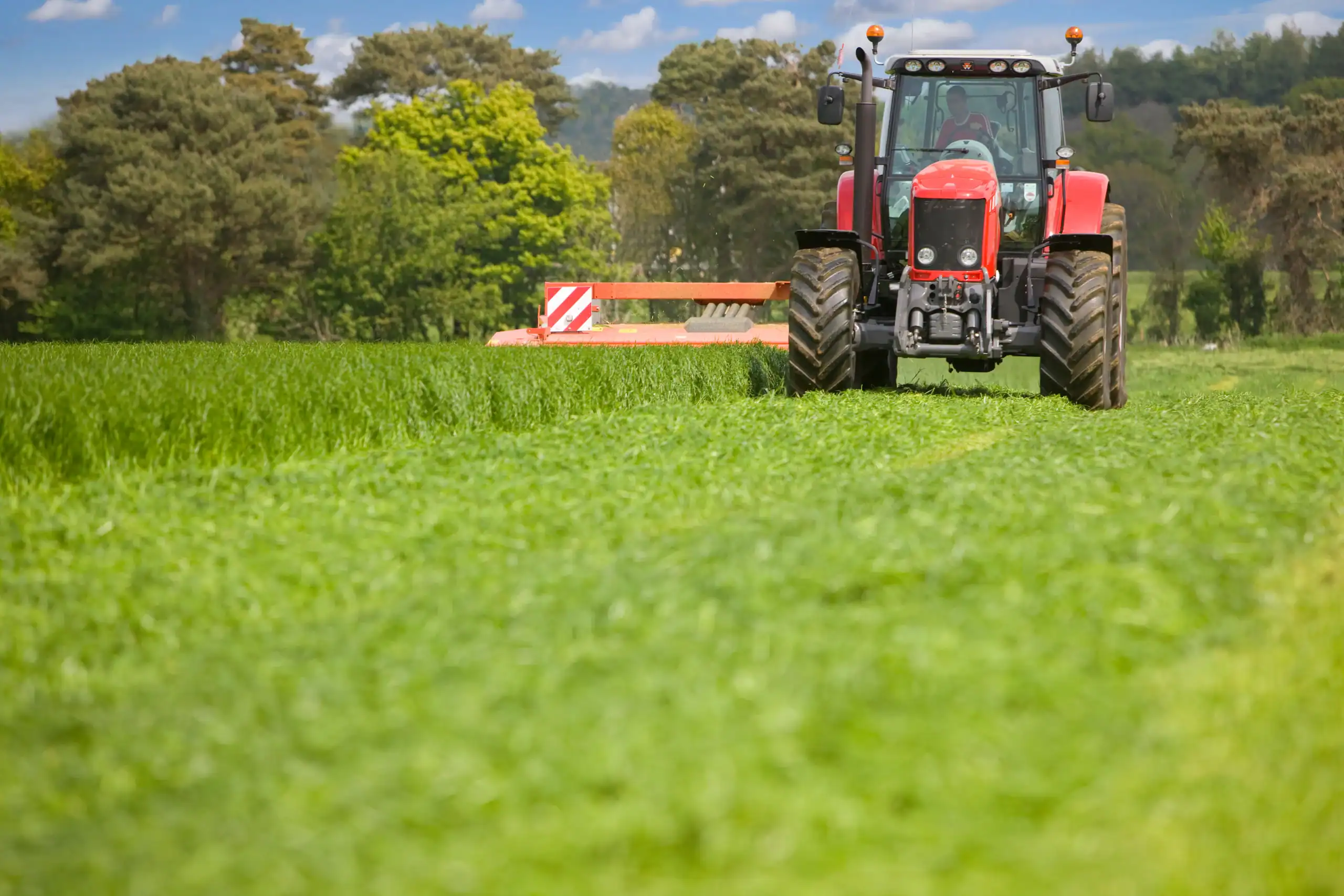
Bush hogging is designed for open areas with tall grass, thick brush, and small saplings. It uses a rotary cutter that slices vegetation at ground level and mulches it in place. It’s fast, cost-effective, and works well on fields, pastures, and overgrown lots.
Forestry mulching is better for heavily wooded areas with larger trees and dense undergrowth. It grinds everything into fine mulch, including tree trunks up to eight inches or more. It’s more versatile but also more expensive and slower.
If your land is mostly grass and brush with some small trees, bush hogging is the right tool. If you’re dealing with thick woods and need to clear larger trees, forestry mulching makes more sense. We can walk your property and tell you which method fits your situation.
Pricing depends on how thick the vegetation is, how rough the terrain is, and how much debris or obstacles we’re working around. Light grass and brush on flat land costs less per acre than dense undergrowth on a slope with rocks and stumps.
In the Northern Neck area, you’ll typically see rates that reflect local conditions. We give free estimates after seeing your property, so you know exactly what you’re paying before we start. No guessing, no hourly rates that spiral out of control.
Bush hogging is one of the most affordable land clearing methods because it’s fast and doesn’t require hauling debris off-site. The mulch stays on your property and breaks down naturally. If you’re comparing quotes, make sure you’re comparing the same scope of work, because not all clearing services include the same level of detail or cleanup.
No. Bush hogging is a non-invasive technique that cuts vegetation at the surface without digging into the ground. The rotary cutter slices through brush and grass, but it doesn’t tear up roots or disturb the topsoil the way grading or bulldozing does.
The cut material gets mulched and spread across the ground, where it decomposes and adds organic matter back into the soil. You’re not left with bare dirt or erosion problems. The root systems stay intact underground, which helps prevent soil from washing away during heavy rain.
If your land has steep slopes or areas prone to erosion, we can adjust our approach to minimize any impact. The goal is to clear the vegetation without creating new problems. We’ve been doing this for over 20 years in Callao and the surrounding area, so we know how to work with the terrain here.
Late spring through fall is peak season, but you can bush hog year-round depending on what you’re trying to accomplish. Summer is when vegetation grows fastest in Virginia, so that’s when most people schedule clearing to stay ahead of overgrowth.
If you’re preparing land for construction or development, clearing in late fall or winter can make sense because the ground is firmer and there’s less active growth to deal with. If you’re maintaining pastures or creating firebreaks, doing it before fire season hits in late spring is smart.
The Northern Neck gets hot and dry in summer, which increases fire risk. Clearing brush before June gives you a buffer when conditions are most dangerous. We work through all seasons, so if you need clearing done outside the typical window, we can handle it.
Yes, but there’s a limit. Bush hogging can handle saplings and small trees up to about three inches in diameter, depending on the type of wood and the equipment we’re using. Anything larger than that, and you’re better off with forestry mulching or selective tree removal.
The rotary cutter is designed to slice through brush, tall grass, and woody vegetation that’s not fully mature. It mulches everything as it cuts, so you don’t have piles of debris to deal with afterward. If your property has a mix of grass and small trees, bush hogging can clear it in one pass.
If you’ve got larger trees mixed in, we can work around them or switch to a different method for those areas. We’ll assess your property during the estimate and tell you exactly what equipment and approach makes sense for your situation.
No, and that’s actually one of the benefits. Bush hogging mulches the vegetation as it cuts, so the material stays on your property and breaks down naturally. It creates a nutrient-rich layer that feeds the soil instead of becoming waste you have to dispose of.
This keeps costs down because we’re not spending time loading debris, hauling it off-site, and paying dump fees. It’s also better for your land because the organic matter decomposes and improves soil health over time.
If you need debris removed for a specific reason, like preparing a construction site or clearing for landscaping, we can discuss other options. But for most bush hogging jobs, leaving the mulch in place is the standard approach and the most practical one.
Other Services we provide in Callao