
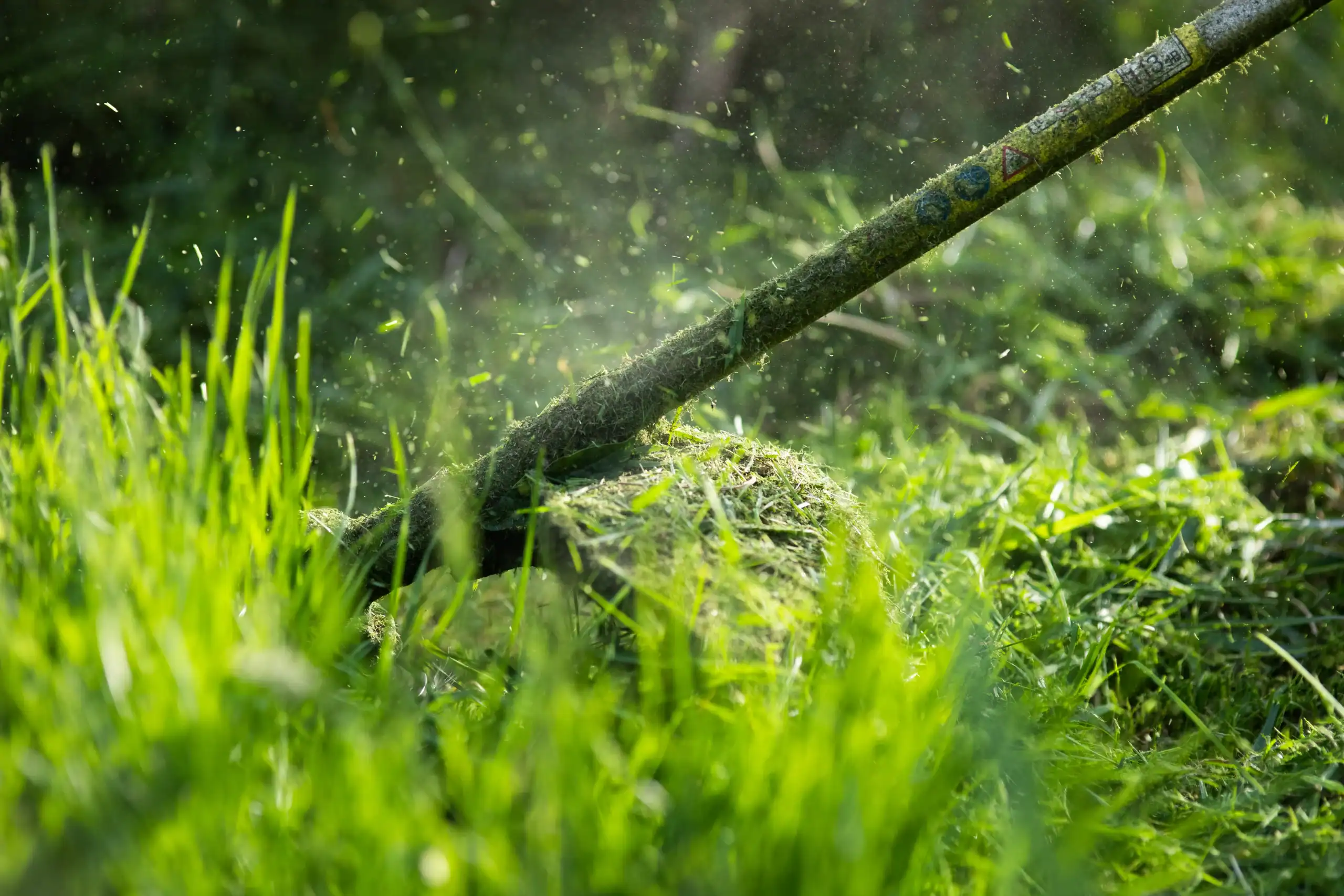
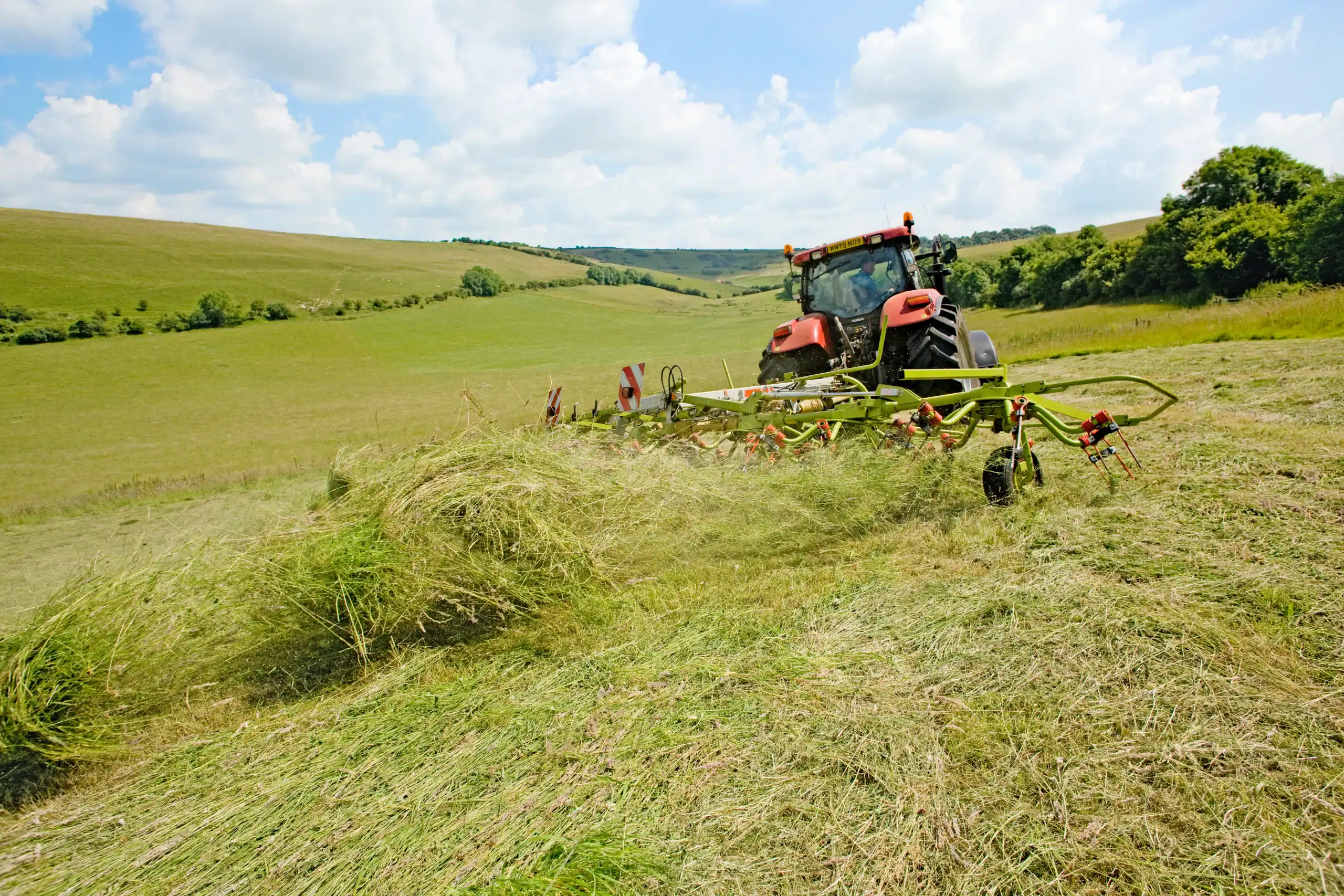
You get your land back. Not just cleared—usable. Whether it’s a field you need for planting, a lot you’re prepping for construction, or acreage that’s become a fire hazard, bush hogging cuts through the thick stuff and leaves you with clean ground you can actually walk on.
The difference shows up fast. Tall grass, dense weeds, saplings, and brush that’s been creeping for years gets knocked down in hours. What’s left is mulched vegetation that breaks down naturally, feeding the soil instead of choking it. Your property looks maintained, accessible, and safer.
This isn’t about making things pretty. It’s about making your land functional again. You can fence it, build on it, graze livestock, or just stop worrying about what’s growing out there. And because bush hogging doesn’t rip up topsoil or disturb roots the way grading does, the ground stays intact. You’re clearing growth, not destroying the land underneath.
We’ve been clearing land in Champlain and across the Northern Neck for years. We’re not a franchise or a crew passing through—we’re based here, and we know what overgrowth looks like in Westmoreland County. The soil, the vegetation, the way things grow back if you don’t cut them right.
We run professional equipment and handle everything from small residential lots to larger commercial properties. Our work shows up in how fast we respond, how clean the job looks when we’re done, and how straightforward the process is from the first call to the final pass. You’re not chasing us down for updates or wondering when we’ll show up.
People call us because they need the work done without the runaround. We’ve cleared fields for farmers, prepped lots for builders, and helped landowners get their property back in line with county land use requirements. If it’s overgrown and you need it handled, we’ve probably dealt with something similar.
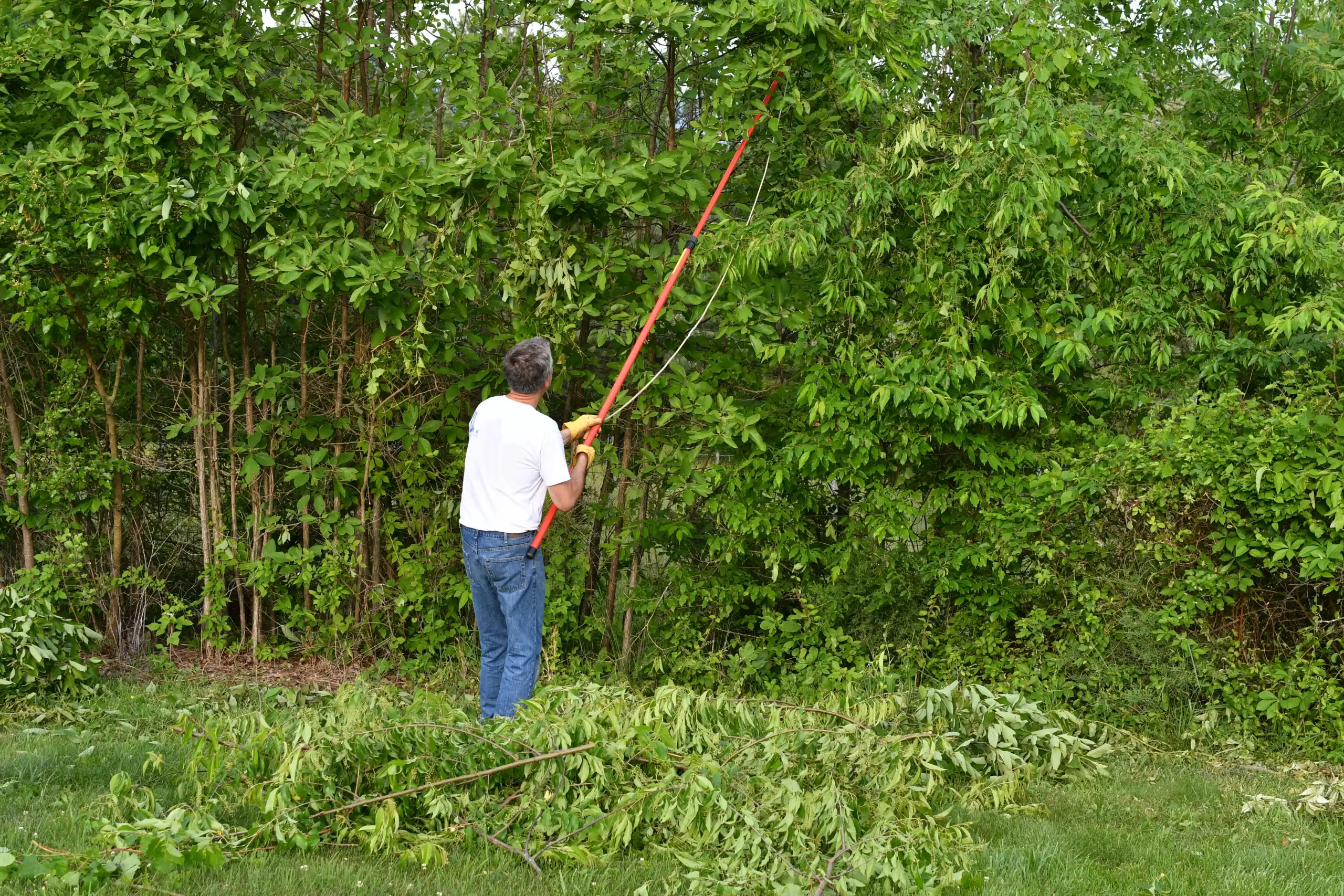
You reach out and describe what’s going on with your property. We ask a few questions—how many acres, what kind of growth, what you’re planning to do with the land after. If it makes sense, we come out and take a look. No charge for that.
Once we see the site, we give you a clear price based on the density of vegetation and the size of the area. Most bush hogging in this area runs between $50 and $200 per acre depending on how thick things are and whether there are obstacles like stumps or ditches. We don’t surprise you later with add-ons.
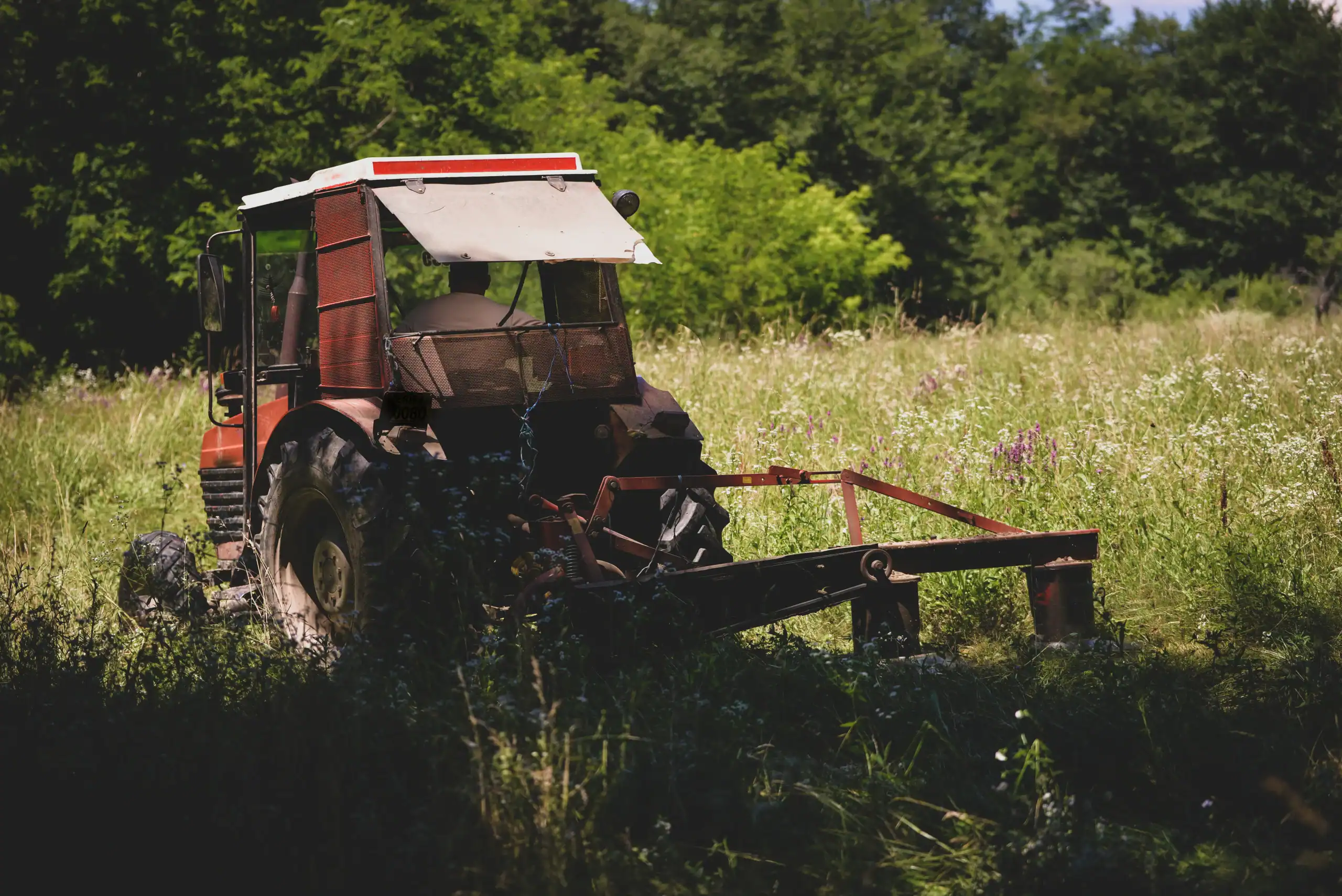
When we show up to do the work, we bring a tractor with a heavy-duty rotary cutter that’s built to handle brush up to several inches thick. We make passes across the property, cutting everything down close to the ground. The vegetation gets mulched as we go, so there’s no massive pile of debris to haul off. We work efficiently—most operators cover an acre to an acre and a half per hour.
After we’re done, you’ve got cleared land. If you need grading, gravel, or additional site work, we handle that too. But the bush hogging itself is usually a one-day job, depending on size.
Ready to get started?
Bush hogging works for tall grass mowing, brush cutting, and clearing overgrown fields that haven’t been touched in months or even years. It handles saplings, brambles, thick weeds, and the kind of vegetation that would destroy a regular lawn mower. If it’s growing wild and it’s less than a few inches in diameter, the bush hog will cut it.
This is common work in Champlain and throughout the Northern Neck, where rural properties often sit unused for stretches of time. Forests cover 62% of Virginia, and if you own land here, you know how fast things grow back. Bush hogging keeps that growth in check without tearing up the soil or requiring you to invest in your own equipment.
It’s also a smart move if you’re trying to maintain your property’s eligibility for land use tax assessment. Westmoreland County and surrounding areas offer lower property taxes for land in agricultural or forested use, but that requires active management. Regular bush hogging shows you’re maintaining the land, not letting it go fallow. That can save you real money every year.
We also handle commercial mowing for larger sites—churches, businesses, developers who need lots cleared before construction. The process is the same, just scaled up. You get the same equipment, the same efficiency, and the same result: cleared land, ready for whatever comes next.
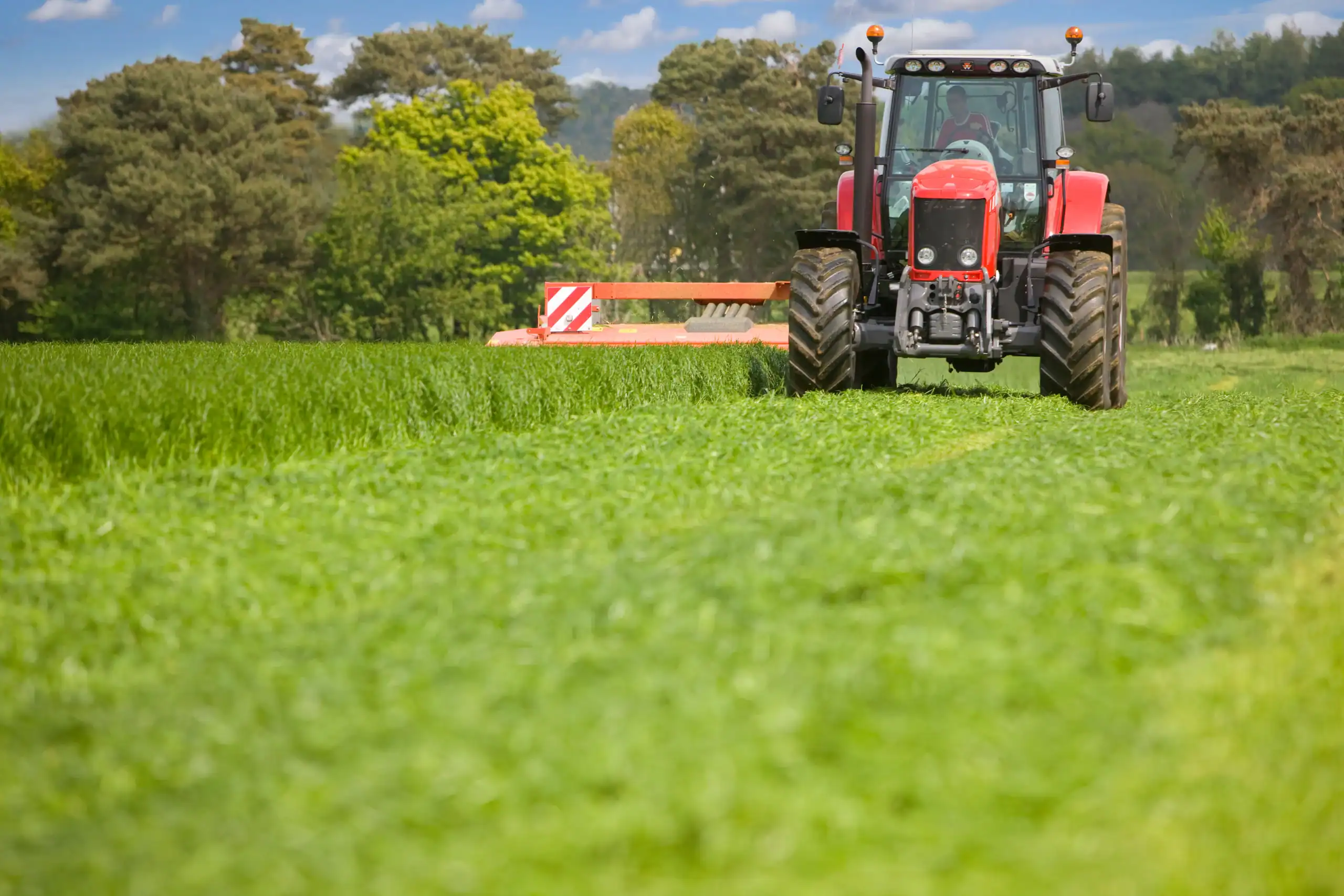
Most bush hogging in the Champlain area costs between $50 and $200 per acre. The price depends on how thick the vegetation is and whether there are obstacles like rocks, stumps, or ditches that slow things down.
Light overgrowth—tall grass and weeds—sits on the lower end. Dense brush, saplings, and years of unchecked growth will cost more because it takes longer and puts more wear on the equipment. If your property has steep slopes or wet areas, that can also affect the price.
We give you a firm number after we see the site. No guessing, no hourly rates that spiral. You know what it costs before we start, and that’s what you pay.
Bush hogging cuts vegetation down and mulches it in place. It’s fast, affordable, and works well for maintaining fields or clearing lighter brush. The equipment is a rotary cutter pulled by a tractor, and it handles grass, weeds, and brush up to a few inches thick.
Forestry mulching uses a different machine—a dedicated mulcher with teeth that grind up larger trees, stumps, and heavier vegetation. It’s more aggressive and better for clearing wooded areas or dealing with thick undergrowth. But it’s also more expensive, often running $2,750 or more per day depending on the contractor.
If you’ve got overgrown fields or tall grass, bush hogging is the right call. If you’re clearing actual trees or heavy wooded areas, mulching makes more sense. We handle both, so we’ll recommend whichever fits your property and your budget.
Summer is ideal. The days are longer, so we can cover more ground, and the vegetation is actively growing, which makes it easier to see what needs cutting. Most landowners schedule bush hogging between late spring and early fall.
That said, we work year-round. If you need land cleared in winter or early spring, we can do it. The ground just needs to be dry enough that the equipment won’t tear it up or get stuck. Wet, muddy conditions slow things down and can damage the soil, so we’ll let you know if we need to wait a few days for things to dry out.
If you’re managing land for tax purposes or getting ready for a project with a deadline, don’t wait until peak season. Call early and get on the schedule. Summer fills up fast, especially in rural areas like the Northern Neck.
No. Bush hogging is designed to cut vegetation without disturbing the topsoil. The cutter rides above the ground and slices through growth, leaving roots and soil structure intact. That’s one of the main reasons people choose it over grading or bulldozing.
The mulched vegetation stays on the ground and breaks down over time, adding organic matter back into the soil. That actually helps with soil health and encourages the growth of desirable plants. You’re not stripping the land—you’re managing it.
If there are areas with erosion concerns or sensitive ground, let us know ahead of time. We can adjust our approach or avoid certain spots. But in general, bush hogging is one of the least invasive ways to clear land. You get a clean result without tearing up what’s underneath.
Yes, but it requires more care and takes a bit longer. We can work around trees, fence lines, buildings, and other obstacles, but the tractor and cutter need clearance. If your property has a lot of tight spaces or obstacles close together, we’ll talk through the best approach during the site visit.
In some cases, we might need to trim by hand around certain areas or use smaller equipment for sections the bush hog can’t reach. That’s not common, but it happens on properties with dense tree lines or old fence posts scattered through the growth.
The goal is to clear as much as possible without damaging anything you want to keep. We’ve done this enough to know how close we can get and when it makes sense to leave a buffer. If you’ve got specific concerns about certain areas, point them out when we walk the property.
Not much. The main thing is to mark or flag anything you don’t want us to hit—buried utility lines, septic systems, irrigation lines, or anything else that’s not obvious from the surface. If you know where those are, just point them out or mark them with flags.
If there’s trash, old equipment, or debris hidden in the overgrowth, it helps to clear that out first. A bush hog can handle vegetation, but hitting metal or concrete can damage the blades and cost you extra in repairs. We’ll do a quick walk-through before we start, but you know your property better than we do.
Other than that, we handle the rest. You don’t need to mow, rake, or do any prep work. That’s the whole point—you call us because the property’s beyond what you can manage yourself. We show up, clear it, and leave it ready for whatever you’re planning next.
Other Services we provide in Champlain