
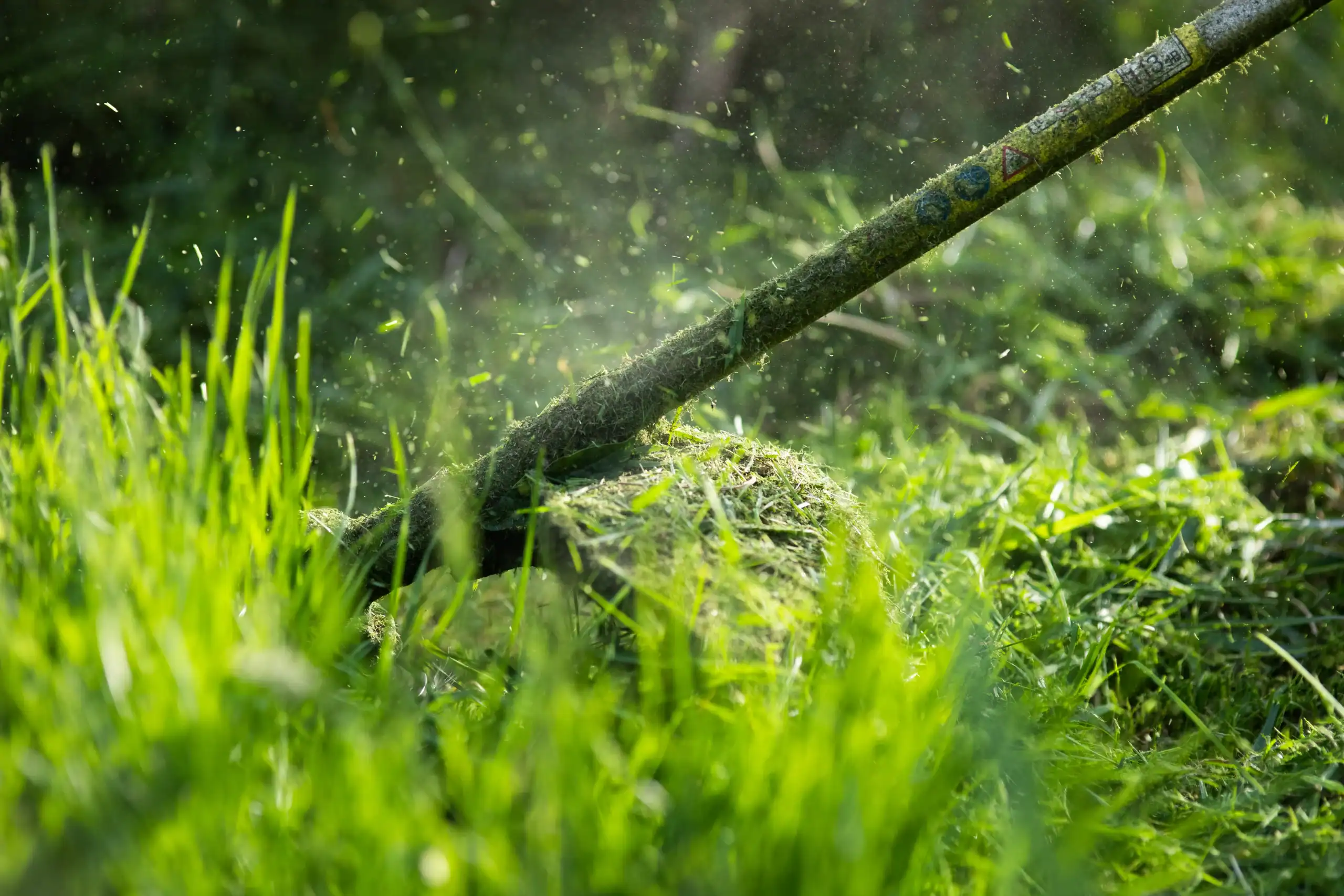
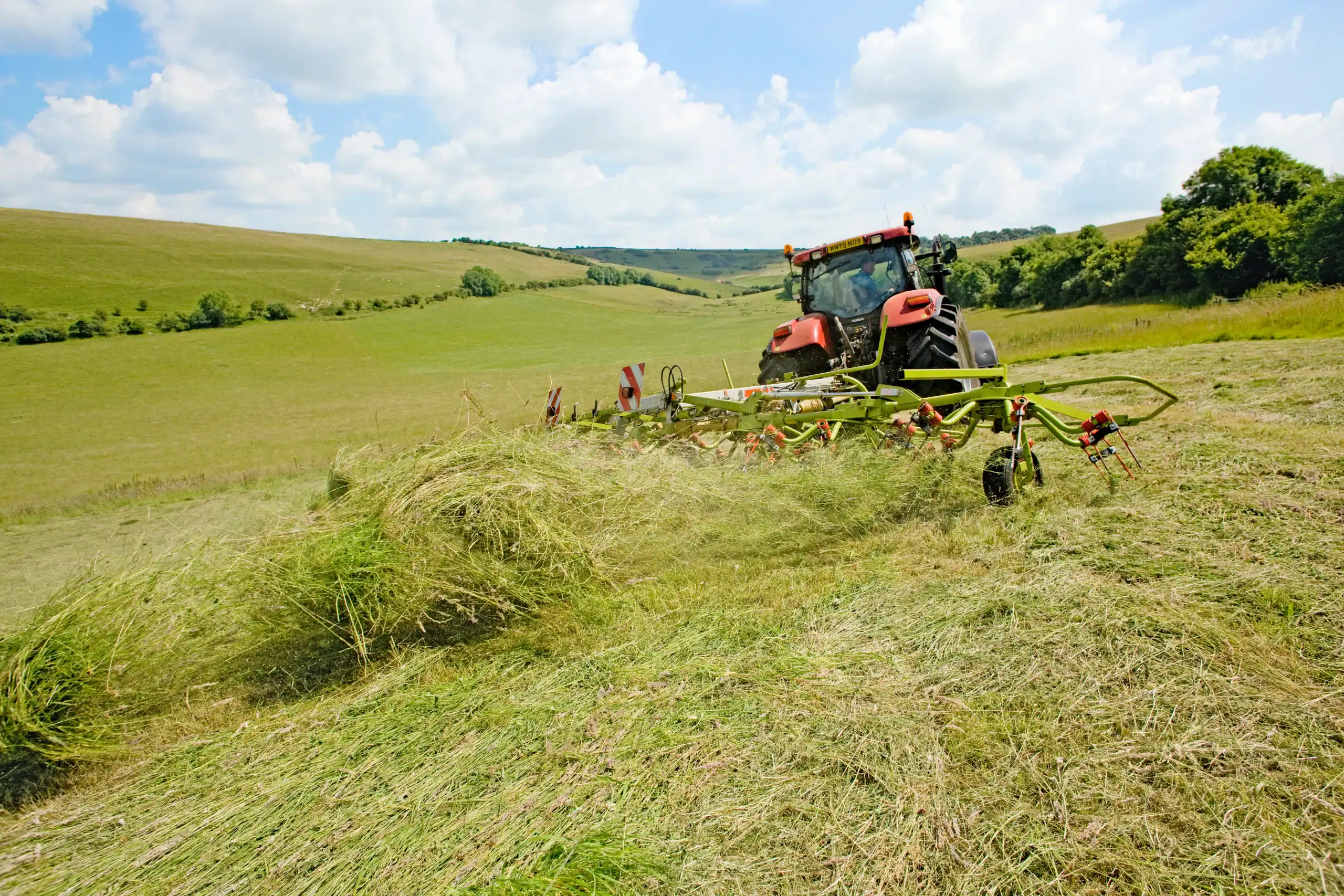
You know what overgrown land costs you. It’s a fire hazard when things dry out in summer. It drops your property value when buyers or neighbors drive by. It hides ticks, snakes, and rodents you don’t want near your house.
Bush hogging fixes that. We’re talking about commercial-grade mowing that handles what your riding mower can’t—thick brush, saplings up to a few inches, fields that haven’t been touched in years. The equipment cuts everything down and mulches it in place, so you’re not left with piles of debris to haul off.
What you get is cleared land that’s safer, looks maintained, and actually usable. Whether you’re trying to open up a back lot, maintain a field, or just make your property look like someone lives there—this is how you do it without spending weekends fighting brush yourself.
We handle land clearing and site work throughout King George County and the Northern Neck. We’ve cleared properties in Fairview Beach for years—waterfront lots, back acreage, overgrown fields that got away from owners.
The equipment we run is built for this. Brush hogs that can take on dense undergrowth and uneven terrain without bogging down. Operators who know how to work around trees you want to keep, avoid wet spots, and leave your land in better shape than they found it.
You’re not getting a lawn service trying to upsell you. This is what we do—excavation, land clearing, grading, site prep. Bush hogging is one piece of that, and we handle it the same way we handle every job: show up when we say we will, do the work right, and leave your property ready for whatever comes next.
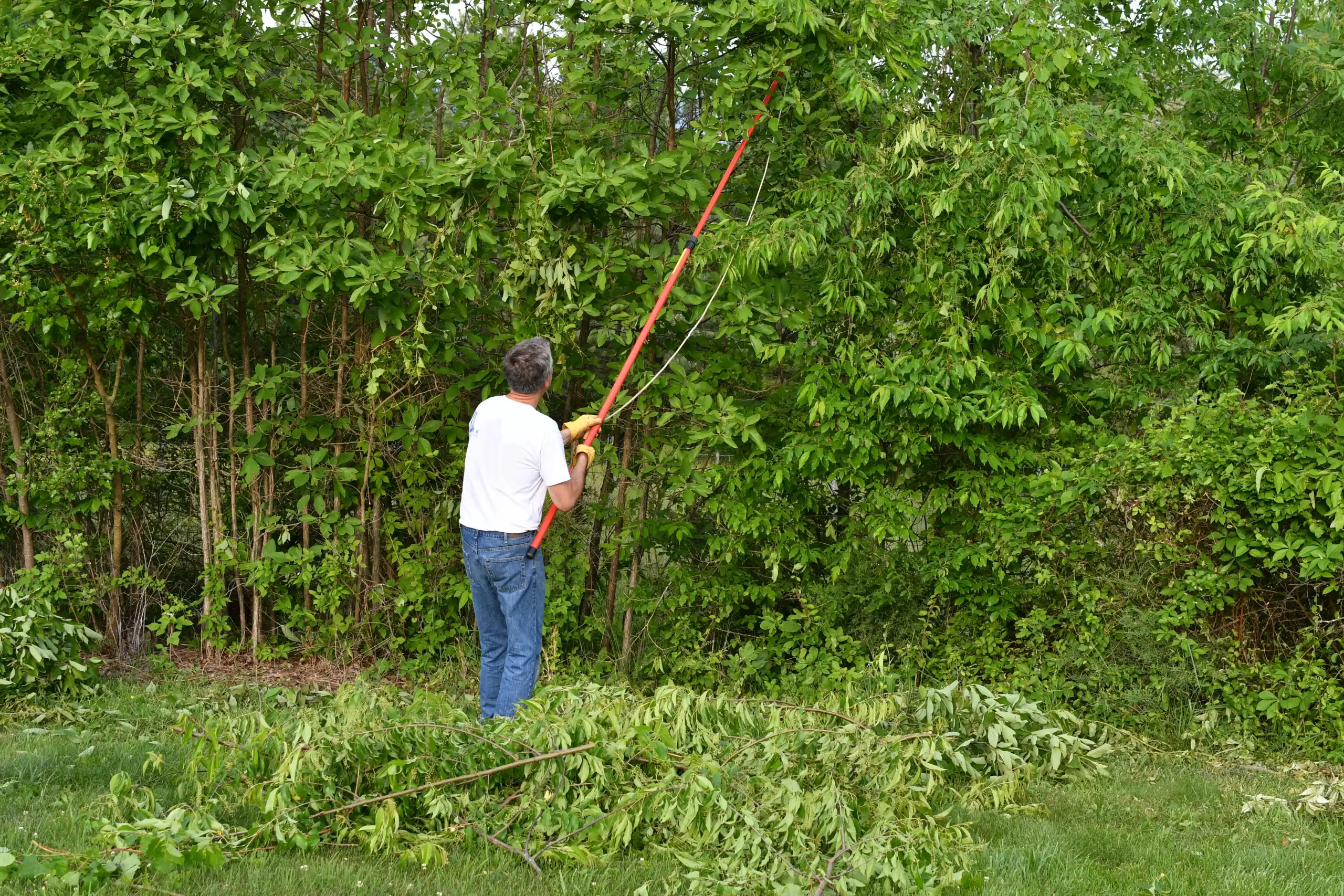
First, we walk your property with you. You show us what needs clearing, what you want to keep, and any problem areas—wet spots, stumps, fencing. We’ll tell you what’s realistic, how long it’ll take, and what it costs. No surprises.
Once you’re ready to move forward, we schedule the work around weather and ground conditions. Bush hogging works best when the ground isn’t soaked, so timing matters. We bring in the equipment, mark off any areas to avoid, and start cutting.
The brush hog handles the heavy work—cutting down everything from tall grass to thick brush and small trees. The cut material gets mulched and spread across the ground, which actually helps the soil instead of stripping it bare. We work in passes until the whole area is cleared to the height you want.
When we’re done, you’ve got cleared land. No burn piles. No hauling. Just open space that’s ready to mow, plant, build on, or leave as maintained field. If you need grading or additional clearing after that, we can handle it—but most properties just need the brush knocked down first.
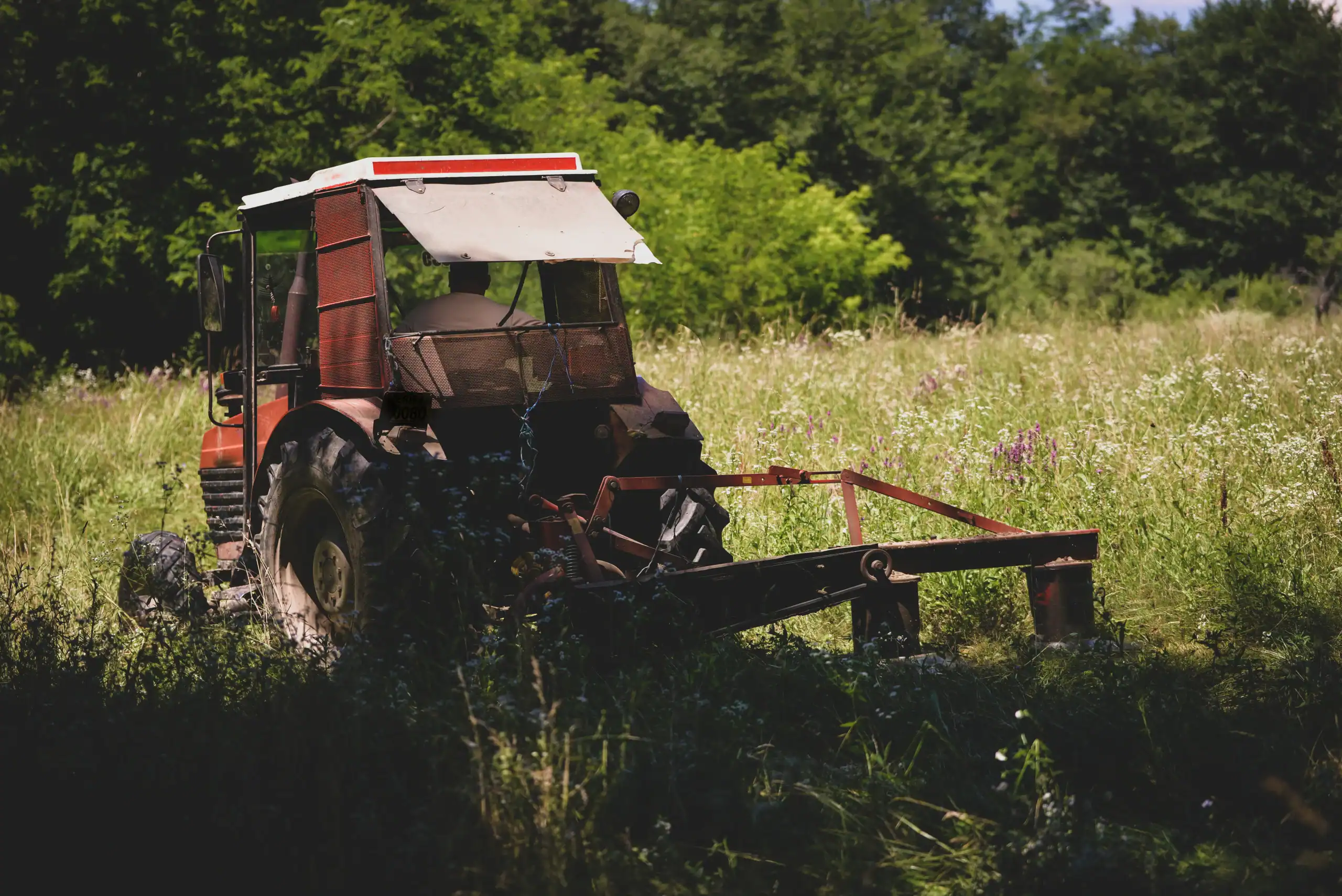
Ready to get started?
Bush hogging isn’t the same as mowing your lawn. This is heavy-duty vegetation management—field mowing, brush cutting, and lot clearing for properties where standard equipment doesn’t cut it. Literally.
In Fairview Beach, most of the properties we clear are residential lots that got overgrown, back acreage that hasn’t been maintained, or fields that need annual cutting to stay usable. The Northern Neck has plenty of waterfront homes where owners want the view opened up, or retirement properties where keeping up with acres of land isn’t realistic anymore.
We handle tall grass mowing, dense brush removal, and clearing around tree lines or fence rows. If you’ve got saplings and undergrowth taking over, the brush hog cuts through it. If your field is waist-high and full of brambles, we’ll knock it down. The mulched material stays on-site and breaks down naturally, so you’re not dealing with debris removal or burn permits.
This also matters for fire safety. King George County sees dry conditions in summer, and overgrown brush is fuel. Keeping your property cleared reduces that risk and keeps you compliant if there are county vegetation requirements. Plus, it just makes your land more valuable—cleared property shows better and appraises higher than overgrown lots.
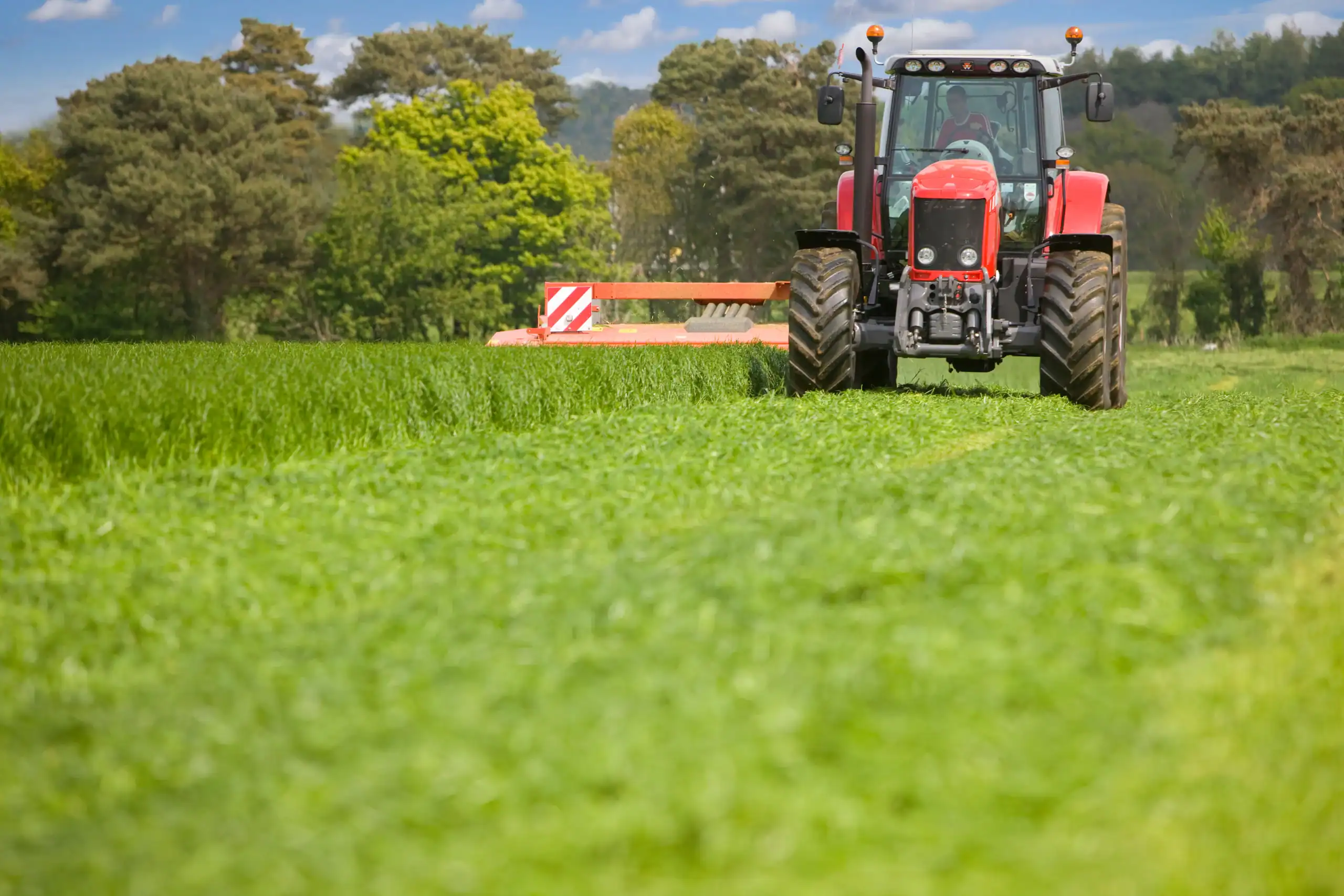
Pricing depends on how much land you need cleared, how thick the vegetation is, and how accessible the property is. Most bush hogging runs by the acre or by the hour, depending on the job.
For reference, light brush and tall grass on flat, open land costs less than dense undergrowth on sloped or uneven terrain. If we’re working around obstacles—trees, fencing, structures—that takes more time and care. Properties that haven’t been cleared in years will cost more than annual maintenance cuts.
We’ll give you a clear price after we see the property. No guessing, no “depends on what we find” nonsense. You’ll know what it costs before we start, and that’s what you’ll pay.
Bush hogging cuts vegetation down and mulches it in place. It’s designed for fields, tall grass, brush, and light saplings—basically maintaining open land or reclaiming overgrown areas. The equipment is a heavy-duty rotary mower that handles rough terrain and thick growth.
Forestry mulching is more aggressive. It grinds down larger trees, stumps, and dense undergrowth, turning everything into mulch. It’s what you use when you’re clearing wooded areas or need to remove bigger material. The equipment is different—usually a skid steer or excavator with a mulching head attachment.
For most residential properties in Fairview Beach, bush hogging is what you need. If you’re trying to clear actual woods or remove a tree line, forestry mulching makes more sense. We handle both, so we’ll recommend whichever fits your property and budget.
Late spring through early fall is ideal. That’s when vegetation is actively growing, and cutting it back has the most impact. Summer is peak season because everything’s grown in, and you’ve got long days to get the work done.
That said, we can bush hog year-round depending on ground conditions. If the soil is too wet or frozen, equipment can tear up the land or get stuck. Late fall and winter work fine if the ground is firm and you’re just doing maintenance cuts.
If you’re trying to control invasive species or keep brush from reseeding, timing matters more. Cutting before plants go to seed helps keep them from spreading. For general clearing and maintenance, just avoid scheduling when the ground is soaked—after that, we can work with your timeline.
Not if it’s done right. Before we start, we mark off anything you want protected—specific trees, landscaping, fence lines, whatever matters to you. Our operator knows to avoid those areas or work carefully around them.
Bush hogs are powerful, but they’re not reckless. The cutting deck is adjustable, so we can set the height to avoid surface roots or low obstacles. If you’ve got established trees with clear trunks, we can mow right up to them without issue. Smaller plants or saplings you want to save get flagged so we don’t accidentally take them out.
The bigger risk is usually debris—rocks, sticks, or cut material getting thrown around. That’s why we keep the equipment at the right speed and cutting height for the conditions. If you’ve got specific concerns about certain plants or areas, just point them out during the walkthrough. We’ll work around them.
Not much. The main thing is making sure we can access the area—gates open, paths clear, that kind of thing. If there’s debris you know about—old fencing, metal posts, large rocks—it helps to flag it or let us know. Hitting that stuff damages equipment and costs time.
If you’ve got areas you want avoided, mark them or be there when we walk the property so we’re on the same page. We’ll handle the rest. You don’t need to pre-cut anything or rake up debris. That’s the whole point of hiring this out.
One thing worth mentioning: if your property has a septic system, drain field, or underground utilities in the area we’re clearing, show us where those are. We’re not digging, but it’s good to know what’s under the surface so we’re not running heavy equipment over something that shouldn’t be compressed.
Once or twice a year for most properties. If you’re maintaining fields or keeping brush under control, an annual cut in late spring or summer usually does it. Properties that grow thick or have aggressive invasive species might need a second pass in fall.
If you’re just trying to keep a lot looking maintained—not overgrown, not attracting complaints or pests—one good clearing per year is enough. After that, you can maintain it yourself with a riding mower, or we can put you on a schedule and handle it every season.
For properties that were heavily overgrown, the first cut is the hardest. After that, maintenance gets easier and cheaper because you’re not fighting years of growth. A lot of our clients in Fairview Beach start with a heavy clear, then move to annual or bi-annual maintenance to keep it under control without letting it get out of hand again.
Other Services we provide in Fairview Beach