
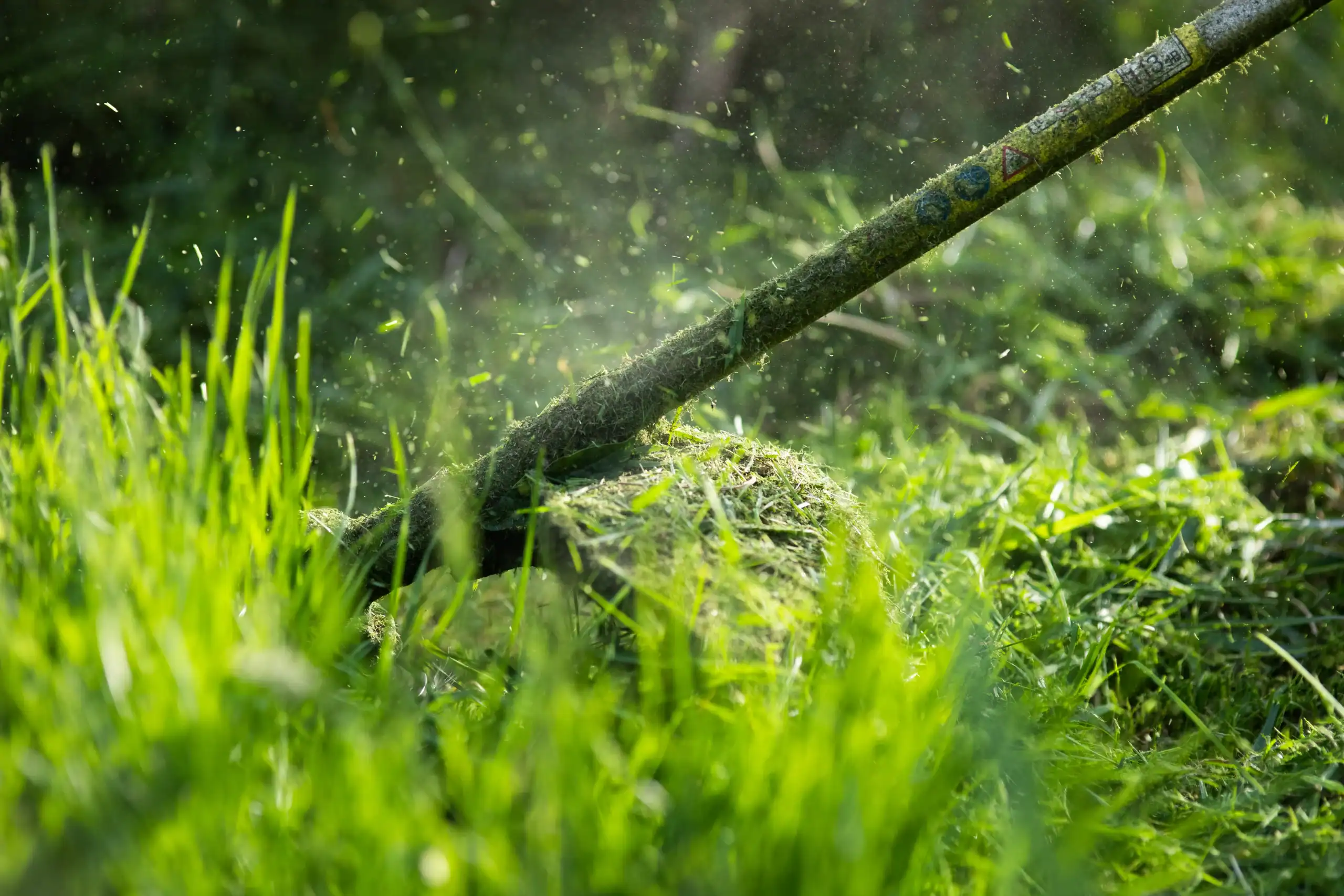
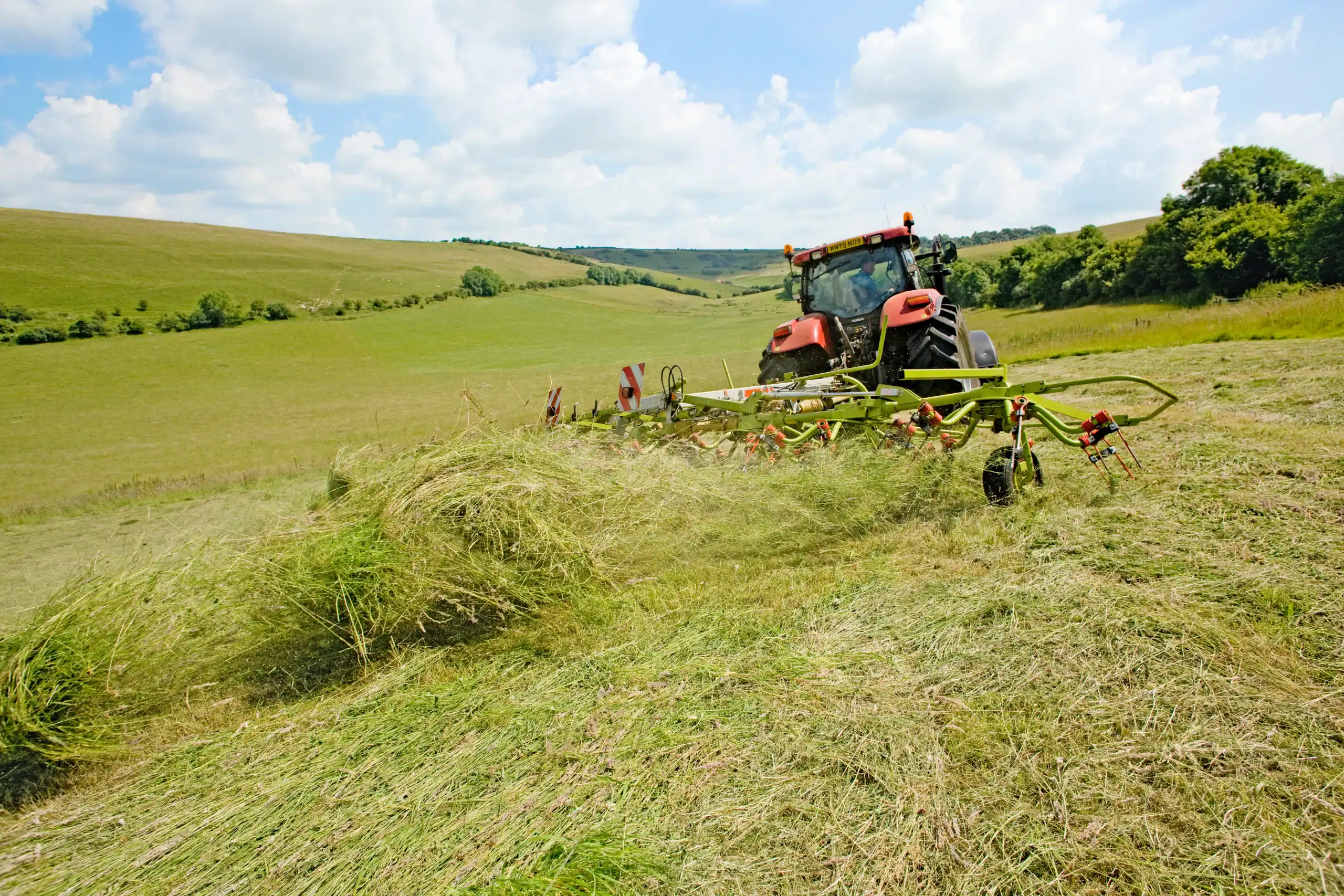
Your land becomes usable again. That overgrown back section you’ve been avoiding? It turns into space you can actually walk through, mow with a regular mower, or use for whatever you had in mind when you bought the place.
Fire risk drops immediately. Tall grass, dense brush, and fallen debris are the first things to catch when conditions get dry. Bush hogging removes that fuel before it becomes a problem.
You also stop worrying about snakes, ticks, and whatever else has been living in the high brush. Once the vegetation is cut down and mulched, your property is safer to walk, easier to maintain, and frankly just looks better. If you’re planning to sell, lease, or develop the land later, this is the kind of maintenance that protects your investment without you lifting a finger.
We handle excavation and land clearing across the Northern Neck and Middle Peninsula. We’re not new to this. We’ve worked on farms, residential lots, commercial sites, and everything in between.
Haynesville properties come with their own challenges. The soil drains differently depending on where you are. The vegetation grows thick and fast, especially after a wet spring. We know what equipment works best here and how to move through a job without tearing up your land or leaving a mess behind.
You’ll get a free estimate, a clear timeline, and a crew that shows up when we say we will. No surprises. No runarounds.
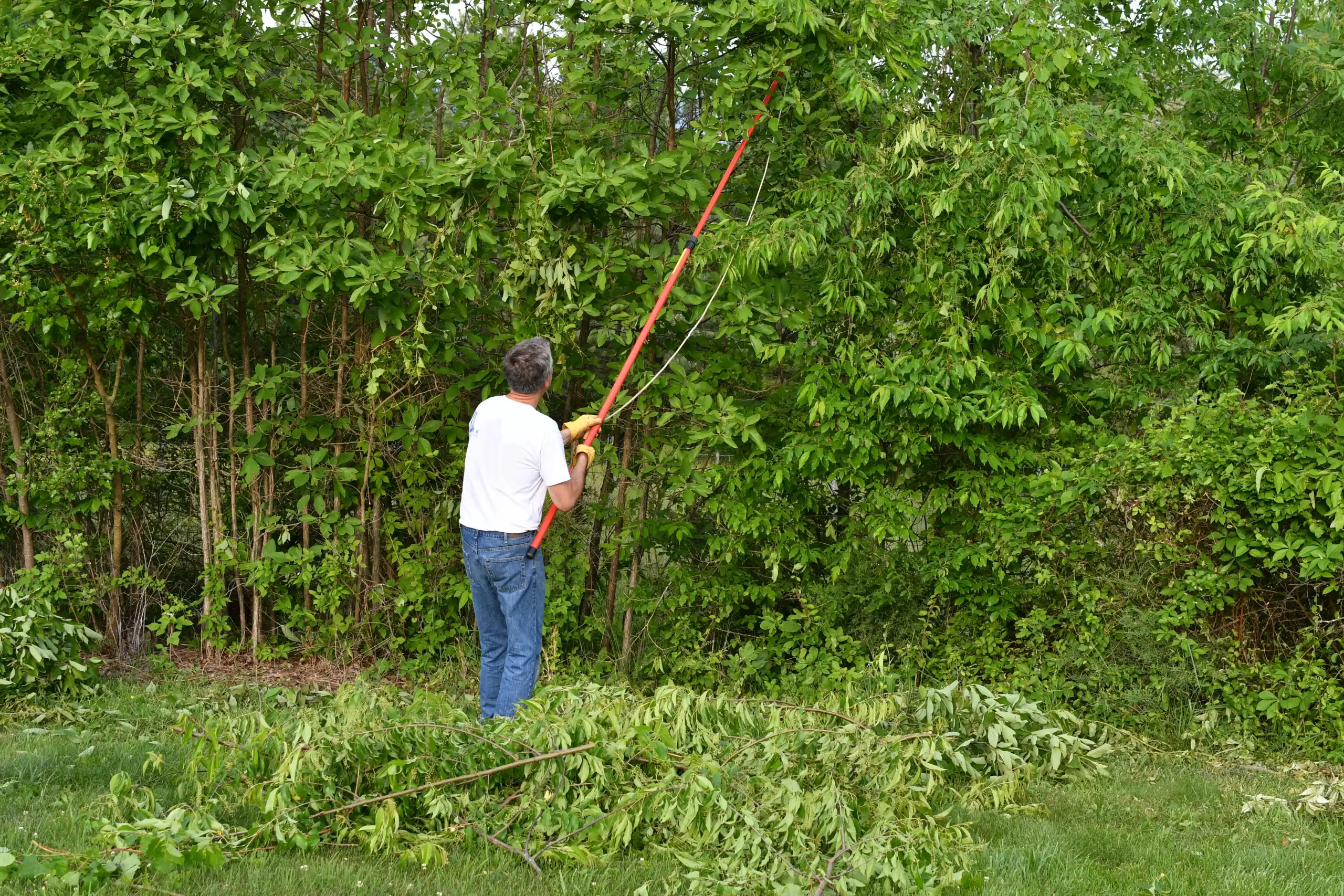
First, we walk your property. You show us what needs clearing, we look at the terrain, check for obstacles like stumps or ditches, and figure out the best way to move through it. If there’s anything that needs special attention, we talk through it right then.
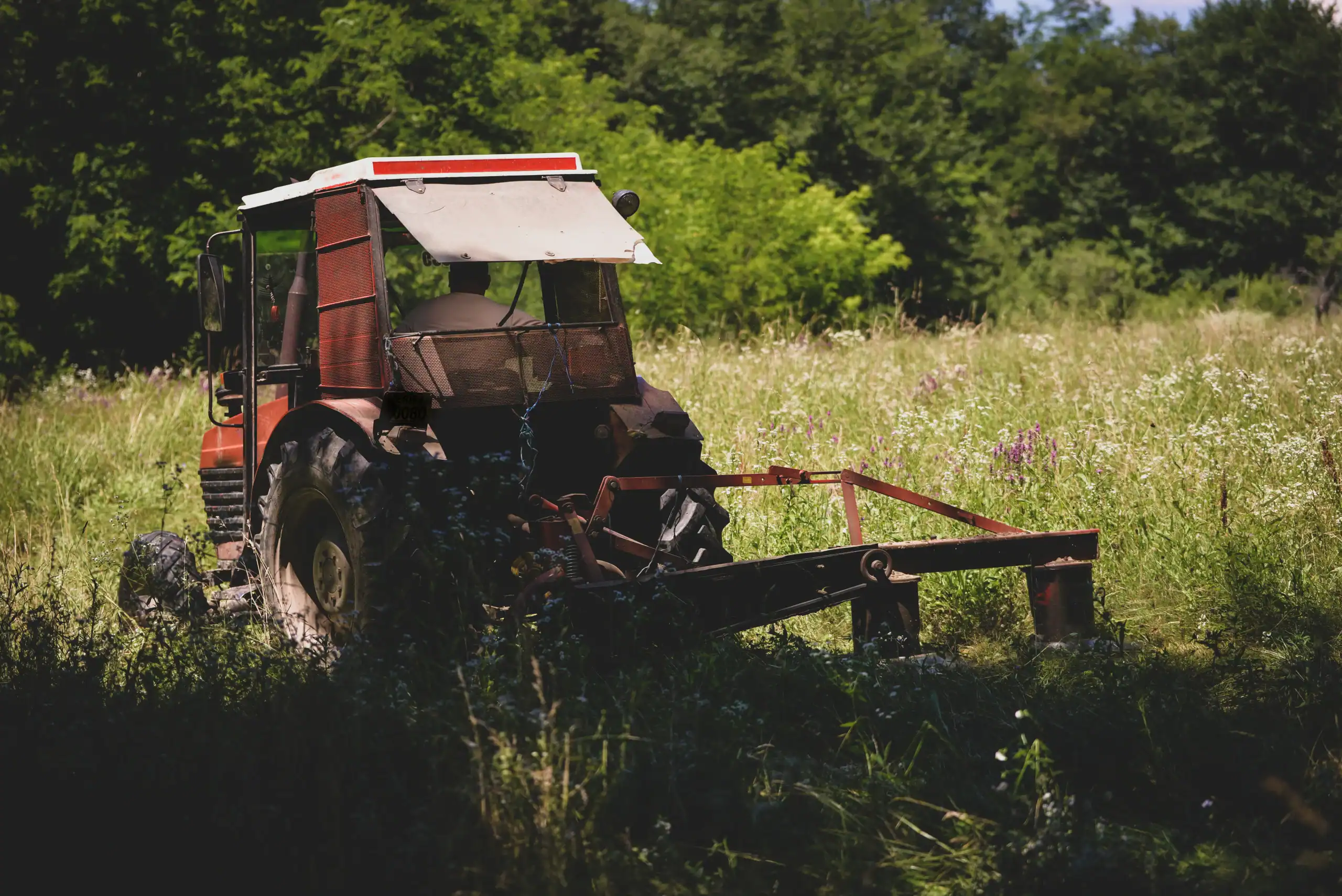
Once we agree on scope and timing, we bring in the equipment. For most jobs, that’s a tractor with a rotary cutter that can handle brush, tall grass, saplings, and light undergrowth. The machine cuts everything down close to the ground and mulches it in place, so you’re not left with piles of debris to haul off.
The job usually wraps in a day or two, depending on acreage and density. When we’re done, your land is cleared, accessible, and ready for whatever comes next. You’ll get a property that’s easier to maintain going forward, especially if you keep up with it once or twice a year.
Ready to get started?
You’re getting more than just someone driving a tractor around. We handle the full scope: brush cutting, tall grass mowing, light tree removal if needed, and mulching everything in place so it breaks down naturally and feeds the soil.
In Haynesville, a lot of properties sit on clay-heavy soil that holds water. That means vegetation grows fast and dense, especially in low-lying areas. We adjust our approach based on what your land does after rain. If there are wet spots, we work around them to avoid rutting. If there’s a slope, we cut strategically to prevent erosion later.
We also create firebreaks if that’s part of your plan. With wildfire risk increasing across Virginia, more landowners are clearing perimeter zones around structures and access roads. Bush hogging is one of the fastest ways to reduce fuel load and give emergency responders a clear path if they ever need it. Whether you’re maintaining a horse farm, prepping a lot for construction, or just trying to keep your acreage from turning into a jungle, this service keeps your property functional and safe.
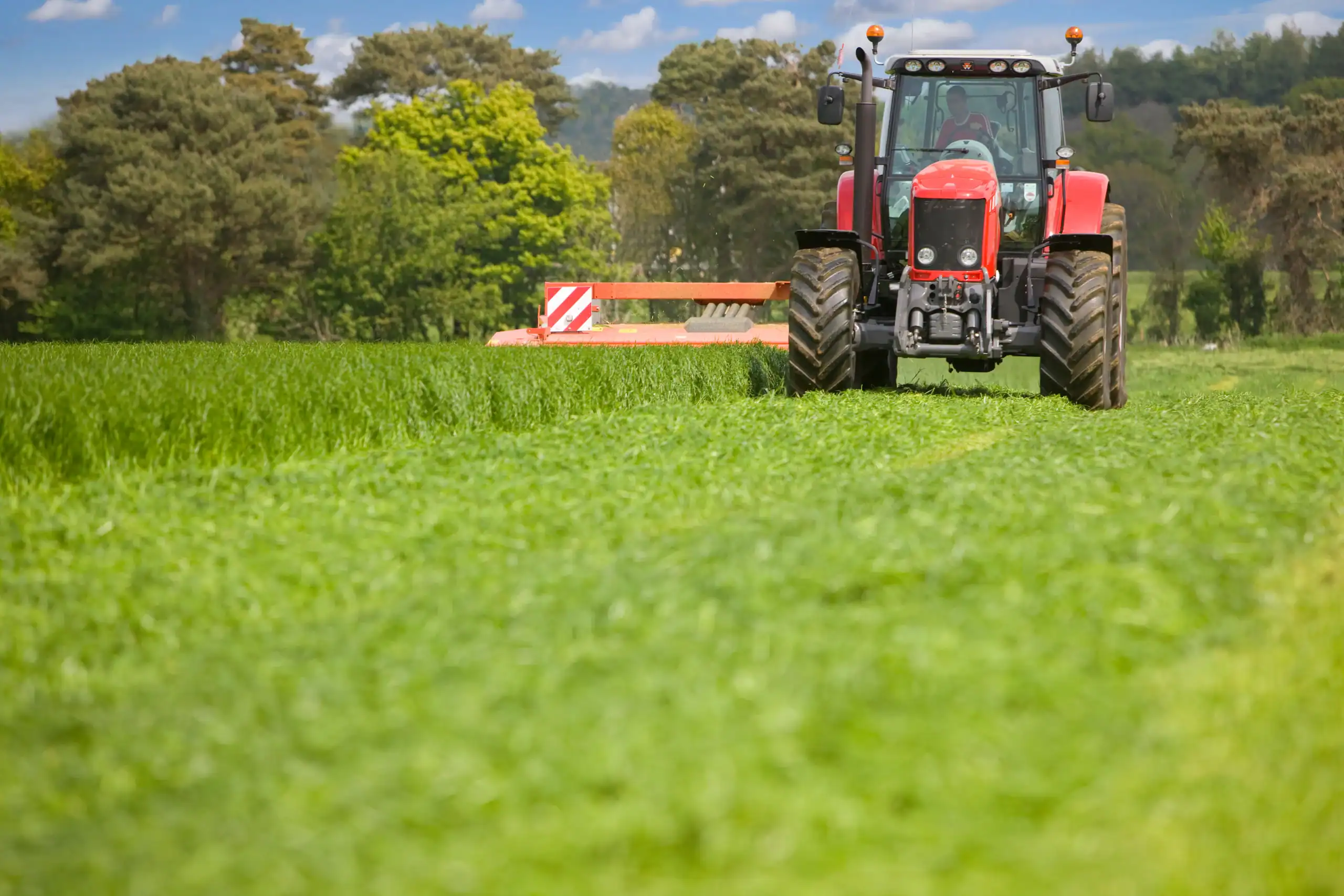
Most jobs run between $100 and $150 per acre, depending on how thick the vegetation is and what kind of terrain we’re working with. Light grass and weeds on flat ground cost less. Dense brush, saplings, or hilly land with obstacles costs more.
If your property hasn’t been cleared in years, expect to be on the higher end of that range. If you’re keeping up with it once or twice a year, you’ll stay closer to $100 per acre. We give free estimates, so you’ll know the exact cost before we start. No guessing, no hourly rates that spiral out of control.
Fall and spring are ideal. In the fall, vegetation has finished its main growing season, so you’re cutting it back before winter and reducing fire risk heading into the dry months. In the spring, you’re getting ahead of the summer growth surge and making the property easier to maintain through the hot months.
You can bush hog in summer, but it’s harder on equipment and the land if it’s too dry. Winter works if the ground isn’t frozen or muddy, but you won’t see as much immediate benefit since most plants are dormant. If you’re trying to reduce fire hazards, fall is your best window. If you’re prepping land for planting or construction, spring gives you a clean slate before things get busy.
Not if it’s done right. The key is knowing when to work and when to wait. If the ground is soaked, heavy equipment can leave ruts and compact the soil. If it’s bone dry and you’re cutting too low, you can scalp the topsoil and create erosion problems.
We check conditions before we start and adjust our approach based on what your land can handle. The rotary cutter we use is designed to mulch vegetation in place, which actually helps the soil by returning organic matter. You’re not stripping the land bare. You’re cutting it back to a manageable height and letting the clippings decompose naturally. Done correctly, bush hogging improves soil health over time and makes future maintenance easier.
Once or twice a year is standard for most properties in this area. If you’re maintaining open land or keeping fire breaks clear, twice a year keeps you ahead of the growth. If it’s a back section you don’t use much, once a year is usually enough.
Properties with heavier clay soil or low-lying areas tend to grow thicker vegetation, so you might need more frequent clearing. Horse farms and agricultural land often go twice a year to keep pastures usable and safe. Residential lots with a few acres might only need it annually unless you’re trying to reclaim overgrown sections. The more you stay on top of it, the easier and cheaper each job becomes.
Bush hogging cuts vegetation down with a rotary mower. It’s fast, cost-effective, and works well for grass, brush, and light undergrowth. The cuttings stay on the ground and decompose. It’s the right tool for maintaining open land or clearing fields.
Forestry mulching uses a different machine that grinds trees, stumps, and heavy brush into mulch. It’s more aggressive and better suited for clearing wooded areas or removing larger vegetation. If you’re dealing with saplings, thick brush, or small trees, mulching might be the better option. If you’re just knocking down tall grass and keeping a field or lot clear, bush hogging is faster and cheaper. We handle both, so if you’re not sure which one fits your situation, we’ll walk the property and recommend the right approach.
Not unless you want to be. Most customers show us the property during the estimate, point out any areas to avoid or pay special attention to, and then let us handle it from there. As long as we have clear access and know where the property lines are, we can work without you being on-site.
If there are specific concerns like underground utilities, septic systems, or areas with hidden obstacles, it helps to walk through those with us beforehand. Once we know what to watch for, we take care of the rest. We’ll let you know when we’re starting and when we’re done. If anything comes up during the job, we’ll reach out. Otherwise, you can go about your day and come back to a cleared property.
Other Services we provide in Haynesville