
Overgrown fields don’t just look bad. They create real problems: fire hazards from dry brush, pest infestations in thick vegetation, and property that’s impossible to use or sell.
Bush hogging cuts through all of it. Heavy equipment handles what a lawn mower can’t touch—saplings, thick weeds, brambles, and brush up to several inches thick. The result is cleared land you can actually walk on, build on, or maintain without risking injury or equipment damage.
You also reduce risk. Removing dense, dry vegetation lowers fire danger, especially during Virginia’s hot summers. Clearing brush eliminates hiding spots for snakes, rodents, and ticks. Your property becomes safer for family, neighbors, and future buyers.
And it happens fast. Professional crews with commercial-grade equipment clear an acre in about an hour, depending on terrain and thickness. You’re not spending weekends fighting overgrowth or risking injury on rented equipment you don’t know how to operate.
We’ve been clearing land in Heathsville and across the Northern Neck since 2003. We know how coastal weather, seasonal flooding, and sandy soil affect property maintenance here. We’ve seen what happens when brush piles up after a wet spring or how quickly fields turn into fire hazards by late summer.
Our crew is licensed, bonded, and insured. We run commercial-grade equipment built for tough jobs—tractors, heavy-duty cutters, and trucks designed to handle rural terrain. You’re not getting a guy with a brush hog attachment on a riding mower.
We live here. We work here. We understand what Northumberland County property owners deal with because we’ve been solving these problems for over two decades.
First, we walk your property. We’re looking for hidden obstacles—old fence wire, concrete chunks, stumps, debris that could damage equipment or slow the job. This also tells us how thick the growth is and what equipment we’ll need.
Then we clear. Our crew uses heavy-duty rotary cutters that handle brush, saplings, and tall grass up to several inches thick. We work in passes, cutting everything down to a manageable height. Depending on your goals, we can leave mulched material on-site to decompose naturally, or we can remove it entirely.
After clearing, you’ll have land that’s accessible and usable again. If you need follow-up maintenance—like a second pass later in the season or regular mowing to keep growth under control—we can schedule that too. Some properties need one clearing. Others need seasonal maintenance, especially if you’re managing pasture or preventing regrowth on vacant land.
We haul our own equipment, handle the labor, and leave your property in better shape than we found it. No hidden obstacles left behind, no half-finished job.
Ready to get started?
You’re getting commercial mowing that handles what residential equipment can’t. That means cutting through brush, tall grass, weeds, brambles, and small saplings across large areas—fields, vacant lots, overgrown pastures, and properties that haven’t been maintained in years.
In Heathsville, properties often deal with thick growth after wet springs, coastal humidity that accelerates vegetation, and sandy soil that makes certain areas harder to manage. We account for all of it. Our equipment is built for uneven terrain, thick vegetation, and the kind of overgrowth that comes from neglect or seasonal weather patterns common to Northumberland County.
We also handle lot clearing for construction prep, firebreak creation around homes and outbuildings, and brush cutting along property lines or access roads. If you’re preparing land for sale, restoring old farmland, or just trying to reclaim a field that’s been overtaken by weeds, this is the service that gets it done.
You’re not renting equipment, learning how to operate a tractor, or spending weekends on a job that takes us a few hours. We bring the crew, the equipment, and the experience to clear your land safely and efficiently.
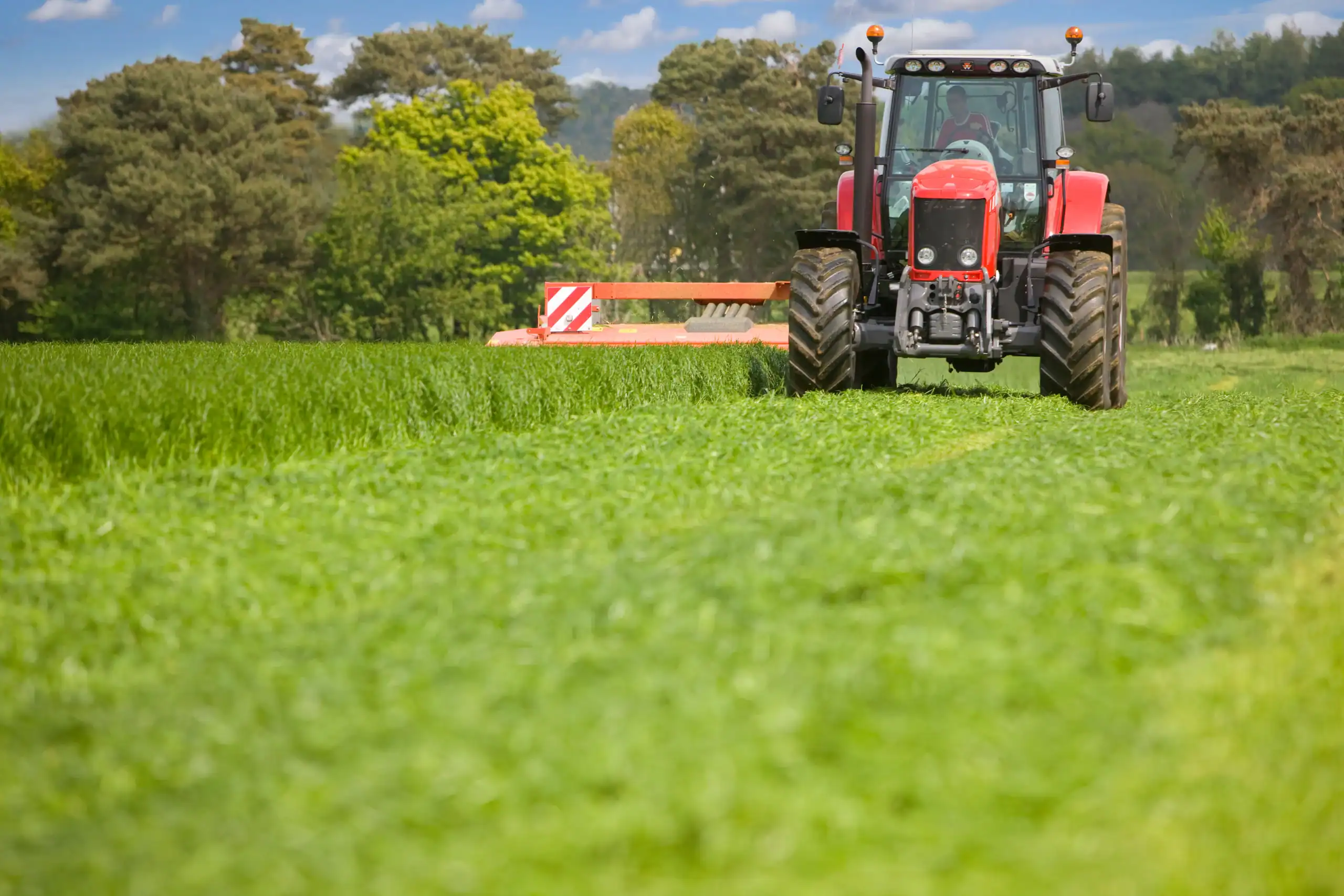
Pricing depends on how thick the growth is, how much land you need cleared, and what obstacles are on the property. Straightforward jobs on flat, open land typically run less per acre than steep terrain with heavy brush and hidden debris.
Most professionals charge by the acre or by the hour. Hourly rates for tractor work with a commercial cutter usually fall between $85 and $120. Per-acre pricing can range from $18 to $75+, depending on difficulty. Light grass and weeds cost less. Dense brush, saplings, and steep slopes cost more.
We assess your property before quoting. That way, you know exactly what you’re paying for and why. No surprises, no vague estimates that change once we show up.
Mid to late summer is ideal for most properties. That’s when weeds and brush are at their thickest, and cutting them back before fall reduces fire risk and prevents seeds from spreading.
In Heathsville, some properties need a second pass. Wet springs and humid summers mean fast regrowth, especially on vacant land or fields that aren’t regularly maintained. If your property floods seasonally or sits near wooded areas, you might need clearing twice a year to stay ahead of overgrowth.
Timing also depends on what you’re planning. If you’re prepping land for construction or sale, clearing should happen before site work begins. If you’re managing pasture, you’ll want to cut before growth gets too thick for livestock to graze. We can walk your property and recommend a schedule based on what we see.
Yes, but it depends on the size of the trees and how dense the brush is. Bush hogging handles saplings, small trees (usually up to a few inches in diameter), and thick undergrowth. If you have mature trees or stumps, that’s a different job—usually forestry mulching or land clearing with heavier equipment.
We’ll assess what’s on your property during the walkthrough. If bush hogging can handle it, we’ll tell you. If you need something more aggressive, we’ll explain what that looks like and whether it makes sense for your goals.
Most overgrown fields, vacant lots, and neglected pastures fall within bush hogging range. If your property has been untouched for years and you’re not sure what’s out there, we’ll figure it out before we start cutting.
Not if it’s done correctly. We know how to read terrain, avoid soft spots, and operate equipment without tearing up the ground. We’re careful around septic systems, utility lines, and areas prone to erosion.
That said, some rutting can happen on wet or sandy soil, especially after heavy rain. If your property has drainage issues or areas that stay soggy, we’ll point that out during the walkthrough and adjust our approach. Sometimes that means waiting for drier conditions or using lighter equipment in sensitive areas.
We also clear obstacles before cutting. Hidden debris—old fence wire, concrete, metal—can damage equipment and create hazards. Removing that first protects both the property and the machinery, so the job goes smoothly and safely.
Not necessarily. As long as we can access the property and we’ve already walked it with you, we can handle the work while you’re gone. Some property owners prefer to be there. Others just want it done and don’t need to supervise.
We do recommend being present for the initial walkthrough. That’s when we identify obstacles, discuss what you want cleared, and answer any questions about the process. After that, if you trust us to do the work and we have clear access, we can schedule the job around your availability.
We’ll communicate before, during, and after. You’ll know when we’re starting, how long it’ll take, and when the job is finished. No surprises, no showing up unannounced.
Bush hogging uses a heavy-duty rotary cutter attached to a tractor. It’s built to handle thick vegetation, uneven terrain, and growth that would destroy a regular lawn mower. You’re cutting fields, not lawns—tall grass, brush, saplings, and weeds across large areas.
Regular mowing is for maintained grass. It’s not designed for overgrown land, thick brush, or anything more than a few inches tall. Forestry mulching is heavier equipment that grinds trees, stumps, and dense brush into mulch. It’s more aggressive and typically costs more.
Bush hogging sits in the middle. It’s more powerful than mowing but less invasive than mulching. If your property is overgrown but doesn’t have massive trees or stumps, bush hogging is usually the right call. It clears land fast, costs less than mulching, and gets your property back to a manageable state without over-clearing.
Other Services we provide in Heathsville