
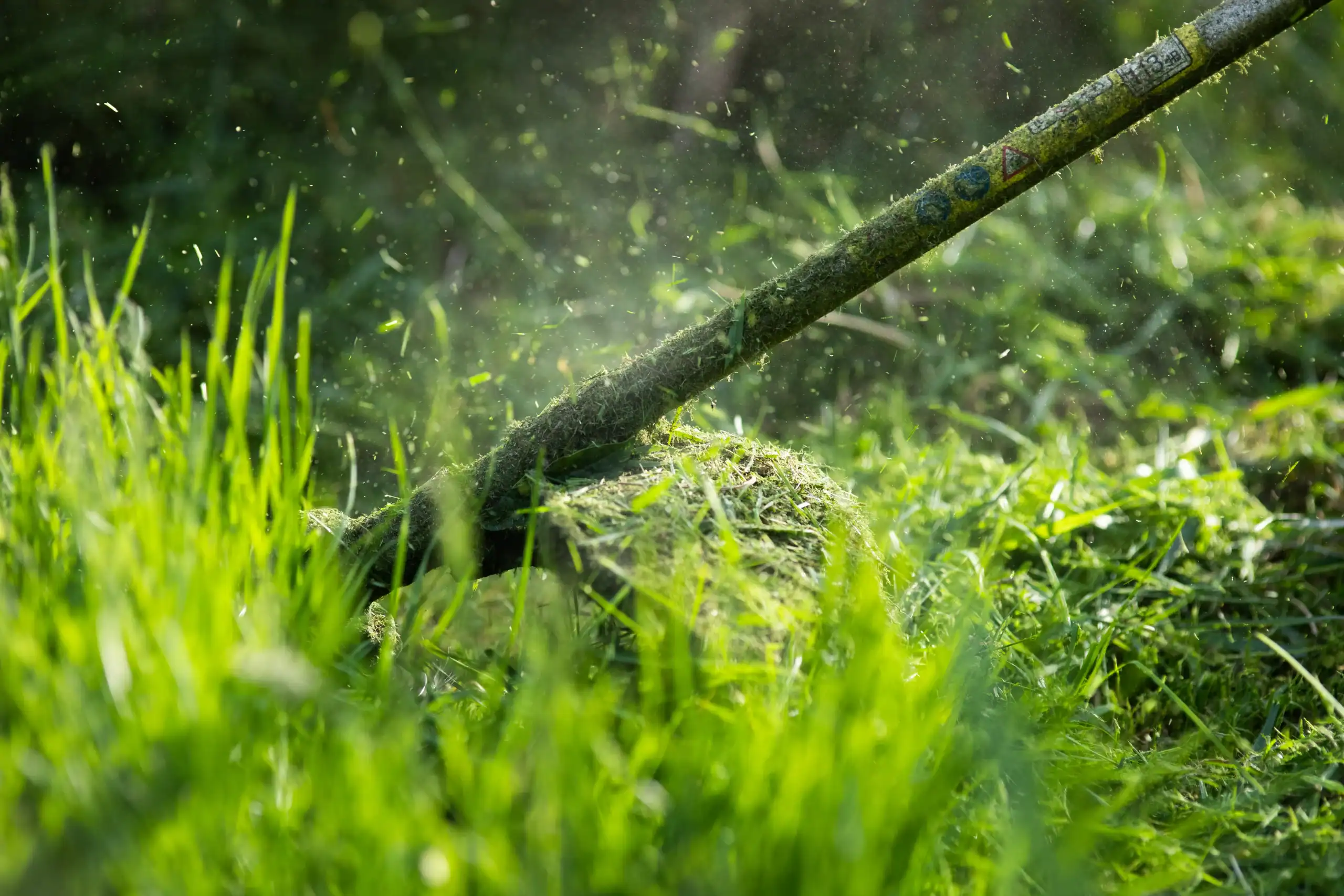
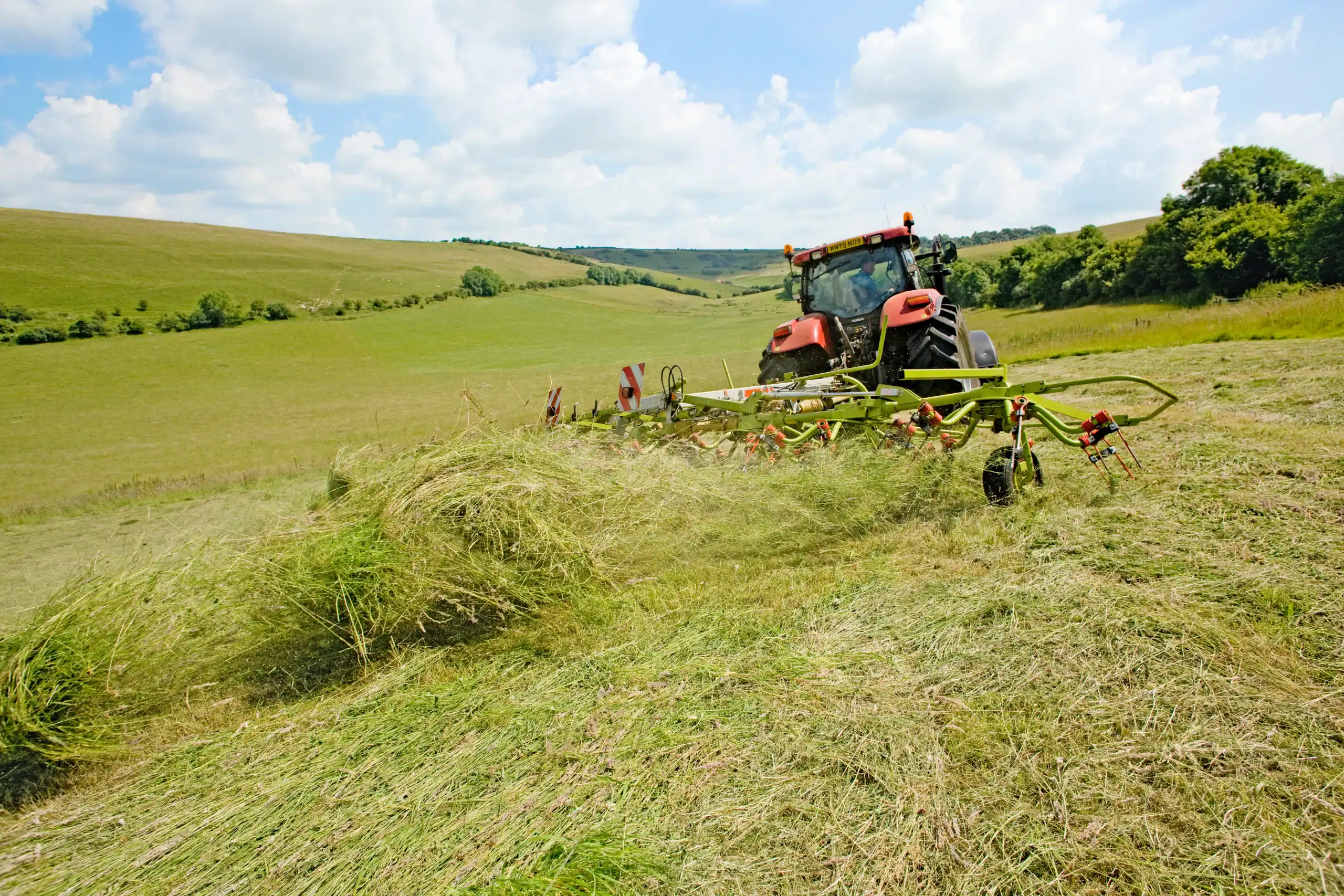
You’ll actually be able to use your land again. That overgrown lot that’s been sitting there collecting brush and becoming a fire hazard gets turned into clear, accessible space you can walk through, build on, or maintain without fighting nature every step of the way.
The difference shows up fast. Where you had waist-high grass, thick underbrush, and small trees taking over, you’ll have clean ground that’s ready for whatever comes next—whether that’s development, farming, creating firebreaks, or just keeping your property looking like someone actually owns it.
This matters in Kilmarnock and the Northern Neck because mother nature doesn’t wait. The coastal climate here means vegetation grows aggressively, and if you don’t stay ahead of it, your property value drops, access becomes impossible, and you’re looking at serious fire risk during dry seasons. Bush hogging handles it before it becomes a bigger problem.
R.E. Douglas Company Inc operates right here in Kilmarnock. We’re licensed, insured, and we understand how Virginia’s coastal climate affects your property—the wet seasons, the drainage issues, the way certain invasive species take hold if you don’t cut them back properly.
We’re not a national franchise or a crew passing through. We know the soil conditions in Lancaster County, the terrain challenges around the Northern Neck, and what equipment actually works when you’re dealing with dense vegetation and uneven ground. That local knowledge means we show up prepared, finish efficiently, and don’t waste your time figuring out what should’ve been obvious from the start.
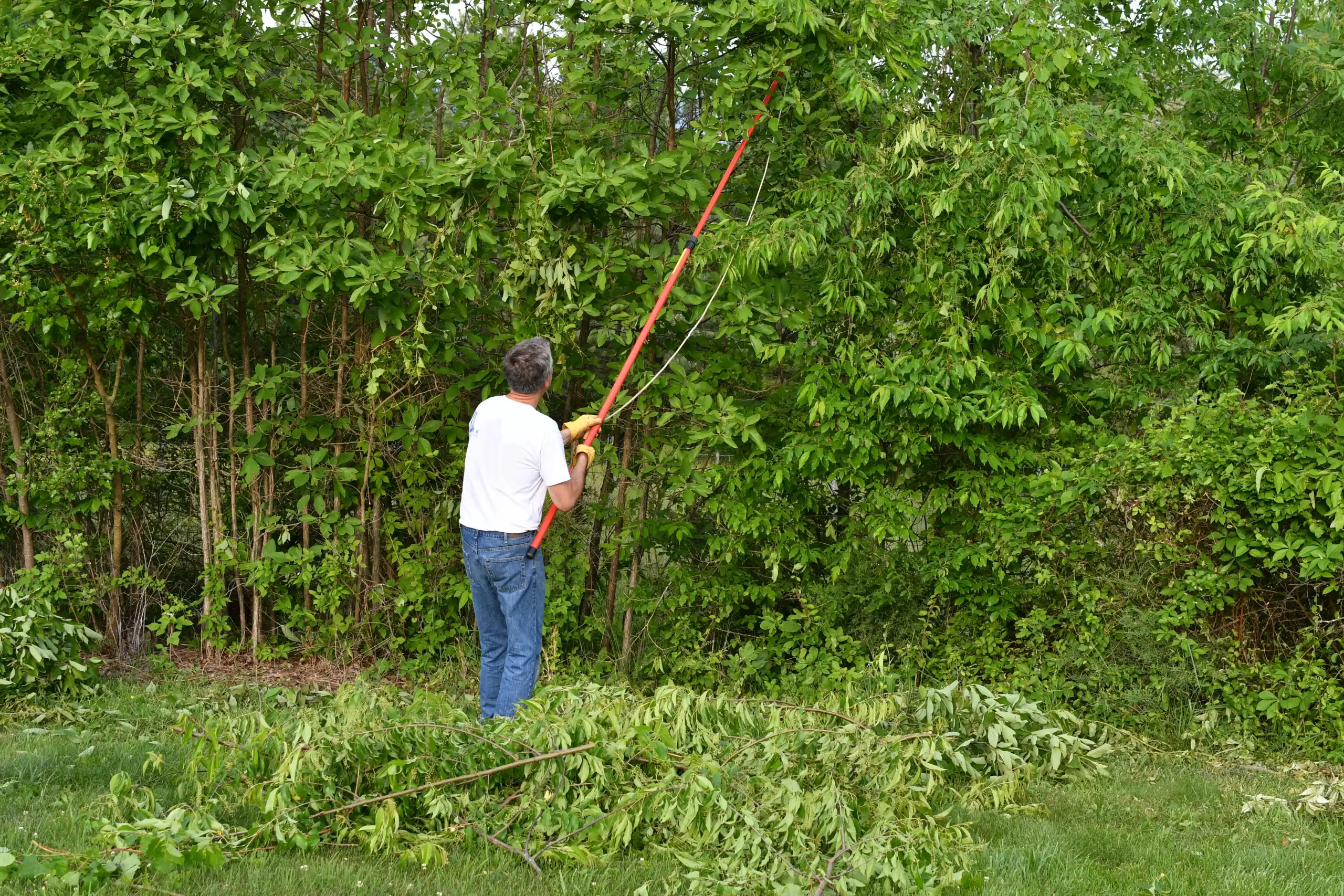
First, we come out and look at what you’re dealing with. We’re checking terrain, vegetation density, access points, and any obstacles that’ll affect how we approach the job. You tell us what you need cleared and why, and we give you a straight answer on what’s realistic.
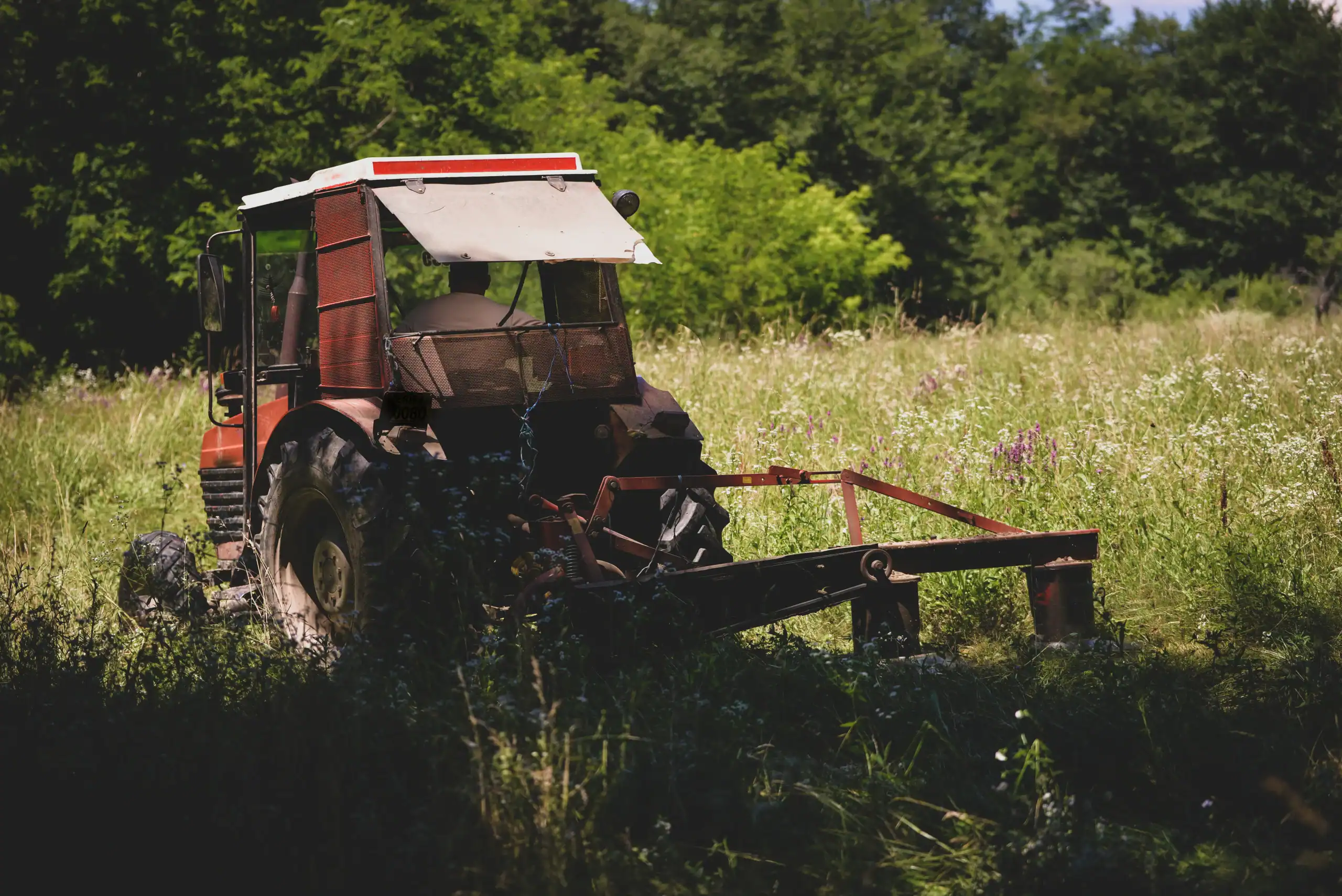
Then we bring in the heavy-duty rotary mowers—actual bush hogs designed to cut through thick brush, tall grass, and small trees without bogging down or leaving half the job unfinished. Our equipment handles rough ground, and our operators know how to work efficiently without tearing up your property or creating new problems.
The clearing happens in passes. We’re cutting vegetation down to ground level, mulching it where appropriate, and making sure the entire area gets uniform coverage. You’re not left with random patches of growth or piles of debris you’ll have to deal with later. When we’re done, you’ve got clear land that’s ready for its next use—and we’ve handled it without dragging the timeline out or requiring you to manage every detail.
Ready to get started?
You’re getting complete brush cutting service—not just a pass with a mower and a wave goodbye. We’re clearing dense underbrush, tall grass that’s gotten out of control, invasive species like cedar trees and Chinese Privet that plague Virginia properties, and small trees that are taking over areas you need accessible.
This applies to residential lots, commercial properties, agricultural land, and development sites throughout Kilmarnock and the Northern Neck region. If you’re preparing land for construction, creating firebreaks, maintaining farm fields, or just trying to reclaim property that’s been neglected, the process is the same: we assess, we clear, and we leave you with usable space.
The reality in this area is that properties get overgrown fast. Virginia’s 39,000 farms cover over 7 million acres, and plenty of that acreage needs regular maintenance to stay functional. Whether you’re among the 20,000+ new and beginning farmers in Virginia trying to get land ready for use, or you’re a homeowner dealing with a lot that’s become a liability, professional bush hogging handles what manual clearing can’t—and does it without eating up weeks of your time or requiring equipment you don’t own.
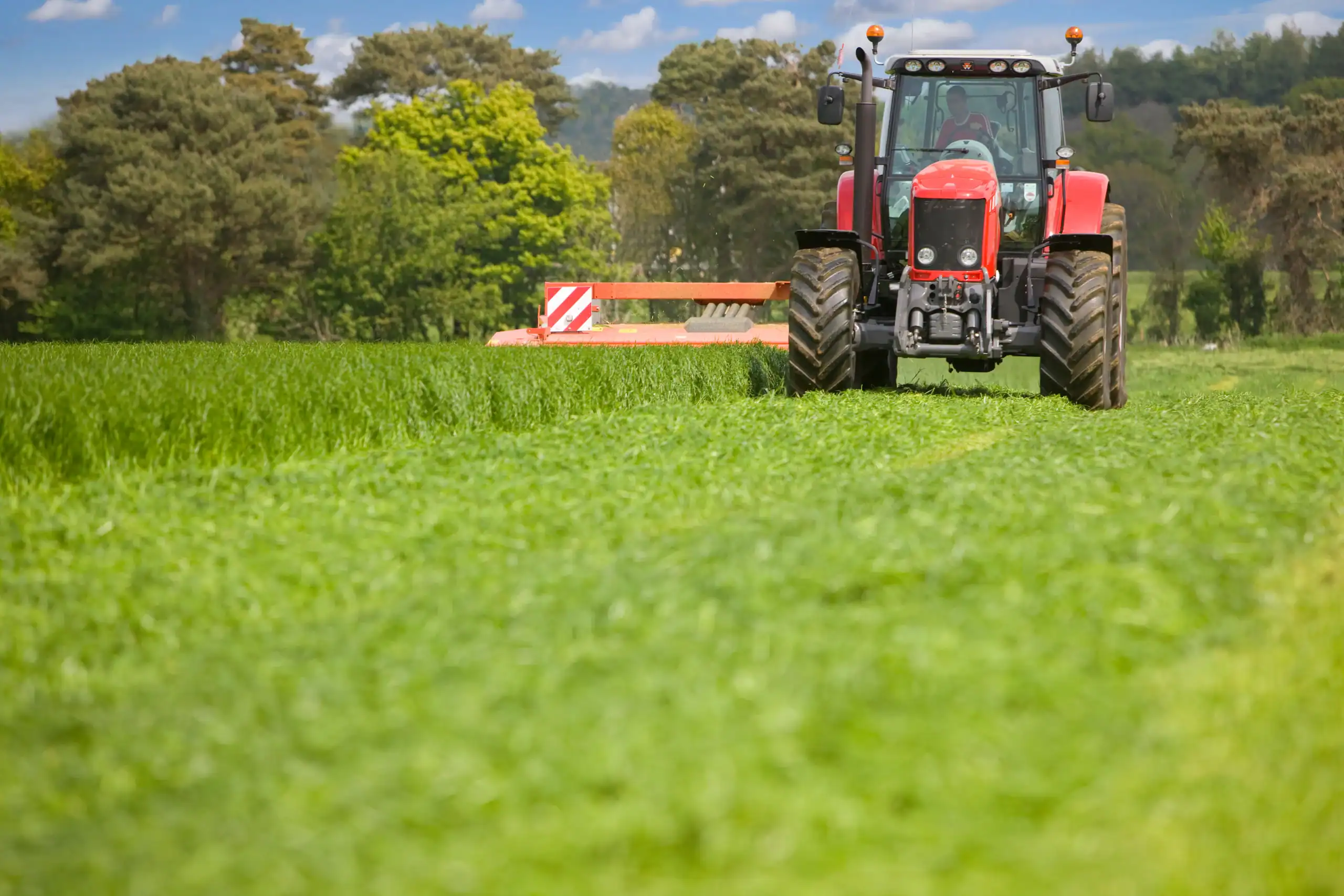
Pricing depends on what we’re cutting through. Relatively open pasture with light grass runs cheaper—industry average is around $100 per acre. But if your property has thick brush, rocks, slopes, or debris, that number goes up because the work is slower and harder on equipment.
Hourly rates typically fall between $85 and $120 for a tractor with a 6-foot cutter, and in ideal conditions we can cover 2 to 3 acres per hour. Tough terrain cuts that pace in half or worse. The honest answer is we need to see your property to give you an accurate number, because quoting blind leads to surprises nobody wants.
What matters more than the per-acre cost is whether the job gets done right. Cheap bush hogging that leaves half the vegetation standing or damages your land costs more in the long run when you have to bring someone else in to fix it.
Bush hogging uses heavy-duty rotary mowers built to cut through thick vegetation, small trees, and rough terrain that would destroy a regular lawn mower. The blades are heavier, the deck is reinforced, and the whole setup is designed for land clearing—not manicured grass.
Regular mowing works for maintained lawns where the grass is a few inches tall and there aren’t obstacles. Bush hogging is what you use when the property is overgrown, when there’s brush and saplings mixed in, or when the ground is uneven and full of rocks or stumps. It’s not about making things pretty—it’s about making them passable.
If you’re looking at waist-high grass, dense underbrush, or land that hasn’t been touched in months or years, you need bush hogging. A regular mower won’t handle it, and trying to force it just breaks equipment and wastes time.
Depends on how fast vegetation grows and what you’re using the land for. In Kilmarnock and the Northern Neck, the coastal climate means aggressive growth—especially during wet seasons. Most properties benefit from bush hogging once or twice a year to stay ahead of it.
If you’re maintaining agricultural land or trying to control invasive species, you might need more frequent clearing. If it’s a residential lot you’re keeping accessible but not actively using, annual service usually works. The key is not letting it get so overgrown that clearing becomes a major project instead of routine maintenance.
Waiting too long creates bigger problems. Vegetation gets thicker, small trees establish deeper roots, and fire hazards increase as dry brush accumulates. Regular bush hogging keeps your property manageable and prevents the kind of overgrowth that tanks property value and limits what you can do with the land.
Yes, but there are limits. Bush hogs can cut through saplings and small trees—usually up to a few inches in diameter depending on the equipment. For invasive species like cedar trees, Chinese Tallow, and Chinese Privet that are common problems in Virginia, bush hogging knocks them back and prevents them from spreading further.
The catch is that cutting alone doesn’t always kill the root system. Some invasive species will regrow if you don’t follow up with additional treatment or repeated clearing. Bush hogging controls the problem and buys you time, but if you’re dealing with a serious infestation, you might need a more comprehensive land clearing approach.
For most properties in the Northern Neck, regular bush hogging keeps invasive growth under control and stops it from taking over completely. It’s effective maintenance that prevents small problems from becoming expensive restoration projects down the line.
When done correctly by experienced operators, yes. Bush hogging clears vegetation without the soil disruption you’d get from bulldozing or the chemical impact of herbicides. The cut material mulches back into the ground, which can actually improve soil health over time as it decomposes.
The risk comes from inexperienced operators who don’t know how to read terrain. Poor technique can cause erosion on slopes, damage tree roots you want to keep, or tear up ground in ways that create drainage problems. That’s why equipment quality and operator experience matter—not just for efficiency, but for protecting your property.
In terms of environmental impact, bush hogging is one of the gentler land clearing methods available. You’re managing vegetation growth without stripping topsoil or introducing chemicals. For properties in Virginia’s coastal areas where drainage and erosion are already concerns, professional bush hogging done right maintains land health while keeping growth under control.
Small residential lots might take a few hours. Larger properties with multiple acres can take a full day or more. The timeline depends on acreage, vegetation density, terrain difficulty, and access—not just how fast we can run the equipment.
If your property is relatively flat with light to moderate brush, we move quickly. If we’re dealing with steep slopes, heavy undergrowth, rocks, or areas where we have to work carefully around structures or trees you want to preserve, it takes longer. Honest contractors account for those variables instead of promising unrealistic timelines.
What you should expect is that we show up when we say we will, work efficiently without cutting corners, and finish the job completely before we leave. Most bush hogging projects in the Kilmarnock area get completed within the initial time estimate because we assess properly upfront and don’t overpromise to win the bid.
Other Services we provide in Kilmarnock