
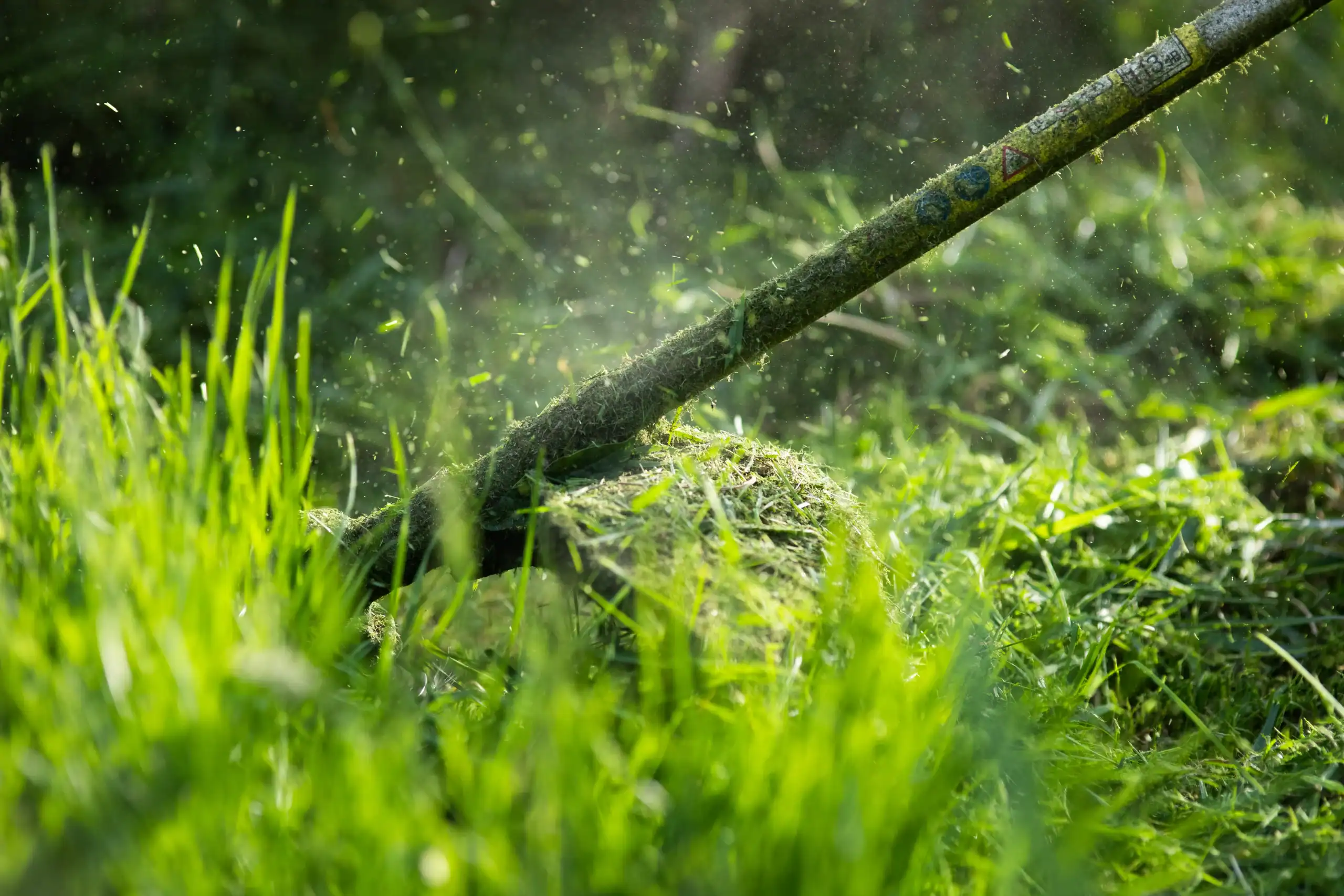
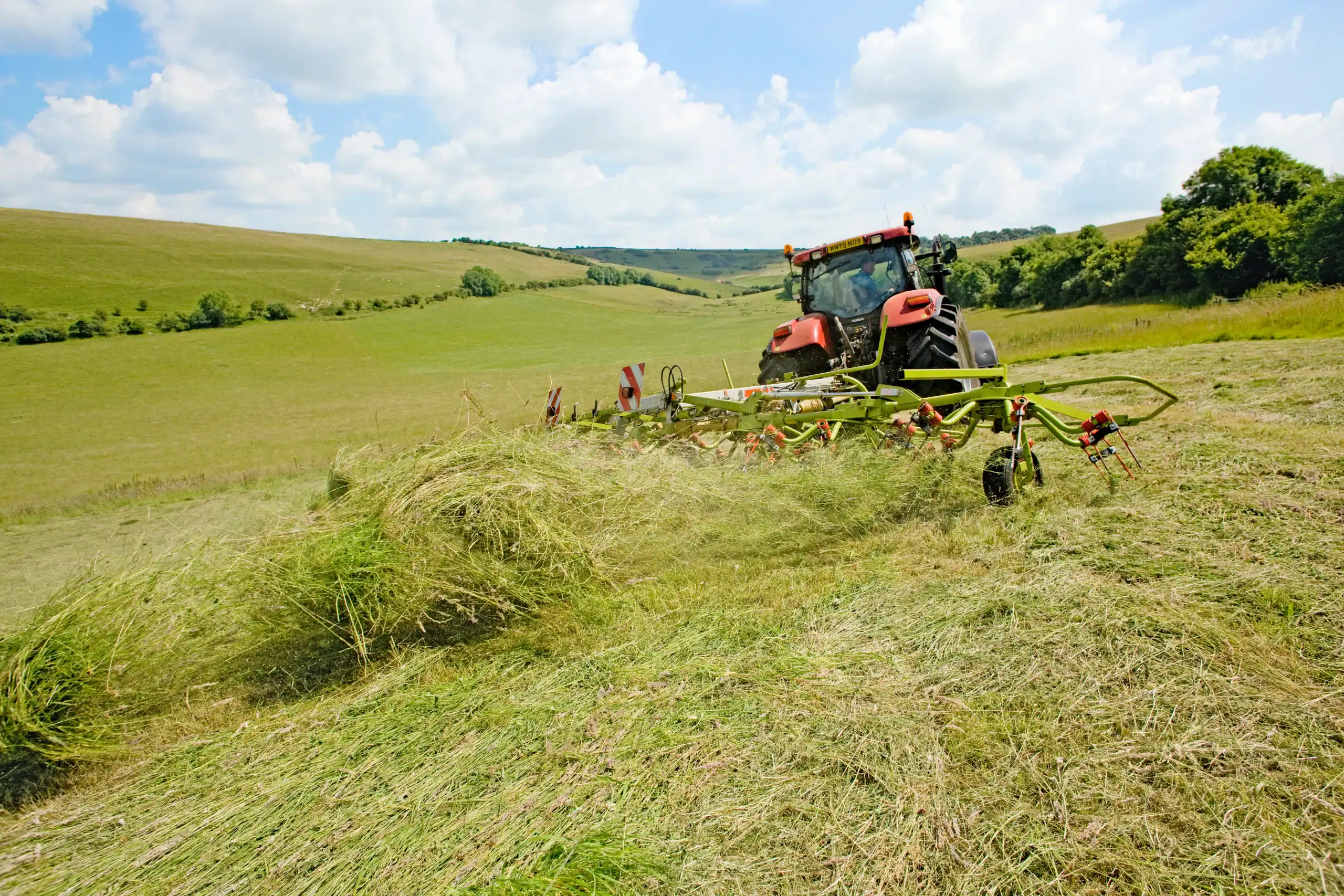
You’ll actually be able to use your land again. That overgrown back lot becomes usable space for farming, recreation, or future development. The thick brush that’s been hiding snakes and ticks is gone.
Fire risk drops significantly when you remove all that dry, dead vegetation sitting around your structures. You’re not just clearing land—you’re creating defensible space that could save your property if wildfire conditions hit the area.
Your property value goes up when buyers or neighbors can actually see clean, maintained land instead of a jungle. The work gets done in hours or days, not the weeks it would take you to hack through it alone with a brush cutter. And the roots stay in the ground, so you’re not dealing with erosion issues down the line.
We’ve been handling excavation and land clearing work in Kinsale and throughout the Northern Neck for over 20 years. We’re licensed, bonded, and insured because we’re working on properties worth half a million dollars or more in this area.
You’re dealing with a company that understands coastal Virginia land. We know what grows here, how fast it takes over, and what equipment actually works in these conditions. We’re not learning on your property.
Our customers stick with us because we show up when we say we will and we don’t leave until the job matches what we agreed on. That’s it. No drama, no surprises on the invoice, no disappearing for weeks between visits.
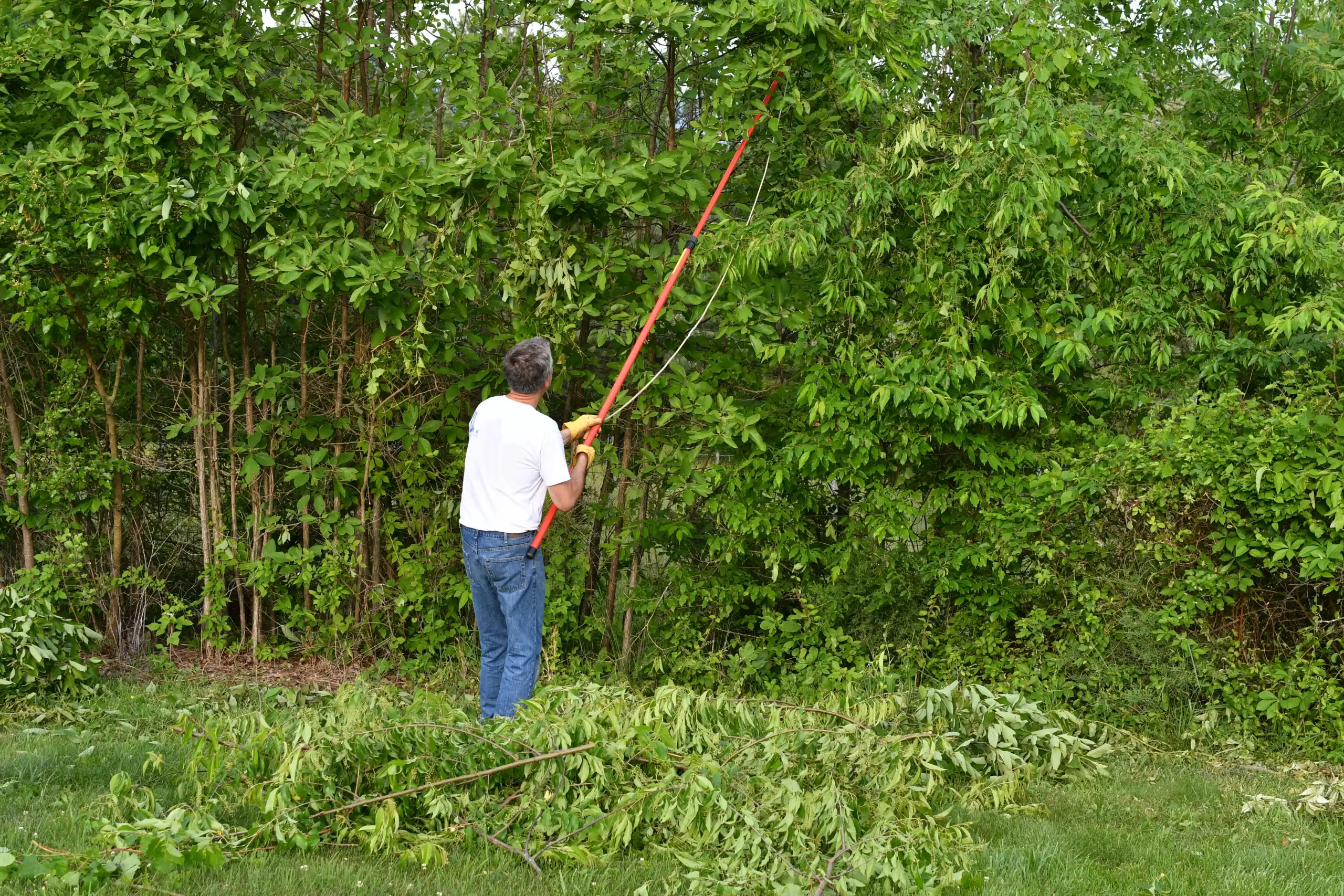
First, we come out to look at your property. We’re checking how thick the vegetation is, what kind of terrain we’re dealing with, and whether there are any obstacles or areas that need special attention. You tell us what you want the land to look like when we’re done.
We give you a clear estimate based on the actual conditions—not a guess over the phone. If you want to move forward, we schedule a time that works for you and show up with the right equipment for your specific job.
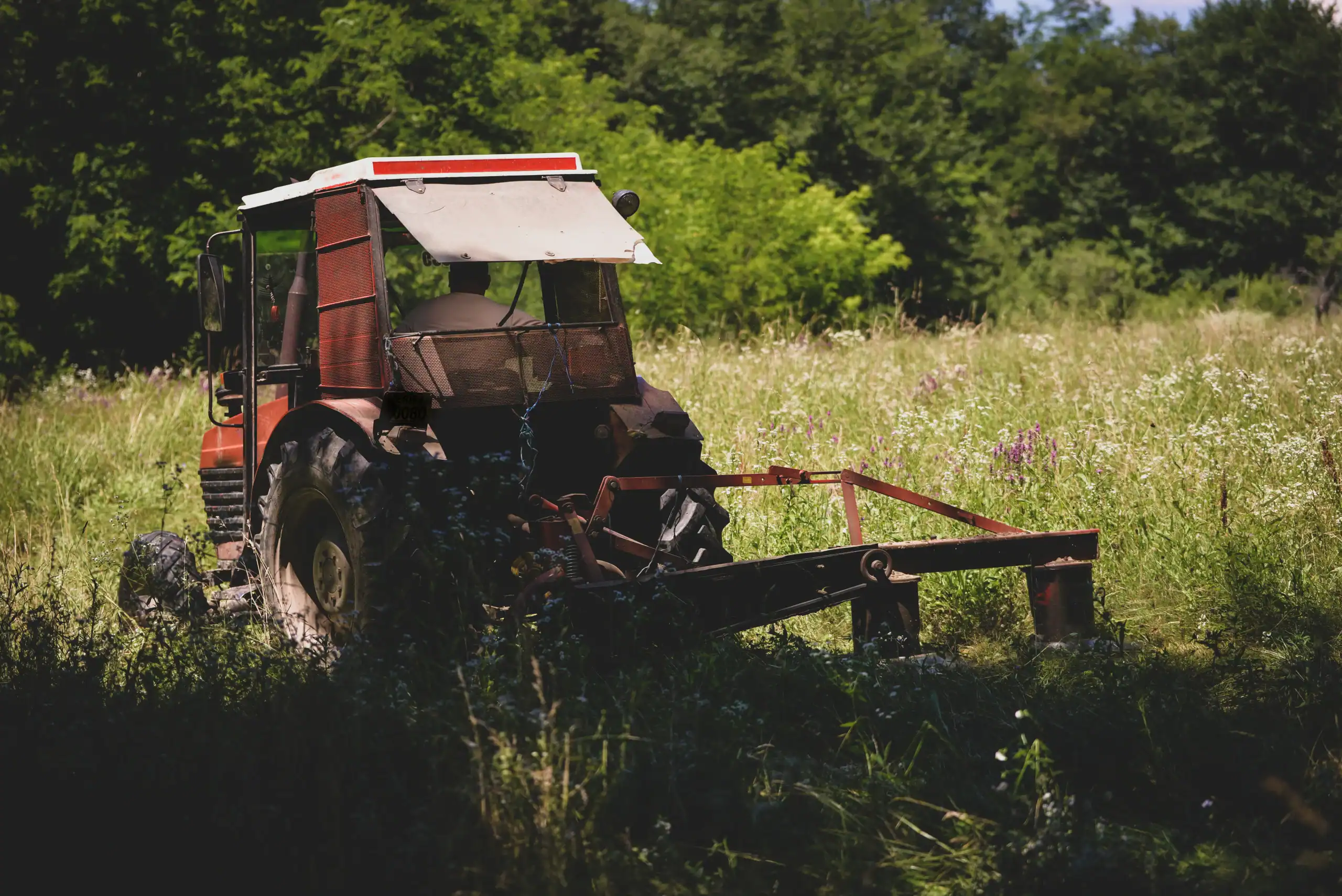
During the work, we’re cutting down tall grass, thick brush, and small saplings. The vegetation gets mulched down and left on the ground where it breaks down naturally and feeds the soil. We’re not piling debris or creating burn piles unless that’s specifically what you want.
When we finish, you get a final walkthrough. We make sure you’re satisfied with how it looks and that we’ve covered every area we discussed. Then we’re done. Your land is cleared, and you can move forward with whatever you had planned for it.
Ready to get started?
Bush hogging handles the vegetation your regular mower can’t touch. We’re talking about grass that’s waist-high or taller, thick brush, brambles, and small trees up to a few inches in diameter. If it’s been growing unchecked for seasons, that’s exactly what this service is for.
In Kinsale, properties tend to be larger and many are seasonal or investment properties that don’t get regular attention. That means vegetation gets out of control fast, especially during our humid summers. Bush hogging brings it back under control without tearing up the ground the way bulldozers do.
We handle residential lots that have gotten away from homeowners, commercial properties that need field mowing for appearance or code compliance, and land that’s being prepped for construction or farming. The equipment we use is designed for rough terrain and thick growth, so we’re not limited to flat, easy areas.
You’re also getting lot clearing service that reduces fire hazards by removing the dry fuel around your buildings. That matters more than most people realize until they see how fast brush fires move through overgrown areas. We create space between your structures and the vegetation, which gives you a fighting chance if fire conditions develop.
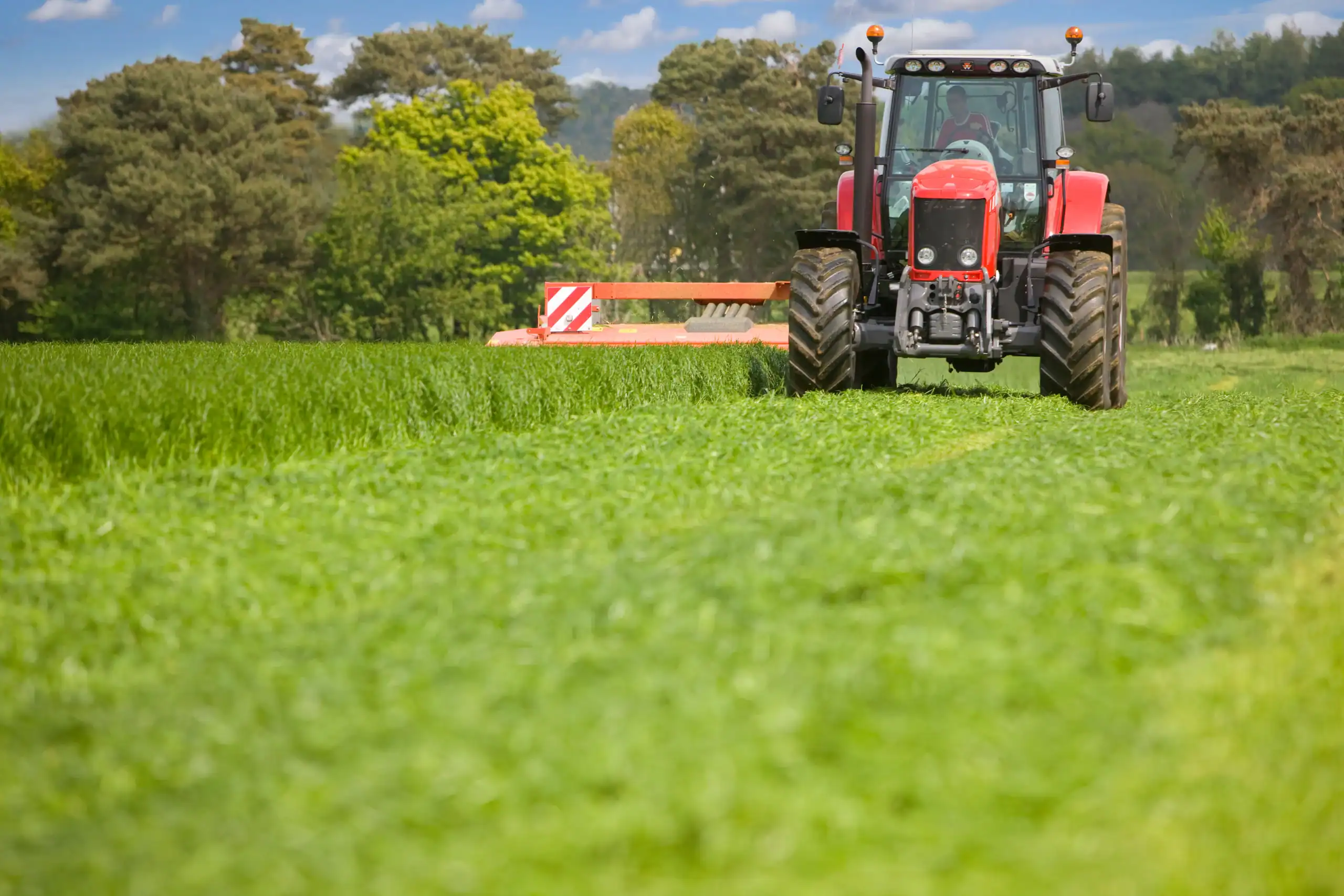
Most bush hogging in this area runs between $60 and $250 per acre, depending on how thick the vegetation is and what kind of terrain we’re working with. Flat land with moderate grass growth costs less. Steep slopes with heavy brush and small trees cost more because the work takes longer and requires more careful equipment handling.
Some companies charge by the hour instead—usually $85 to $120 per hour for tractor time. That can make more sense for smaller areas or jobs where the vegetation thickness varies a lot across the property.
We give you an actual estimate after seeing your land. That’s the only way to give you a real number instead of a range that doesn’t mean much. We’re not going to lowball you to get the job and then hit you with extras once we’re halfway through.
Bush hogging cuts vegetation down and leaves it on the ground as mulch. It’s faster and less expensive, and it works great for maintaining land that just needs regular clearing. The roots stay in the ground, which prevents erosion and means the soil structure stays intact.
Forestry mulching uses different equipment that grinds everything—including stumps and larger trees—into fine mulch. It’s more thorough and handles bigger material, but it costs more and takes longer. You’d use forestry mulching when you’re clearing heavily wooded areas or need to remove stumps as part of site preparation.
For most residential and commercial properties in Kinsale that just need tall grass mowing and brush cutting, bush hogging is the right call. It gets your land back under control without the expense of bringing in mulching equipment. If you’ve got serious tree clearing to do, that’s when we’d recommend mulching instead.
Summer is ideal because the vegetation is actively growing and the ground is usually dry enough for equipment to work without tearing up the soil. You get longer daylight hours, which means we can cover more ground in a day.
That said, we do bush hogging year-round based on what you need. Spring works well if you’re getting land ready for planting or construction. Fall is good for fire prevention clearing before winter when dead vegetation becomes a bigger hazard.
The worst time is usually late winter or early spring when the ground is saturated. Heavy equipment on wet soil creates ruts and compaction issues that you’ll be dealing with for years. If your land tends to hold water, we’ll tell you straight up if we need to wait a few weeks for things to dry out.
No. That’s actually one of the main advantages of bush hogging over other clearing methods. The cutting deck stays above ground level, so we’re only removing the vegetation itself. The root systems stay intact, which holds the soil in place and prevents erosion.
Compare that to bulldozing, where you’re scraping away topsoil along with the vegetation. You end up with bare dirt that washes away in the first heavy rain. Bush hogging leaves the ground structure alone while clearing what’s growing on top of it.
The mulched vegetation we leave behind also breaks down over time and adds organic matter back into your soil. You’re not depleting the land—you’re maintaining it in a way that actually improves soil health over the long term. That matters if you’re planning to use the property for farming, gardening, or just keeping it in good condition.
Most properties in Kinsale need bush hogging once or twice a year to stay ahead of the growth. If you’re maintaining land that’s already under control, once a year is usually enough. If you’re dealing with aggressive vegetation or you want the property to look manicured, twice a year makes more sense.
Properties that sit vacant or are only used seasonally tend to need more frequent attention because nobody’s there to catch problems early. By the time you notice the growth is out of control, you’re looking at a bigger job than if you’d stayed on a regular schedule.
The cost of regular maintenance is a lot less than letting it go for years and then needing forestry mulching or extensive clearing work. We’ve seen properties that needed $5,000+ in clearing work that could have been maintained for a few hundred dollars a year. It’s your call, but staying ahead of it saves money and headaches.
Yes. We work around obstacles all the time—trees you want to keep, outbuildings, fences, septic system components, and anything else that needs to stay protected. That’s part of the job and part of why you hire professionals instead of trying to rent equipment and do it yourself.
We’ll talk through any concerns during the initial walkthrough. If there are areas that need extra care or hand trimming after the bush hogging is done, we’ll let you know upfront. Most of the time, we can get close enough with the equipment that you don’t need additional work.
The key is communication before we start. Show us what matters to you, and we’ll make sure it’s protected. We’ve been doing this for over 20 years, so we know how to maneuver equipment in tight spaces without tearing things up. That’s the difference between experienced operators and someone who just bought a tractor.
Other Services we provide in Kinsale