
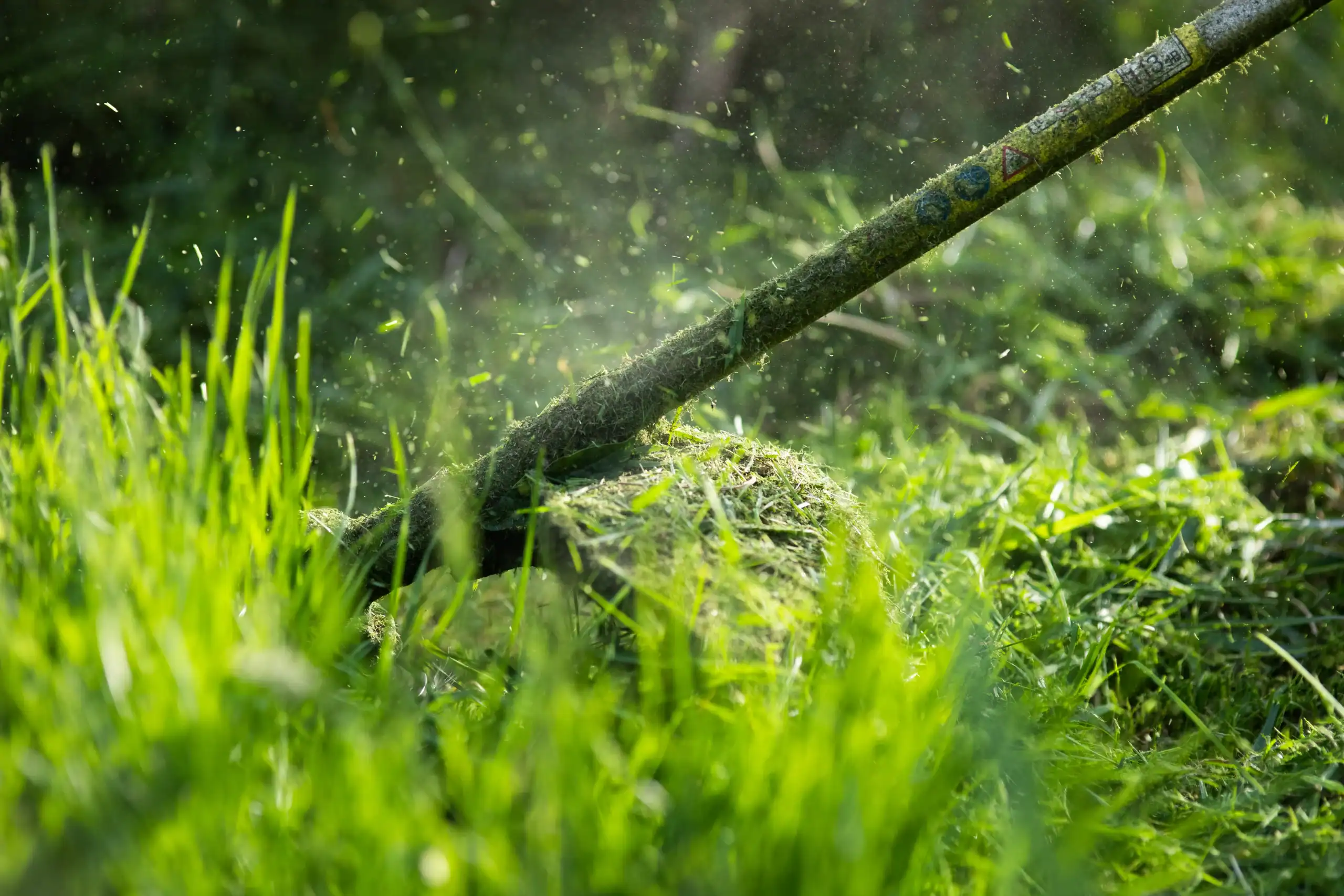
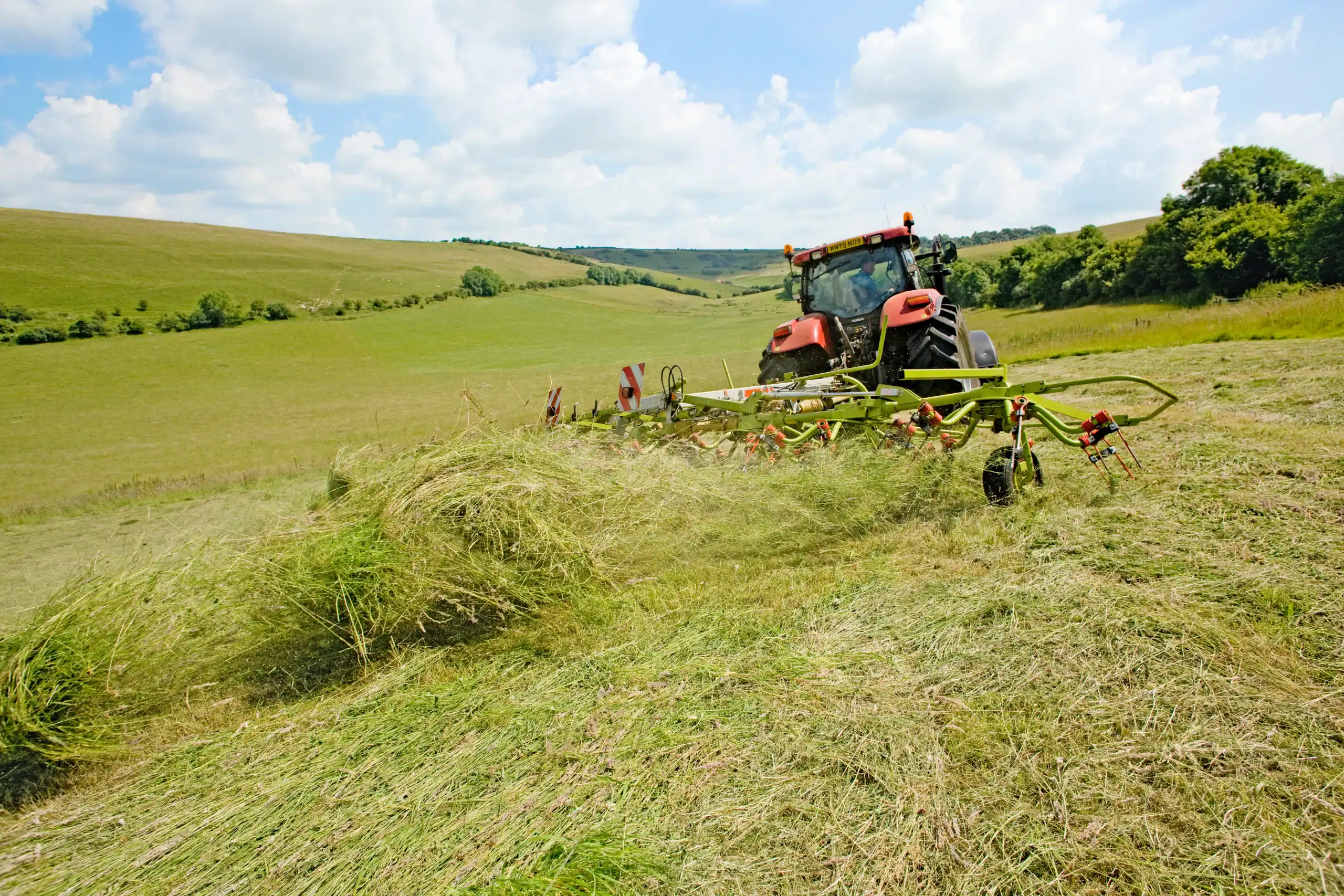
Your overgrown lot becomes usable space again. The brush that’s been creeping toward your house gets knocked back. That section you’ve been avoiding because it’s waist-high weeds and saplings? Cleared down to manageable grass.
Bush hogging cuts through dense vegetation without tearing up your topsoil the way grading does. You’re left with mulched material that breaks down naturally, not piles of debris you need to haul away. If you’re in Lake Caroline and dealing with HOA standards or just want your property to look maintained, this gets it done in a day.
The other thing people don’t think about until it’s too late: fire safety. Dry brush is fuel. One spark during a hot Virginia summer and you’ve got a problem. Clearing that growth creates defensible space around your home and outbuildings.
We’ve been clearing land in Caroline County and the surrounding region for over two decades. We’re not new to this. We know the terrain, the soil types, the vegetation you’re dealing with around Lake Caroline.
You’re working with a crew that shows up with the right equipment and doesn’t need to figure things out on your property. We’ve handled everything from small residential lots to multi-acre commercial sites. Our bush hog equipment is maintained, our operators know what they’re doing, and we guarantee the work.
Most of our business comes from repeat customers and referrals. That doesn’t happen by accident in a community like Lake Caroline where people talk.
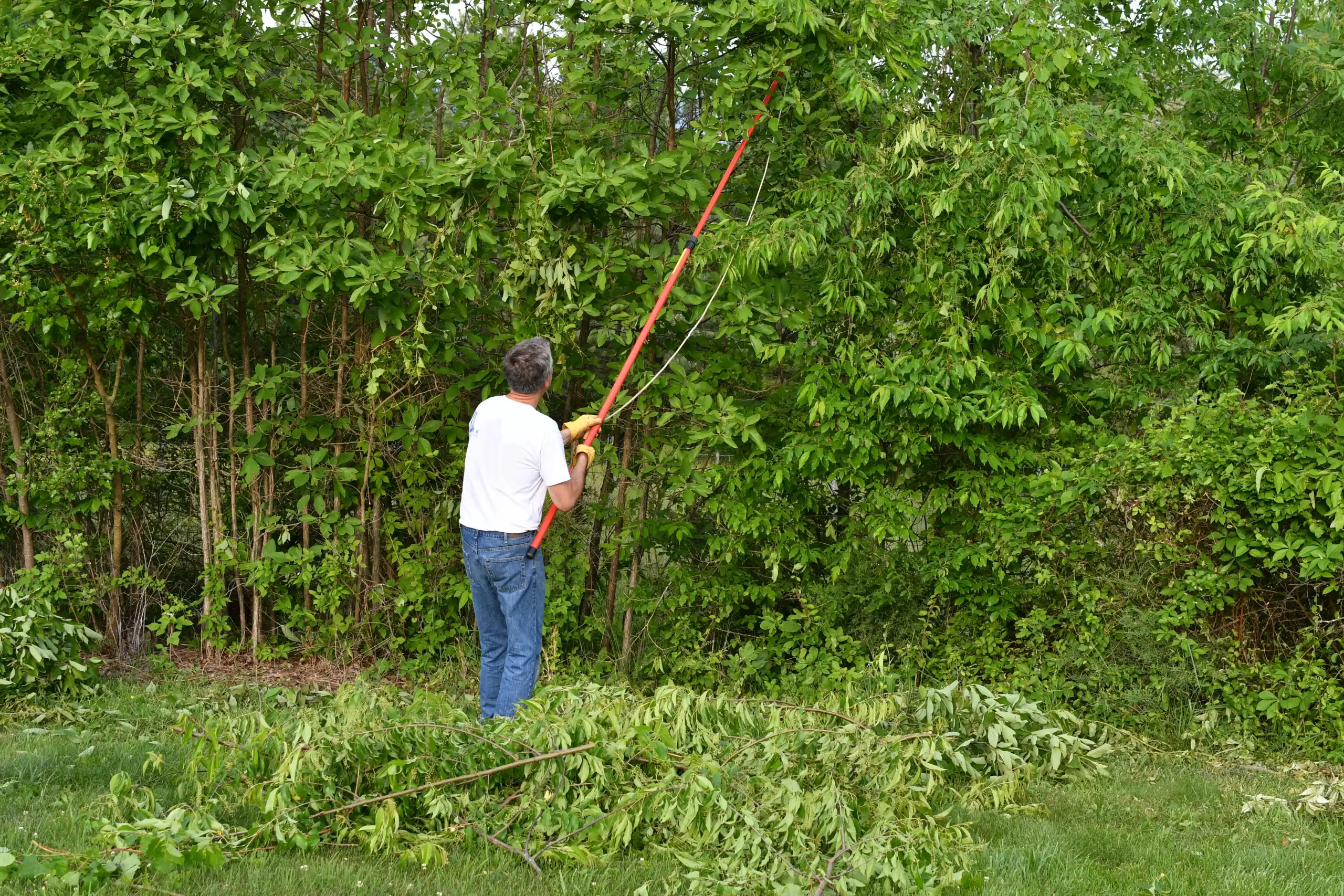
You call or contact us with details about your property—size, what’s growing, what you want cleared. We’ll ask a few questions to understand the scope and give you a realistic estimate. No surprises.
We schedule a time that works for you. Our crew shows up with a heavy-duty bush hog attachment designed for thick brush, tall grass, and small saplings. We walk the property with you first if needed, mark any areas to avoid, and confirm what’s getting cleared.
The actual clearing happens fast. Depending on the size and density, most residential lots in Lake Caroline get finished in a few hours to a day. The bush hog mulches everything as it cuts, so you’re not left with giant piles to deal with. We do a final pass to make sure it’s even, check in with you, and that’s it. Your property is cleared, safer, and ready for whatever comes next—whether that’s maintenance mowing, building, or just having usable land again.
Ready to get started?
You get a full property assessment before we start. We’re looking at what type of vegetation you’ve got, any obstacles, and the best approach for your specific lot. In Lake Caroline, that usually means dealing with a mix of native Virginia brush, invasive species, and overgrown grasses that thrive near the lake.
The bush hogging itself covers everything from ankle-high weeds to saplings up to a few inches thick. If you’ve got larger trees or stumps, that’s a different conversation—but for standard brush clearing and tall grass mowing, the bush hog handles it. We’re cutting and mulching in one pass, which is faster and cleaner than manual clearing.
You also get the benefit of working with a company that carries proper insurance and has been operating in Caroline County for over 20 years. That matters when you’re letting equipment onto your property. We’re not a guy with a tractor trying to make extra cash. This is what we do, and we do it right.
After the job, your property is cleared to the height you specified, debris is mulched down, and you’ve got a maintained look that meets HOA standards if that’s a concern. Most Lake Caroline homeowners are dealing with community guidelines, and we know what that means.
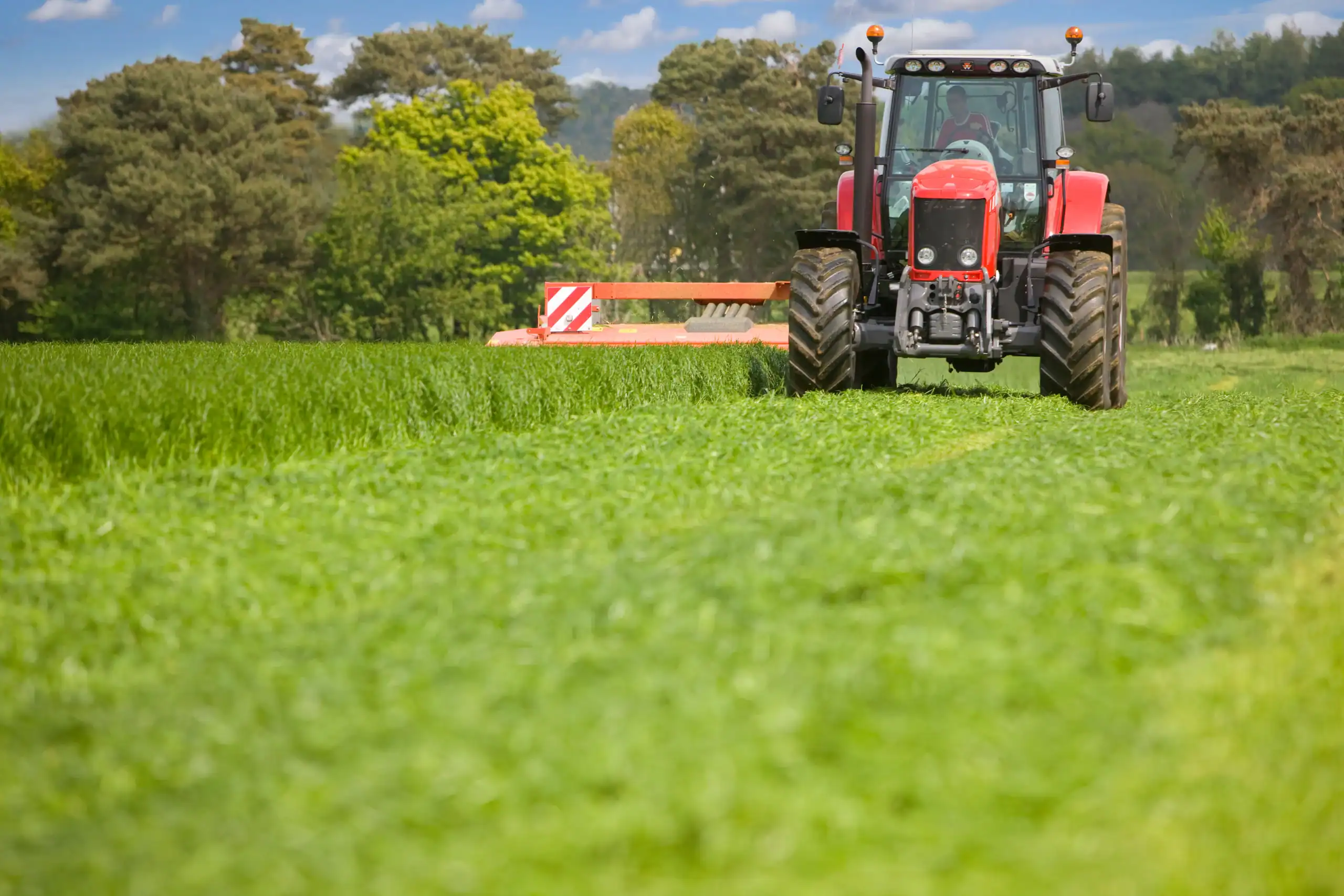
Most bush hogging in Caroline County runs between $75 and $100 per acre for standard residential work. If your lot is smaller, some companies charge hourly—usually $85 to $120 per hour depending on equipment and density of growth.
Here’s what affects the price: how thick the brush is, whether there are obstacles like rocks or stumps, and how accessible your property is. A flat, open lot with tall grass costs less than a heavily wooded area with dense undergrowth and saplings. If we need to work around structures, utilities, or landscaping you want to keep, that takes more time and care.
We give you a clear estimate upfront after understanding your property. No hidden fees, no “we didn’t realize” conversations later. You’ll know what it costs before we start, and that price includes the full clearing and mulching—not just a first pass that leaves you with piles of debris.
Regular mowing is for maintained grass—your lawn, basically. A standard mower can’t handle anything over a few inches tall, and it definitely can’t cut through thick weeds, brush, or saplings. Bush hogging is for everything else.
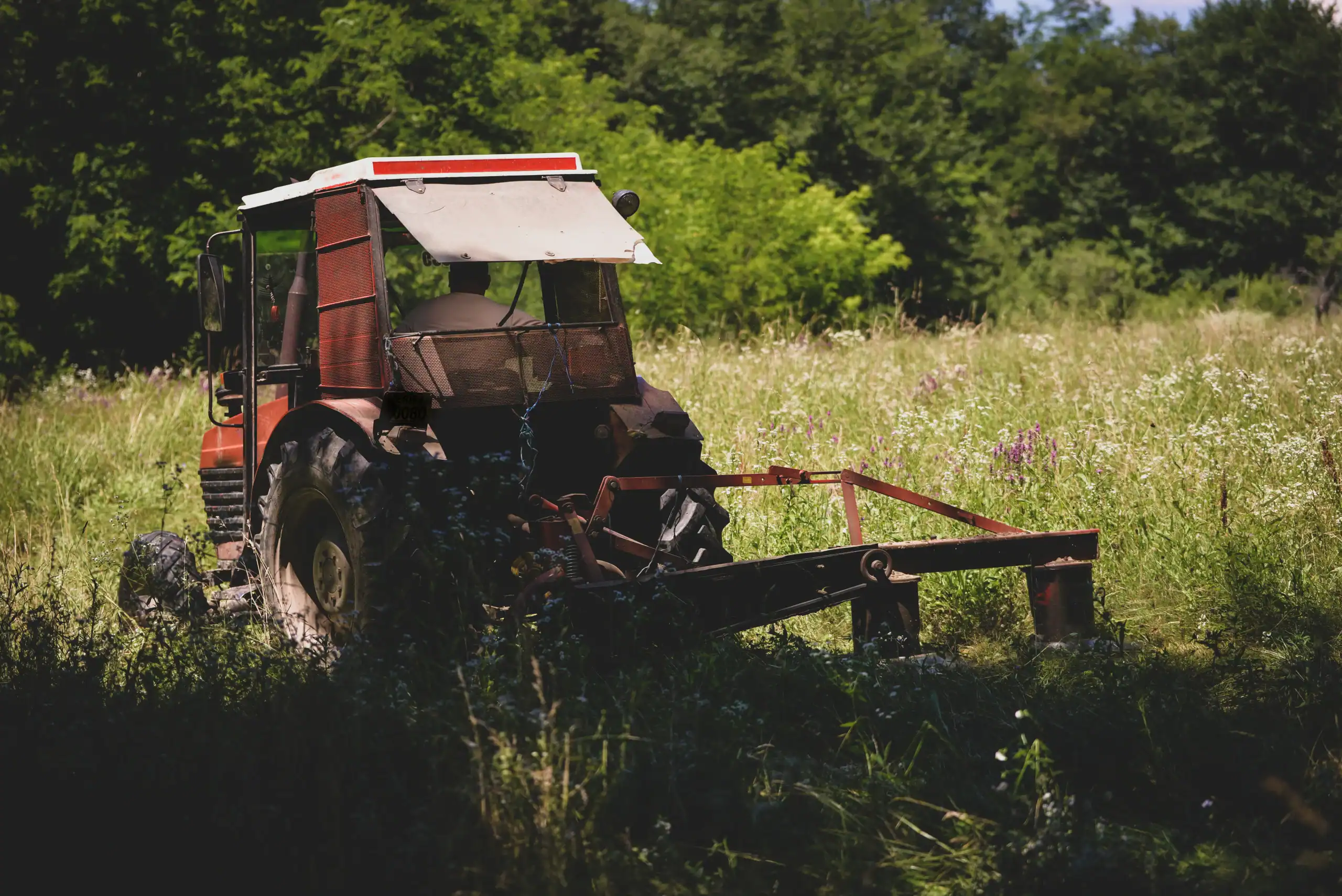
A bush hog uses heavy-duty blades on a reinforced deck, usually pulled or attached to a tractor. It’s built to cut through dense vegetation, small trees, and overgrown areas that haven’t been touched in months or years. The blades spin fast enough to mulch what they cut, so you’re not left with long stalks and piles everywhere.
If your property in Lake Caroline has sections that are overgrown to the point where you can’t walk through them, or if you’re dealing with waist-high weeds and brush, you need bush hogging. A regular lawn mower won’t touch it, and trying to use one will just break the equipment. Bush hogging clears it down to a manageable height so you can either maintain it with regular mowing after or leave it as cleared land.
It depends on what’s growing and what you’re using the land for. Most residential properties in Lake Caroline that want to stay ahead of overgrowth do it once or twice a year—usually late spring and early fall. That keeps brush and tall grass from taking over.
If you’re dealing with fast-growing invasive species or you’ve got a lot that backs up to wooded areas, you might need it more often. Some people do it three times during the growing season to maintain a clean look and stay compliant with HOA rules. If fire safety is a concern, clearing before summer is smart—dry brush is a hazard during hot months.
On the other end, if you’ve got a larger property and you’re just trying to keep certain sections clear for access or aesthetics, once a year might be enough. The key is not letting it go so long that you’re dealing with thick saplings and woody growth. That takes more time and costs more to clear. Regular maintenance bush hogging is faster and cheaper than reclaiming land that’s been neglected for years.
No, not if it’s done right. Bush hogging cuts vegetation at ground level and mulches it—it doesn’t dig into the soil or tear up roots the way grading or plowing does. Your topsoil stays intact, which is important if you want grass to grow back or if you’re concerned about erosion.
The mulched material that’s left behind actually benefits the soil. It breaks down over time and adds organic matter back into the ground. You’re not stripping the land bare, you’re just knocking back the overgrowth. That’s why bush hogging is a good option for properties in Lake Caroline where you want to maintain the natural landscape without destroying it.
That said, if the ground is soaking wet or if there are hidden obstacles like large rocks or old stumps, there’s potential for ruts or equipment issues. That’s why we walk the property first and assess conditions before we start. We’re not running equipment over ground that’s going to cause damage. If conditions aren’t right, we’ll tell you and reschedule. Most of the time, though, bush hogging is one of the least invasive ways to clear land.
Yes. We work around anything you want to protect—trees, landscaping, structures, fences, whatever. You just need to point it out before we start, and we’ll mark those areas or adjust our approach.
Bush hogging is less precise than hand-clearing, so if you’ve got delicate plants or young trees close to dense brush, we’ll talk through the best way to handle it. Sometimes that means clearing most of the area with the bush hog and finishing the edges by hand. Other times it means leaving a buffer zone around things you want to keep.
Most Lake Caroline properties have a mix—maintained areas near the house and overgrown sections toward the back or sides. We clear what needs clearing and leave the rest alone. The key is communication upfront. If you’ve got specific concerns about trees, landscaping, or features on your property, tell us during the estimate. We’ll build the plan around that. We’ve been doing this long enough to know how to work carefully when it matters and move fast when it doesn’t.
Late spring through early fall is ideal—basically May through September. That’s when vegetation is actively growing, and the bush hog can cut through it cleanly. The mulched material also breaks down faster in warm weather, so you’re not looking at dead stalks sitting on your property for months.
If you’re focused on fire safety, you want to clear before summer heat sets in. Dry brush is most dangerous in July and August when everything’s dried out and temperatures are high. Clearing in late spring gives you a defensible space before fire season hits. That’s especially relevant in Caroline County where we get hot, dry stretches.
Fall bush hogging—September or October—is common for people who want to knock back growth before winter and start the next year with a clean slate. The downside is that vegetation isn’t growing as aggressively, so some woody plants are harder to cut. But it’s still effective for most residential clearing. Winter bush hogging is possible if the ground isn’t frozen or too wet, but it’s not ideal. Growth is dormant, and you won’t see the same results. Most people in Lake Caroline schedule bush hogging during the growing season when it’s most effective.