
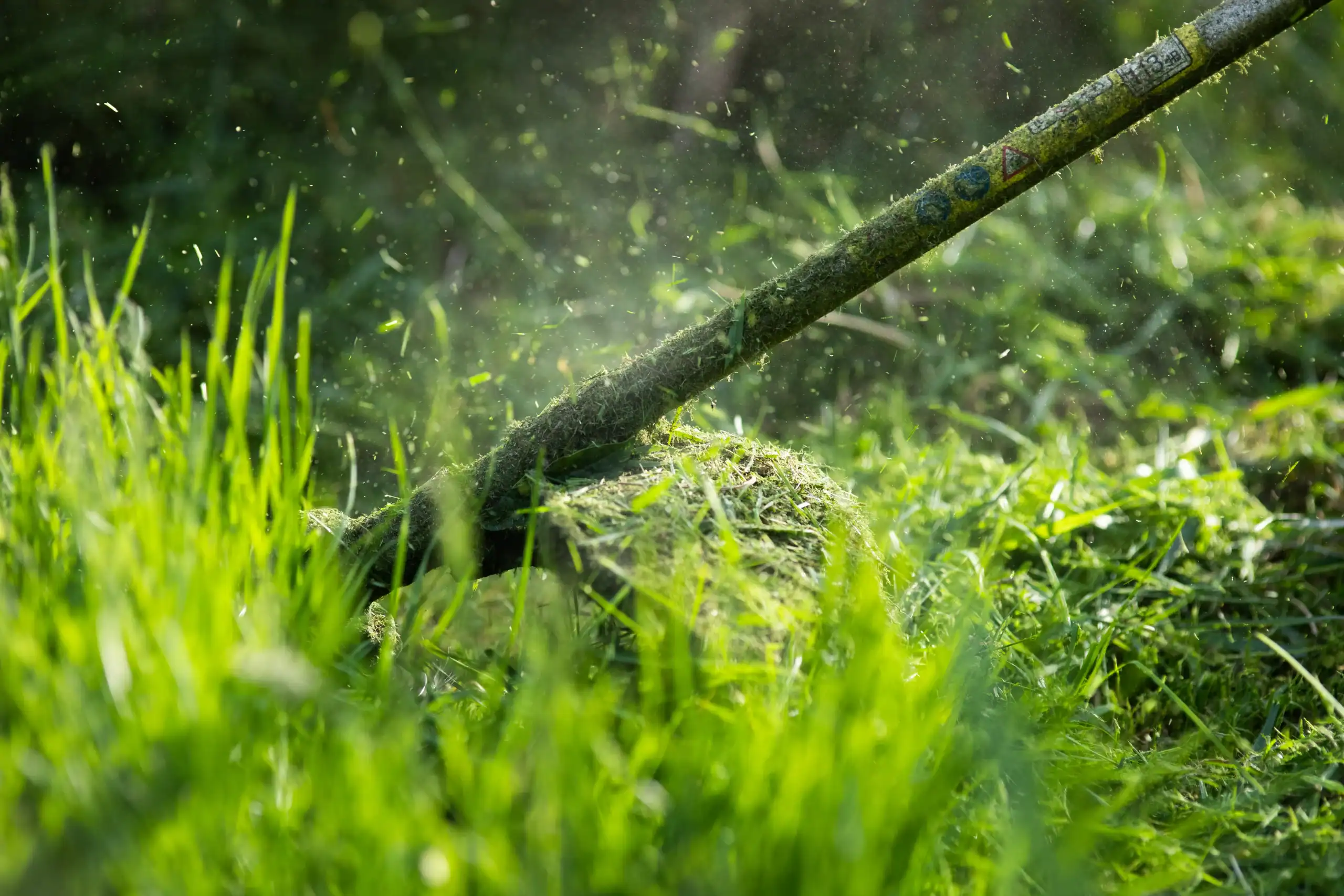
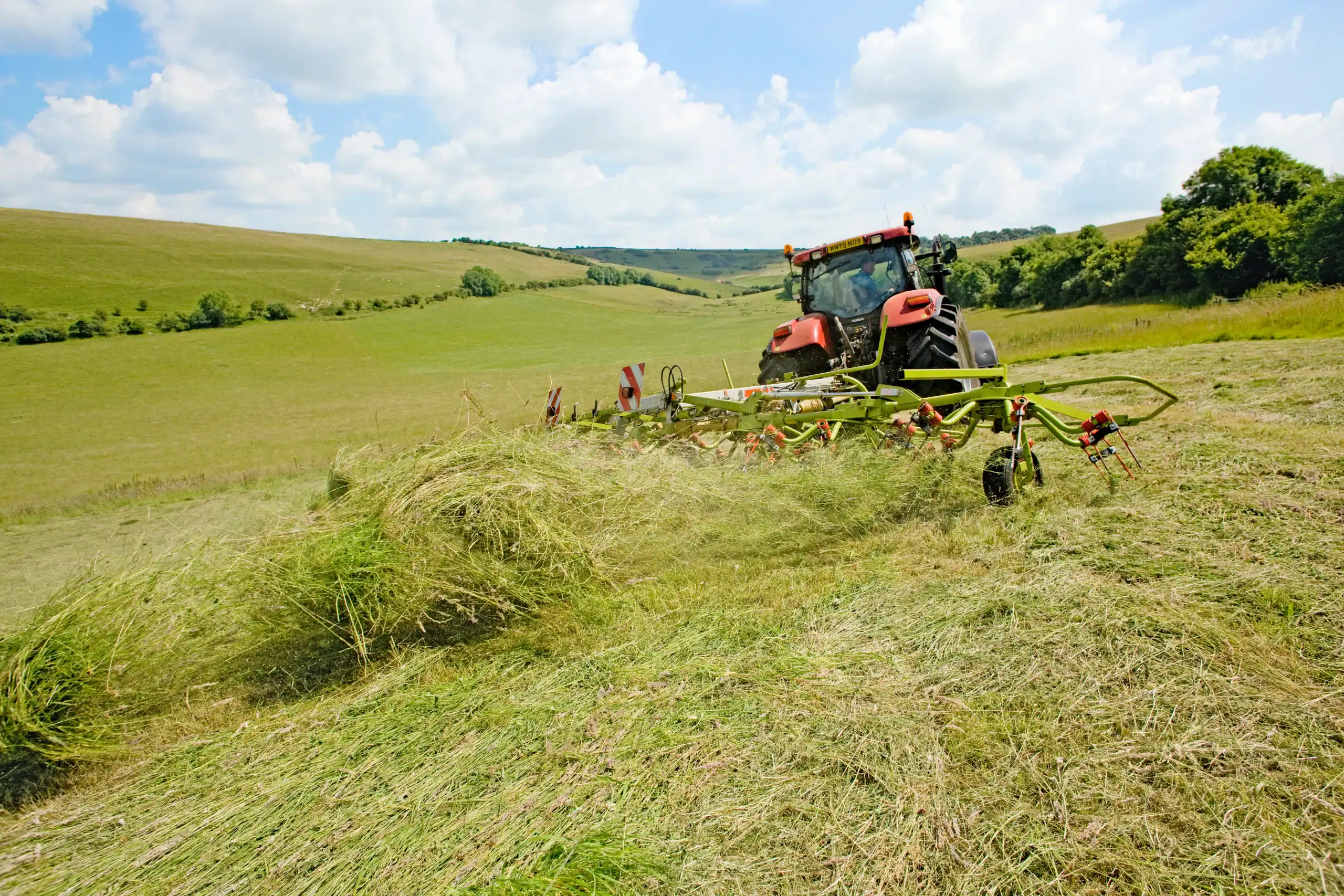
Your land becomes usable again. That overgrown back lot, the field you’ve been avoiding, the area near the tree line that’s become a fire risk—it gets cut down to manageable height without tearing up the ground or leaving a mess behind.
Bush hogging isn’t lawn care. It’s built for tall grass, thick brush, saplings, and the kind of growth that a regular mower can’t touch. The equipment we use cuts through dense vegetation and mulches it in place, so you’re not left with piles to haul or burn.
What you’re left with is cleared land that drains better, looks maintained, and doesn’t put your home at risk during dry season. If you’re trying to meet county requirements, prep land for use, or just take back control of your property, this is how it’s done in Caroline County.
We’ve worked throughout the Northern Neck and Middle Peninsula for over two decades. We’re not a franchise or a crew passing through—we’re local, and we know what Lake Land’Or properties deal with.
The terrain here varies. Some lots are flat and straightforward. Others have slopes, wet areas, or years of neglect. We’ve seen it all, and we bring the right equipment to handle it without guessing.
You’re working with people who’ve built a reputation by showing up, doing the work correctly, and being clear about what to expect. That’s why property owners keep calling us back.
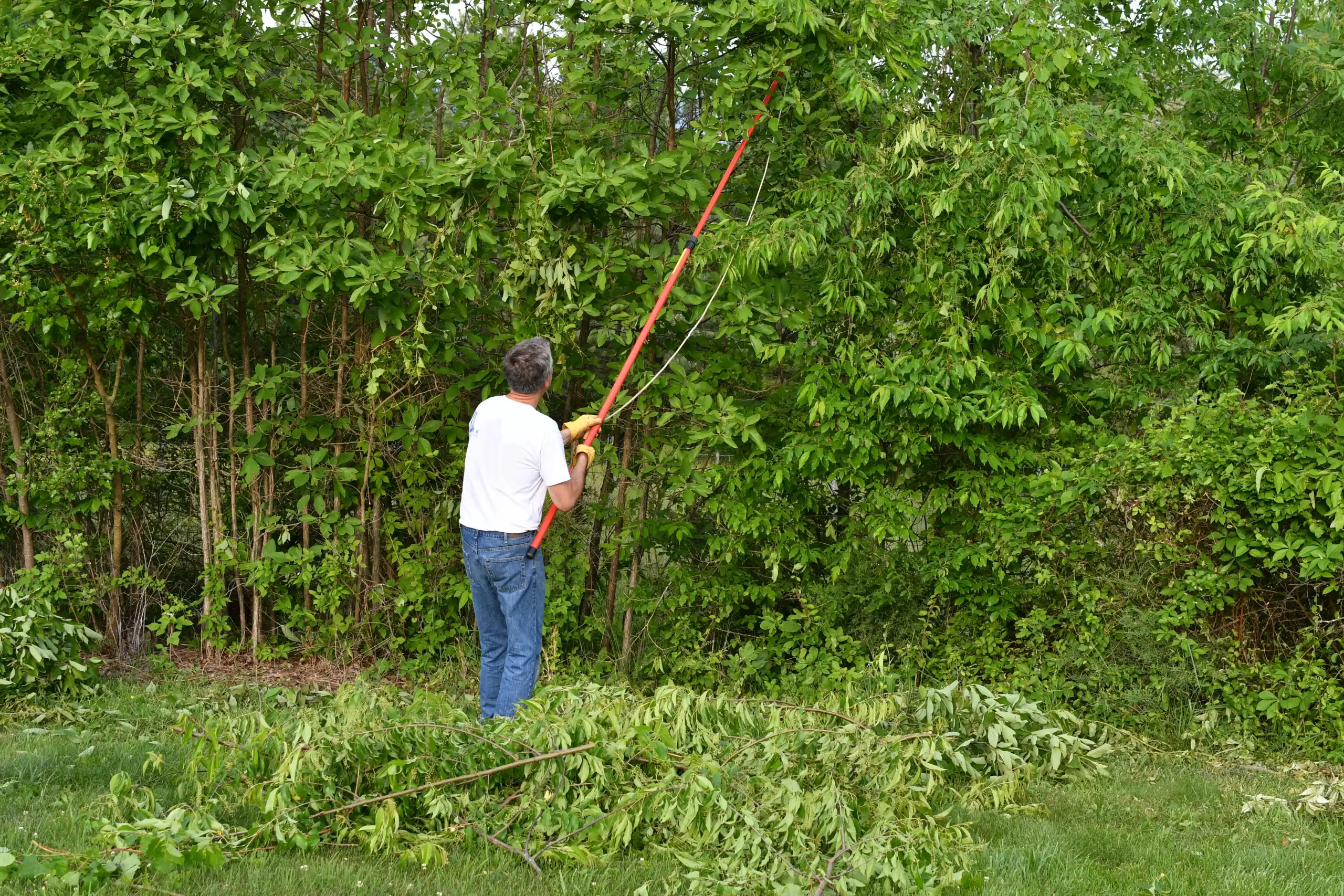
First, we walk your property. We look at what’s growing, check for obstacles like old fence posts or debris, and figure out access points for the equipment. If there’s something that could damage the mower or create a safety issue, we flag it.
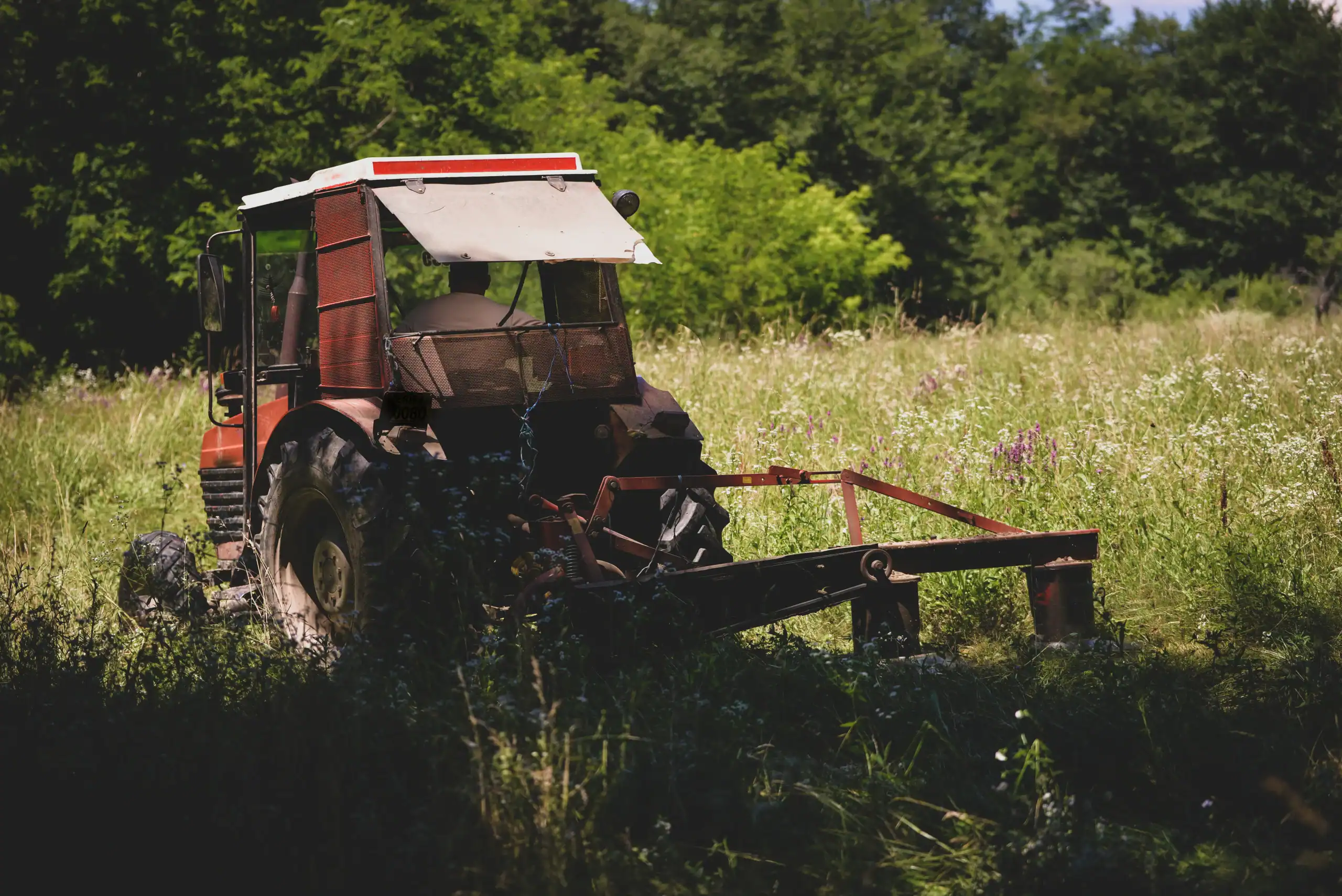
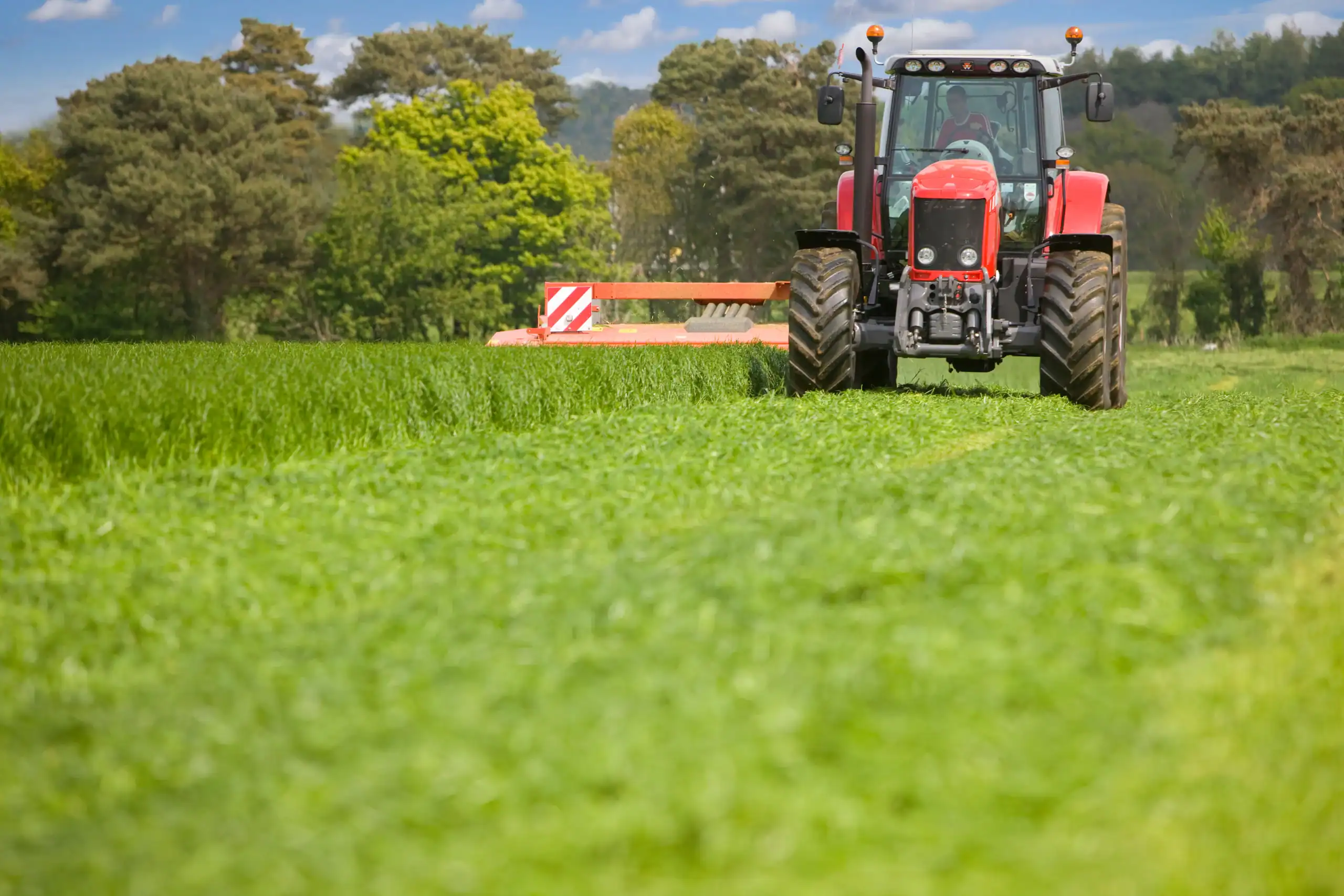
Then we bring in a tractor with a rotary cutter—usually a 6-foot brush hog. It’s built to handle vegetation up to a few inches thick, including small trees and dense undergrowth. The blades spin fast enough to cut and mulch at the same time, so you’re not left with windrows or piles.
We make multiple passes depending on height and density. Thick areas get extra attention. The mulch stays on the ground and breaks down naturally, adding organic matter back into the soil instead of stripping it bare.
When we’re done, your land is level, cleared, and ready for whatever comes next—whether that’s maintenance mowing, future building, or just keeping it compliant and safe.
Ready to get started?
You get a full site assessment before we start. We identify hazards, plan the safest approach, and give you a clear picture of timing and cost. No surprises.
The actual bush hogging covers whatever’s overgrown—fields, fence lines, trails, ditches, or areas around structures. We work around trees you want to keep and avoid damaging root systems or irrigation lines if you point them out.
In Lake Land’Or, a lot of properties sit near wooded areas or back up to common land. That means fire risk is real, especially in summer. Clearing dry brush and tall grass around your home creates defensible space that fire departments actually recommend. It’s not just about appearance—it’s about safety.
We also handle lot clearing for new builds or property prep. If you’re getting ready to sell, build, or subdivide, we can take land from unusable to ready. And because we’re local, we’re familiar with Caroline County’s property maintenance codes, including the requirement to keep grass and weeds under 10 inches in certain zones.
Most bush hogging in this area runs between $75 and $120 per acre, depending on density and terrain. If your land is relatively flat with moderate growth, you’re looking at the lower end. If it’s heavily overgrown, steep, or full of obstacles, it takes more time and effort.
We don’t quote by the hour unless it’s a small job or unusual access situation. Hourly rates typically fall between $85 and $120, but that can add up fast if the work is slow going. Per-acre pricing is usually more predictable.
For larger properties—say five acres or more—we can often bring the per-acre cost down. But we won’t know for sure until we see it. That’s why we do a walkthrough first.
Regular mowing is for maintained grass. Bush hogging is for everything else—thick brush, tall weeds, saplings, overgrown fields, and areas that haven’t been touched in months or years.
A bush hog uses heavy-duty rotary blades mounted on a tractor. It’s built to take impact and cut through woody growth up to a few inches thick. A lawn mower would choke, clog, or break if you tried to run it through the same terrain.
The cut also isn’t as clean. Bush hogging leaves the land cleared and mulched, but it’s not going to look like a golf course. If you want fine turf after the initial clearing, that’s a separate step. But for fire prevention, code compliance, or land prep, bush hogging gets the job done.
Summer is ideal because that’s when growth is thickest and fire risk is highest. Cutting back dry vegetation before late summer reduces the chance of a wildfire spreading from common areas or wooded lots onto your property.
That said, we bush hog year-round. Spring works well if you’re prepping land for planting or construction. Fall is good for end-of-season cleanup before winter. Even winter jobs are possible if the ground isn’t too wet or frozen.
The main thing to avoid is bush hogging when the soil is saturated. Heavy equipment on wet ground causes ruts and compaction, which can create drainage problems later. If we show up and the land’s too soft, we’ll reschedule rather than tear it up.
Not if it’s done carefully. That’s why we walk the site first. We’re looking for things like septic lines, irrigation pipes, old fence posts, concrete rubble, or anything else that could catch the blades.
If you’ve got utilities or features you’re concerned about, mark them or let us know before we start. We can work around them or adjust the cutting height in sensitive areas.
The bush hog itself doesn’t dig—it cuts above ground. But if there’s something sticking up or buried shallow, it can get hit. That’s hard on the equipment and potentially expensive for repairs. A little prep work prevents most issues.
We also carry liability insurance, which most solo operators don’t. If something does go wrong, you’re covered.
No. Leaving it is actually better for the soil. The mulched vegetation breaks down over a few weeks and adds organic matter back into the ground. It helps retain moisture, suppresses weeds, and feeds the plants you want to keep.
If you’re planning to build or pave right away, you might want the mulch cleared. But for most land management purposes, it’s fine where it is. Over time it disappears.
Some people worry it looks messy. It does for a few days. But within a week or two, it settles and starts breaking down. If appearance is a priority and you’ve got a timeline, we can rake or remove it for an additional cost.
That depends on how fast things grow back and what you’re trying to accomplish. If you’re maintaining a field or keeping fire risk low, once or twice a year is usually enough—once in late spring and again in late summer.
If the land was heavily overgrown and you’re trying to reclaim it, you might need a second pass within the same season just to keep up with regrowth. After that, it gets easier.
For properties in Lake Land’Or that back up to wooded areas or common land, an annual clearing is often enough to stay compliant and safe. If you’re just trying to meet county code, one pass before inspection season usually does it. We can set up a maintenance schedule if you want it handled automatically each year.