
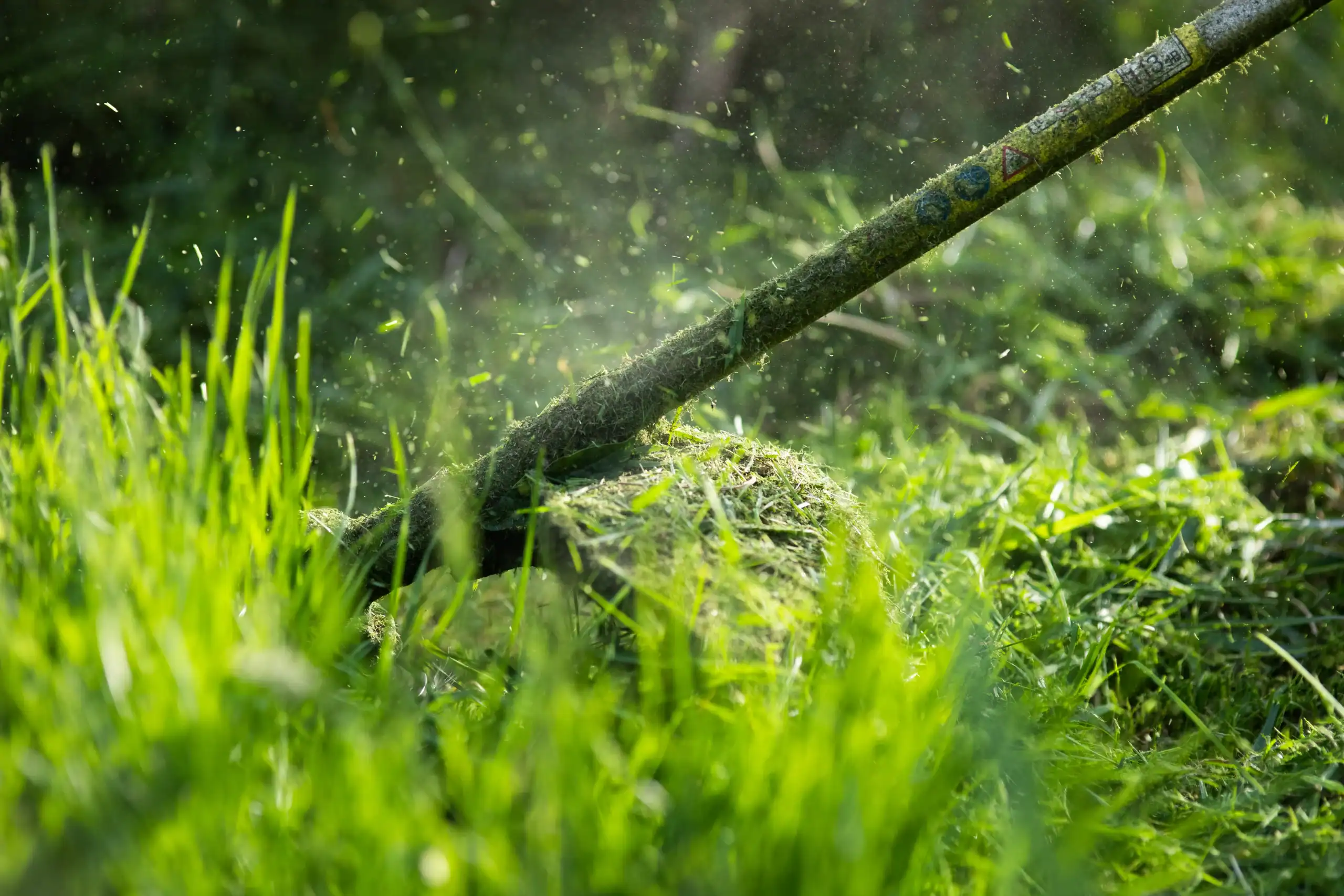
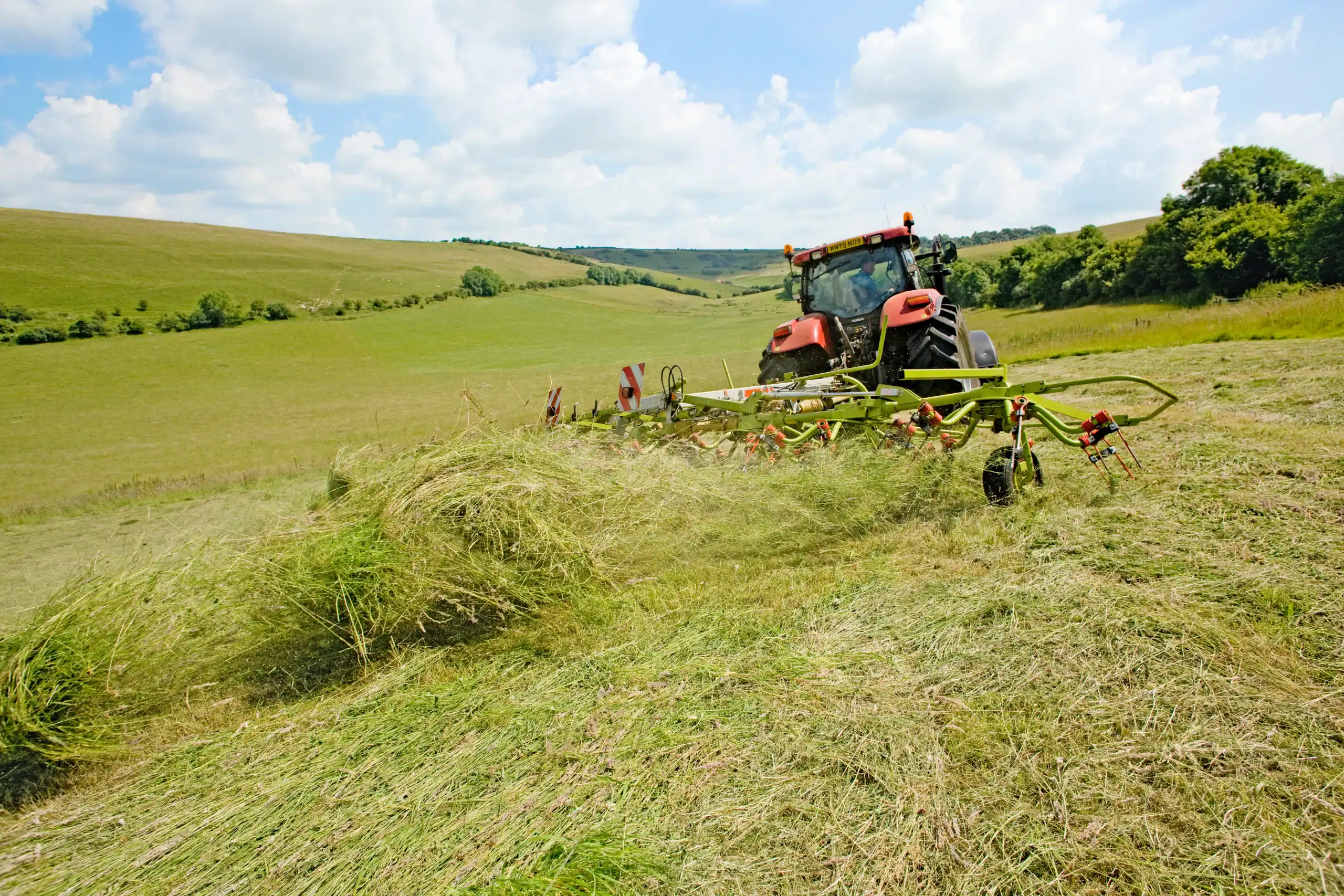
You’ve got acres you can’t walk through. Vegetation so thick it’s a fire risk. Fields that haven’t been touched in years.
Bush hogging cuts through all of it—tall grass, dense brush, saplings up to a few inches thick. The equipment we use is built for Northern Neck terrain: uneven ground, wet spots, overgrowth that would choke out a standard mower. What you’re left with is cleared land that’s accessible again, safer from wildfire spread, and visibly maintained.
This isn’t landscaping. It’s land reclamation. You get your property back without tearing up the soil, without hauling off debris, and without needing a crew for weeks. Most jobs wrap in a day or two depending on acreage and density. The result is functional space you can actually use—whether that’s for farming, hunting access, building prep, or just peace of mind.
We work throughout the Northern Neck and Middle Peninsula. We know the soil types, the seasonal flooding patterns, the mix of pine and hardwood regrowth that comes back every spring.
Most of our clients are rural landowners in Essex County and surrounding areas—people managing larger properties who need more than a lawn service but don’t want a full excavation crew. We handle bush hogging, field mowing, and lot clearing with equipment that’s maintained, insured, and operated by people who’ve done this long enough to know when to cut and when to wait.
You’re not getting a national franchise or a guy with a rented tractor. You’re working with a local team that shows up on time, does the work right, and understands what matters to property owners around here.
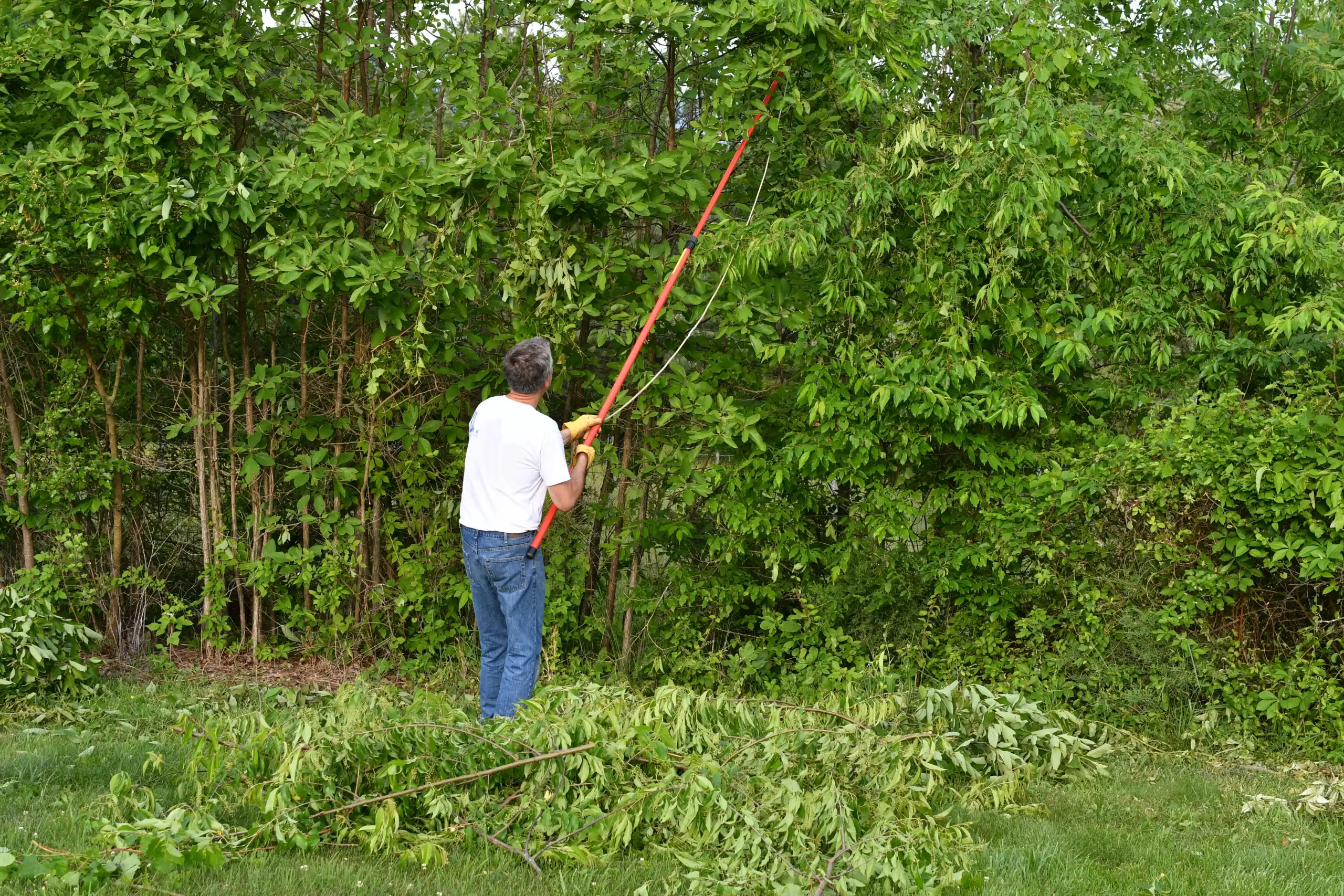
First, we walk the property with you. We’re looking at vegetation density, terrain challenges, any obstacles like stumps or ditches, and what your end goal is. That determines equipment choice and timing.
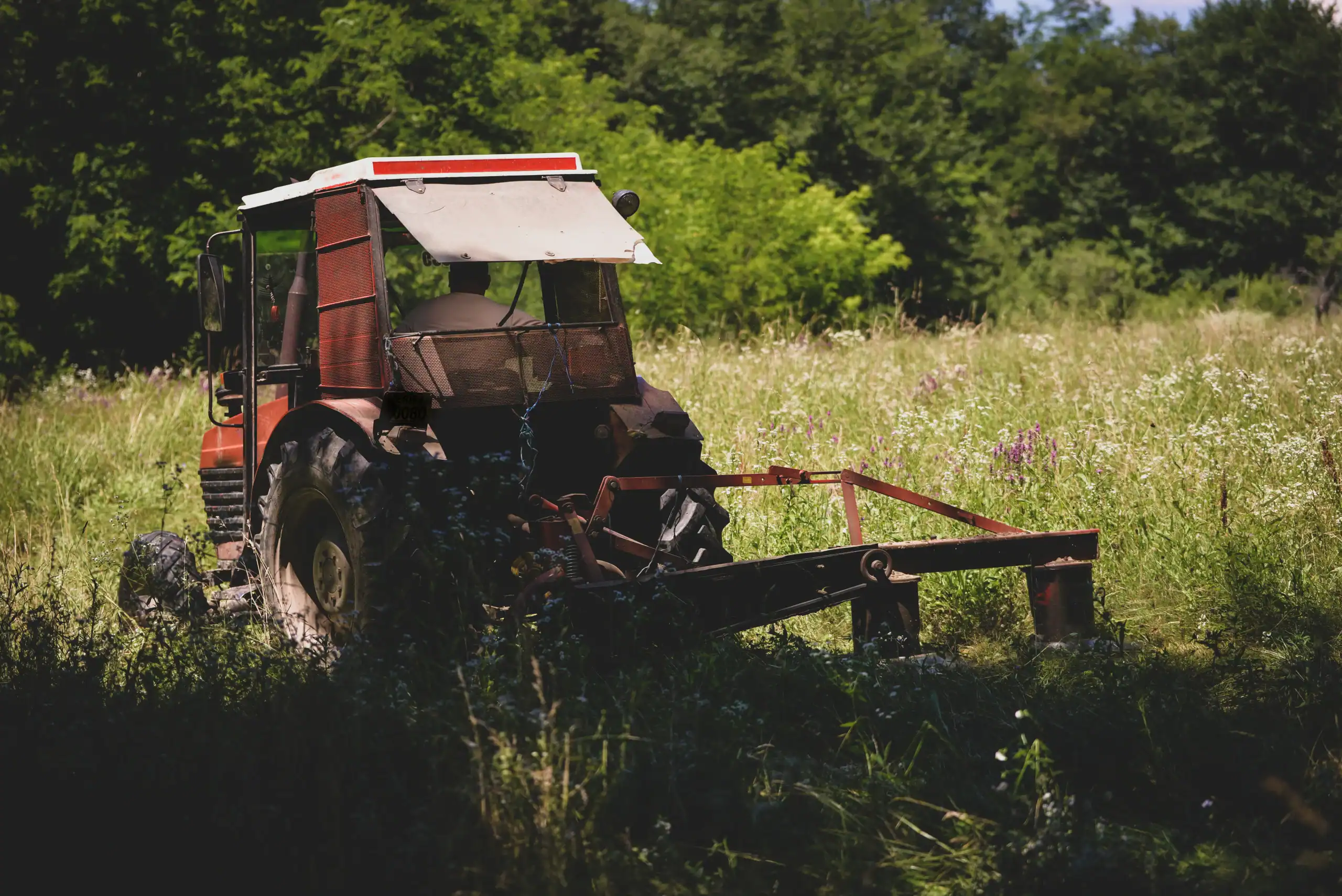
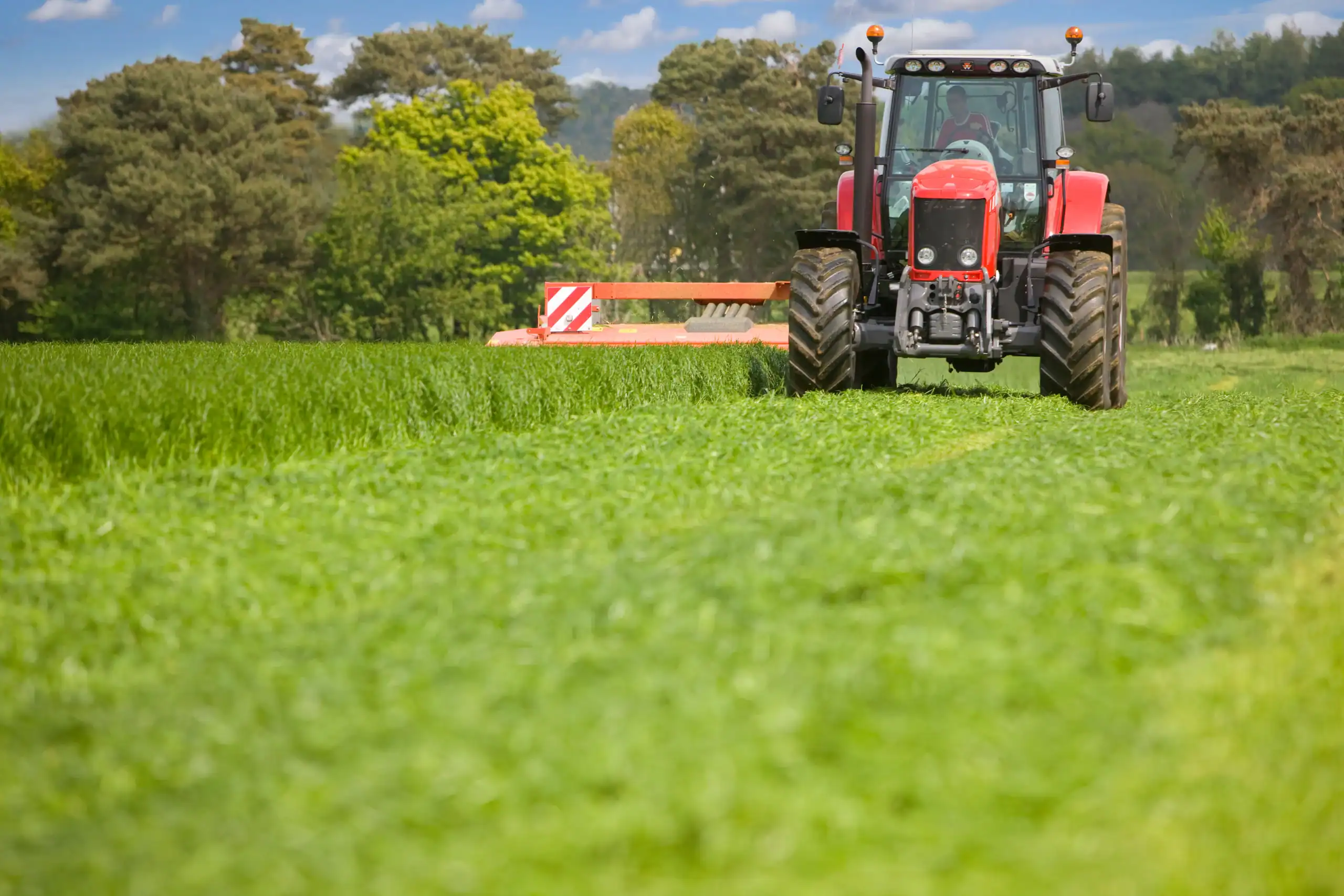
Once we’re scheduled, we bring in a tractor with a rotary cutter—basically a heavy-duty mower that can handle growth up to small tree diameter. We work in passes, cutting everything down to a few inches above ground. The cut material stays on-site and mulches back into the soil, which actually helps with erosion control and moisture retention.
If there are areas that need extra attention—fence lines, around structures, access paths—we adjust our approach. The job’s done when the land is cleared to the height and coverage you need. No burn piles. No hauling. Just cleared, manageable land that’s ready for whatever comes next. Most properties in Lively take between four and twelve hours depending on size and conditions.
Ready to get started?
You get a full site assessment before we start. We identify hazards, plan the cutting pattern, and confirm access points for equipment. The actual bush hogging covers everything from waist-high grass to brush thick enough to hide a deer.
We’re equipped to handle wet ground common in the Northern Neck, especially near creek beds and low-lying fields that stay damp into late spring. Our equipment distributes weight to avoid rutting, and we time jobs around weather to protect your land from unnecessary damage.
This service works for overgrown pastures, unmaintained lots, hunting land that needs shooting lanes, or commercial properties where tall grass has become a liability. We also handle repeat maintenance—most rural properties around Lively benefit from cutting twice a year, once in late spring and again in early fall before seed heads spread.
You’re not just getting a mow. You’re getting fire hazard reduction, improved property access, and a cleaner look that makes the land functional again. If you’re preparing to sell, build, or lease the property, this is often the first step that makes everything else possible.
Most bush hogging in this area runs between $60 and $125 per acre depending on terrain, vegetation density, and access. If it’s relatively flat with moderate growth, you’re on the lower end. If we’re dealing with steep grades, heavy brush, or obstacles like downed trees, it moves higher.
The first acre often costs more because it includes setup, equipment transport, and site assessment. After that, per-acre pricing drops since we’re already on-site and working. For properties over five acres, we can usually offer better rates.
We don’t charge by the hour because that penalizes efficiency. You get a flat quote based on what the job actually requires. No surprises, no hourly creep.
Late spring and early fall are ideal. Late May through June lets you catch growth before it goes to seed, and September through early November gets the second wave before winter.
Avoid mowing between early April and early September if you can—that’s nesting season for ground birds, and cutting during that window can destroy habitat. If it’s a fire hazard or safety issue, we’ll work with you on timing, but otherwise it’s better to wait.
Weather matters too. We don’t bush hog right after heavy rain when the ground is saturated. That tears up soil, creates ruts, and makes a mess of your property. A few dry days after a storm and we’re good to go. Most landowners around Lively schedule us twice a year to stay ahead of regrowth and keep fire risk down.
Not if it’s done right. Bush hogging cuts vegetation at the surface and leaves roots intact, which actually protects soil structure better than grading or tilling. The mulched material stays in place and breaks down over time, adding organic matter back into the ground.
The risk comes from poor timing or bad equipment operation. Cutting when the soil is too wet causes compaction and rutting. Using a mower that’s too aggressive for the terrain can scalp high spots and leave bare dirt exposed to erosion.
We avoid those problems by walking the site first, choosing equipment that matches the conditions, and scheduling around weather. Our goal is to clear growth without disturbing what’s underneath. If your land has drainage issues or sensitive areas, we adjust our approach. You end up with cleared property that’s healthier, not worse off.
Yes, up to a point. A standard bush hog can handle saplings and brush up to about three inches in diameter. Anything thicker than that—established trees, large stumps, root balls—requires different equipment like a forestry mulcher or excavation work.
If your property has a mix of tall grass, briars, and young growth, bush hogging clears it in one pass. If you’ve got mature trees or dense hardwood thickets, we’ll let you know upfront and recommend the right approach. Sometimes that means bush hogging the understory first, then coming back with heavier equipment for the larger material.
The advantage of a bush hog is speed and cost. It’s the most efficient way to reclaim overgrown land that’s still mostly vegetation. For properties around Lively that haven’t been maintained in a few years, it’s usually the right tool. We’ll tell you if it’s not.
No. One of the benefits of bush hogging is that the cut material stays on-site and mulches back into the soil. It breaks down over a few weeks to a few months depending on the season and moisture levels.
Leaving it in place actually helps your land. The mulch layer reduces erosion, holds moisture, and adds organic matter as it decomposes. It also suppresses some weed regrowth by blocking light to the soil surface.
If you’re preparing a site for construction or need a completely clean surface, we can rake or remove material, but that’s a separate service and usually not necessary. For most rural properties in Lively, the mulched vegetation is an asset, not a problem. It’s one less thing to haul off and one more thing working in your favor.
Twice a year keeps most properties in good shape—once in late spring and once in early fall. That schedule controls regrowth, prevents woody plants from taking over, and keeps fire risk manageable.
If your land is used for agriculture or livestock, you might need more frequent mowing depending on grazing rotation and forage management. If it’s recreational or just for appearance, twice a year is usually enough.
Some properties only need annual maintenance, especially if the vegetation is slow-growing or the land is partially wooded. We can walk the property and give you a realistic recommendation based on what we see. The goal is to stay ahead of the growth curve without overspending on maintenance you don’t need.
Other Services we provide in Lively