
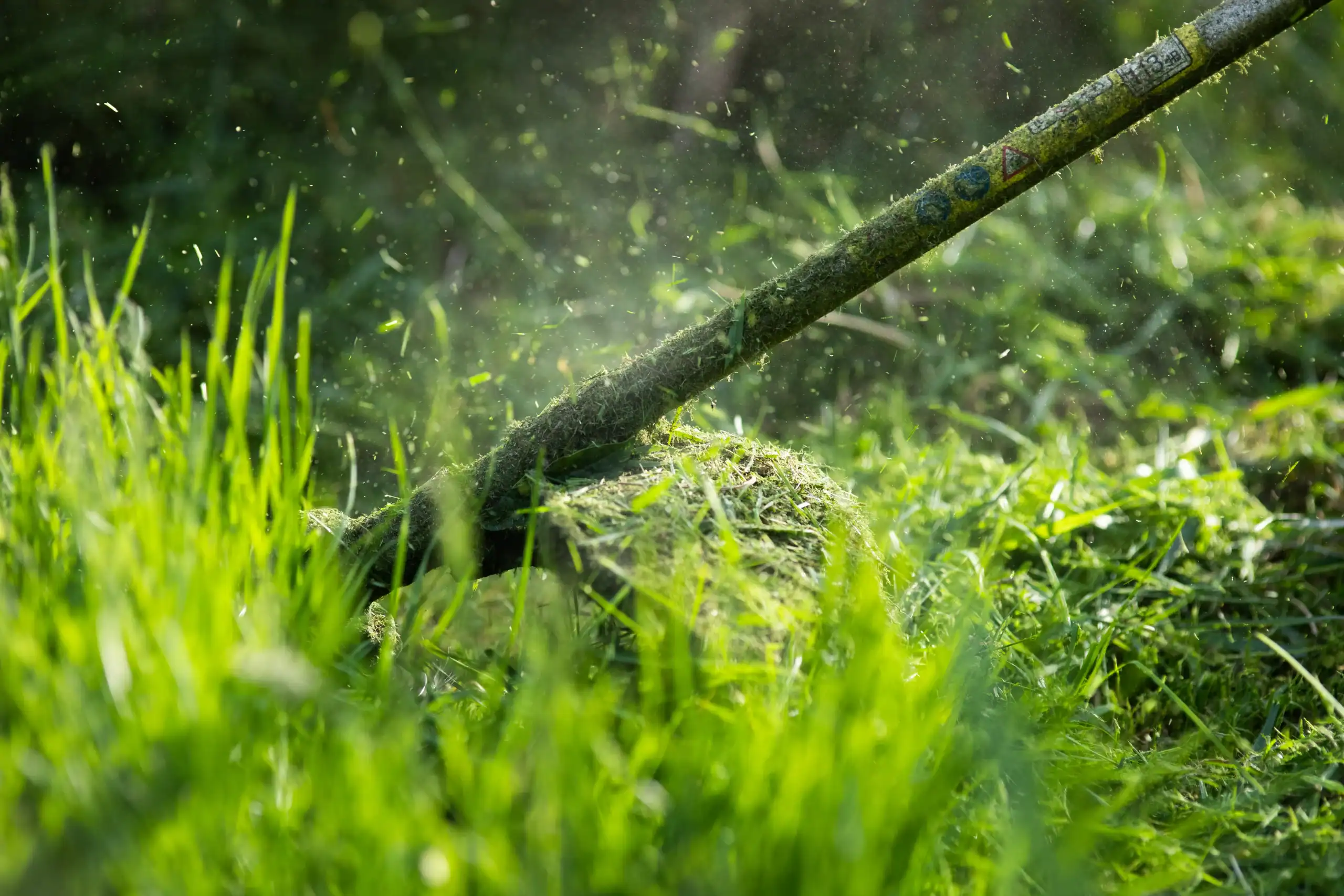
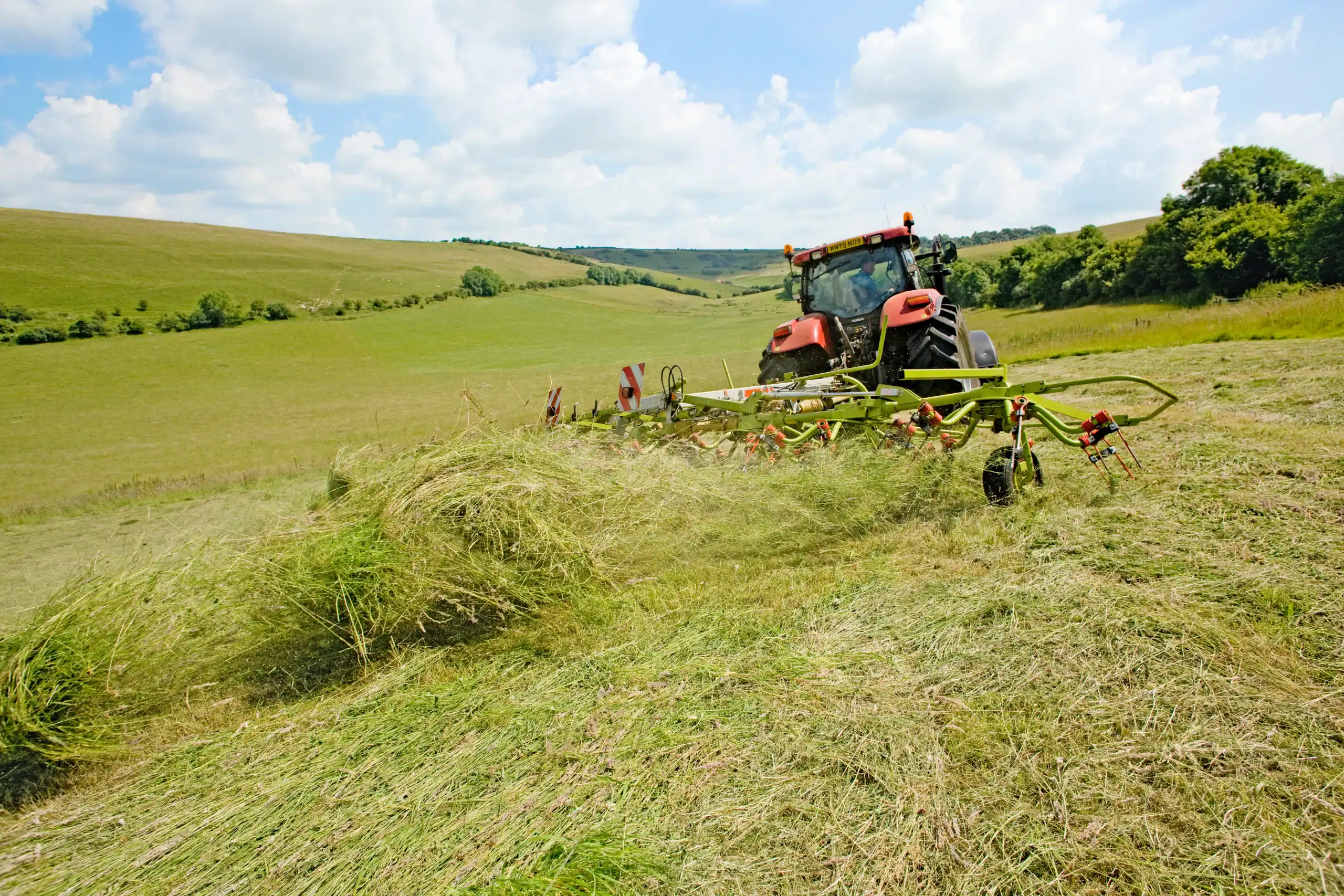
You get your land back. The overgrown mess that’s been sitting there for months or years gets cut down to manageable height. Fire hazards drop. Property lines become visible again. You can walk the land, plan your next project, or just stop worrying about what the neighbors think.
If you’re preparing to build, sell, or lease, a clean lot makes everything easier. Contractors can access the site. Surveyors can do their work. Buyers can see what they’re actually getting. A well-maintained property in Northumberland County signals that someone’s paying attention.
Bush hogging isn’t landscaping. It’s reclaiming acreage that’s gotten away from you. Whether it’s tall grass, brush, saplings, or dense vegetation, the right equipment makes short work of it. You don’t need to rent a tractor or spend your weekends fighting with a mower that can’t handle the job.
R.E. Douglas Company Inc is locally owned, fully licensed, and insured. We’ve spent over 20 years working in the Northern Neck and Middle Peninsula, so we know the terrain. We know the soil. We know how properties here behave when they’ve been neglected.
Most of our work comes from referrals. People call us because someone they trust told them we show up, do what we say, and don’t disappear halfway through. We’re not the cheapest option in Lottsburg, and that’s intentional. You’re paying for equipment that works, operators who know what they’re doing, and a company that’s still going to be here next year if something needs attention.
We handle everything from small residential lots to large commercial tracts. If it’s overgrown and you need it cleared, we’ve probably done something similar a dozen times this month.
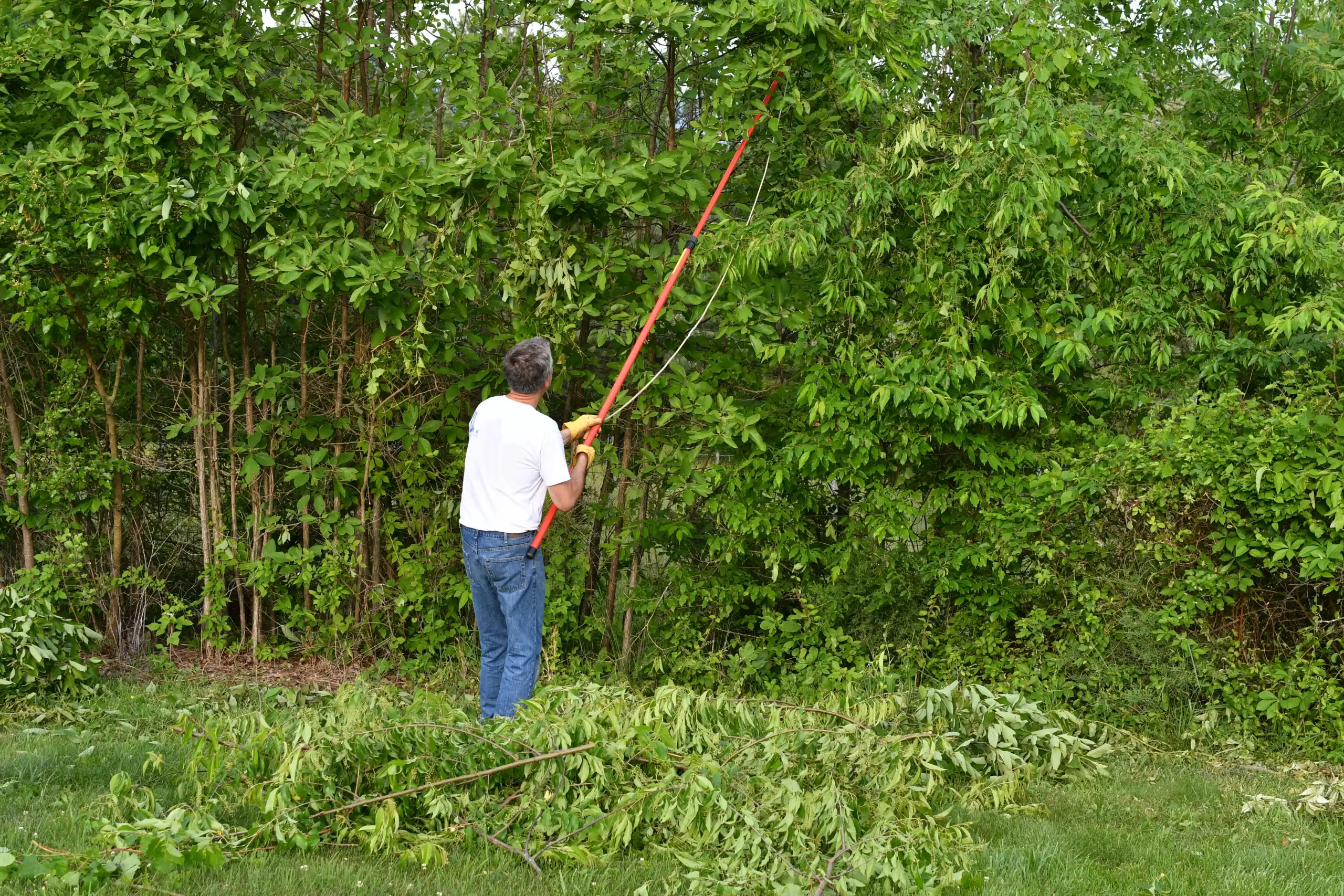
First, we come out and look at the land. You show us what needs clearing, we assess the terrain and vegetation density, and we give you a straightforward estimate. No hidden fees. No surprises when the job’s done.
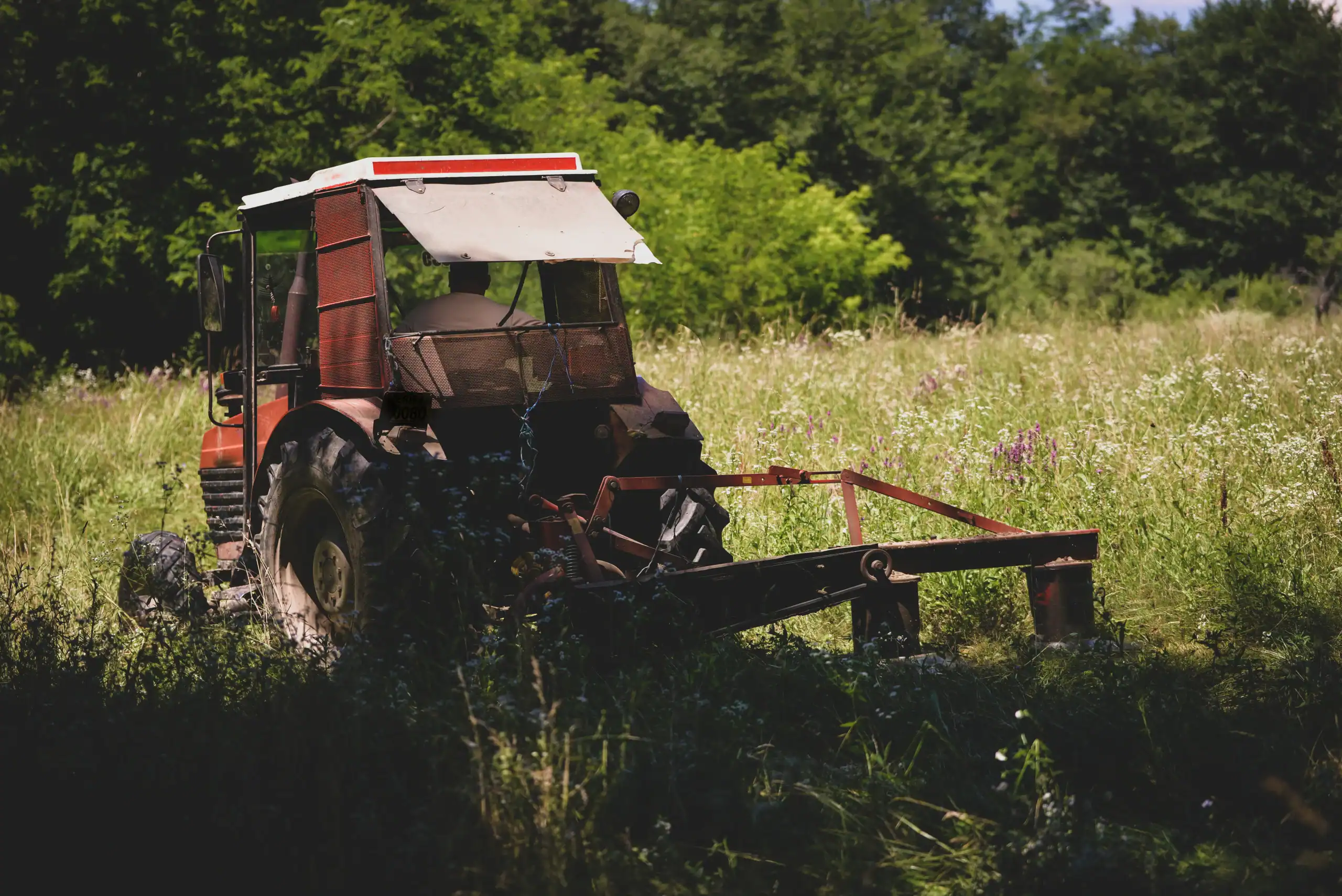
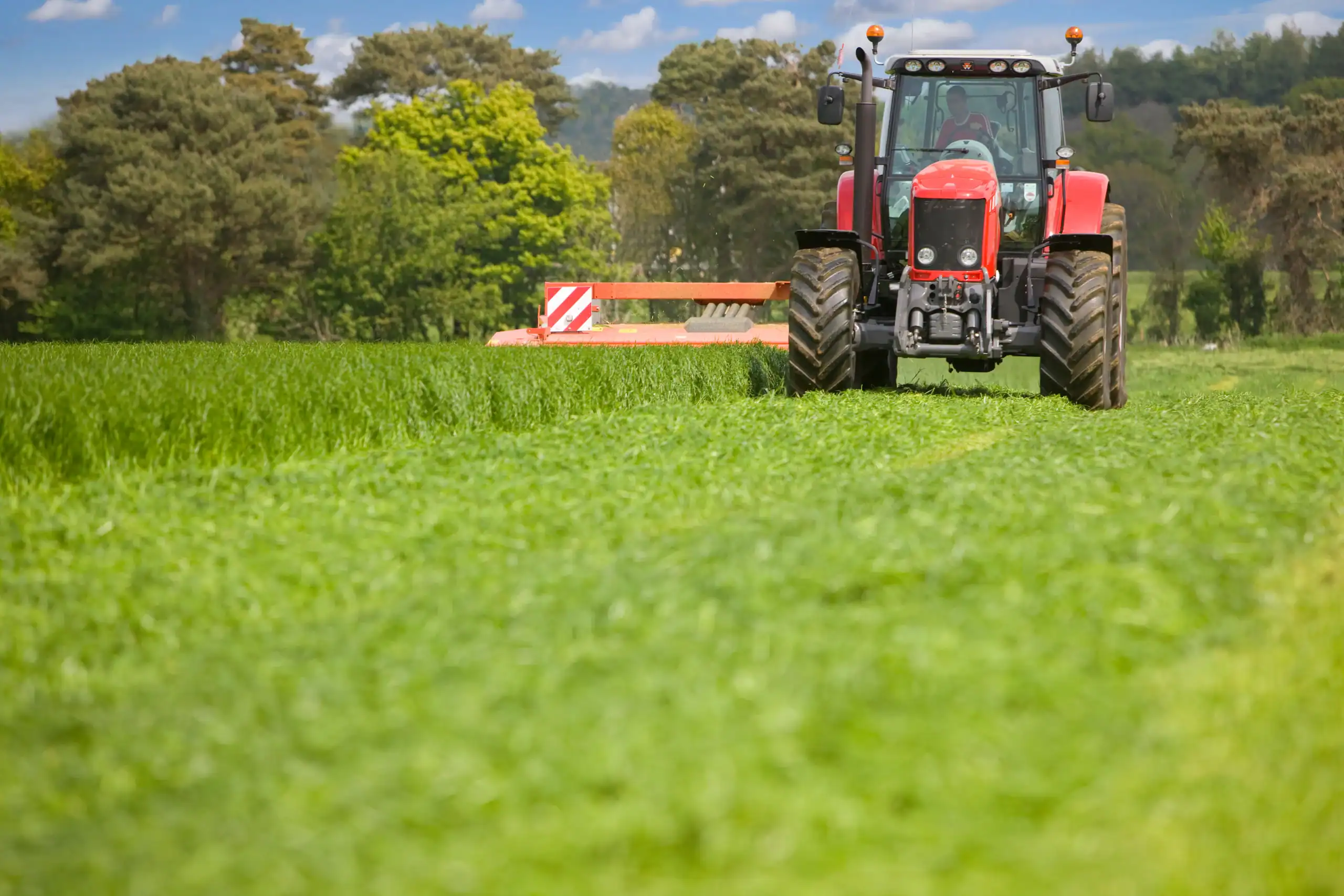
Once you’re ready to move forward, we schedule the work around your timeline. Our crew shows up with the right equipment—usually a tractor and rotary cutter for standard bush hogging, or a forestry mulcher if the vegetation is heavier. We clear the designated area, cutting everything down to a uniform height.
The process is efficient. Depending on acreage and density, most residential jobs finish in a day or two. Larger commercial properties or heavily wooded areas take longer, but we keep you updated throughout.
After we’re done, you’re left with a clean, level surface. The cut vegetation either gets mulched into the soil (which actually helps with erosion and adds nutrients) or removed, depending on what you need. We do a final walkthrough to make sure everything meets your expectations and local regulations.
Ready to get started?
You get professional-grade equipment operated by people who do this full-time. Our rotary cutters handle vegetation up to several inches in diameter—tall grass, brush, briars, saplings, and dense undergrowth that would destroy a standard lawn mower.
We work on all types of terrain. Flat fields, sloped land, areas with rocks or stumps, properties with uneven ground—our equipment is built for it. If your land has challenges, we’ve seen them before.
In Lottsburg and throughout Northumberland County, properties often come with specific considerations. Waterfront setbacks. Conservation easements. Agricultural zoning. Private road access. We’re familiar with these variables because we work with them constantly. If your property has restrictions or requires permits, we know how to navigate that process.
You also get the peace of mind that comes with hiring a licensed and insured contractor. If something goes wrong—equipment damage, injury, property issues—you’re protected. That’s not always the case when you hire the cheapest option or try to DIY with rented equipment.
Most bush hogging in the Northern Neck runs between $85 and $120 per hour for standard tractor work with a rotary cutter. If you’ve got heavier vegetation or need forestry mulching, expect $125 to $300 per hour, or $400 to $800 per acre depending on density.
The final price depends on how overgrown your property is, how accessible it is, and how much acreage you need cleared. A flat, open field with tall grass costs less per hour than a wooded lot with thick brush and saplings. We give you a free estimate after seeing the property, so you know exactly what you’re paying before we start.
Some companies charge by the acre, others by the hour. We’re transparent about which makes more sense for your situation. If it’s a quick job on easy terrain, hourly might save you money. If it’s dense and complicated, per-acre pricing gives you more predictability.
Bush hogging uses heavy-duty rotary cutters attached to a tractor. These cutters can handle vegetation several inches thick—saplings, brush, tall grass, briars, and dense undergrowth. A regular lawn mower would clog, overheat, or break trying to cut the same material.
The cut height is also different. Bush hogging typically leaves vegetation at 3 to 6 inches, which is fine for land clearing and property maintenance but not for a manicured lawn. If you’re trying to reclaim overgrown acreage, prepare land for construction, or create firebreaks, bush hogging is the right tool.
Regular mowing is for maintained grass that’s already under control. Bush hogging is for everything else—the stuff that’s gotten away from you and needs serious equipment to bring it back in line. If you’re not sure which you need, the general rule is this: if you can’t walk through it easily, it probably needs bush hogging.
Most rural property owners in Lottsburg bush hog once or twice a year. Once in late spring or early summer to knock down the first wave of growth, and again in late summer or early fall to handle everything that came up after.
If you’re maintaining the land for agricultural use, fire prevention, or aesthetics, twice a year usually keeps it under control. If the property sits vacant or you’re less concerned about appearance, once a year might be enough.
Some commercial properties or high-visibility lots need more frequent attention—three or four times during the growing season. It depends on how fast vegetation grows, how much rain we get, and what you’re using the land for. The key is not letting it go so long that small saplings turn into trees. Once woody growth gets established, you’re looking at more expensive clearing methods like forestry mulching instead of standard bush hogging.
Yes, but it requires careful operation. Our crew can work around trees, fence lines, buildings, and other obstacles without damaging them. The key is having experienced operators who know how to maneuver the equipment and adjust cutting height as needed.
If your property has a lot of obstacles—scattered trees, old fence posts, rock outcroppings, drainage ditches—we take extra time to navigate around them safely. This might add to the overall job time, but it prevents damage to your property and our equipment.
There are limits. If the area is so densely packed with obstacles that a tractor can’t move through safely, we’ll tell you upfront. In those cases, we might recommend hand clearing certain sections first, or using different equipment like a forestry mulcher that offers more precision. The goal is to clear your land effectively without creating new problems in the process.
You don’t have to be, but most property owners prefer to walk the land with us before we start. That way you can point out any areas that need special attention, show us where property lines are, and identify anything you want us to avoid—like a septic field, underground utilities, or a section you’re leaving natural.
Once the work starts, you’re welcome to check in whenever you want, but you don’t need to supervise. Our crew knows what they’re doing and will follow the plan we discussed during the estimate. If something unexpected comes up—hidden debris, a drainage issue, anything that changes the scope—we’ll contact you before proceeding.
After we’re done, we do a walkthrough together to make sure everything meets your expectations. If there’s an area that needs another pass or something we missed, we handle it before calling the job complete. Most clients in Northumberland County appreciate that we communicate clearly and don’t just disappear when the work’s finished.
In most cases, the cut vegetation stays on the ground and naturally decomposes. Bush hogging chops everything into smaller pieces that break down over time, adding organic matter back into the soil. This actually helps with erosion control and soil health, especially on sloped properties common in the Northern Neck.
If you need the cut material removed—maybe you’re preparing for construction, seeding grass, or just want a cleaner look—we can arrange that, but it’s an additional service. Removal involves raking, loading, and hauling, which adds labor and disposal costs.
Some property owners prefer forestry mulching instead of traditional bush hogging because it grinds vegetation into fine mulch that looks cleaner and breaks down faster. That’s a good option if aesthetics matter or you’re trying to establish new grass quickly. We can walk you through the pros and cons of each method based on what you’re trying to accomplish with your land.
Other Services we provide in Lottsburg