
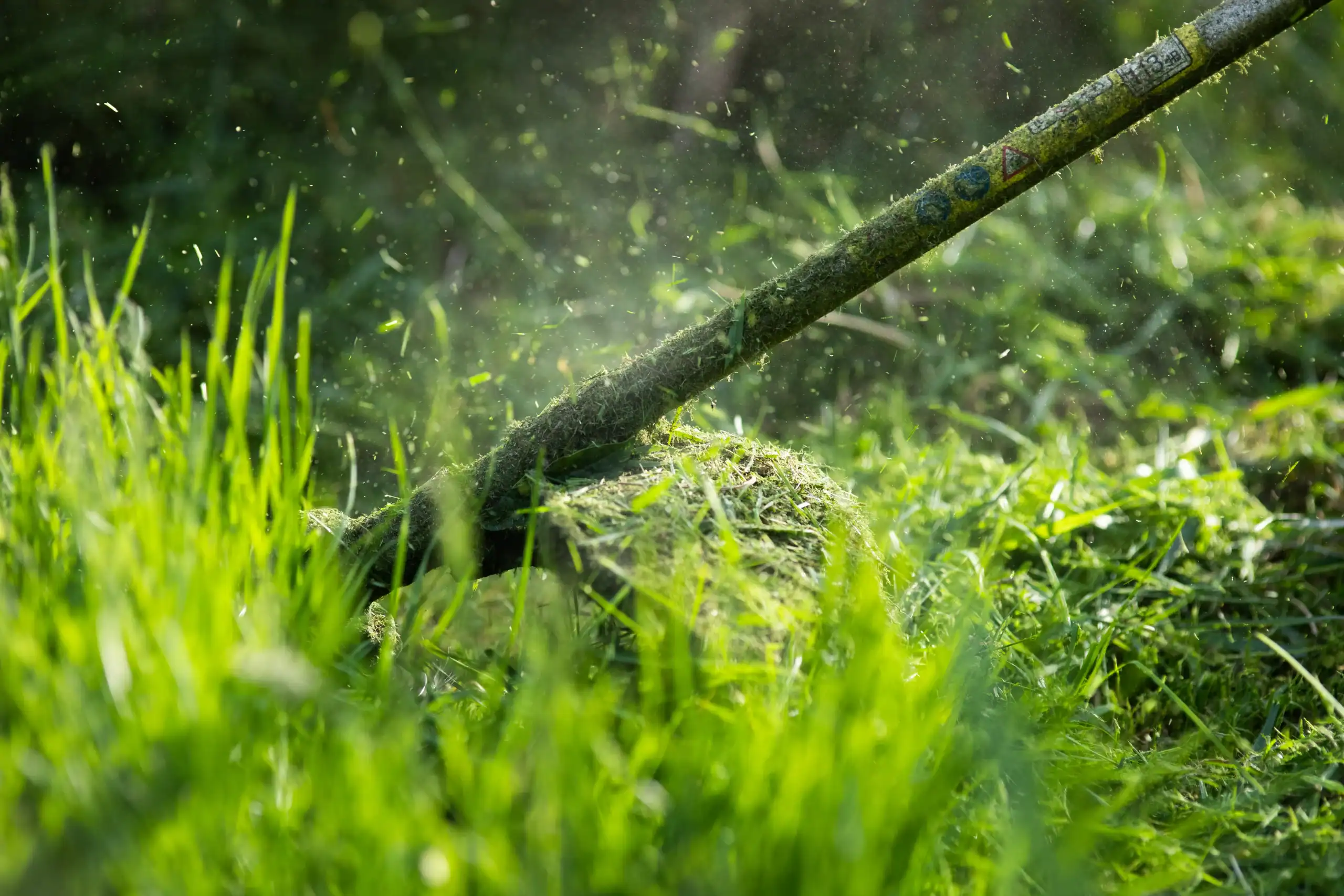
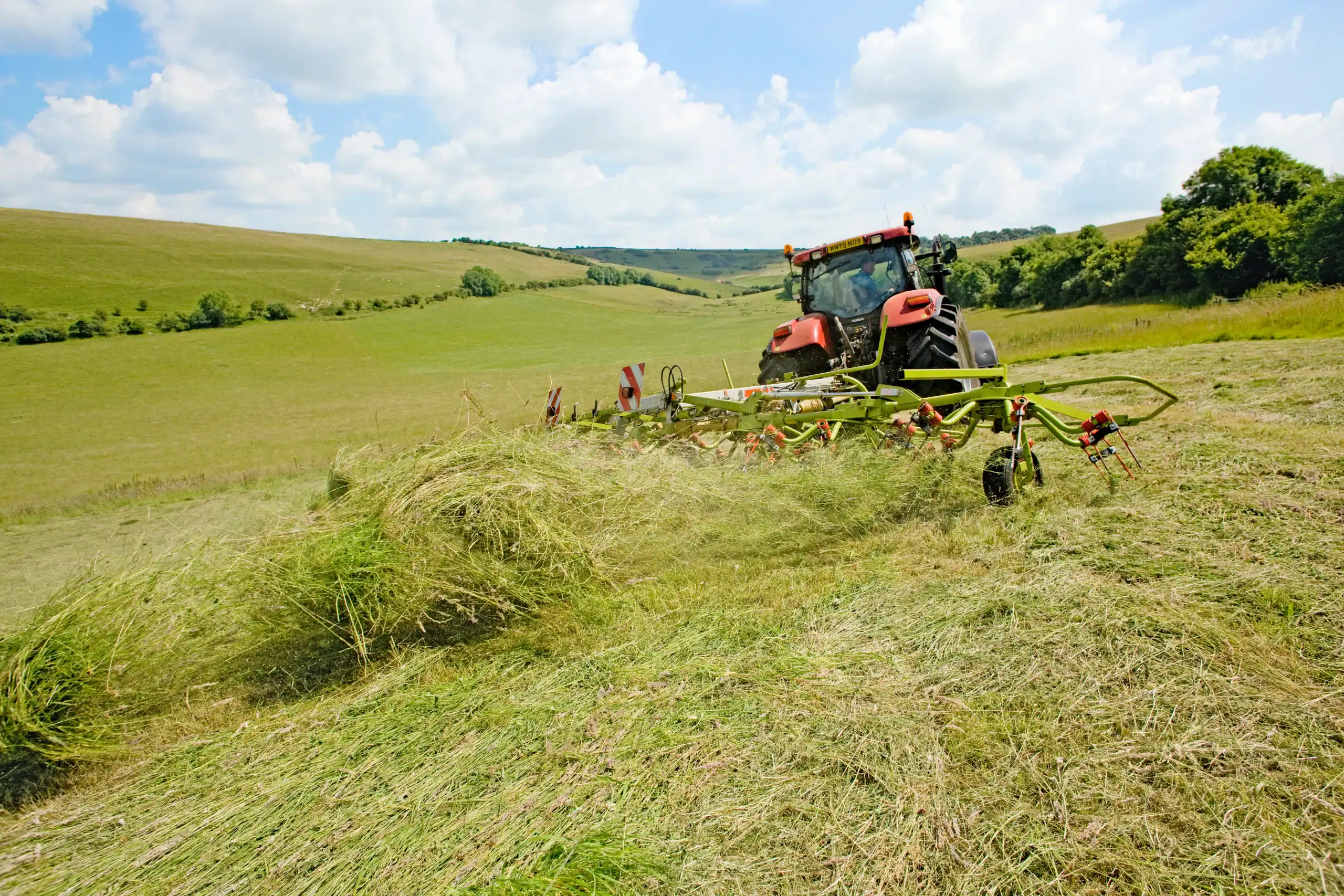
You stop worrying about fire risk every time the weather turns dry. Dense vegetation is fuel, and Richmond summers don’t mess around. Bush hogging cuts that risk down by keeping growth controlled and eliminating the dead, dry material that spreads flames fast.
Your property looks like someone actually owns it. Overgrown land signals neglect to buyers, neighbors, and inspectors. Once it’s cleared, you’ve got clean sight lines, usable space, and curb appeal that doesn’t make people drive past.
You can actually access your land again. Whether it’s checking fence lines, maintaining utilities, prepping for construction, or just walking your property without fighting through waist-high weeds—you get your space back. And if you’re holding land for development or resale, that accessibility matters when it’s time to show it or work it.
We’ve been handling property maintenance across Richmond and Central Virginia long enough to know what works here. We’re licensed, bonded, and insured—not because it sounds good, but because it protects your property and ours when heavy equipment is involved.
Richmond’s growth has been explosive. Henrico County alone saw over $2.1 billion in construction activity last year, and that means more land prep, more lot clearing, and more properties that need professional bush hogging before they’re buildable or sellable. We work with developers, landowners, and commercial property managers who need it done right the first time.
We’re not the cheapest option in town. But we show up with the right equipment for your terrain, operators who know how to read land, and the experience to handle everything from flat suburban lots to uneven rural acreage without tearing up what shouldn’t be touched.
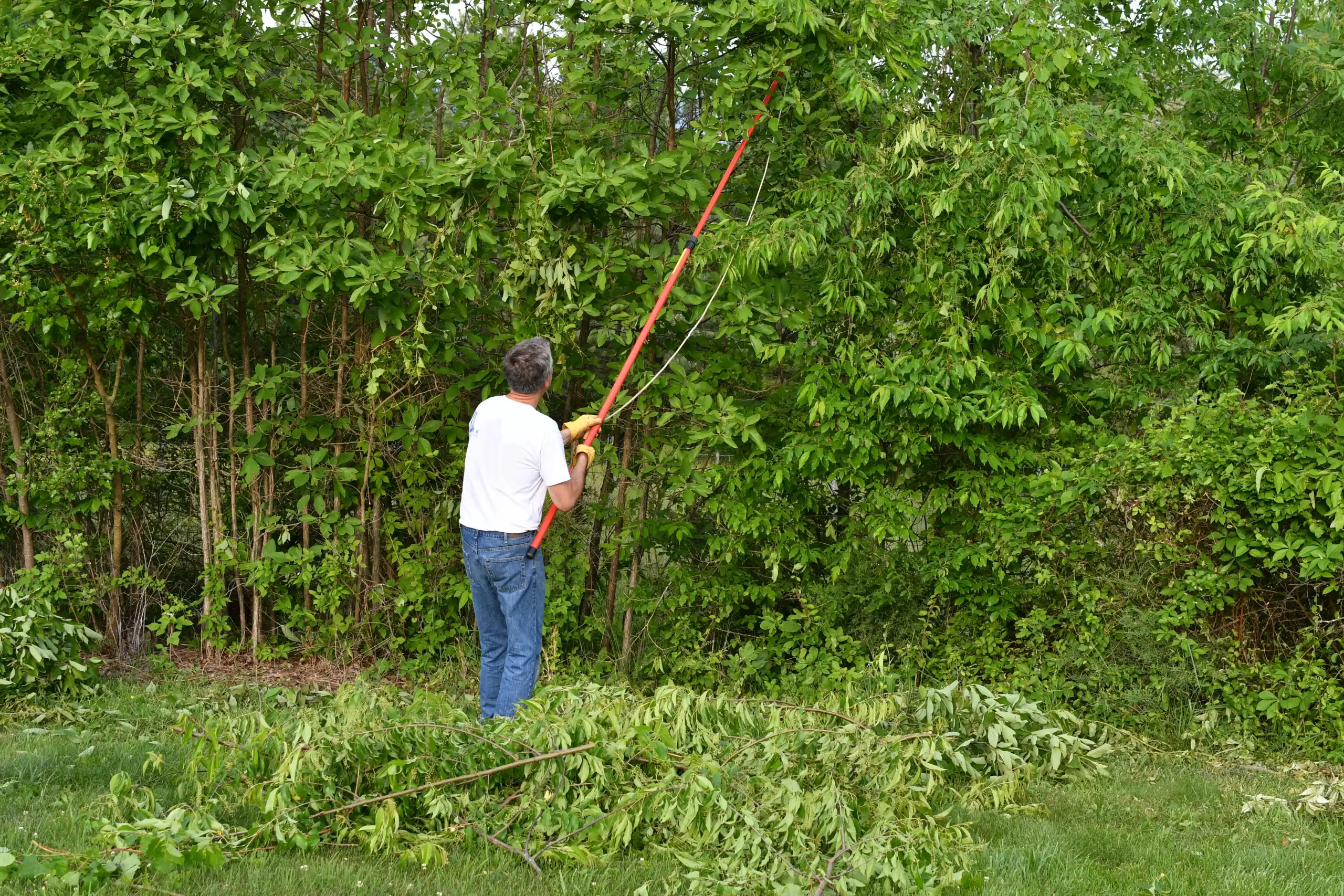
First, we look at your property. Terrain matters. Vegetation density matters. Whether you’ve got sandy soil, clay, slopes, or flat ground changes how we approach the job. We’ll ask about access points, underground utilities, and what you’re trying to accomplish—clearing for construction is different than maintaining pasture or prepping land for sale.
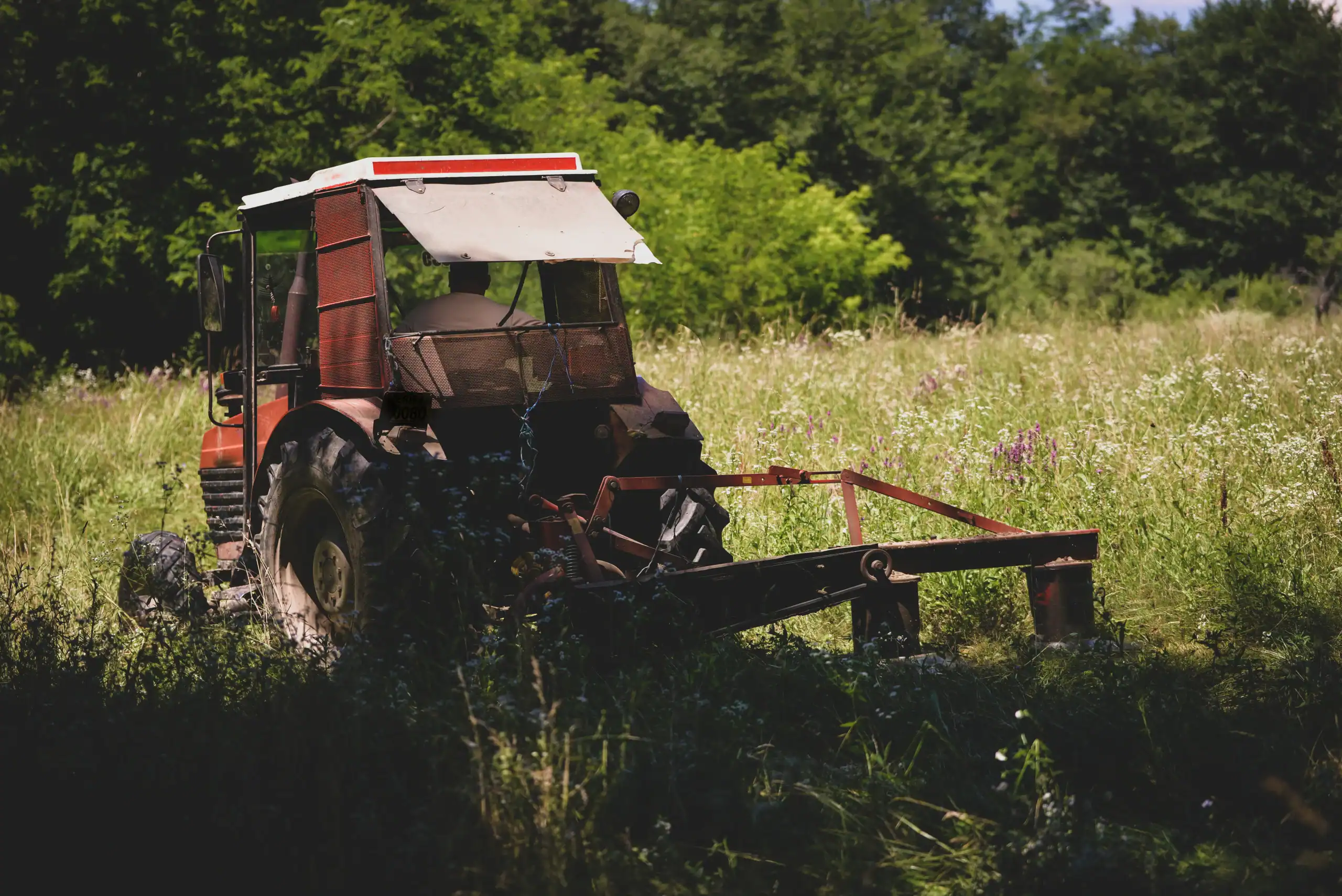
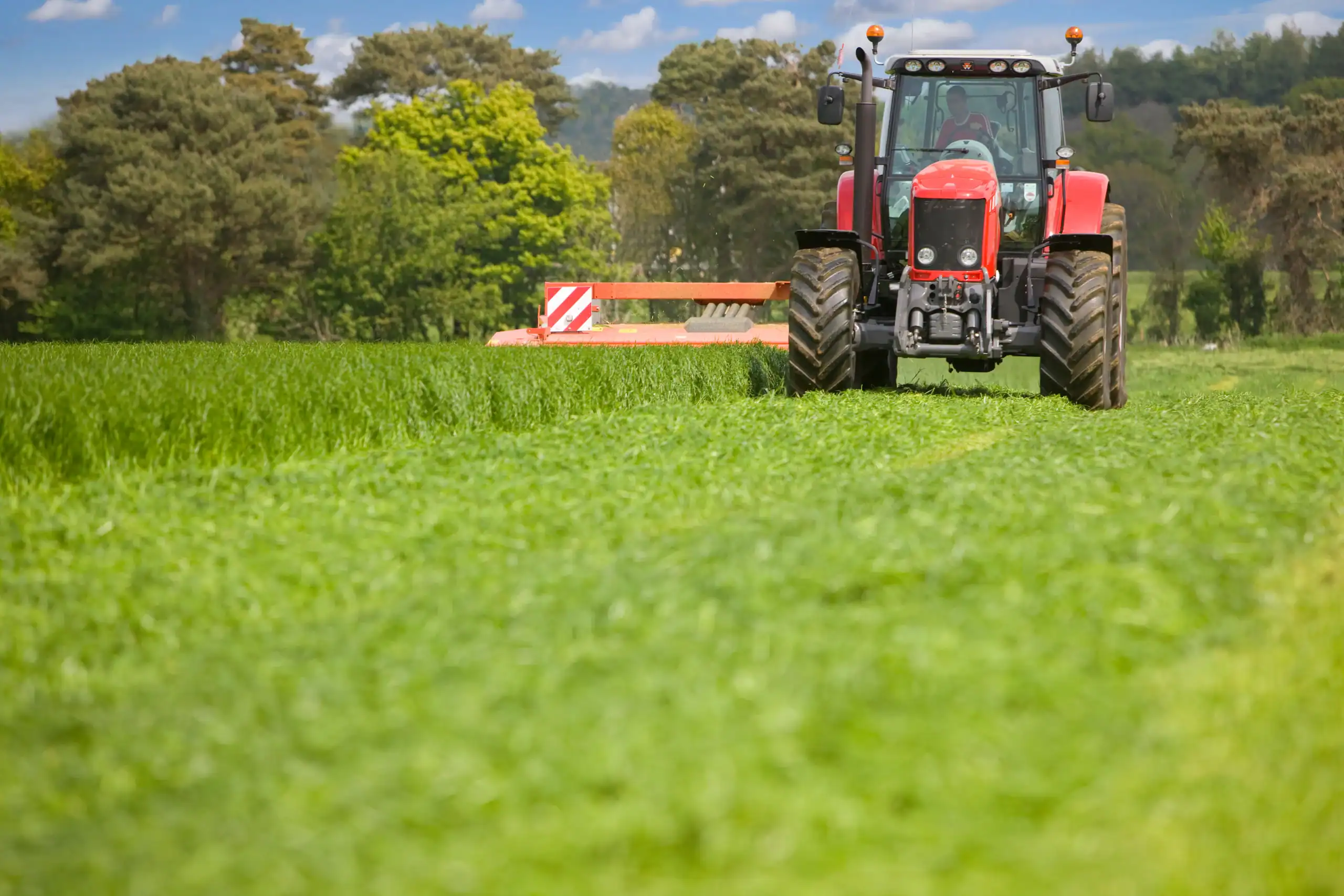
Then we bring in the right equipment. Bush hogging uses a rotary cutter mounted on a tractor to handle thick brush, tall grass, and small saplings that a regular mower can’t touch. The blades are built to take impact, which means they can cut through woody growth without bogging down or damaging the machine. We match the equipment to your job—not the other way around.
After the work’s done, you’re left with mulched material that breaks down naturally and actually improves your soil over time. It’s not hauled off unless you need it gone. The cut vegetation stays low, reduces regrowth speed, and doesn’t create the erosion problems you’d get from scraping everything bare. If you need grading, driveway work, or follow-up maintenance, we handle that too.
Ready to get started?
You’re getting more than just someone driving a tractor around. We’re clearing brush up to several inches in diameter, cutting tall grass and weeds that standard mowers won’t touch, and opening up overgrown areas so you can see what you’re actually working with. That includes saplings, dense undergrowth, and the kind of vegetation that’s been sitting untouched for months or years.
Richmond properties deal with specific challenges. The mix of clay and sandy soils across the region means drainage and erosion are real concerns. We don’t scalp your land down to dirt—we cut vegetation at a height that controls regrowth while leaving root systems intact to prevent washouts. If you’re near the James River corridor or in areas like Midlothian or Mechanicsville, that balance matters even more.
We also handle commercial mowing for larger properties, right-of-way clearing for access roads, and lot clearing for development projects. If you’re prepping land for construction, we can coordinate with grading and excavation work. If you’re maintaining agricultural land or pastures, we’ll work around your schedule and your livestock. And if you’ve inherited property that’s been sitting unmanaged, we’ll get it back to a point where you can actually decide what to do with it.
Bush hogging typically runs between $60 and $150 per acre in the Richmond area, but that range shifts based on terrain, vegetation density, and accessibility. If your land is flat, mostly grass, and easy to access, you’re looking at the lower end. If it’s steep, heavily wooded with thick brush, or requires navigating around obstacles like rocks, stumps, or fencing, the price goes up.
Acreage also affects pricing. Larger properties often get a better per-acre rate because there’s less setup time relative to the total job. Smaller lots under an acre might have a minimum service charge since the equipment and labor costs are the same whether we’re clearing half an acre or five.
The best way to get an accurate number is to have someone look at the property. We can give you a realistic estimate based on what’s actually there—not a guess based on acreage alone.
Bush hogging uses a rotary cutter to mow down tall grass, brush, and small trees, leaving the cut material on the ground to decompose. It’s fast, cost-effective, and works well for maintaining open land or clearing overgrown fields. The equipment handles vegetation up to a few inches in diameter, and it’s ideal for regular maintenance or preparing land that doesn’t need a completely clean finish.
Forestry mulching uses a dedicated mulching head that grinds trees, brush, and stumps into fine mulch in a single pass. It’s more aggressive, handles larger trees, and leaves a more finished look with finely shredded material that breaks down faster. Mulching is better for land clearing projects where you’re removing significant woody growth or want a cleaner aesthetic immediately after the job.
For most Richmond property owners dealing with overgrown grass, brush, and light saplings, bush hogging is the more practical and affordable option. If you’re clearing heavily wooded land or need stumps dealt with, forestry mulching makes more sense. We can walk you through which approach fits your situation.
Most properties in Richmond need bush hogging once or twice a year to stay manageable. If you’re maintaining pasture, fields, or vacant land, an annual cut in late spring or early summer handles the bulk of growth before it gets out of control. A second pass in late summer or early fall keeps things tidy and reduces fire risk heading into drier months.
If your property has aggressive growth—like areas near water, low-lying spots with good drainage, or land that’s been neglected for a while—you might need more frequent service the first year or two until growth patterns stabilize. Once the vegetation is under control, you can usually shift to an annual maintenance schedule.
Commercial properties, development sites, and land being prepped for sale often need more frequent clearing to stay compliant with local codes or maintain appearance standards. The key is not letting it go so long that you’re dealing with woody growth and saplings instead of grass and brush. That’s when costs jump and the job gets harder.
Bush hogging is generally safe for your land when done by someone who knows what they’re doing, but there are risks if underground utilities, irrigation lines, or septic systems aren’t marked. The rotary cutter sits low enough to catch anything that’s not clearly flagged, and hitting a buried line or utility can cause expensive damage and downtime.
Before we start any job, we ask about known utilities, septic tanks, drain fields, and irrigation systems. If you’re not sure what’s underground, it’s worth having utilities marked—Virginia 811 handles that for free. We also look for surface indicators like valve covers, cleanout caps, or areas where the ground’s been disturbed recently.
Experienced operators also watch for terrain changes, rocks, and debris that could damage equipment or create hazards. We’re not scraping your land bare—we’re cutting vegetation at a controlled height that manages growth without tearing up soil or exposing roots that prevent erosion. If there are areas that need extra care or should be avoided entirely, just point them out before we start.
Bush hogging reduces habitat for ticks, snakes, rodents, and other pests by eliminating the dense cover they use for shelter and breeding. Tall grass and thick brush create the humid, shaded environment ticks need to survive, and cutting that growth back exposes them to sun and reduces their population over time.
It’s not a complete solution on its own—ticks and pests will still exist in wooded edges, leaf litter, and areas you’re not clearing—but regular bush hogging makes a noticeable difference. Properties that get mowed annually see fewer tick encounters simply because there’s less habitat to support large populations. It also makes it easier to spot snakes and other wildlife before you’re right on top of them.
If pest control is a priority, pairing bush hogging with targeted treatments or perimeter management gives you better results. But even without additional steps, keeping vegetation low and open reduces the conditions that let pest populations explode. For Richmond properties near wooded areas or water, that’s a real quality-of-life improvement.
Bush hogging is one of the more environmentally friendly land clearing methods because it leaves organic material on the ground to decompose naturally. That cut vegetation breaks down into the soil, adding nutrients and improving soil structure over time. It’s essentially mulching in place, which helps with moisture retention and reduces erosion compared to methods that scrape land bare.
The key is cutting at the right height and not over-clearing. If you scalp the land down to dirt, you lose the root systems that hold soil in place, and Richmond’s clay and sandy soils are prone to erosion when they’re exposed. Proper bush hogging leaves enough growth to protect the soil while controlling the vegetation that’s creating problems.
It also doesn’t require chemicals, doesn’t compact soil the way heavy grading equipment does, and doesn’t remove the topsoil layer that’s critical for future growth. If you’re managing agricultural land, maintaining pastures, or just trying to keep your property functional without wrecking it, bush hogging is a solid middle ground between doing nothing and bringing in dozers.