
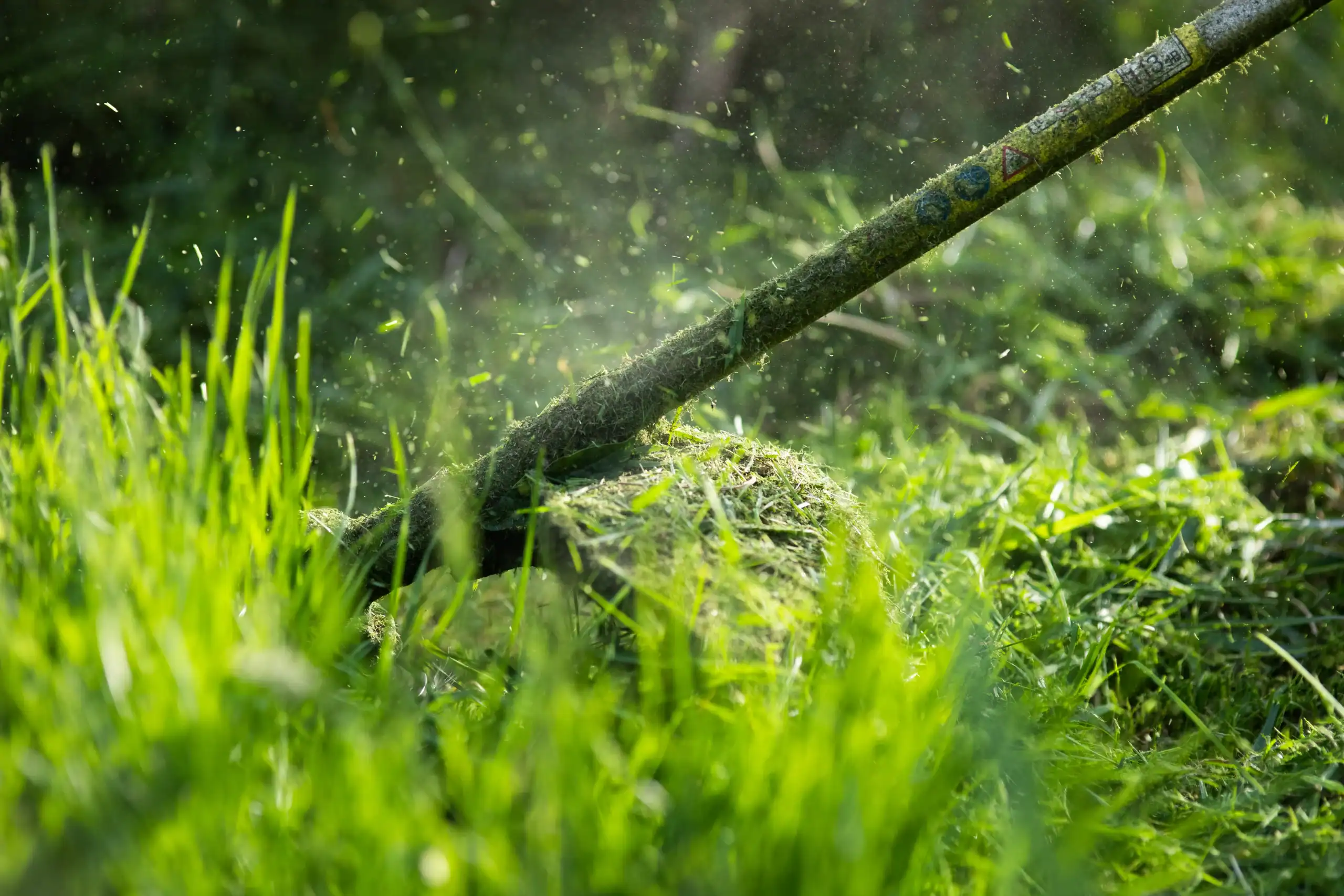
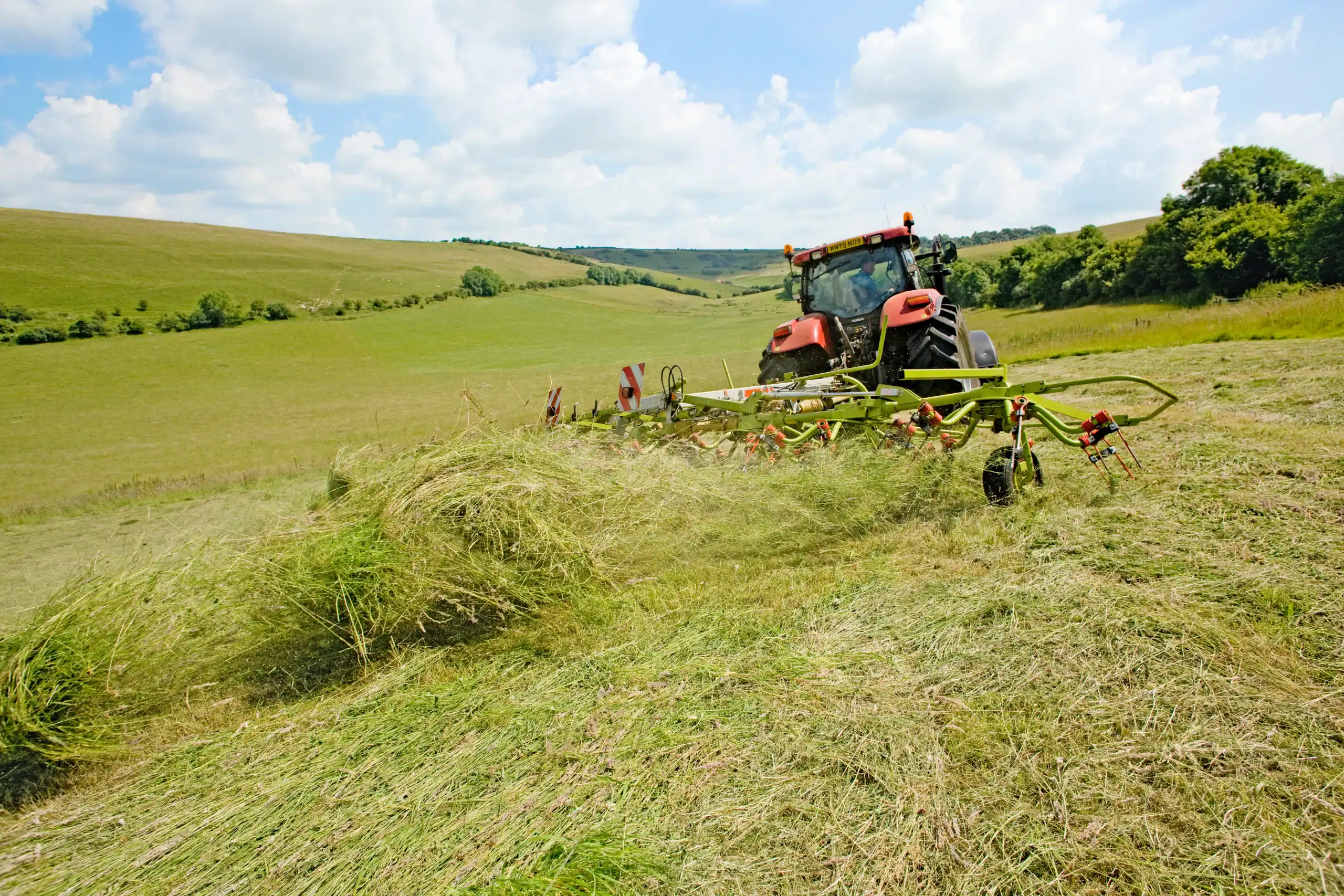
You’ve got land that’s become unusable. Thick brush, tall grass that’s way past what a regular mower can handle, maybe some small saplings mixed in. Every season it gets worse, and now you’re looking at a real project.
Here’s what changes after we clear it. You can actually walk your property lines again. Fire risk drops because you’re not sitting on acres of dry, overgrown fuel. Ticks and snakes lose their habitat. If you’re planning to build, plant, or lease that land, it’s ready to go.
The difference between bush hogging and trying to tackle this yourself comes down to equipment and time. Our rotary mower cuts through vegetation up to three inches thick and handles terrain that would destroy a standard mower. What might take you weeks with rented equipment gets done in a day or two, and you’re not dealing with the learning curve or the liability.
R.E. Douglas Company Inc has been clearing land across the Northern Neck and Middle Peninsula for years. We’re not a franchise or a crew passing through—we’re based here, and most of our work comes from repeat clients and referrals in Middlesex County and surrounding areas.
Saluda sits in an area where properties tend to be larger, incomes are higher, and people expect professional results. You’re not looking for the cheapest option. You’re looking for someone who shows up with the right equipment, gives you a straight answer on pricing, and doesn’t leave debris piles or half-finished sections.
We carry liability insurance because bush hogging involves flying debris and real risk. We’ve seen what happens when unlicensed operators cut corners, and we’ve been called in to finish jobs that were started but never completed. That’s not how we work.
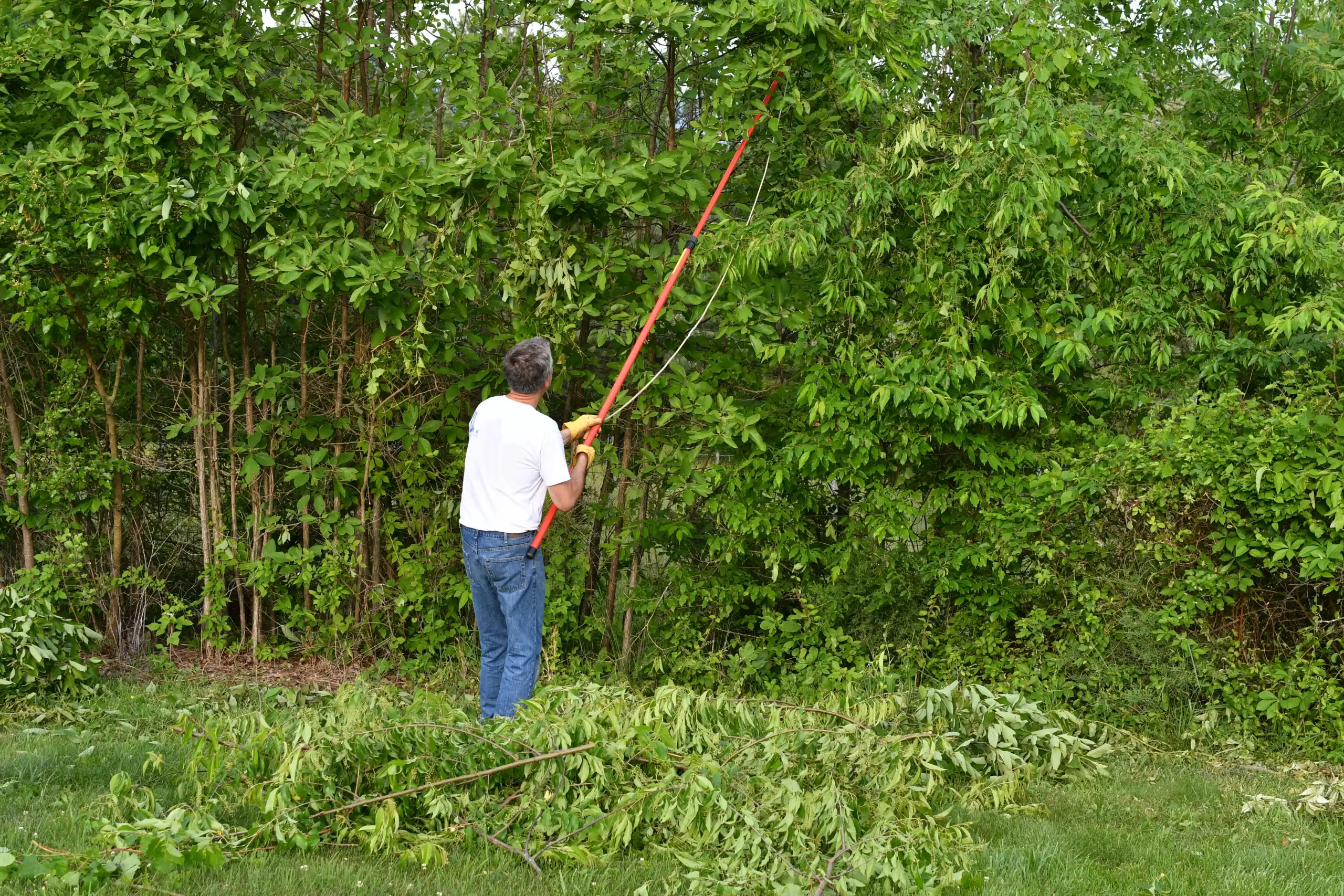
First, we come out to look at your property. You tell us what you need cleared, and we walk it together. We’re looking for obstacles—old fence posts, rocks, debris piles, anything that could damage equipment or slow us down. This is where most problems get prevented, because we’re asking the questions other contractors skip.
Then we give you a price. For most jobs, we charge per acre with clear rates: first acre costs more because of mobilization, then subsequent acres drop in price. If your terrain is unusually difficult or there are hidden complications, we tell you upfront. No hourly rates that stretch out with no end in sight.
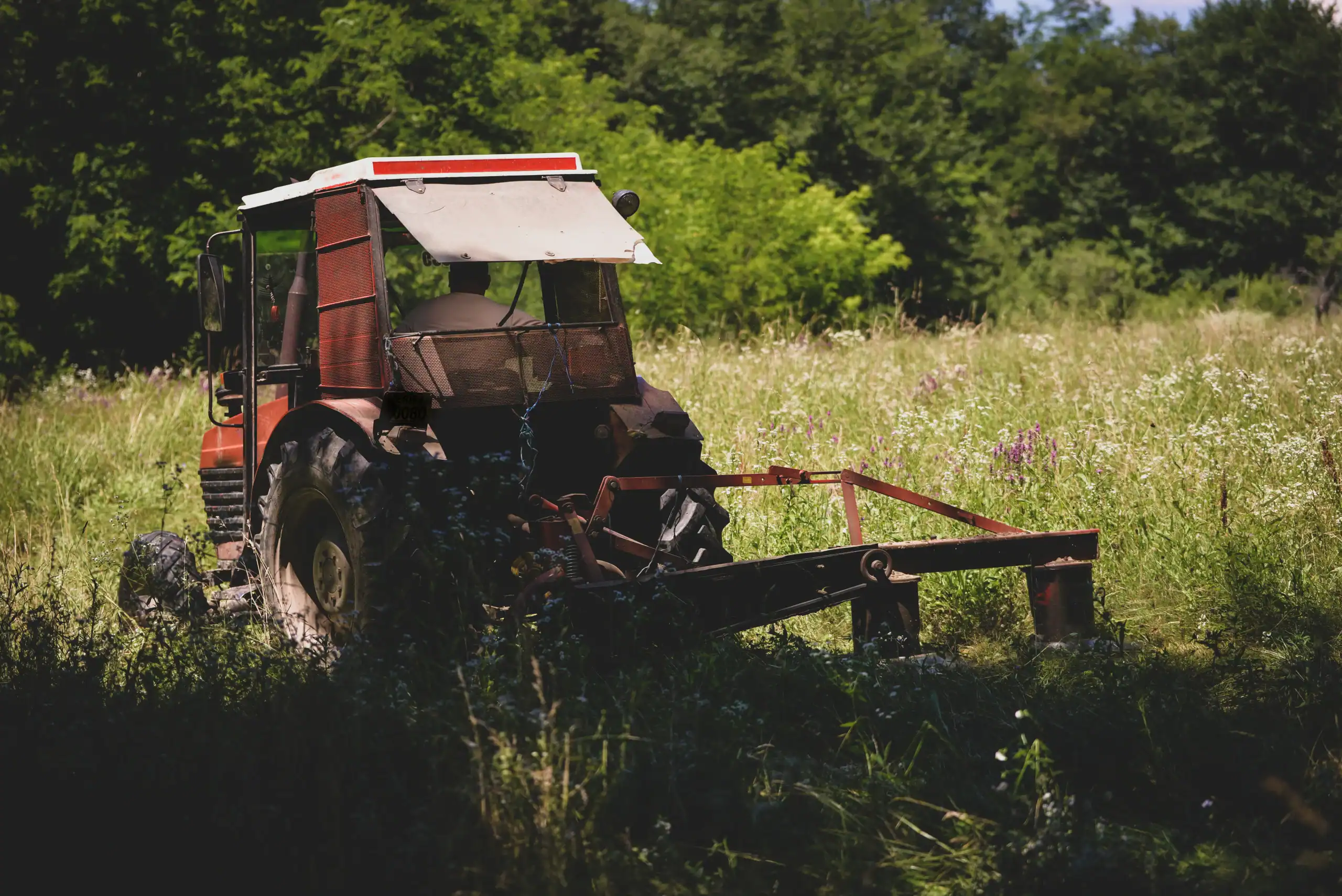
Once we start, the work moves fast. Our heavy-duty rotary mower handles thick underbrush, tall grass, and small trees. We’re not mowing around obstacles or leaving sections unfinished. The vegetation gets cut down and mulched in place, which actually feeds your soil as it breaks down. After we’re done, we do a final walkthrough with you to make sure everything meets your expectations and local requirements if applicable.
Ready to get started?
Bush hogging works for overgrown fields that need to become pasture again, residential lots where vegetation has taken over, and commercial properties that need site preparation before construction. If you’re dealing with tall grass mowing that’s beyond what a lawn service can handle, this is the right tool.
In Saluda and Middlesex County, we see a lot of properties where owners want to create firebreaks, especially with the drier summers we’ve been having. Bush hogging removes the dry, flammable vegetation that creates risk. It’s also the fastest way to reduce tick habitat if you’ve got kids or dogs using the property.
The service includes clearing the vegetation and mulching it in place. We don’t haul away the cut material unless you specifically need that, which would be a separate cost. What you’re left with is cleared land and a layer of organic mulch that breaks down over time. If you need follow-up work—grading, seeding, or additional clearing—we handle that too, but bush hogging itself is about getting dense vegetation under control quickly.
One thing to know about this area: properties here tend to have good topsoil, but they also grow thick fast during warm months. If you’re planning to maintain the land long-term, bush hogging once or twice a year keeps it manageable. Let it go for several years, and you’re looking at a much bigger job.
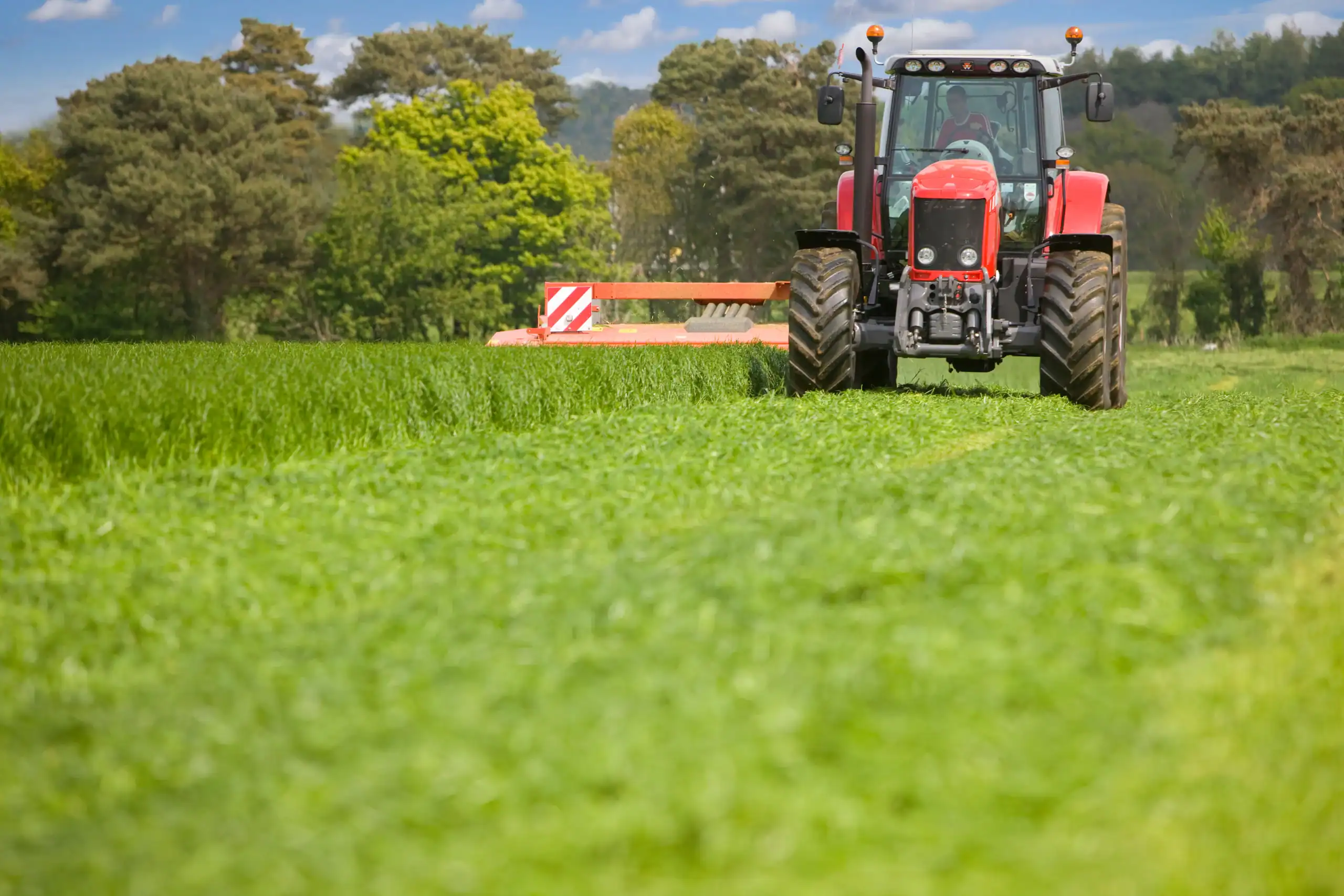
Most bush hogging in this area runs around $125 for the first acre, then $60 per acre after that. The first acre costs more because it includes the time to mobilize equipment, assess the site, and get set up. After that, the work moves faster.
That said, pricing changes if your property has complications. Steep slopes, hidden obstacles like old fence wire or concrete, or vegetation that’s extremely dense can add time and wear on equipment. We’ll tell you during the site visit if your job falls outside standard pricing.
Hourly rates sound flexible, but they’re hard to predict and often end up costing more. Per-acre pricing gives you a clear number upfront. If you’re comparing quotes, make sure you’re comparing the same scope—some contractors will quote low but skip sections or charge extra for things that should be included.
Bush hogging uses a heavy-duty rotary mower to cut vegetation down and mulch it in place. It’s fast, cost-effective, and works well for fields, overgrown lots, and areas with tall grass and brush up to a few inches thick. The cut material stays on the ground and breaks down over time.
Forestry mulching uses a different machine that grinds up larger trees, stumps, and thick brush into fine mulch. It’s more aggressive and handles bigger material, but it’s also more expensive—often around $2,750 per day to clear about an acre. If you’ve got small saplings and thick underbrush, forestry mulching might be overkill.
For most properties in Saluda, bush hogging is the right call. You’re dealing with overgrown fields, not forest. If you’ve got larger trees or stumps that need removal, that’s when forestry mulching or excavation makes sense. We can walk your property and tell you which approach fits your situation and budget.
You can, but most rental companies have stopped renting bush hog attachments because of the injury rate. Bush hogging involves heavy equipment, spinning blades, and flying debris. If you hit a hidden obstacle—rock, metal, old fence post—it can damage the equipment or send debris flying at high speed.
Even if you find a rental, you’re looking at a learning curve. Knowing how to operate the tractor, attach the bush hog correctly, adjust cutting height, and navigate terrain safely takes experience. Most people underestimate how long the job will take, and rental costs add up quickly when you’re working by the day.
The cost to hire a professional is often the same or less than renting equipment, and you’re not taking on the liability. If something goes wrong—property damage, injury, equipment breakdown—that’s on you. We carry insurance specifically for this work. For most property owners, especially in an area like Saluda where properties are valuable, the risk isn’t worth the savings.
Late spring through early fall is ideal. Vegetation is actively growing, which means you’re cutting it back when it’s green and easier to mulch. The longer daylight hours also let us cover more ground in a day.
That said, bush hogging works year-round in Virginia. If you’re clearing land for a project that’s starting in winter, we can handle that. Dormant vegetation cuts just fine, and there’s less risk of disturbing wildlife nests or active growth cycles. The main difference is that winter jobs might take slightly longer if the ground is wet or frozen.
If your goal is ongoing maintenance, plan for bush hogging once or twice a year. Properties in Saluda grow thick during warm months, and staying ahead of it keeps the job manageable. Let it go for several years, and you’re dealing with woody growth that’s harder to cut and takes more time. One clearing now, then regular maintenance after, is the most cost-effective approach.
No, bush hogging is designed to cut vegetation at ground level without disturbing the soil. The mower rides above the surface, so your topsoil stays intact. This is different from grading or excavation, which moves earth around.
The cut vegetation gets mulched and left in place, which actually benefits your soil as it decomposes. You’re adding organic matter back into the ground, which feeds remaining plants and improves soil structure over time. If you’re planning to seed or plant after clearing, the land is ready to go without additional prep.
The main risk is hitting obstacles that are hidden in thick growth—old fence posts, rocks, debris piles. That’s why we walk the property first and ask questions. If you know there’s something out there, tell us. We’d rather spend a few extra minutes clearing obstacles by hand than damage equipment or leave sections unfinished. Most property damage happens when contractors rush through without doing a proper site assessment. We don’t work that way.
Yes, commercial mowing and lot clearing are a significant part of what we do. If you’re a developer preparing a site, a business owner dealing with overgrown perimeter land, or managing a commercial property that needs regular field mowing, we have the equipment and experience to handle it.
Commercial jobs usually involve tighter timelines and specific requirements—access points, staging areas, coordination with other contractors. We’re used to working around those constraints. Our equipment can handle large acreage efficiently, and we’re licensed and insured for commercial work.
For ongoing commercial maintenance, we can set up a schedule that keeps your property clear without you having to call every time. A lot of our commercial clients in the Northern Neck and Middle Peninsula are on regular service plans because it’s easier than managing it project by project. If you need a one-time clearing or ongoing brush cutting service, reach out and we’ll put together a plan that fits your property and timeline.