
You get your land back. That overgrown section you’ve been avoiding becomes usable space again—cleared, safe, and ready for whatever comes next.
Bush hogging cuts through tall grass, dense brush, and small saplings that would destroy a regular mower. It’s not lawn care. It’s land management for areas that have gotten out of hand or need seasonal maintenance to stay ahead of coastal growth patterns.
Most White Stone properties deal with faster vegetation growth thanks to humidity and rainfall near the water. Miss a season and you’re looking at waist-high growth, tick habitat, and potential fire hazards. Regular bush hogging keeps that from happening. You maintain property value, reduce liability, and actually use the land you’re paying for.
R.E. Douglas Company Inc is a locally owned excavation and land clearing company that’s spent over two decades working in Lancaster County. We know how coastal conditions affect property maintenance and what it takes to keep land manageable year-round.
We’re licensed, bonded, and fully insured because high-value properties deserve that level of protection. Most of our work comes from referrals and repeat clients who need reliable seasonal maintenance, especially for vacation properties that can’t afford surprise overgrowth between visits.
We use commercial-grade equipment designed for Northern Neck terrain. You’re not getting a guy with a tractor attachment—you’re getting a crew that clears land professionally and understands timing around weather, tides, and growth cycles specific to White Stone.
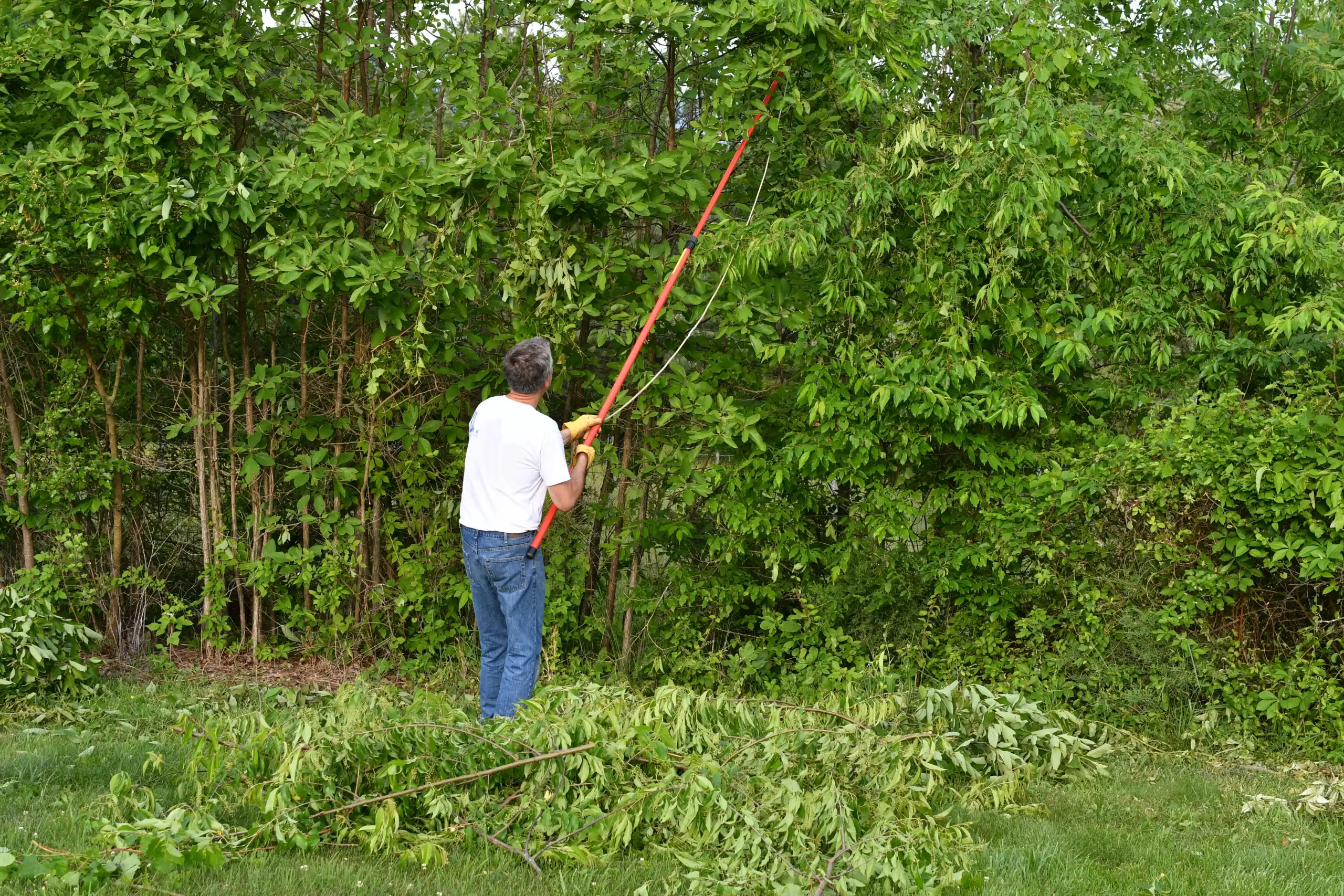
We start with a property walk to assess what you’re dealing with—how dense the growth is, what type of vegetation we’re clearing, and whether there are any obstacles like stumps, rocks, or drainage areas we need to work around.
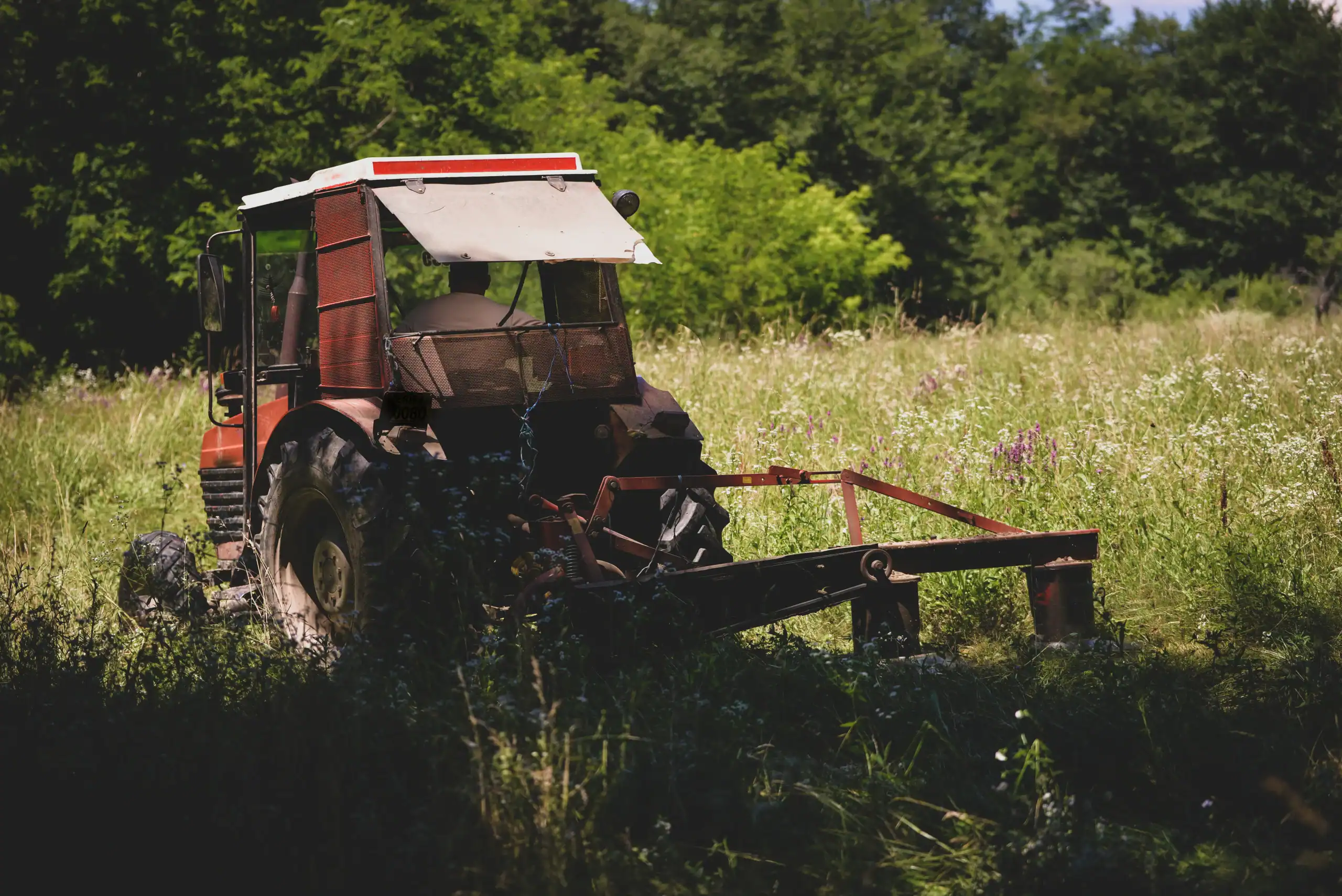
Then we bring in the bush hog, which is essentially a heavy-duty rotary cutter pulled behind a tractor. It uses thick blades that can handle vegetation up to several inches in diameter. We make multiple passes depending on density, cutting everything down to a manageable height that either mulches back into the soil or gets cleared off-site if you prefer.
The whole process is faster than you’d think. Most residential lots take a few hours. Larger fields or heavily overgrown areas might take a day. We clean up debris, check for any drainage issues the overgrowth was hiding, and leave you with cleared, accessible land that’s ready to maintain or develop further.
Ready to get started?
You get a full site assessment before we start. We identify problem areas, discuss what height you want vegetation cut to, and plan around any features you want protected—trees, landscaping, structures, septic systems.
The actual bush hogging covers tall grass mowing, brush cutting, and removal of dense undergrowth that’s taken over. We handle saplings, brambles, overgrown fields, and lot clearing for construction or landscaping prep. If you’ve got a seasonal property in White Stone, we can set up maintenance schedules that keep growth under control between your visits.
White Stone’s coastal location means heavier growth cycles than inland properties. You’re dealing with more moisture, longer growing seasons, and vegetation that comes back fast if you don’t stay ahead of it. We time our services around those patterns so you’re not constantly fighting the same overgrowth. One or two seasonal clearings usually keep most properties manageable, but larger lots or wooded edges might need more frequent attention depending on how you use the space.
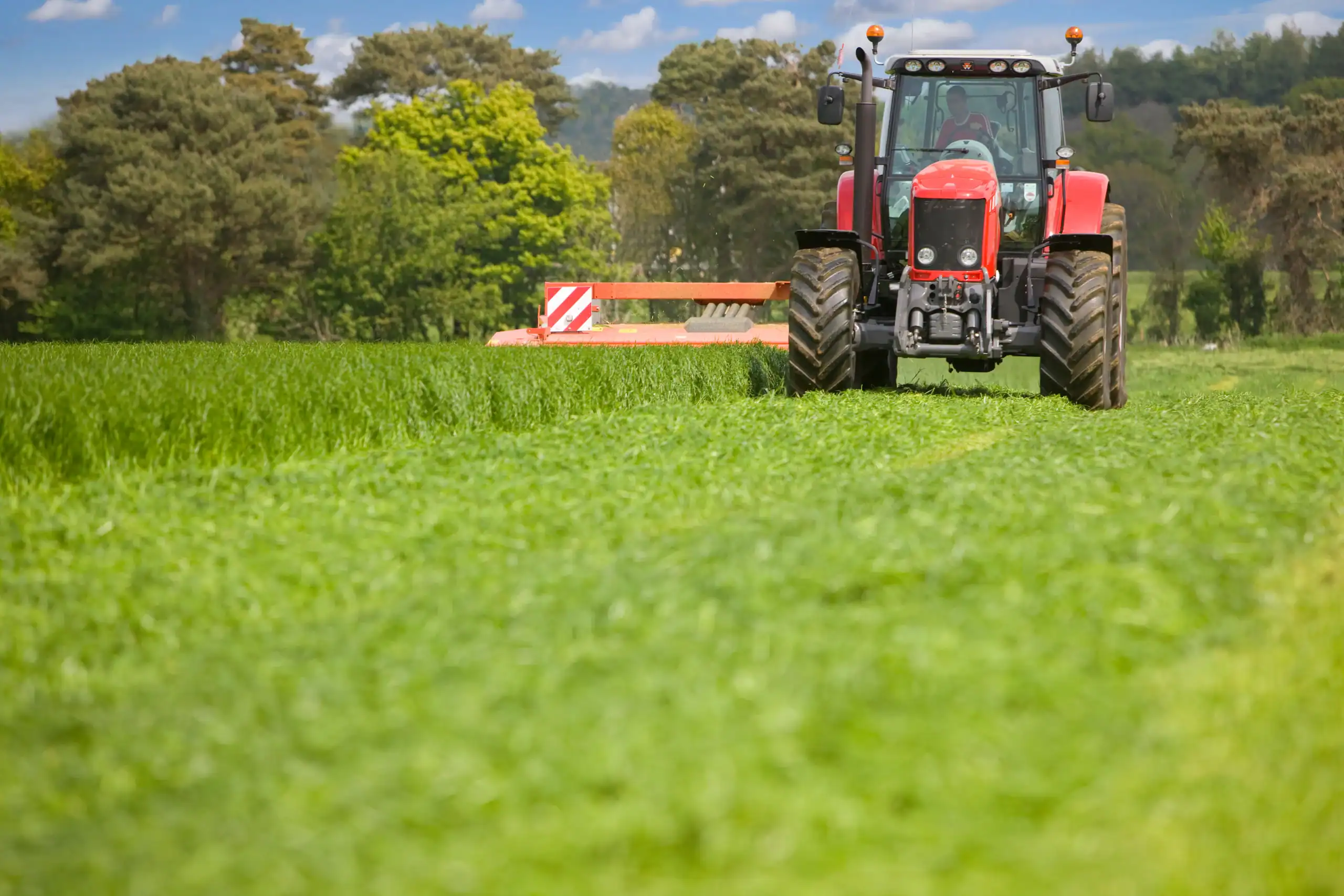
Most properties need bush hogging once or twice a year, depending on how fast vegetation grows and how you use the land. If it’s a vacation home you visit seasonally, clearing before and after summer usually keeps things manageable.
Properties with wooded edges or near water tend to grow faster because of humidity and rainfall. You might need an extra pass in late spring if growth is aggressive. Fields used for recreation or aesthetics benefit from early summer clearing when growth peaks.
If you’re clearing land for the first time in years, expect to need a heavy initial cut, then maintenance passes every 6-8 months after that. Once you’re on a schedule, the work gets easier and faster because you’re staying ahead of dense regrowth instead of fighting through it.
Bush hogging handles vegetation that would destroy a regular mower. Standard lawn mowers are designed for maintained grass under 6 inches. Bush hogs cut through grass several feet tall, thick brush, brambles, and saplings up to a few inches in diameter.
The equipment is completely different. A bush hog uses heavy rotary blades on a reinforced deck, usually pulled behind a tractor. It’s built to take impact from rocks, stumps, and dense growth without breaking down. Regular mowers have thin blades that would bend or shatter in those conditions.
You use bush hogging for land clearing, field maintenance, overgrown lots, and areas that haven’t been touched in months or years. You use regular mowing for maintained lawns and landscaping. If you’re not sure which you need, the general rule is: if it’s over your ankles or you can’t walk through it easily, you probably need bush hogging.
Not if it’s done by someone who knows what they’re doing. That’s why the site assessment matters. We locate septic systems, drain fields, underground utilities, and any features that need protection before we start cutting.
Bush hogs are powerful, but they’re not reckless. We control depth and avoid areas where the equipment could cause compaction or damage to underground systems. If your property has a septic system, we mark it and work around it. Same with wells, utility lines, and irrigation systems.
The bigger risk is actually leaving land overgrown. Dense vegetation hides drainage problems, creates fire hazards, and attracts pests that can damage structures. Proper bush hogging clears that growth safely and often reveals maintenance issues you didn’t know existed—like erosion, standing water, or encroaching tree roots that need attention before they become expensive problems.
It’s not going to look like a golf course, but it won’t look destroyed either. Bush hogging leaves cut vegetation mulched across the surface, which actually helps the soil by adding organic matter as it decomposes.
If you want a cleaner finish, we can rake and remove debris after cutting. Most people leave it because the mulch suppresses future growth and returns nutrients to the soil. Within a few weeks, everything settles and you’re left with cleared, manageable land.
The ground itself stays intact. We’re not grading or excavating—just cutting surface vegetation. You might see some tire tracks in soft areas, but nothing that affects drainage or usability. If your goal is preparing land for construction or landscaping, bush hogging is usually the first step before grading and finish work.
Cost depends on how much land you’re clearing, how dense the growth is, and how accessible the property is. Most residential lots run a few hundred dollars. Larger fields or heavily overgrown areas with thick brush cost more because they take longer and put more wear on equipment.
We price by the job, not by the hour, so you know the cost upfront. After we assess your property, we’ll give you a clear quote based on what actually needs to be done. No surprises, no hourly rates that climb because the work took longer than expected.
For White Stone properties, especially seasonal homes, setting up a maintenance schedule usually saves money long-term. It’s cheaper to clear manageable growth twice a year than to let it get out of control and need heavy clearing every time. We can work out seasonal pricing if you want regular service.
Yes, if that’s what you want. Standard bush hogging mulches vegetation in place, but we can rake, pile, and haul away debris if you need a cleaner finish or you’re prepping the land for construction or landscaping.
Hauling adds to the cost because it’s extra labor and disposal, but it makes sense for certain projects. If you’re clearing a lot for building, you don’t want mulched brush sitting where your foundation goes. If you’re creating recreational space or pasture, you might want debris removed so the area is immediately usable.
For most maintenance work, leaving mulch in place is fine. It breaks down naturally, feeds the soil, and suppresses regrowth. But we handle it however works best for your project. Just let us know what the end goal is and we’ll recommend the best approach.
Other Services we provide in White Stone