
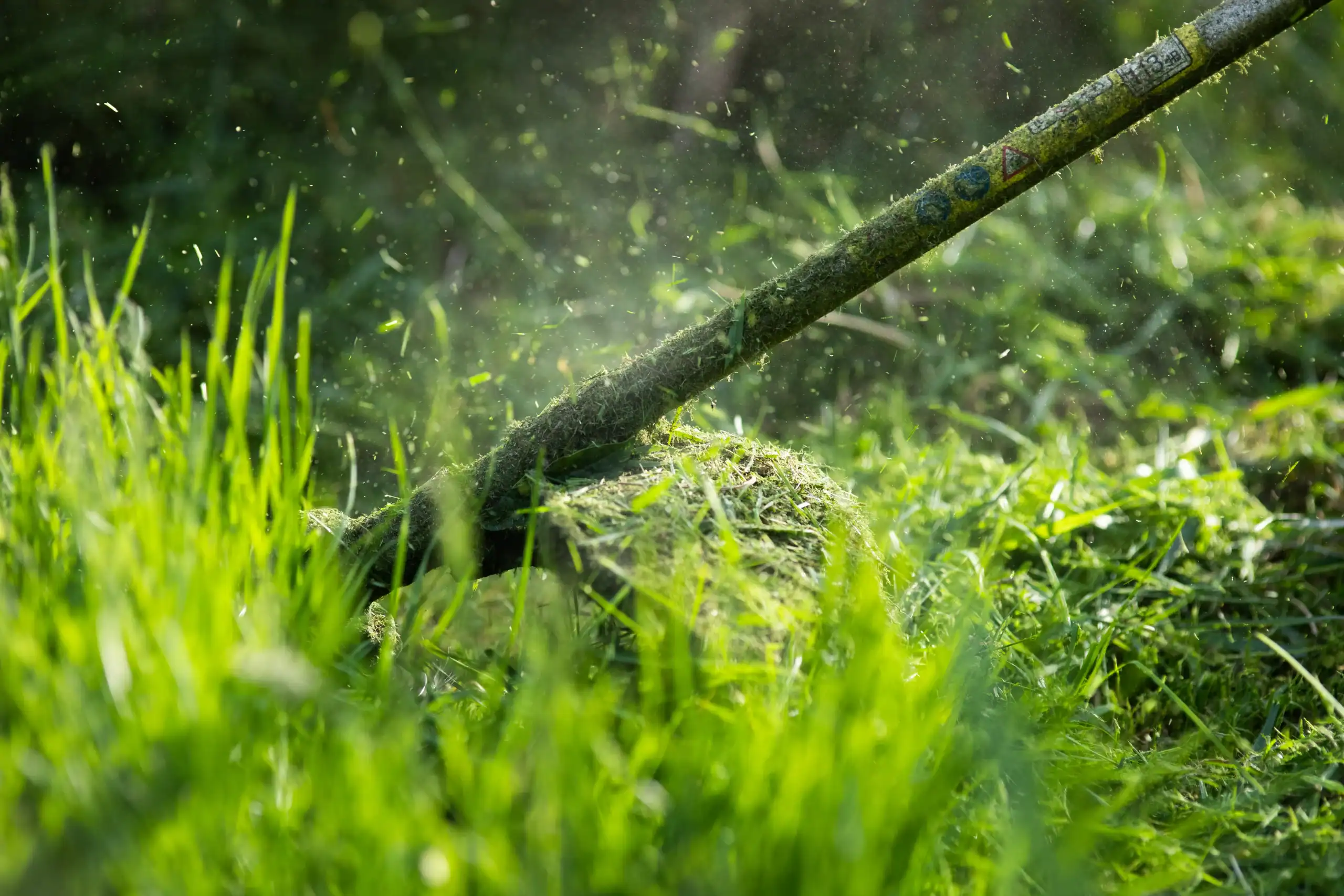
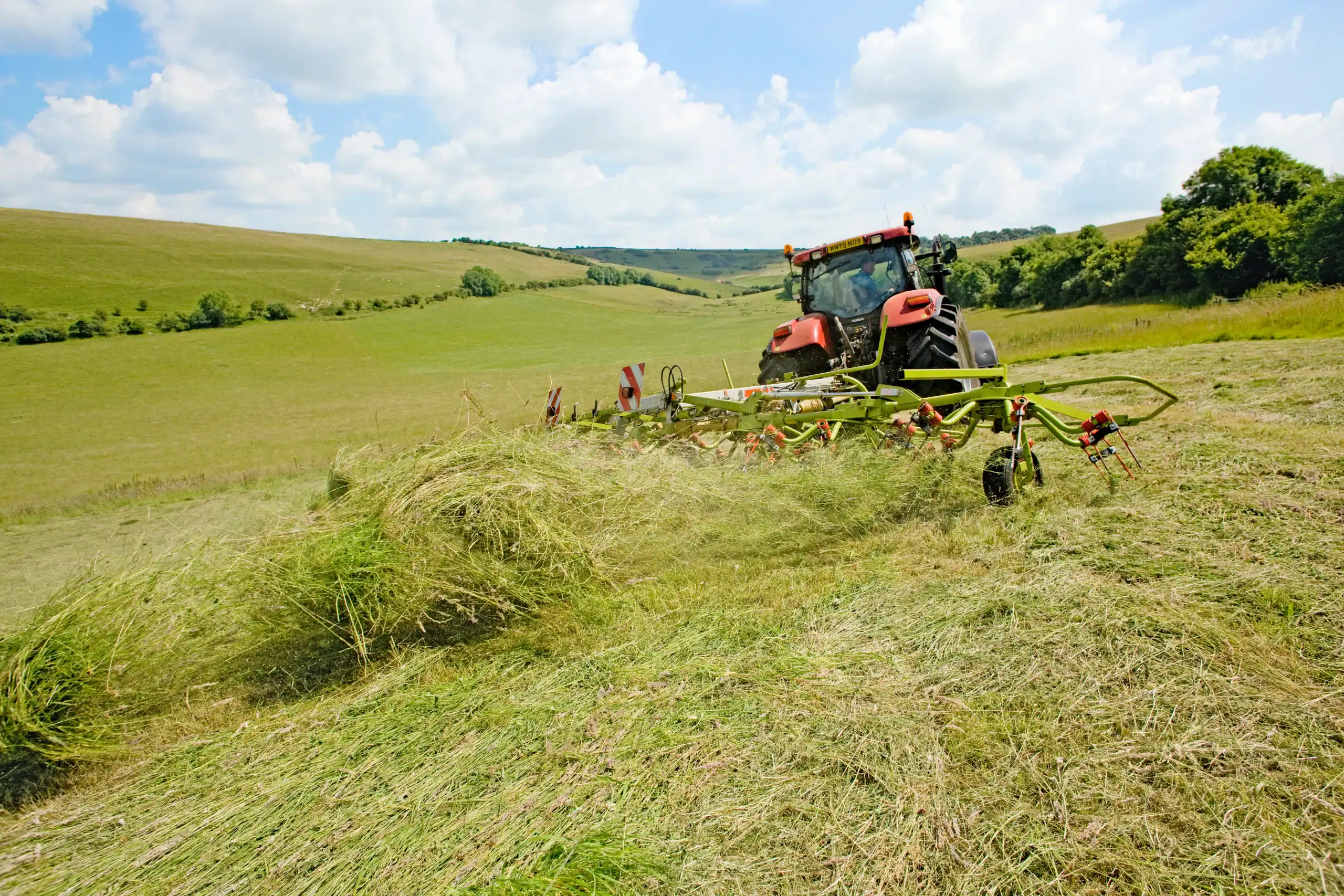
You get your land back. That field you’ve been avoiding because the grass is waist-high and full of brambles becomes usable again. The fire risk drops. Drainage improves because water isn’t getting choked out by overgrowth.
Your property value holds or increases because maintained land signals care to buyers and appraisers. If you’re dealing with county codes requiring grass under 10 inches, you’re compliant without lifting a finger. And if you’re managing acreage in Northumberland County where the median home value sits above $726,000, keeping your land clear isn’t optional—it’s protection.
Bush hogging handles what your riding mower can’t: thick grass, saplings, brush, and weeds that would destroy residential equipment. It’s not lawn care. It’s field mowing and lot clearing that opens up space, reduces pests, and makes your property safer and more functional.
We aren’t new to Wicomico Church or the Northern Neck. We’ve spent over two decades working on properties just like yours—rural estates, farmland, waterfront lots, and commercial sites that need more than a lawn service can handle.
We know the terrain here. We understand how quickly vegetation takes over in Virginia’s growing season, and we’ve seen what happens when property owners wait too long. Our equipment is built for this work, and our operators know how to move fast without tearing up your land or leaving a mess behind.
You’re not getting a crew that’s learning on your property. You’re getting people who’ve cleared thousands of acres across the Northern Neck and Middle Peninsula, and who show up when they say they will.
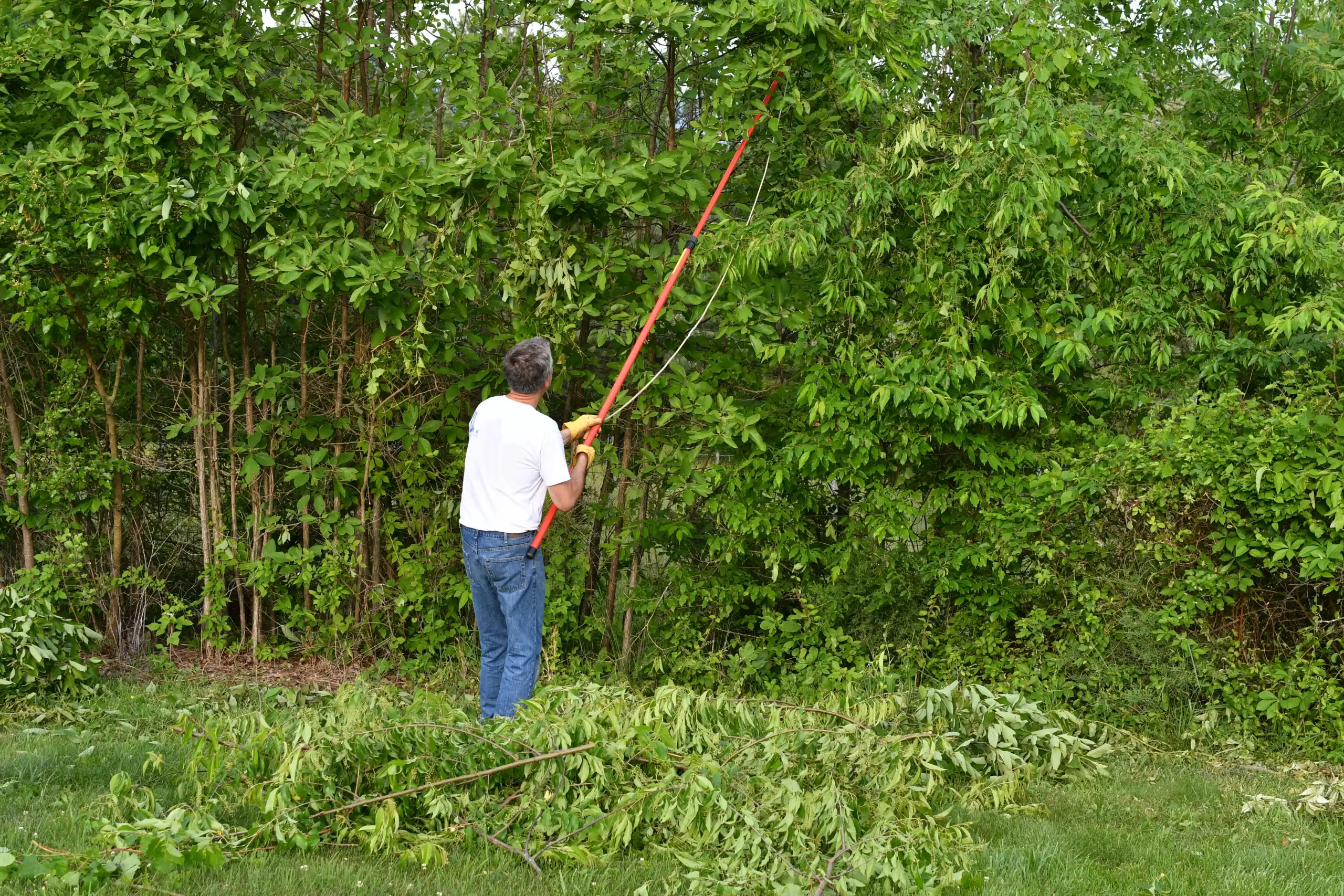
First, we walk your property or review it remotely if you send photos. We’re looking at terrain, density, obstacles, and access points. This tells us what equipment to bring and how long the job will take.
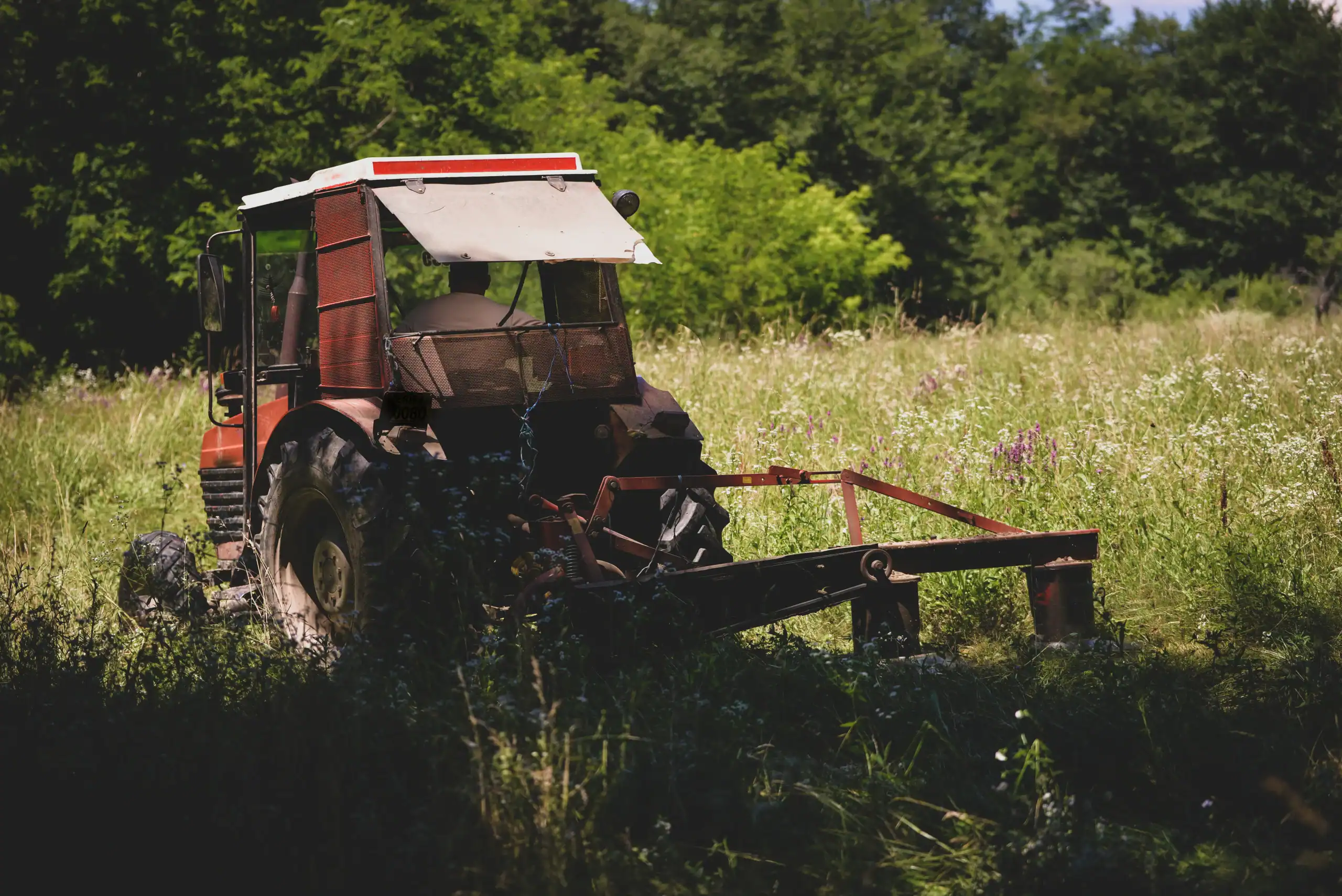
Once we’re on-site, we use heavy-duty rotary cutters mounted on tractors to mow down overgrown grass, weeds, light brush, and small saplings. The cut height depends on what you need—some clients want it down to a few inches, others prefer it higher to prevent erosion or maintain a natural look. We adjust based on your goals.
We work in passes, covering the property systematically so nothing gets missed. If there are areas with dense brush or larger growth, we slow down and make multiple passes to get it level. Obstacles like rocks, stumps, or fencing get flagged and avoided.
After the cutting’s done, the vegetation gets mulched down and left on-site unless you want it removed. Most clients leave it because it decomposes and returns nutrients to the soil. If you need the debris hauled off or want follow-up grading, we handle that too.
Ready to get started?
You get a full site assessment before we start, so there are no surprises on cost or timing. Our bush hogging service covers overgrown fields, pastures, ditches, fence lines, and any area where vegetation has gotten out of control. We handle tall grass mowing, brush cutting, and light tree removal up to a few inches in diameter.
In Wicomico Church and across the Northern Neck, properties often sit on multiple acres with mixed terrain—some flat, some sloped, some near water. We adjust our approach based on what your land needs. If you’ve got conservation easements or specific environmental concerns, we work within those guidelines.
We also offer recurring maintenance plans for clients who want their property cleared seasonally or a few times a year. Spring and summer are peak times for growth here, and staying ahead of it prevents bigger problems. Regular field mowing keeps fire risk low, pests out, and your land accessible year-round.
Our equipment includes multiple tractors and rotary cutters, so we can handle small residential lots or large commercial properties without delays. If you need additional services like grading, drainage work, or dock maintenance, we do that too—no need to coordinate multiple contractors.
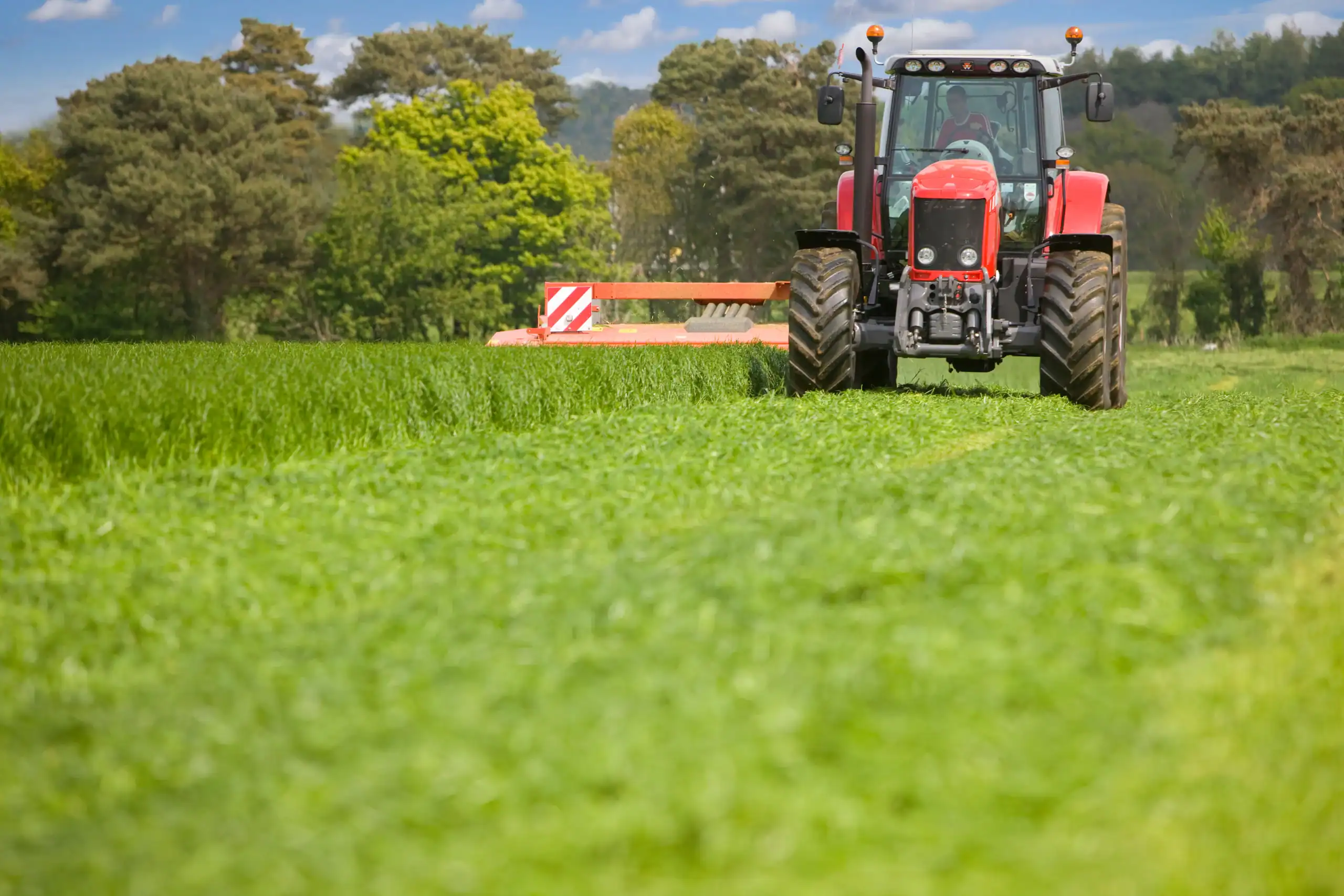
Most bush hogging runs between $75 and $100 per acre for open land with moderate vegetation. If your property has steep slopes, heavy brush, or obstacles like rocks and stumps, expect pricing closer to $100 to $120 per acre because it takes more time and careful maneuvering.
Hourly rates typically fall between $85 and $120 depending on equipment size and terrain difficulty. Some companies charge a minimum fee for small jobs—usually around $200 to $300—because mobilizing equipment and crew has a baseline cost regardless of acreage.
We give you a clear quote after assessing your property. No hidden fees, no surprise charges. If conditions change once we’re on-site, we talk to you before adjusting anything.
Bush hogging cuts down grass, weeds, and light brush in open areas using a rotary mower. It’s designed for fields, pastures, and overgrown lots where vegetation is thick but not heavily wooded. The cut material gets chopped and left on the ground to decompose.
Forestry mulching is for heavier work—clearing dense brush, small trees, and undergrowth in wooded areas. It uses a specialized machine that grinds everything into mulch in one pass. It’s more expensive and typically used for land clearing projects where you’re removing significant woody growth.
If your property is mostly tall grass and brush with some saplings, bush hogging is faster and more cost-effective. If you’re dealing with thick woods or need to clear trees, forestry mulching makes more sense. We can walk your property and recommend the right approach based on what’s actually growing there.
Most rural properties in Wicomico Church need bush hogging once or twice a year—once in late spring after the first major growth surge, and again in late summer or early fall if vegetation rebounds quickly. Properties with faster-growing weeds or near water may need three passes annually.
If you’re managing the land for fire safety, keeping it cleared twice a year is usually enough to prevent dangerous fuel loads. If you’re maintaining it for aesthetics or to meet county codes, you might need more frequent service depending on how visible the property is and how fast things grow back.
Some clients only call us when the grass gets out of control, but that often means more expensive jobs because the vegetation is denser and harder to cut. Regular maintenance keeps costs predictable and prevents the property from becoming unmanageable. We can set up a schedule that works with your budget and keeps the land in good shape year-round.
Bush hogging is generally safe for your land when done by experienced operators, but there are risks if utilities aren’t marked or if the terrain has hidden obstacles. Before we start, we ask about septic systems, water lines, electrical conduits, and irrigation. If you’re not sure where things are buried, we recommend calling Virginia 811 to get utilities marked.
Our operators watch for ground irregularities, rocks, and stumps while cutting. We avoid areas where the equipment could catch on something or where the ground is too soft and prone to rutting. If your property has steep slopes or drainage issues, we adjust speed and cutting height to minimize soil disturbance.
The rotary cutter itself doesn’t dig into the ground like tilling equipment—it cuts above the soil line. But if the land is wet or the grass is extremely thick, the tractor tires can leave ruts. We try to schedule work when the ground is dry, and if conditions aren’t right, we’ll reschedule rather than risk tearing up your property.
Bush hogging cuts invasive plants down but doesn’t kill the root systems, so most species will regrow. It’s effective for managing spread and reducing seed production, but it’s not a permanent removal method for aggressive invasives like multiflora rose, autumn olive, or Japanese knotweed.
For properties dealing with invasive species, bush hogging works best as part of a broader management plan. Cutting repeatedly over a season weakens plants and makes follow-up treatments more effective. Some clients combine bush hogging with targeted herbicide applications or manual removal for stubborn species.
If your main goal is controlling invasives long-term, we can talk through options that go beyond mowing. But if you need the property cleared now and plan to address invasives separately, bush hogging gets the height down and makes the land safer and more accessible while you figure out the next steps.
No, you don’t need to be there. Most of our clients aren’t home during the work, especially for larger properties where the job takes several hours or a full day. As long as we have clear access and know where any obstacles or restricted areas are, we can handle everything without you on-site.
We do recommend a walkthrough or phone conversation before we start so we understand exactly what you want cleared and what to avoid. If there are gates, locked areas, or specific instructions, let us know ahead of time. Some clients mark boundaries or sensitive areas with flags, which helps us stay on track.
Once the job’s done, we’ll let you know it’s complete and follow up if there’s anything that needs attention. If you want to be there to review the work before we leave, that’s fine too—we just need a heads-up so we can plan timing accordingly.
Other Services we provide in Wicomico Church