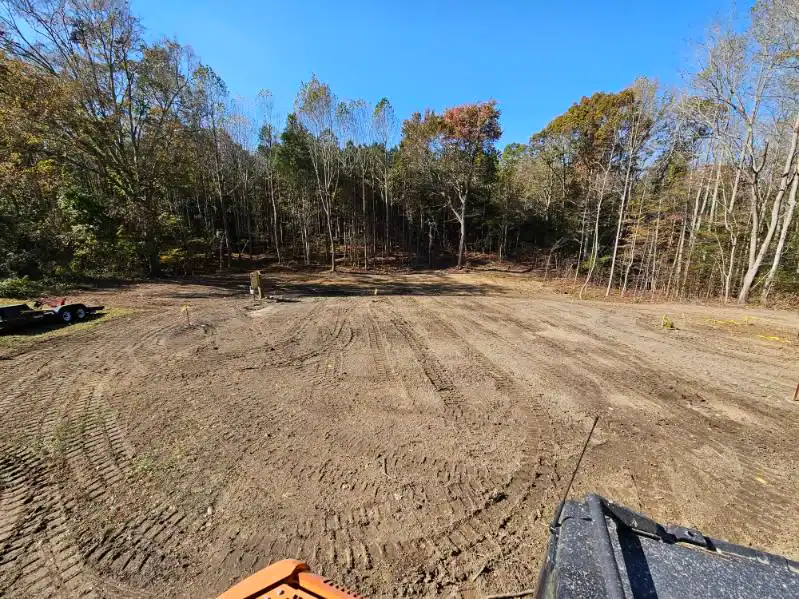
Planning a construction project in Virginia's Northern Neck? Professional demolition services clear the way safely and efficiently, preparing your site for what comes next.
Share:
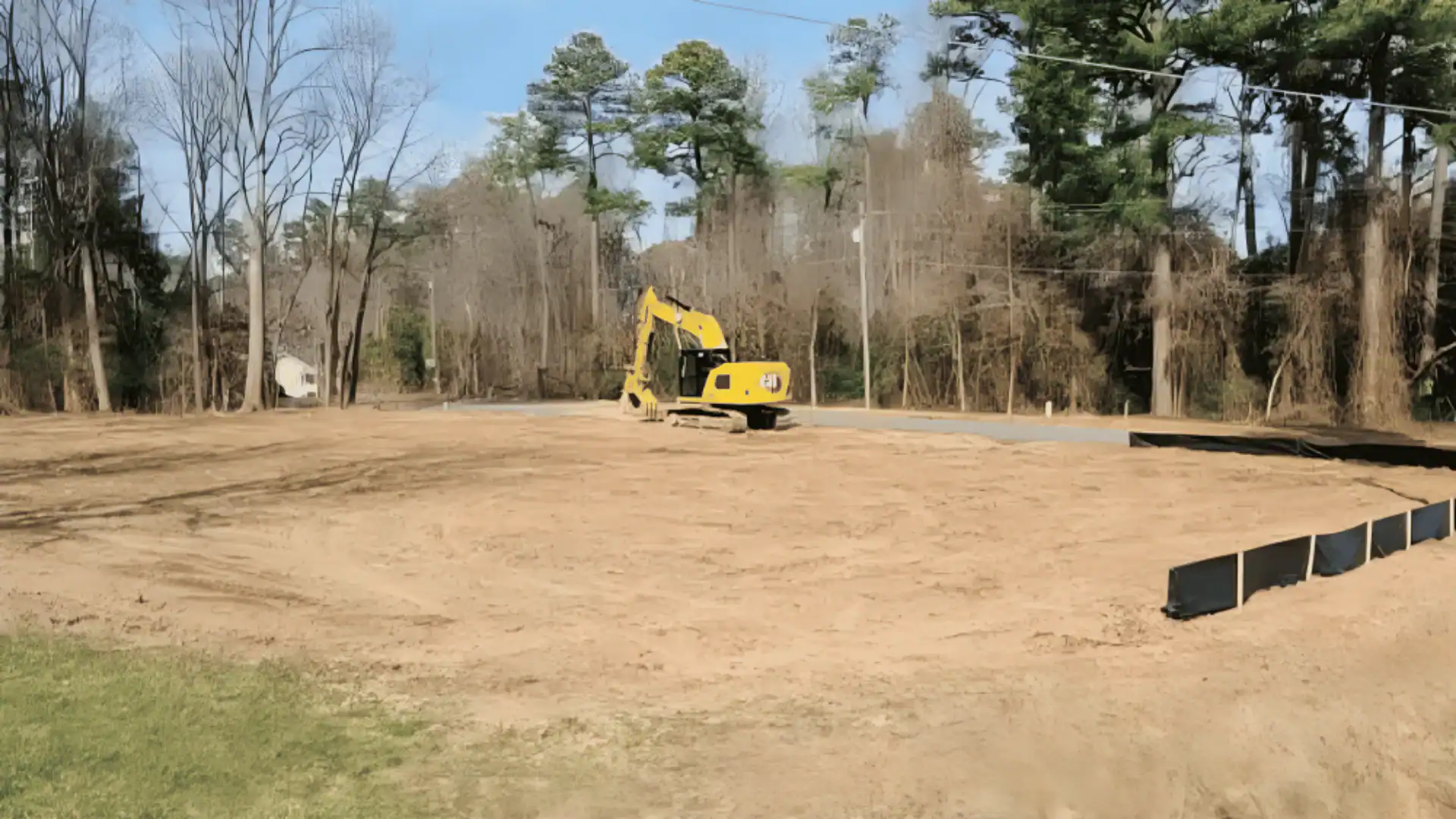
Summary:
Demolition services cover more ground than most people realize. It’s not just bringing in heavy equipment and leveling a structure. Professional demolition contractors handle everything from initial site assessment to final debris removal, making sure your property is construction-ready.
This includes building demolition of complete structures, selective removal of specific areas, hazardous material identification and abatement, utility disconnection and capping, debris hauling and disposal, and site grading. Each step in the demolition process requires specific expertise and equipment. The goal isn’t just to tear something down—it’s to prepare your land safely and efficiently for whatever comes next.
Every demolition project starts with an engineering survey. This isn’t optional—OSHA requires it. A qualified professional assesses the structure’s condition, identifies potential hazards, and determines the safest demolition method. We’re looking for structural weaknesses, hazardous materials like asbestos or lead paint, and any factors that could cause an unplanned collapse.
Next comes utility coordination. Before any demolition begins, all utilities need to be located, disconnected, and capped outside the building line. That means gas, electric, water, and sewer. Your demolition contractor should coordinate with utility companies and obtain written confirmation that services have been properly shut off. Skipping this step isn’t just dangerous—it can be deadly.
Permitting happens in parallel. Virginia requires demolition permits for both residential and commercial structures, and requirements vary by county. In some jurisdictions, you’ll need to notify adjacent property owners at least 10 days before work begins. We handle this paperwork, but it’s worth understanding what’s required in your specific county.
Once permits are approved and utilities are disconnected, the actual demolition begins. The method depends on the structure. Residential buildings typically come down using excavators or similar machinery. Larger commercial structures might require specialized equipment, cranes, or even selective demolition techniques that preserve certain portions of the building.
Throughout the process, safety protocols are non-negotiable. Workers use personal protective equipment, fall protection systems, and dust suppression measures. The site is secured to protect both workers and the public. Debris is controlled and contained.
Finally, debris removal and site preparation wrap up the project. Materials are sorted for recycling or proper disposal. The site is graded and left ready for construction. This final step is crucial—you don’t want delays because your demolition contractor left the job half-finished.
Safety isn’t where you cut corners on a demolition project. The risks are real: structural collapse, utility strikes, hazardous material exposure, falling debris, and injuries to workers or bystanders. Professional contractors follow strict safety protocols because one mistake can have serious consequences.
The engineering survey we mentioned earlier? That’s your first line of defense. It identifies structural weaknesses, load-bearing walls, and areas that need shoring or bracing before demolition begins. If the building has been damaged by fire, flood, or other causes, additional precautions are necessary to prevent premature collapse.
Hazardous material assessment happens before any demolition work begins. Older structures often contain asbestos in insulation, siding, or flooring. Lead paint is common in homes built before 1978. Some buildings may have stored chemicals, fuels, or other dangerous substances. All of these require specialized handling and disposal. We test for these materials and arrange proper abatement if needed.
Worker protection involves multiple layers. Personal protective equipment includes hard hats, safety glasses, respirators, gloves, and steel-toed boots. Fall protection systems are required when working at heights. Dust suppression measures protect both workers and neighbors from airborne particles. Emergency medical services and fire prevention plans should be in place before work begins.
Site security protects the public and adjacent properties. The demolition area is clearly marked and barricaded. If debris is being dropped through openings, the drop zone is enclosed with barriers. Covered walkways protect workers moving through the site. In areas with heavy foot or vehicle traffic, additional measures ensure no one accidentally enters the demolition zone.
Adjacent property protection is especially important in developed areas. We assess nearby structures before demolition begins and take measures to prevent damage from vibration, falling debris, or dust. In some cases, this means reinforcing neighboring buildings, using specific demolition techniques, or scheduling work during certain hours.
Utility protection doesn’t end with disconnection. If any utilities need to remain active during demolition—like water for dust suppression—they must be relocated and protected from damage. We maintain clear documentation of all utility work for safety records and future reference.
Not all demolition projects are created equal. Residential and commercial building demolition involve different scales, regulations, equipment, and timelines. Understanding these differences helps you set realistic expectations and budget appropriately.
Residential demolition typically involves single-family homes, garages, barns, sheds, pools, and other structures on private property. These projects are generally smaller in scale and can often be completed in a matter of days. Commercial demolition covers office buildings, retail spaces, warehouses, factories, and other business structures. These projects are larger, more complex, and require additional planning and coordination.
Residential demolition projects move faster than commercial ones, but they’re not necessarily simpler. A typical single-family home demolition might take a few days to a week, depending on size and complexity. The process involves the same safety protocols and permitting requirements as commercial work, just on a smaller scale.
Equipment for residential demolition is typically smaller and more maneuverable. One excavator or similar machine can handle most residential structures. The focus is on efficiency and minimizing disruption to neighbors. In residential areas, we often work within specific hours to reduce noise complaints and traffic issues.
Hazardous materials are common in older homes. Asbestos in insulation, siding, or flooring. Lead paint on walls and trim. Mold in damp areas. These materials must be properly removed and disposed of before demolition begins. Testing and abatement add time and cost to the project, but they’re not optional.
Utility disconnection for residential properties requires coordination with local providers. You’ll need written confirmation that gas, electric, water, and sewer services have been shut off and capped. Some jurisdictions require a plumbing permit specifically for utility cap-offs. We handle this coordination, but expect it to add a week or more to your timeline while paperwork is processed.
Debris from residential demolition can often be partially recycled. Wood framing, metal fixtures, concrete foundations, and other materials may have salvage value or can be processed for reuse. Responsible contractors separate recyclable materials from waste, reducing disposal costs and environmental impact.
Site preparation after residential demolition typically involves grading the lot and ensuring proper drainage. If you’re planning new construction, the site needs to be level and stable. We leave the property in condition to immediately begin the next phase of your project.
Commercial demolition projects operate on a different scale entirely. A multi-story office building or large warehouse requires heavy machinery, specialized equipment, and significantly more planning than a residential structure. Timelines stretch from weeks to months depending on the building’s size and complexity.
Equipment for commercial demolition includes large excavators, cranes, wrecking balls, hydraulic shears, and sometimes explosives for controlled implosions. Multiple machines often work simultaneously on different sections of the building. The scale of equipment depends on the structure—a small retail building might only need standard excavators, while a high-rise requires specialized demolition techniques.
Safety regulations are stricter for commercial projects. There’s more at stake—more workers on site, more potential impact on surrounding businesses and traffic, and higher liability if something goes wrong. OSHA standards apply to all demolition work, but commercial projects face additional scrutiny. Inspections are more frequent. Documentation requirements are more extensive. Emergency response plans must account for larger crews and more complex evacuation scenarios.
Permitting for commercial demolition is more involved than residential. You’ll need approvals from multiple departments: building, fire marshal, environmental, and potentially transportation if the project affects traffic. Some jurisdictions require traffic management plans if the demolition impacts roads or sidewalks. Environmental assessments may be necessary if the building contained industrial processes or hazardous materials.
Hazardous materials are more likely in commercial buildings, especially older ones. Asbestos was widely used in commercial construction for insulation, fireproofing, and ceiling tiles. Lead paint is common. Industrial buildings may have stored chemicals, fuels, or other dangerous substances. Commercial property owners face higher liability for improper hazardous material handling, so thorough testing and professional abatement are critical.
Selective demolition is more common in commercial projects. Maybe you’re renovating an office building and only need to remove certain interior walls. Or you’re tearing down part of a warehouse while keeping the rest operational. Selective demolition requires precision—you’re removing specific sections without compromising the structural integrity of what remains. This takes more time and specialized expertise than total demolition. Working with an experienced demolition contractor who understands these nuances makes the difference between a smooth project and costly delays.
Debris volume from commercial demolition is substantial. A large building generates tons of concrete, steel, wood, and other materials. Disposal logistics become a major consideration. How many dumpsters will you need? Where will debris be hauled? Can materials be recycled? These questions affect both cost and timeline. Professional contractors have established relationships with disposal facilities and recycling centers, streamlining this process.
Demolition is the first step toward building something new. It’s not the glamorous part of construction, but it’s arguably the most important. Done right, professional demolition clears your property safely, handles all regulatory requirements, and leaves your site ready for immediate construction. Done wrong, it creates delays, safety hazards, and unexpected costs that derail your entire project.
The key is working with contractors who understand the full scope of demolition services—from engineering surveys and hazardous material testing to utility coordination and debris removal. Look for experience in your specific type of project, whether that’s residential or commercial. Make sure they’re licensed, insured, and familiar with local regulations in your county.
When you’re ready to move forward with demolition services in Essex County, VA, Lancaster County, VA, Northumberland County, VA, Richmond County, VA, Westmoreland County, VA, or surrounding areas in Virginia’s Northern Neck and Middle Peninsula, we bring the expertise and equipment to handle site clearing and preparation efficiently. Professional demolition sets the foundation for everything that comes next.
Article details:
Share:
Continue learning: