Discover how professional pond building transforms your Virginia property into a valuable recreational asset with expert excavation, proper permitting, and lasting construction quality.
Share:
Summary:
Pond construction isn’t just about excavating a hole and filling it with water. It’s about understanding your land, your soil, and what you’re trying to accomplish.
In Virginia, most ponds fall into two categories: embankment ponds, where you dam a small stream or drainage area, and excavated ponds, where you dig into an area fed by springs and runoff. Your property’s topography, soil type, and water source determine which approach makes sense. Sandy soil behaves differently than clay. Flat land requires different techniques than sloped terrain.
The goal is creating a pond that holds water, supports the ecosystem you want—whether that’s fish, waterfowl, or just clear water—and doesn’t become a maintenance headache. That means proper depth (6 to 12 feet in Virginia for fish survival during winter), correct slope ratios (typically 3:1 for stability), and drainage systems that handle heavy rain without washing out your dam.
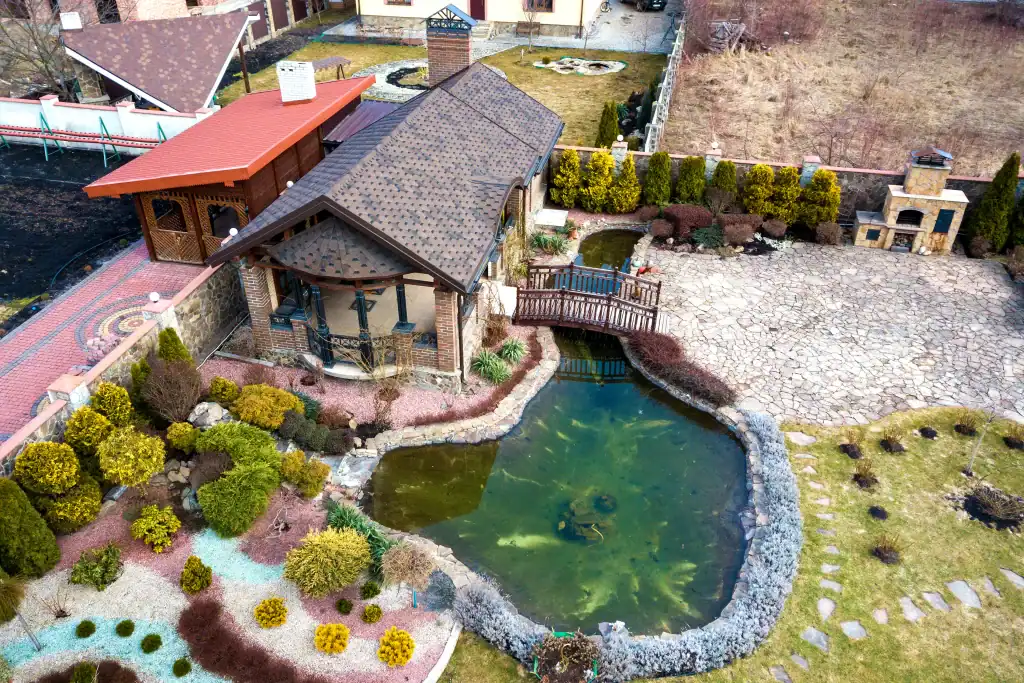
Let’s talk numbers for a minute. Studies show that properties with well-maintained ponds sell for 5-10% more than comparable properties without water features. For residential properties, that’s real money. For larger acreage, the increase can reach 7.7% or higher, especially in areas where water features are in demand.
But here’s the thing—buyers aren’t just paying for the pond itself. They’re paying for what it represents. A pond signals that the property has been improved thoughtfully. It offers recreational opportunities that public waters can’t match. It provides wildlife habitat, potential irrigation water, and in rural areas, livestock watering and fire protection.
The curb appeal factor matters too. Real estate professionals note that well-maintained ponds can increase visual appeal by up to 42%. That’s the difference between a property that sits on the market and one that sells quickly. Buyers in Essex County, Lancaster County, Northumberland County, and surrounding Virginia areas specifically seek out properties with established ponds because they know the work has already been done.
The key word there is “well-maintained.” A neglected pond with algae problems, eroding banks, or murky water can actually hurt property value. That’s why starting with proper construction matters so much. You’re not just building for today—you’re building for resale value down the line, even if selling isn’t on your radar right now.
Properties with ponds also tend to attract specific buyer types willing to pay premium prices: outdoor enthusiasts, families wanting private fishing spots, retirees looking for peaceful settings, and landowners interested in wildlife management. These buyers often have less price sensitivity because they’re buying a lifestyle, not just land.
Location determines whether your pond succeeds or becomes an expensive problem. You can’t just pick the prettiest spot and start digging.
First, look at your watershed—the area that drains into your potential pond site. In Virginia, productive fishing ponds typically have 20 or fewer acres of watershed per acre of pond. Too little watershed and your pond won’t fill or maintain water levels during dry spells. Too much and you’ll deal with excessive sediment, overflow issues, and water quality problems.
Soil type matters more than most people realize. Clay soil holds water naturally, which is ideal. Sandy or rocky soil often requires expensive liners—we’re talking $10,000 or more per acre—to prevent seepage. Before you commit to a location, soil testing tells you whether your ground will hold water or if you’re setting yourself up for a leak that never stops.
Consider what’s upstream. If your pond will be fed by runoff from agricultural land, you’ll need buffer strips—at least 50 feet of vegetation—to filter out sediments and nutrients before they reach your water. Livestock need to be fenced out completely. Their trampling erodes banks, muddies water, and introduces waste that fuels algae blooms and reduces oxygen levels.
Think about access too. Can excavation equipment reach the site without tearing up your property? Is the location visible from where you’ll actually enjoy it—your house, patio, or favorite sitting area? Will the pond fit naturally into the landscape, or will it look like an afterthought?
Topography plays a role as well. Sloped land often works well for embankment ponds with dams, but requires more engineering and earth-moving. Flat land might be better suited for excavated ponds, though you’ll need a reliable water source from springs or groundwater.
Also consider what’s downstream. If your dam failed, what would happen? Are there homes, roads, or other structures that could be damaged? Virginia regulations specifically address dam safety based on downstream hazard potential, and you’ll need to account for this in your planning.
The best approach? Have several potential sites in mind before you bring in professional help. That gives you options if soil tests or other factors rule out your first choice. An experienced excavation contractor can walk your property, evaluate each potential location, and recommend the site most likely to give you a successful, long-lasting pond.
Let’s address the two questions everyone has: what will this cost, and what permits do I need?
Cost varies widely based on size, depth, site conditions, and features you want. Small backyard ponds (under 1,000 square feet) typically run $2,500 to $15,000. Medium ponds—the quarter-acre to 3-acre range that most property owners in Westmoreland County, King George County, and Caroline County build for fishing and recreation—cost $30,000 to $100,000. Larger ponds over 3 acres can exceed $125,000, depending on excavation depth and complexity.
Those ranges include excavation, basic spillway and drainage installation, and site preparation. They don’t include extras like landscaping, fish stocking, fountains, or extensive erosion control beyond standard practices. Rocky soil, difficult access, or the need for imported clay to seal the pond bottom can push costs higher.
On permits, Virginia has specific requirements you can’t ignore. If your pond involves damming a stream or filling a wetland area, you’ll need permits from the Virginia Department of Environmental Quality and potentially the U.S. Army Corps of Engineers. Ponds with dams 25 feet or higher that hold 50 acre-feet of water or more require regulation by the Virginia Department of Conservation and Recreation. Smaller dams—6 feet or higher holding 15 acre-feet or more—also fall under DCR oversight.
Most counties require erosion and sediment control plans if your construction disturbs more than 10,000 square feet. Some agricultural ponds under 3 acres may qualify for exemptions, but you’ll need proper documentation.
Understanding what happens during construction helps you know what to expect and what questions to ask.
Site evaluation comes first. We assess your property, test soil samples, identify high and low areas, and determine the best location based on water sources, drainage patterns, and your intended use. This phase prevents expensive mistakes later—like discovering your soil won’t hold water after you’ve already dug the hole.
Design and planning follow. This includes determining pond size and shape, calculating proper depth (6 to 12 feet for fishing ponds in Virginia), designing the dam structure if needed, and planning for emergency spillways and drain pipes. The emergency spillway is critical—it carries flood runoff away from your pond so heavy rain doesn’t damage or destroy your dam.
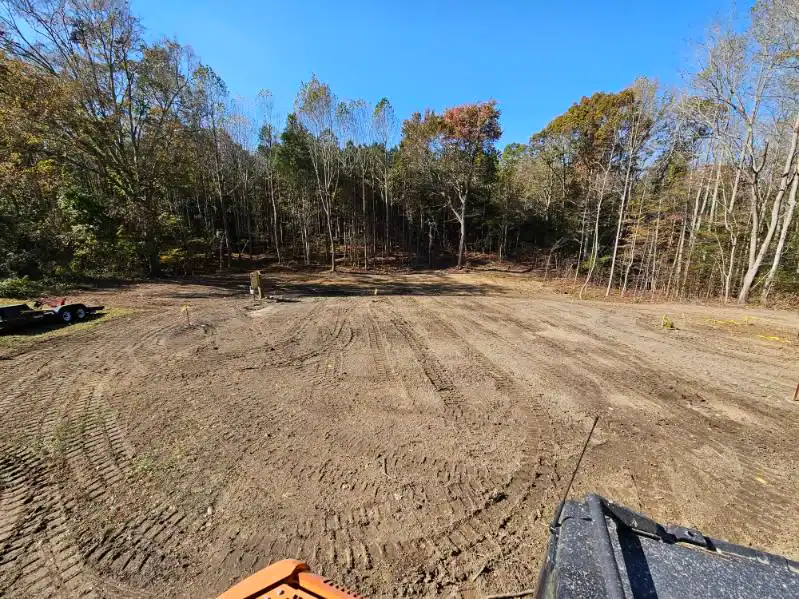
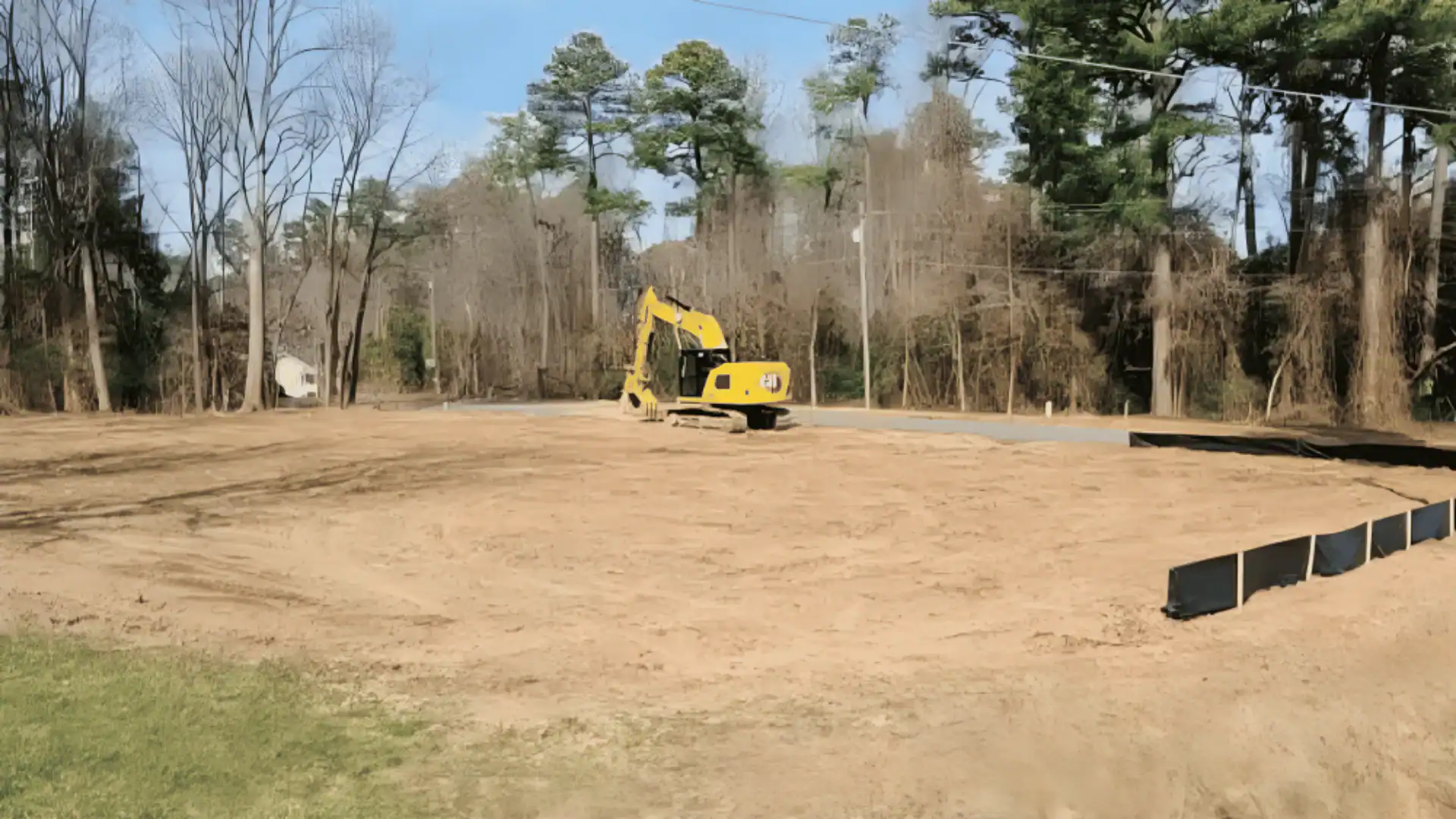
Excavation is where the visible work happens. Heavy equipment removes topsoil, digs the pond basin to proper depth and slope, and uses excavated soil to build the dam or berm if your design includes one. Proper compaction during this phase is essential. Poorly compacted soil leads to leaks and structural problems that are expensive to fix.
Installation of water control structures comes next. This includes the drain pipe (which allows you to drain the pond for repairs or fish management), standpipe, and emergency spillway. These components need to be installed correctly during construction—retrofitting them later is difficult and costly.
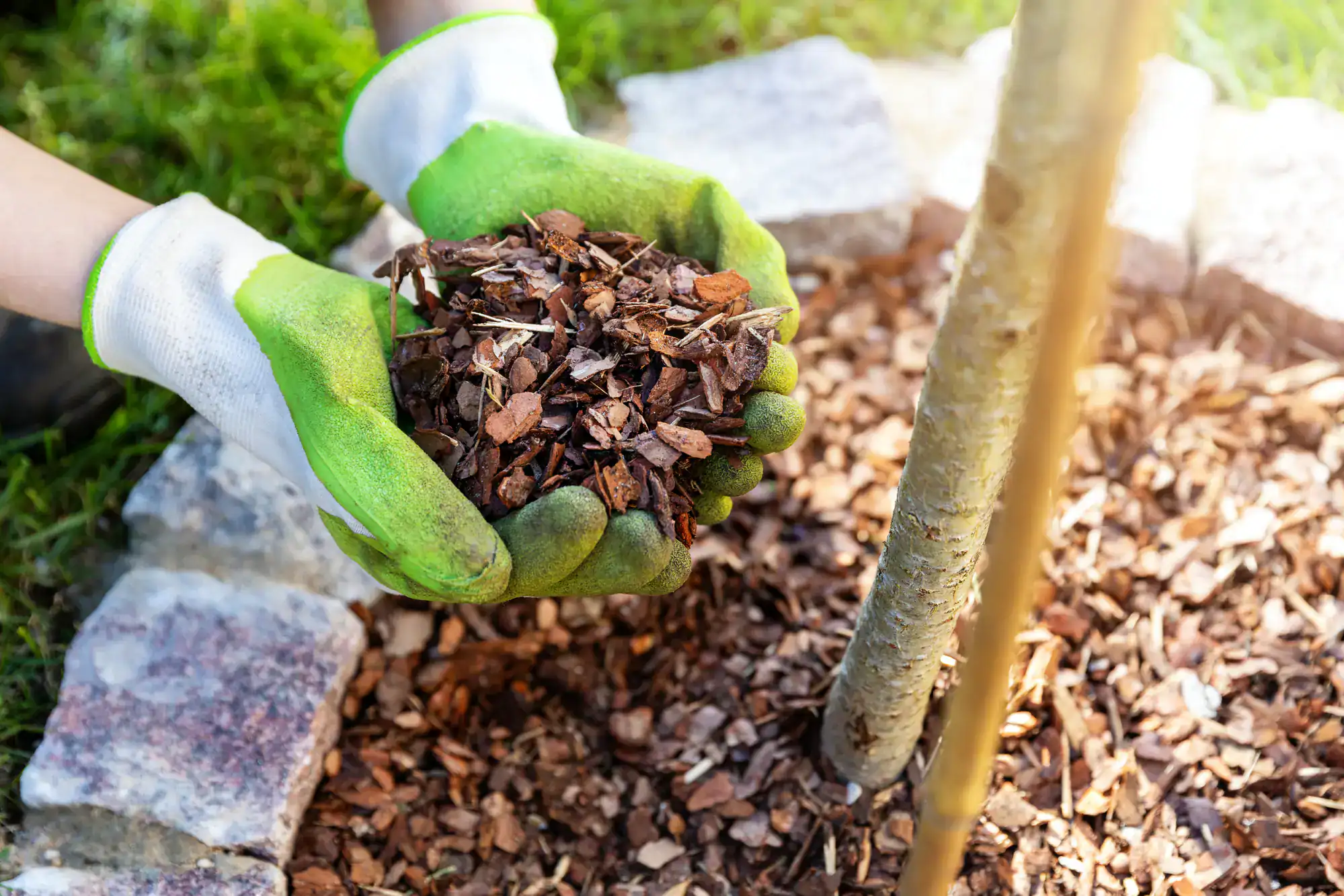
Final grading and stabilization complete the project. This involves establishing vegetation on dam faces and disturbed areas to prevent erosion, final slope adjustments, and preparing the site for filling. We recommend seeding with grass and mulching with straw immediately after construction to stabilize soil before the first rain.
Filling typically happens naturally through rainfall and runoff, though some property owners supplement with well water if they’re eager to speed up the process. Once filled, the pond needs time to settle and stabilize before fish stocking—usually late summer or early fall for the best results with sunfish and bluegill, followed by bass stocking the following year.
The timeline varies. Small to medium ponds often take 2 to 5 days of active construction time. Larger ponds with complex features might take two weeks or more. Weather, equipment availability, and site-specific challenges can extend these timelines, so build in some flexibility.
Some mistakes cost a few hundred dollars to fix. Others cost tens of thousands. Here’s what to avoid.
Skipping soil testing is the biggest mistake. You’re gambling that your soil will hold water without any actual evidence. If it doesn’t, you’re looking at expensive liner installation after the fact—$10,000 or more per acre for synthetic liners or imported clay. Test first, dig second.
Building too shallow causes multiple problems. Ponds less than 6 feet deep struggle with aquatic vegetation overgrowth, temperature fluctuations that stress fish, and low oxygen levels during summer. In Virginia winters, shallow ponds risk freezing solid, killing your fish population. Depth isn’t optional—it’s essential for a functional pond.
Inadequate drainage and spillway systems lead to dam failure during heavy rain. Your pond needs to handle a 100-year storm event without overtopping the dam. Undersized spillways or poorly designed drainage pipes create safety hazards and expensive repair situations. This is one area where cutting corners to save money upfront costs far more in the long run.
Ignoring permits and regulations can halt your project entirely or result in fines and required remediation. Virginia takes wetlands protection and dam safety seriously. Trying to avoid the permitting process rarely works out well. Get the proper approvals before you start moving dirt.
Poor site selection shows up in chronic problems: ponds that won’t hold water, excessive sediment from erosion, water quality issues from upstream contamination, or access problems for maintenance and enjoyment. Take time to choose the right location rather than forcing a pond into a convenient but unsuitable spot.
Failing to plan for fish habitat and ecosystem balance results in stunted fish populations, algae problems, and disappointing fishing. If you want a fishing pond, you need proper depth variations, some structure for fish habitat, and appropriate fish stocking ratios. Virginia recommends a 1:1:3:7 ratio of largemouth bass to catfish to sunfish to bluegill for balanced populations.
Not budgeting for maintenance and long-term care means problems compound over time. While ponds are relatively low-maintenance compared to pools or other water features, they’re not zero-maintenance. Plan for occasional vegetation management, periodic dam inspections, and potential repairs over the years.
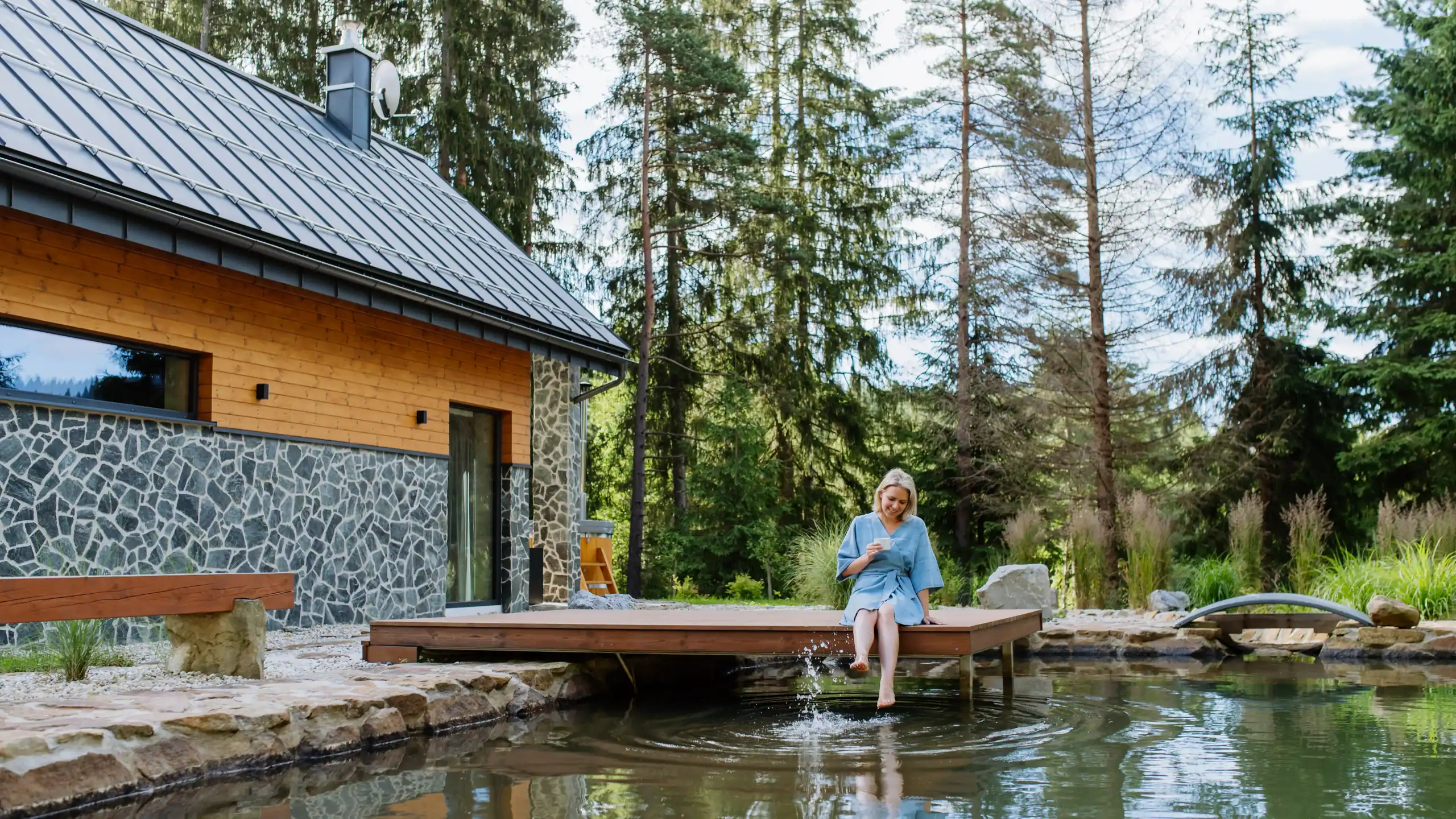
A well-built pond transforms your property in ways that go beyond simple aesthetics or recreation. You’re creating wildlife habitat, increasing land value, and building something that can last for generations with proper care.
The key is starting with professional expertise that understands Virginia’s specific requirements—from soil conditions in King and Queen County and Middlesex County to permitting requirements and proper construction techniques. Cutting corners on excavation, drainage, or site selection creates problems that are expensive to fix later.
Whether you’re envisioning a fishing pond, a wildlife habitat, or simply a peaceful water feature that enhances your property’s appeal, the foundation of success is proper planning and execution from the start.
We’ve been serving property owners throughout Essex County, Lancaster County, Northumberland County, Richmond County, Westmoreland County, and surrounding Virginia areas since 2003. We bring excavation expertise, heavy-duty equipment, and local knowledge to every pond construction project, ensuring your investment is built to last.
Article details:
Share:
Continue learning: