
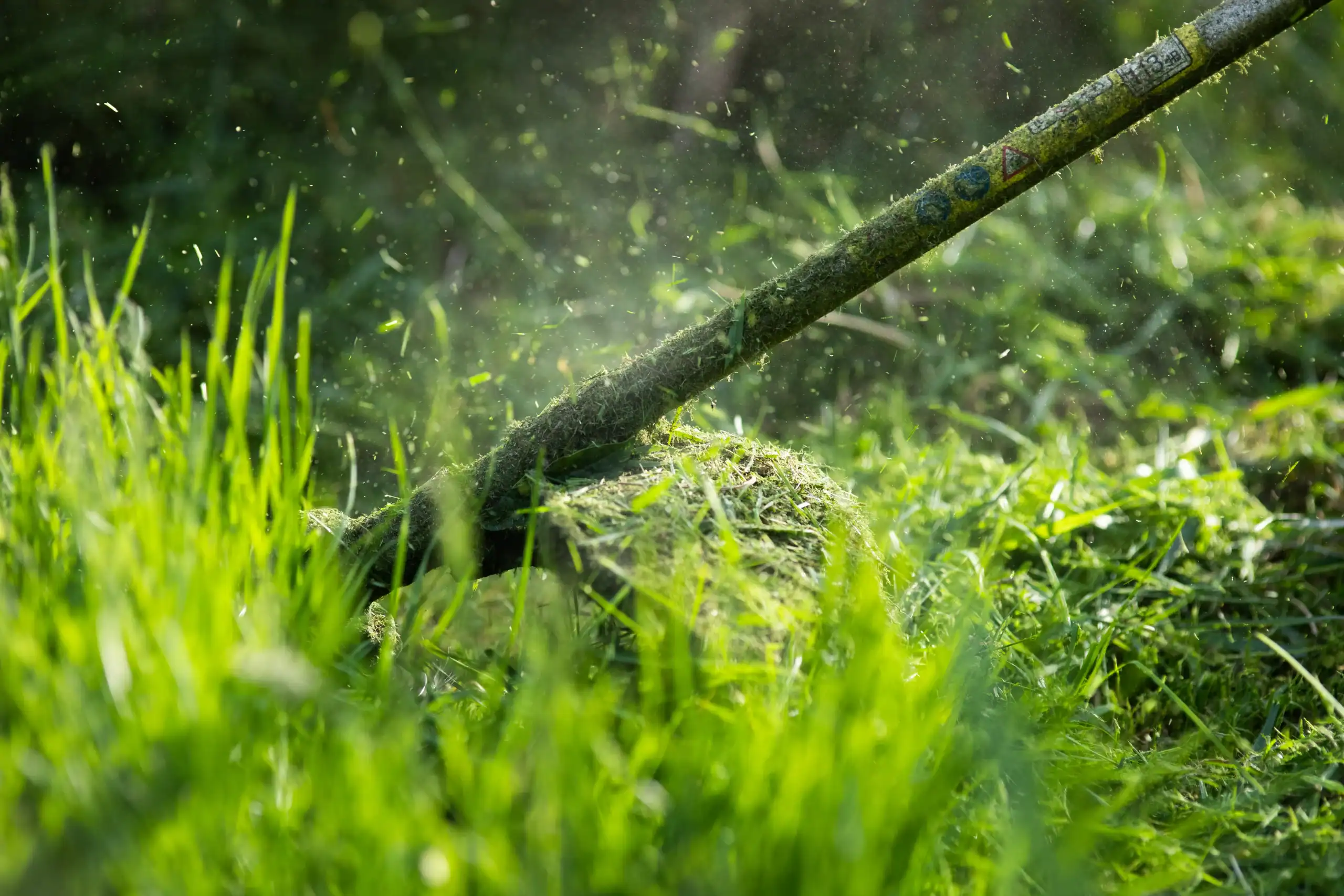
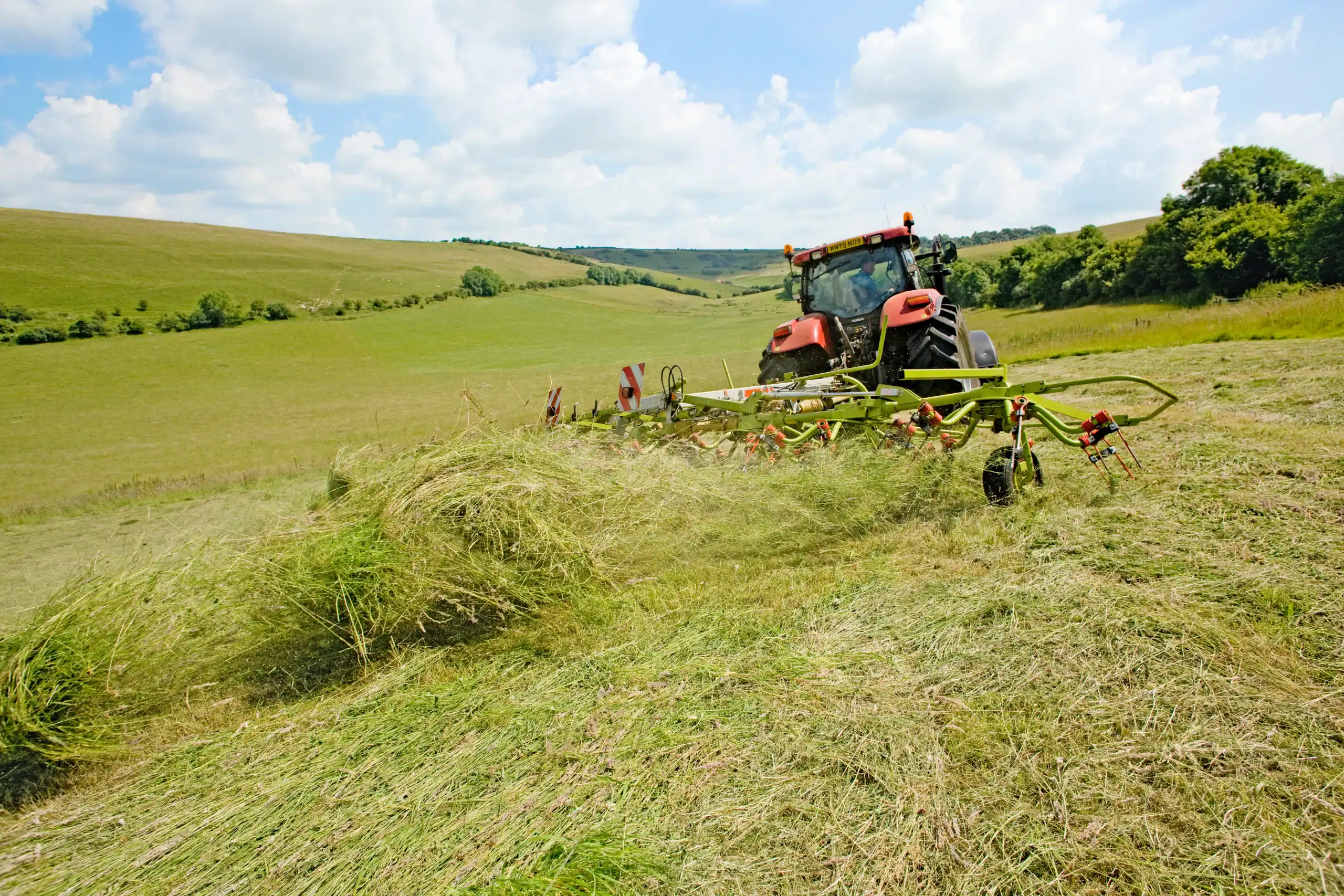
You’ve got land that’s become a problem. Overgrown grass hiding who-knows-what underneath. Brush creeping into areas you actually want to use. Maybe it’s a fire hazard now, or maybe you just can’t see the property lines anymore.
Bush hogging gets you back to baseline. It clears the heavy stuff—tall grass, weeds, small saplings, thick brush—so you can see what you’re working with. Once it’s cut down, you’ve got options again. You can develop it, maintain it, or just stop worrying about what’s growing out there.
This matters in the Northern Neck because properties here aren’t just lawn. You’re dealing with wooded edges, old fields, waterfront buffer zones. The vegetation grows fast and thick. If you let it go too long, you’re looking at years of work to reclaim it yourself—or one day with the right equipment.
R.E. Douglas Company Inc is a locally owned excavation and land services company based right here in the Northern Neck. We’ve worked on properties throughout Burgess, Westmoreland County, and the surrounding areas—from small residential lots to larger commercial tracts.
Our team knows this region. We understand the soil, the terrain, the way things grow here. We’ve cleared land for retirees fixing up waterfront property, developers prepping lots, and long-time residents who just need their fields maintained.
We’re not the cheapest option, and we won’t pretend to be. What you’re paying for is equipment that won’t quit halfway through your job, operators who’ve done this hundreds of times, and a local reputation we’ve spent years building. If something goes wrong, we’re still here to make it right.
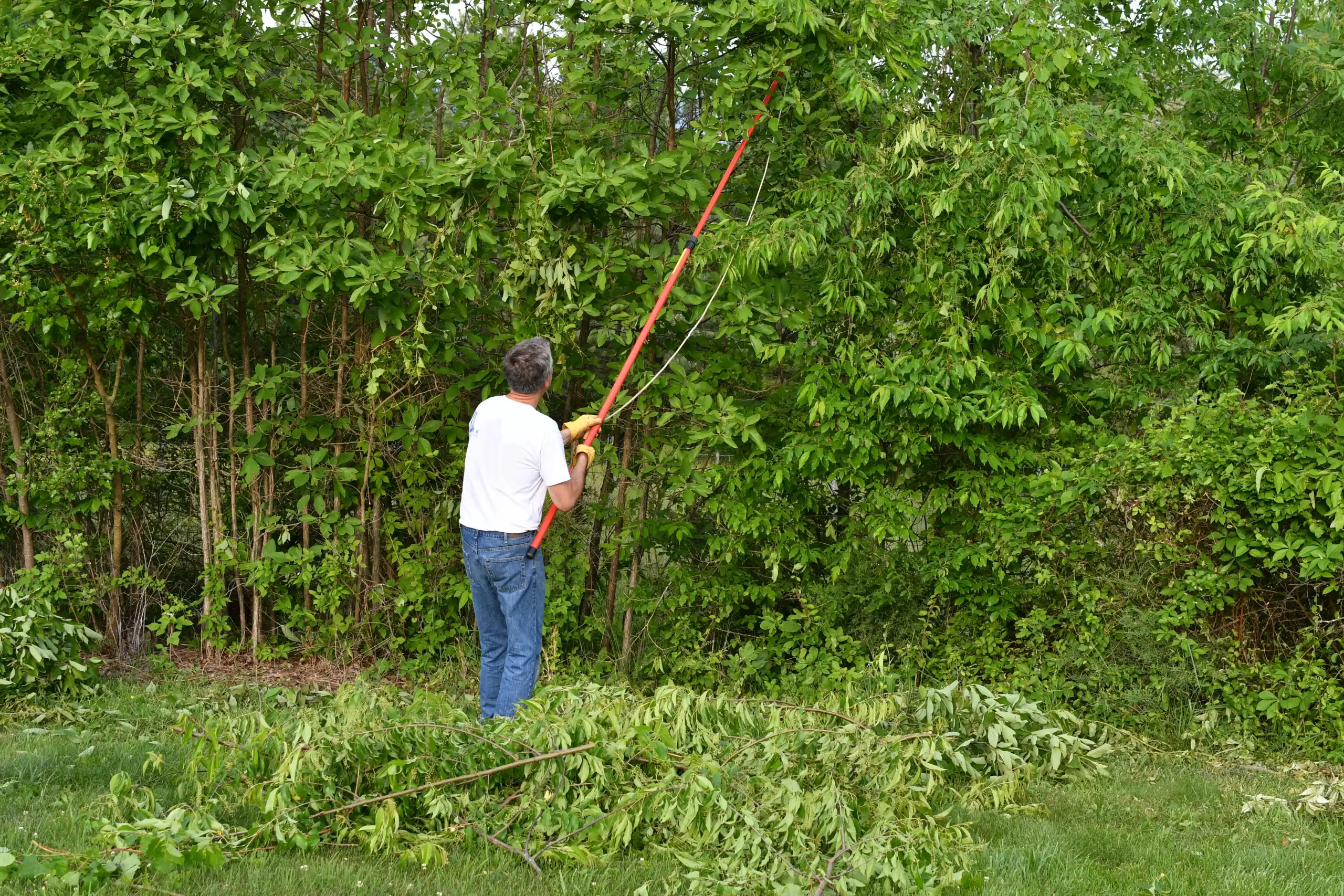
First, we come out to look at your property. We need to see what we’re dealing with—how thick the growth is, what kind of obstacles might be hiding in there, how much acreage needs clearing. This also gives you a chance to show us exactly what you want cut and what you want left alone.
After that, we give you a clear estimate. No surprises, no vague “depends on what we find” pricing. You’ll know what it costs before we start.
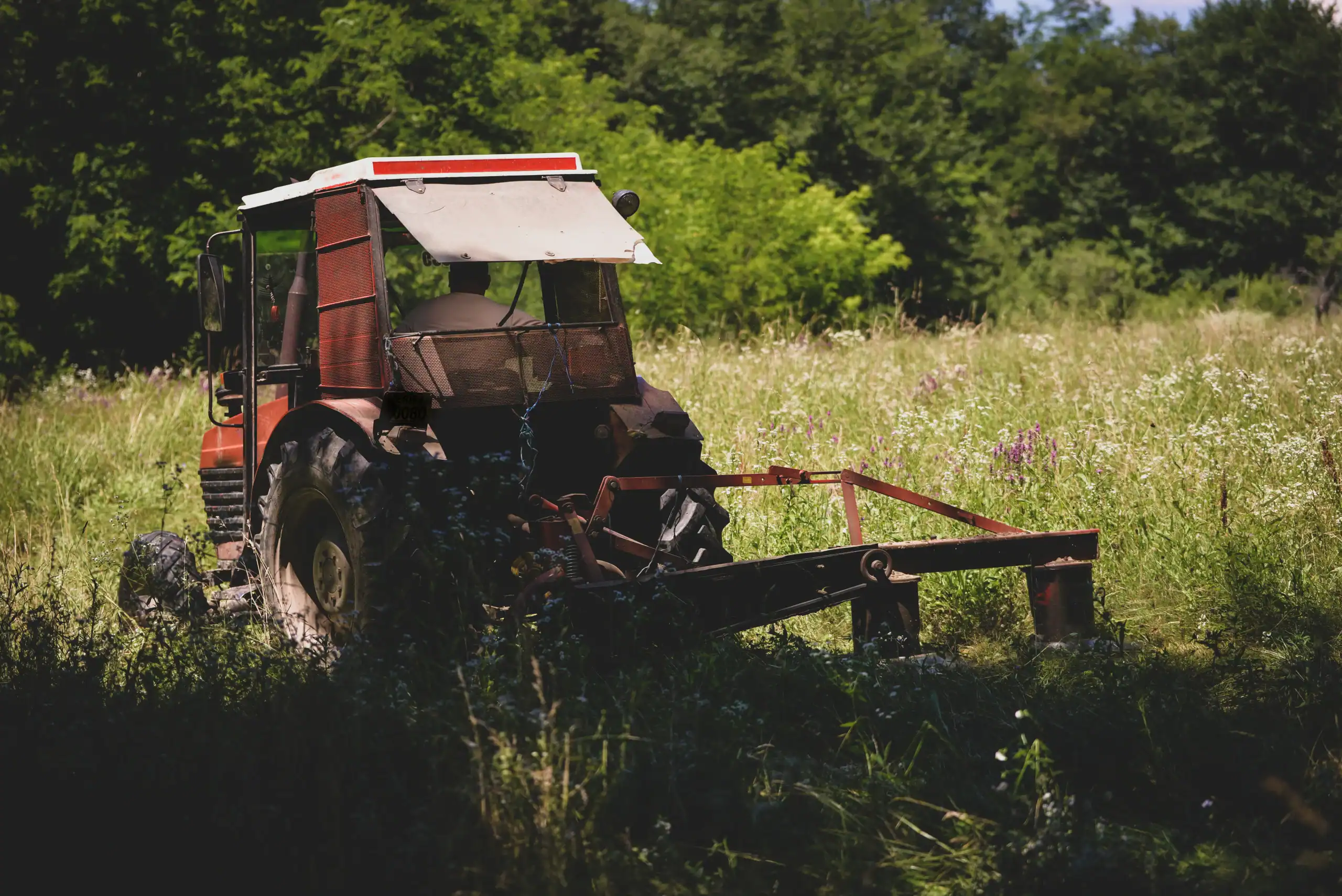
Once you’re ready to move forward, we schedule the work and bring in our bush hog equipment. Depending on the size and condition of your property, most jobs take anywhere from a few hours to a full day. We cut everything down to a manageable height, remove debris if that’s part of the plan, and leave you with cleared land you can actually use.
If you need follow-up work—grading, gravel, drainage—we handle that too. But the bush hogging itself is straightforward: we show up, we clear it, and you’ve got your property back.
Ready to get started?
Bush hogging handles the heavy vegetation most mowers can’t touch. That includes tall grass (the kind that’s waist-high or taller), thick weeds, brush, brambles, and small trees up to a few inches in diameter. If it’s overgrown and you can’t walk through it easily, a bush hog will cut it down.
In Burgess and the Northern Neck, this service matters for a few specific reasons. First, fire risk. Dry vegetation near structures is a real concern, especially during summer. Clearing it reduces that risk significantly. Second, invasive species. Plants like multiflora rose and autumn olive spread fast here, and bush hogging is one of the most effective ways to knock them back before they take over.
You’ll also see immediate improvements in property value and usability. Overgrown lots look abandoned. Cleared land looks maintained, which matters whether you’re selling, developing, or just trying to enjoy your property. For commercial properties or larger tracts, regular field mowing keeps access roads clear and makes the land safer to navigate.
We work on residential lots, commercial sites, agricultural fields, and undeveloped land. If you’re preparing a site for construction, maintaining an existing property, or just trying to reclaim land that got away from you, this is the service that gets you there.
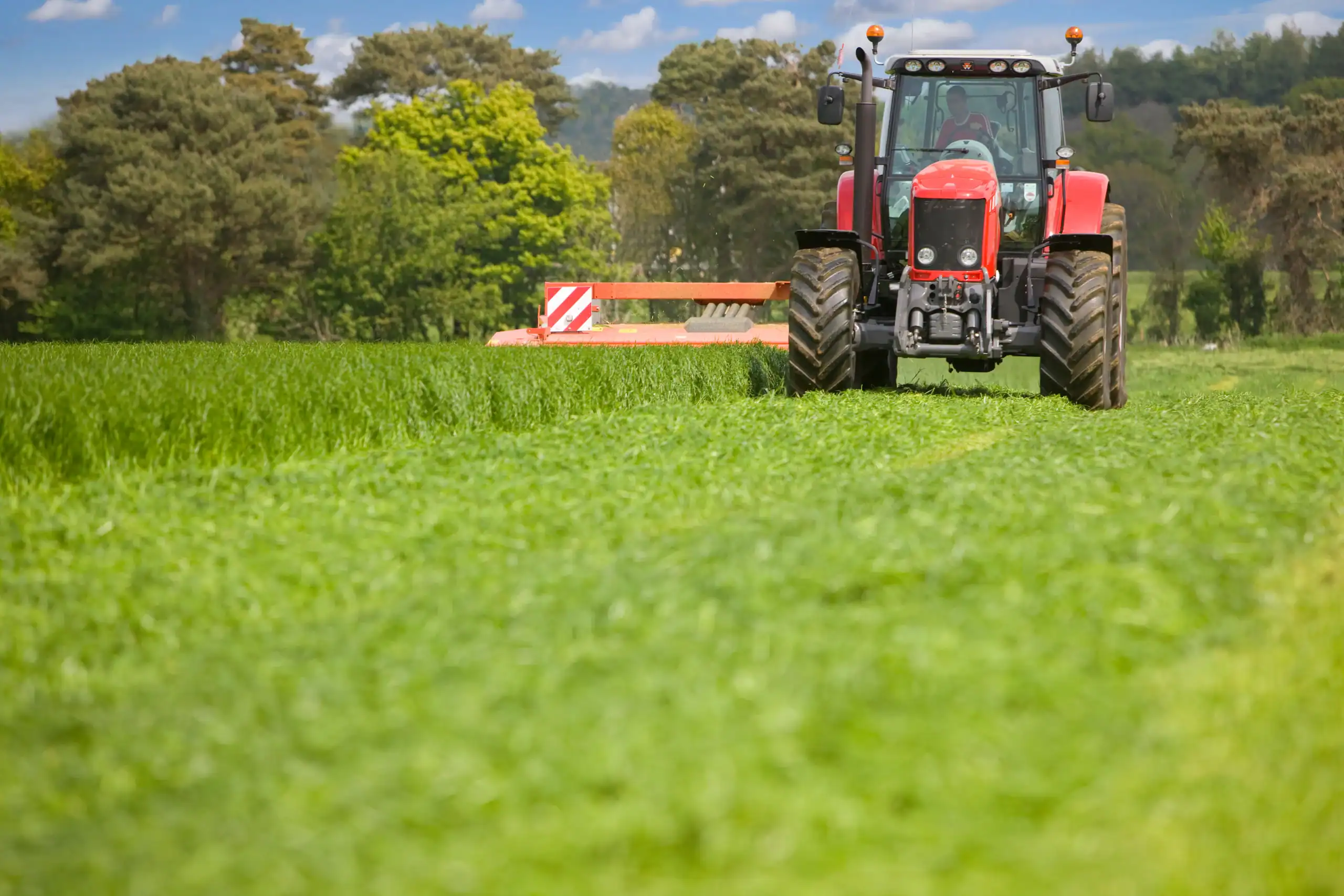
Most bush hogging in this area runs between $100 and $150 per acre for relatively open land with moderate growth. If your property has heavy brush, thick saplings, or a lot of obstacles like rocks and stumps, expect that number to go up.
The other factor is access. If we can drive the equipment straight onto your property and start cutting, that’s one thing. If we’re dealing with steep slopes, wet ground, or tight spaces, it takes longer and costs more.
We also have a minimum charge to cover the cost of hauling equipment to your site. For most residential jobs under two acres, you’re looking at a flat rate rather than a per-acre price. The best way to get an accurate number is to have us come out and see what we’re working with. We’ll give you a clear estimate before any work starts.
Bush hogging cuts vegetation down and leaves it on the ground. It’s fast, cost-effective, and works well for maintaining fields or clearing overgrown grass and brush. You’re left with cut material that will decompose over time, though it can look rough for a few weeks.
Forestry mulching grinds everything—brush, small trees, stumps—into mulch that gets spread evenly across the ground. It leaves a cleaner finish and is better for clearing wooded areas or dealing with larger trees. It also helps with erosion control because the mulch layer protects the soil.
If you’ve got an overgrown field or lot with mostly grass and brush, bush hogging is usually the right call. If you’re clearing wooded land or need a more finished look, forestry mulching makes more sense. We offer both services, and we’ll tell you honestly which one fits your situation. Sometimes the answer is both—bush hog first to knock down the heavy growth, then mulch to finish it off.
It depends on how fast things grow and what you’re trying to accomplish. For most properties in the Northern Neck, once or twice a year keeps vegetation under control. If you’re maintaining a field or large lot, late spring and early fall are usually the best times.
If you’re dealing with invasive species or trying to reclaim land that’s been neglected for years, you might need more frequent cutting in the first year or two. Cutting before plants go to seed helps prevent them from spreading, which means less work down the road.
For properties near structures or roads, you might want to bush hog more often just for fire safety and visibility. For land you’re not actively using, once a year is usually enough to keep it from turning into a jungle. We can give you a maintenance schedule based on what we see when we’re out there. Some clients put us on a regular rotation, others just call when things get out of hand. Both work.
We can handle uneven ground without much issue—that’s normal for this area. Hills, slopes, ditches, we’ve cleared all of it. The equipment is built for rough terrain, and our operators know how to work it safely on ground that isn’t flat.
Wet ground is trickier. If your property is soggy or has standing water, we might need to wait until it dries out. Heavy equipment can get stuck or tear up the soil when it’s too wet, which creates more problems than it solves. We’d rather wait a week or two than leave ruts all over your property.
If drainage is an ongoing issue, we can talk about fixing that before or after the bush hogging. Sometimes grading or adding gravel to low spots solves the problem permanently. Other times, it’s just a matter of timing the work for drier months. We’ll walk the property with you and let you know what’s realistic.
Not if you show us what to avoid. Before we start, you’ll walk the property with us and point out anything you want protected—trees, fences, septic systems, whatever matters to you. We’ll work around those areas or leave a buffer zone if needed.
Bush hogs are powerful, but they’re also controllable. Our operators aren’t just driving around blindly. They’re paying attention to what’s in front of them and adjusting as they go. That said, if you’ve got small trees or shrubs mixed in with heavy brush, and they’re not marked, they might get cut. That’s why the walkthrough matters.
If you’ve got specific landscaping or features you’re worried about, mention them upfront. We’ve worked around everything from old stone walls to buried utility lines. The more we know going in, the better we can protect what’s important to you. And if something is really delicate or close to the cutting area, we’ll talk through whether bush hogging is even the right approach or if hand clearing makes more sense for that section.
Standard bush hogging leaves the cut material on the ground. It gets mulched down to some degree as we cut, and it’ll decompose naturally over a few weeks or months depending on the season. For a lot of properties, especially larger ones, that’s fine. The cut vegetation breaks down and returns nutrients to the soil.
If you need the debris removed—maybe you’re prepping the site for construction, or you just want a cleaner look—we can handle that as an additional service. We’ll rake or collect the cut material and haul it off. That adds time and cost, but it’s an option if the situation calls for it.
Some clients also ask about burning the debris, which is legal in Virginia with the right permits and conditions. We don’t handle burning ourselves, but we can pile the material in a way that makes it easier for you to burn later if that’s your plan. Just let us know what you’re thinking when we’re putting together your estimate, and we’ll make sure the plan matches what you actually need.