
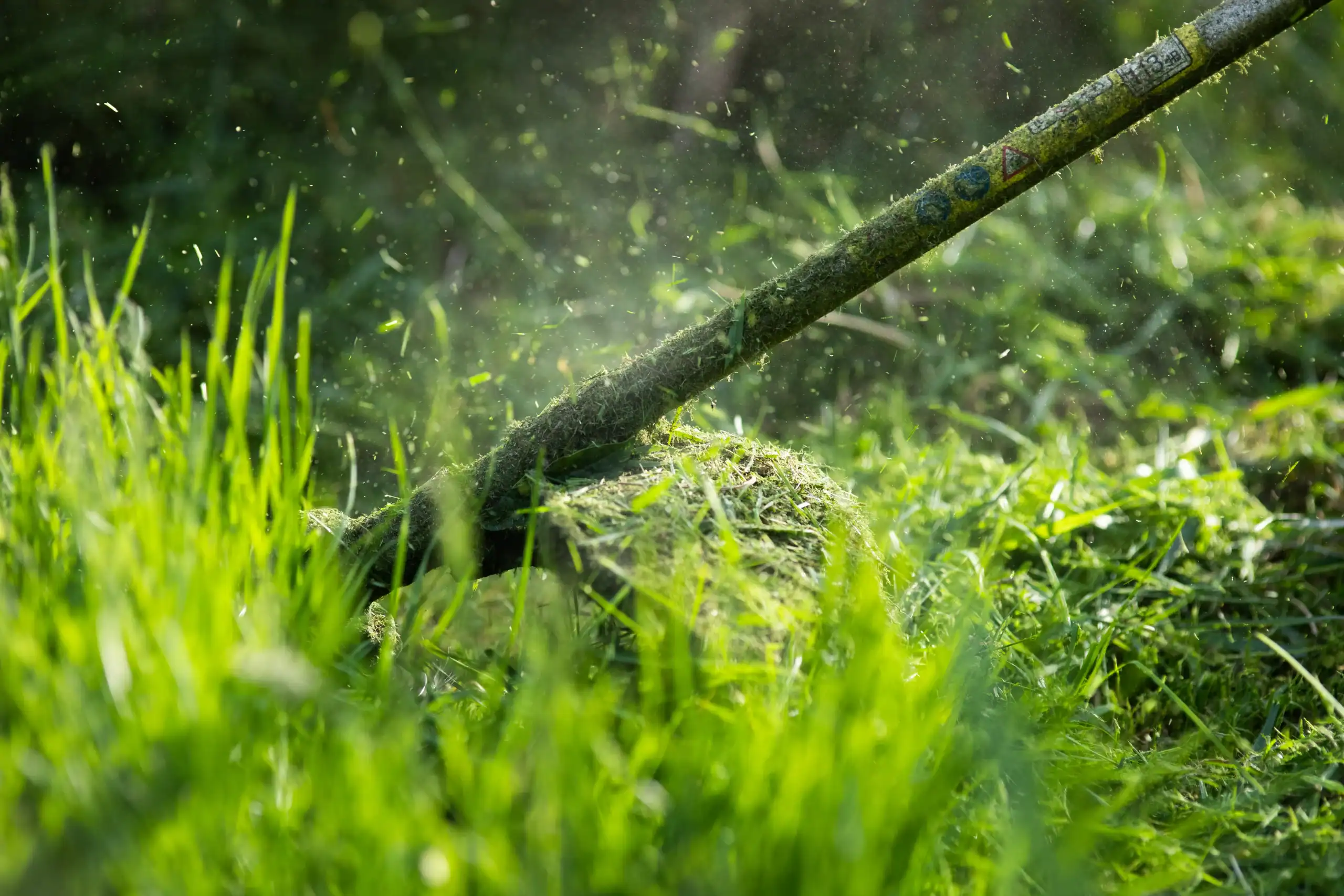
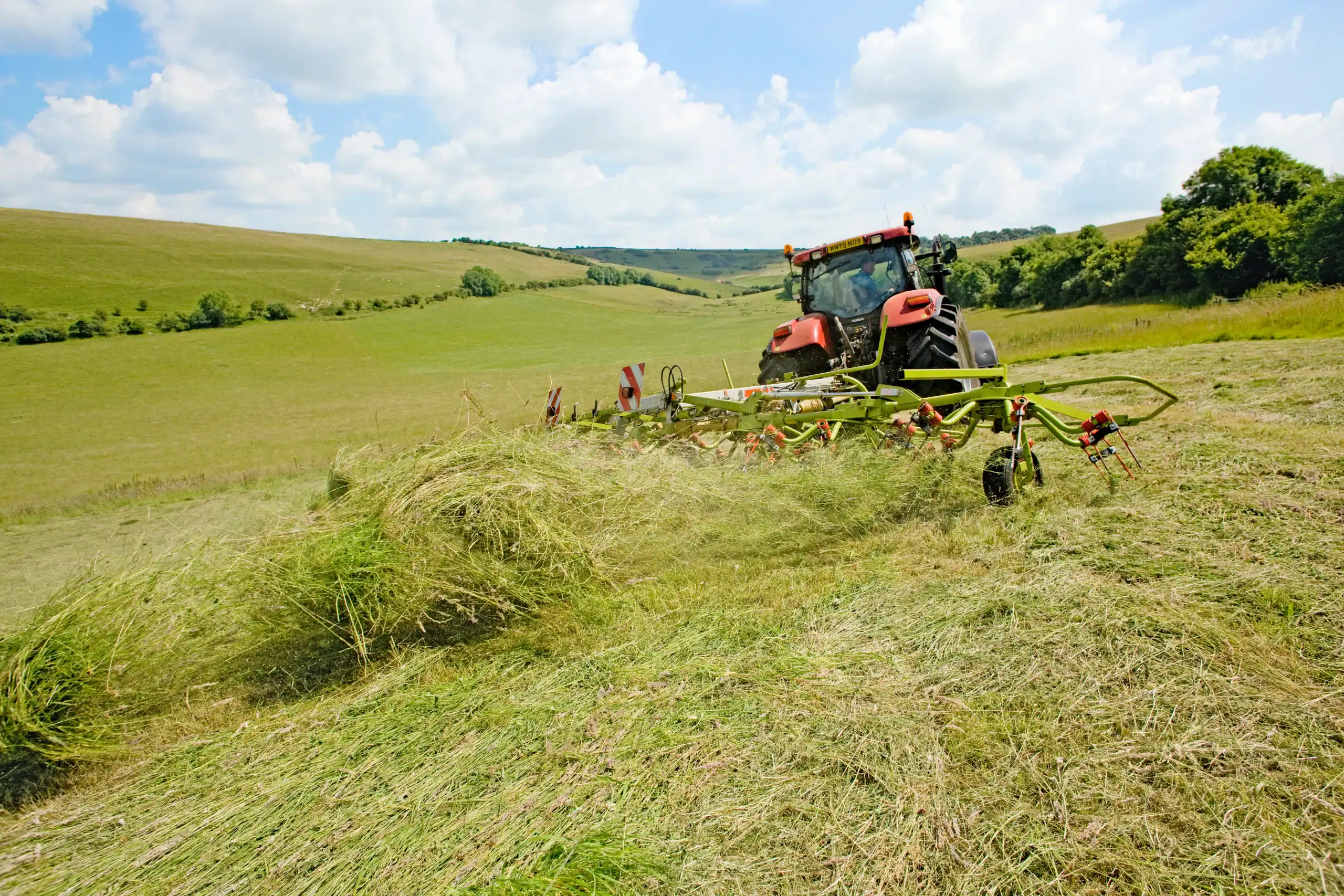
You’ve got acres of overgrown vegetation that’s been sitting too long. Maybe it’s a property you just bought, land you inherited, or fields that got away from you during the growing season. Either way, your standard mower isn’t touching it.
Bush hogging cuts through what regular equipment can’t handle. Thick brush, waist-high grass, dense weeds, vines, even saplings up to a few inches thick. The equipment is built for this, and the process is faster than you’d think.
What you’re left with is cleared land that’s actually usable again. The topsoil stays put, the roots remain undisturbed, and the cut vegetation breaks down into mulch that feeds whatever you’re planning to grow or maintain. No erosion. No exposed dirt. Just clean, cleared ground ready for pasture, planting, building, or keeping maintained going forward.
We’ve been handling excavation and land services throughout the Northern Neck and Middle Peninsula for years. We’re not a lawn care company trying to upsell you on brush work. This is what our equipment is designed to do.
Center Cross sits in an area where properties range from small residential lots to large agricultural parcels. The soil here holds moisture, which means vegetation grows fast and thick, especially during Virginia’s humid summers. If you don’t stay on top of it, fields turn into forests in a few seasons.
We’ve cleared everything from overgrown pastures along Route 17 to wooded lots near the Rappahannock. Our team knows the terrain, the vegetation types, and how to work efficiently without tearing up your land. You’re working with people who’ve done this hundreds of times in conditions just like yours.
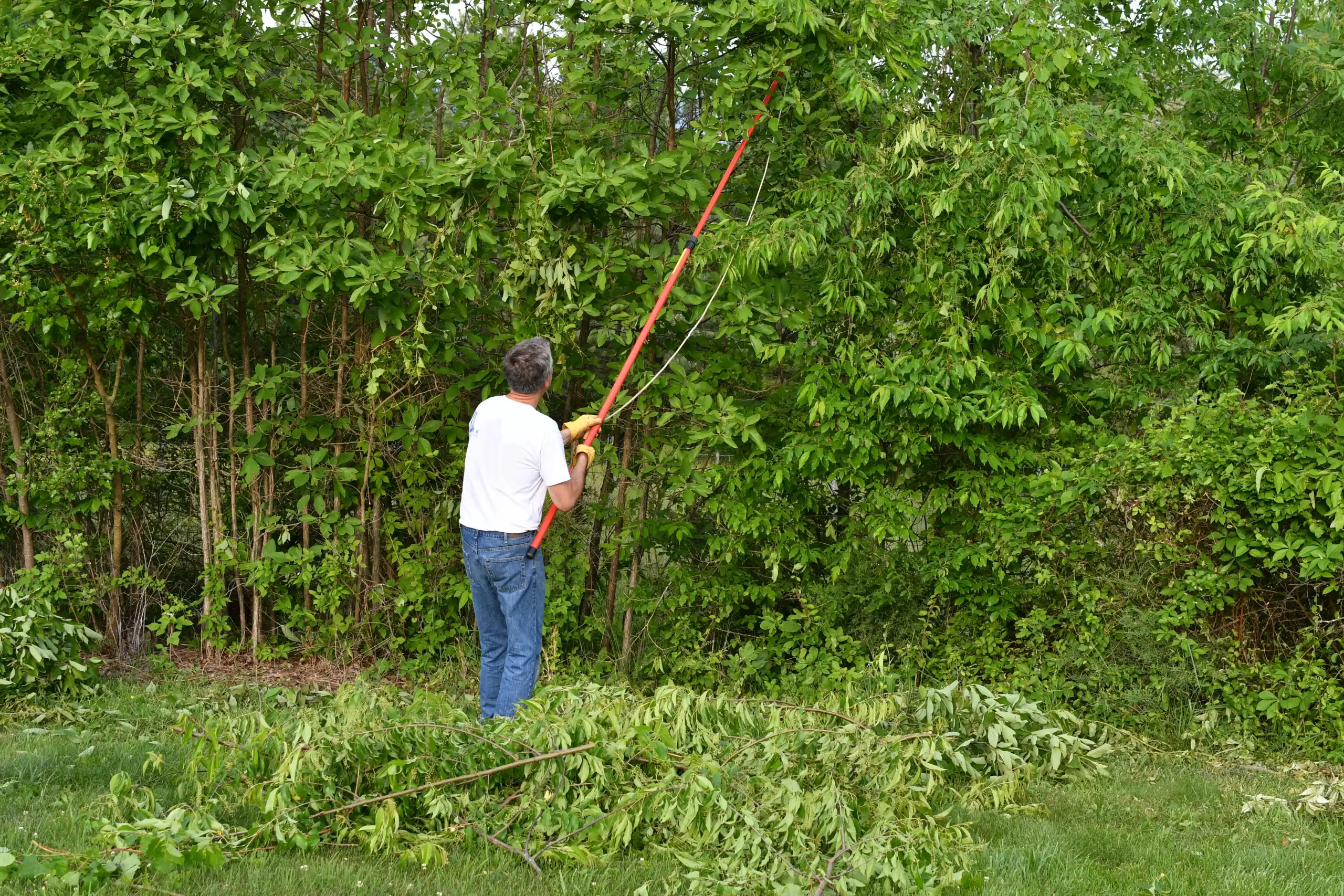
First, we come out to look at what you’re dealing with. We walk the property, check the vegetation density, note any obstacles like stumps or rocks, and talk through what you want the end result to look like. This gives us what we need to quote the job accurately.
Once you’re ready to move forward, we schedule a time that works with your timeline and the ground conditions. If the soil is saturated from recent rain, we’ll wait rather than rutting up your land. When we show up, we bring the right size equipment for your acreage and terrain.
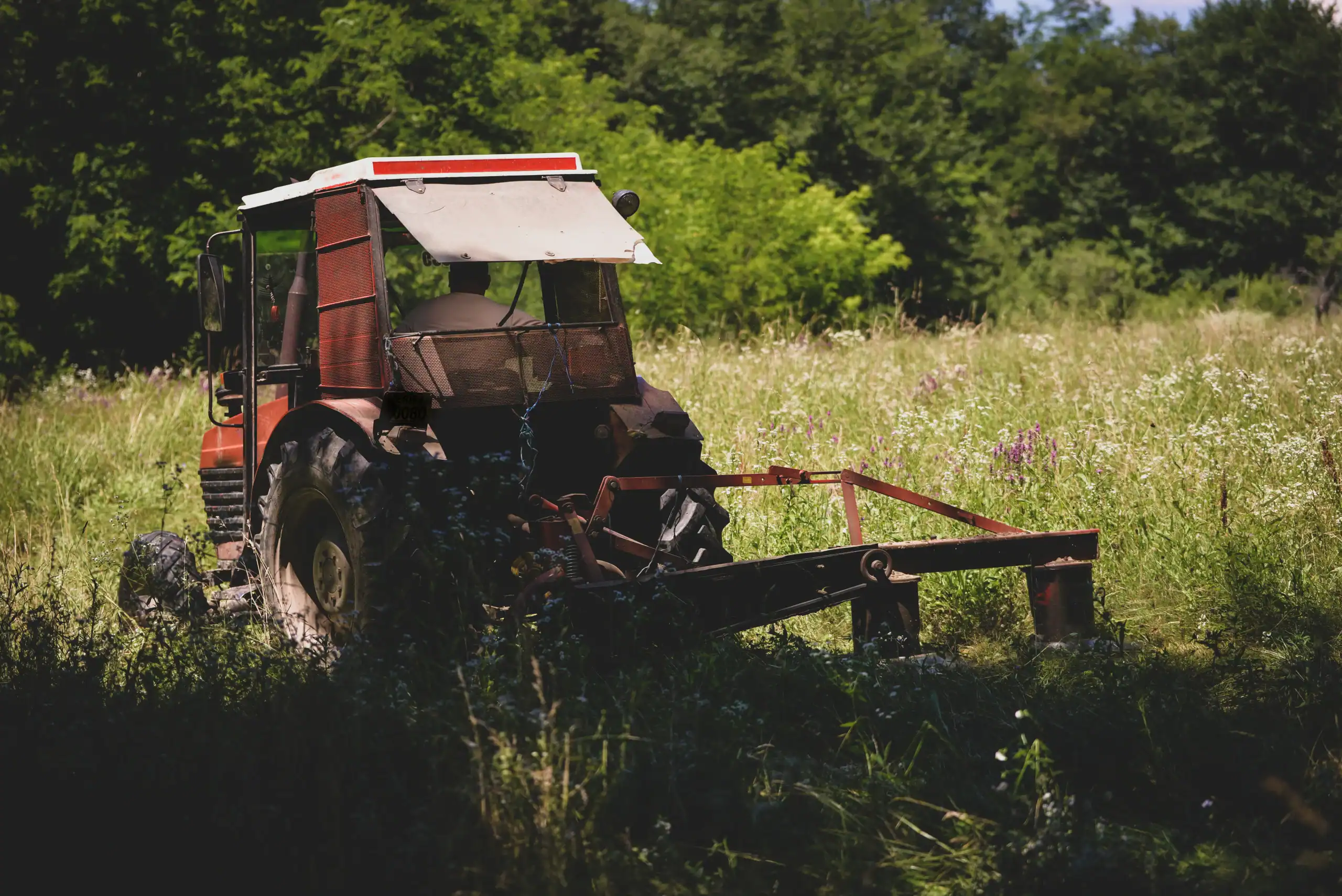
The bush hog runs through the overgrown areas systematically, cutting everything down to a uniform height. We work in passes to ensure complete coverage and avoid missing patches. Depending on the size of your property and how thick the growth is, most jobs take anywhere from a few hours to a full day.
After the cutting is done, the vegetation is left on the ground to decompose naturally. This isn’t laziness, it’s actually beneficial. The cut material breaks down into organic matter that enriches your soil. If you need the debris removed or the area cleaned up further for a specific use, we can handle that too.
Ready to get started?
This service handles dense vegetation that regular mowing equipment can’t touch. We’re talking about tall grass that’s gone to seed, thick brush that’s woody at the base, brambles, vines like poison ivy or Virginia creeper, and small trees or saplings up to about three inches in diameter.
In Center Cross and the surrounding area, properties often have a mix of open fields and wooded edges. Bush hogging is ideal for maintaining those transitional areas, clearing old pastures that haven’t been grazed in years, or opening up lots for construction or development. It’s also commonly used for creating firebreaks, maintaining hunting land, or clearing rights-of-way.
The equipment we use can handle uneven terrain, which matters in this area where properties aren’t always flat. Whether you’ve got rolling fields, ditches, or areas with scattered stumps, the bush hog can work through it without getting hung up or causing damage to the underlying soil structure.
One thing to note: if you’re dealing with larger trees, extensive root systems, or land that needs grading after clearing, that moves into excavation and land clearing territory. We handle that too, but it’s a different scope of work with different equipment. For most overgrown field and brush situations, bush hogging is the right tool and the most cost-effective approach.
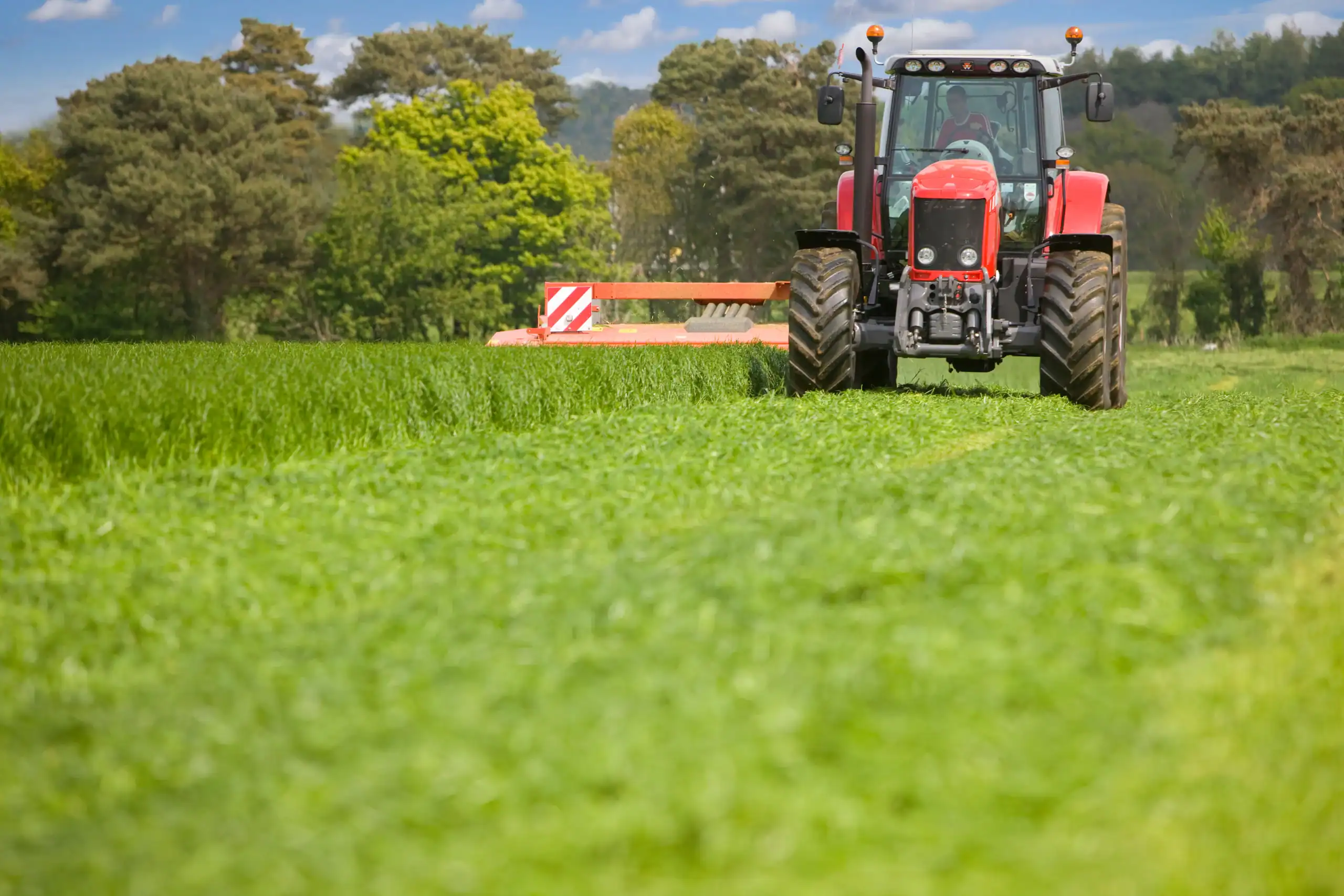
Most bush hogging in this area runs between $60 and $150 per acre, depending on how thick the vegetation is and what kind of terrain we’re working with. If it’s relatively open pasture with tall grass and light brush, you’re looking at the lower end. If it’s dense growth with vines, thick shrubs, and small trees mixed in, or if the ground is uneven with obstacles, it’ll be closer to the higher end.
We don’t quote over the phone without seeing the property because there are too many variables that affect the time and equipment needed. A flat five-acre field with uniform growth is a completely different job than five acres of rolling terrain with mixed vegetation and scattered debris. We’d rather walk it with you and give an accurate number than lowball it and surprise you later.
The other factor is access. If we can drive the equipment straight onto the property and work efficiently, that keeps costs down. If there are gates, tight access points, or areas we need to work around carefully, that adds time.
Bush hogging cuts vegetation down and leaves it on the ground to decompose. Forestry mulching grinds everything up into fine mulch in a single pass, including larger trees and stumps. They’re both land clearing methods, but they’re suited for different situations.
Bush hogging is faster and more cost-effective for maintaining fields, clearing tall grass and brush, and managing properties that need regular upkeep. It’s ideal when you’re working with vegetation that’s mostly grass, weeds, vines, and smaller woody growth. The cut material breaks down naturally and returns nutrients to the soil.
Forestry mulching makes sense when you’re clearing wooded areas with larger trees, when you want the debris processed into uniform mulch immediately, or when you’re clearing land for development and need a cleaner finished look right away. It’s more intensive and typically costs more per acre.
For most properties in Center Cross dealing with overgrown fields or pastures, bush hogging is the right call. If you’ve got heavier woods or larger trees to clear, we can talk through whether mulching or excavation-based clearing makes more sense for what you’re trying to accomplish.
Late spring through early fall is when most people schedule bush hogging because that’s when vegetation is actively growing and getting out of control. Summer is peak season. The ground is usually dry enough to support heavy equipment, and you can see exactly what you’re dealing with since everything is fully leafed out.
That said, bush hogging can be done almost any time the ground isn’t frozen or saturated. Early spring before things green up is actually a smart time if you want to get ahead of the growing season. Late fall after the first frost works well too, especially if you’re clearing fields that you want ready for use the following spring.
The main limitation is ground conditions. If we’ve had heavy rain and the soil is soft, running heavy equipment across it will leave ruts and cause compaction issues. We’d rather wait a few days for it to dry out than damage your property. Winter work is possible during dry spells, but once the ground freezes or we’re dealing with snow cover, it’s better to wait.
If you’re trying to control specific invasive species or manage vegetation growth strategically, timing can matter. Cutting certain plants before they go to seed can help reduce spread. We can talk through timing strategy based on what’s growing on your property and what your goals are.
No, bush hogging is specifically designed to cut vegetation at ground level without disturbing the soil or root systems underneath. The bush hog blade rotates horizontally and shears through plant material, similar to how a mower works but with much more power and a higher cutting deck that can handle thicker growth.
The roots stay in place, which is actually beneficial for a few reasons. It prevents erosion since the root structure continues to hold the soil together. It allows desirable plants and grasses to regrow from established root systems. And it means you’re not left with bare dirt that’s vulnerable to runoff or weed invasion.
The weight of the tractor and equipment does compact the soil somewhat as we drive over it, but that’s minimal compared to excavation or grading work. We’re not digging, scraping, or moving earth. If your property has particularly soft or wet soil, we’ll assess whether conditions are right before starting work, because running heavy equipment over saturated ground can cause rutting.
If your goal is to completely remove vegetation including roots, or if you need the land graded and leveled, that’s a different type of clearing that involves excavation equipment. Bush hogging is the right choice when you want to knock down overgrowth but keep the soil structure intact.
Yes, but it requires careful operation and sometimes hand work around tight areas. The bush hog itself is wide and attached to a tractor, so there’s a limit to how close we can get to obstacles. We can typically get within a few feet of trees, fence lines, and structures, but the immediate perimeter usually needs to be trimmed by hand or with smaller equipment if you want it completely clear.
Before we start, we walk the property and identify anything that could be a problem: fence posts, large rocks, stumps, drainage pipes, septic system components, or anything else that could damage equipment or get damaged itself. We work around these carefully and let you know upfront if there are areas we can’t safely reach with the bush hog.
If you’ve got a fenced pasture with overgrown vegetation inside, we can clear the interior while staying far enough from the fence line to avoid catching it with the equipment. If you need the fence line itself cleared, that’s usually a separate pass with different equipment or manual trimming.
The same goes for trees you want to keep. We can clear around them, but if there’s dense growth right up against the trunk or low-hanging branches in the way, we’ll need to work around those limitations. The goal is to clear as much as possible without causing damage to your property or our equipment.
The main thing is to remove or mark anything that could be hidden in the vegetation that we need to avoid. If there are old fence posts, metal stakes, large rocks, or debris buried in the overgrowth, those can damage the bush hog blades or cause safety issues. Walking the property beforehand and flagging obstacles helps us work more efficiently and avoid problems.
If you know where your septic system, well head, or underground utilities are located, mark those clearly. The bush hog won’t dig them up, but it’s good to know where they are so we can avoid driving heavy equipment directly over them repeatedly.
Beyond that, we handle the rest. You don’t need to cut anything down in advance or try to clear paths. That’s what we’re there to do. If there are gates we need to access or areas you want us to avoid entirely, just point those out when we walk the property during the initial consultation.
If your property has vehicle access issues—narrow driveways, low-hanging power lines, or gates that won’t accommodate our equipment width—let us know ahead of time so we can plan accordingly. Sometimes we need to bring in smaller equipment or access the property from a different angle. It’s easier to figure that out before the day of the job than to show up and realize the tractor won’t fit.