
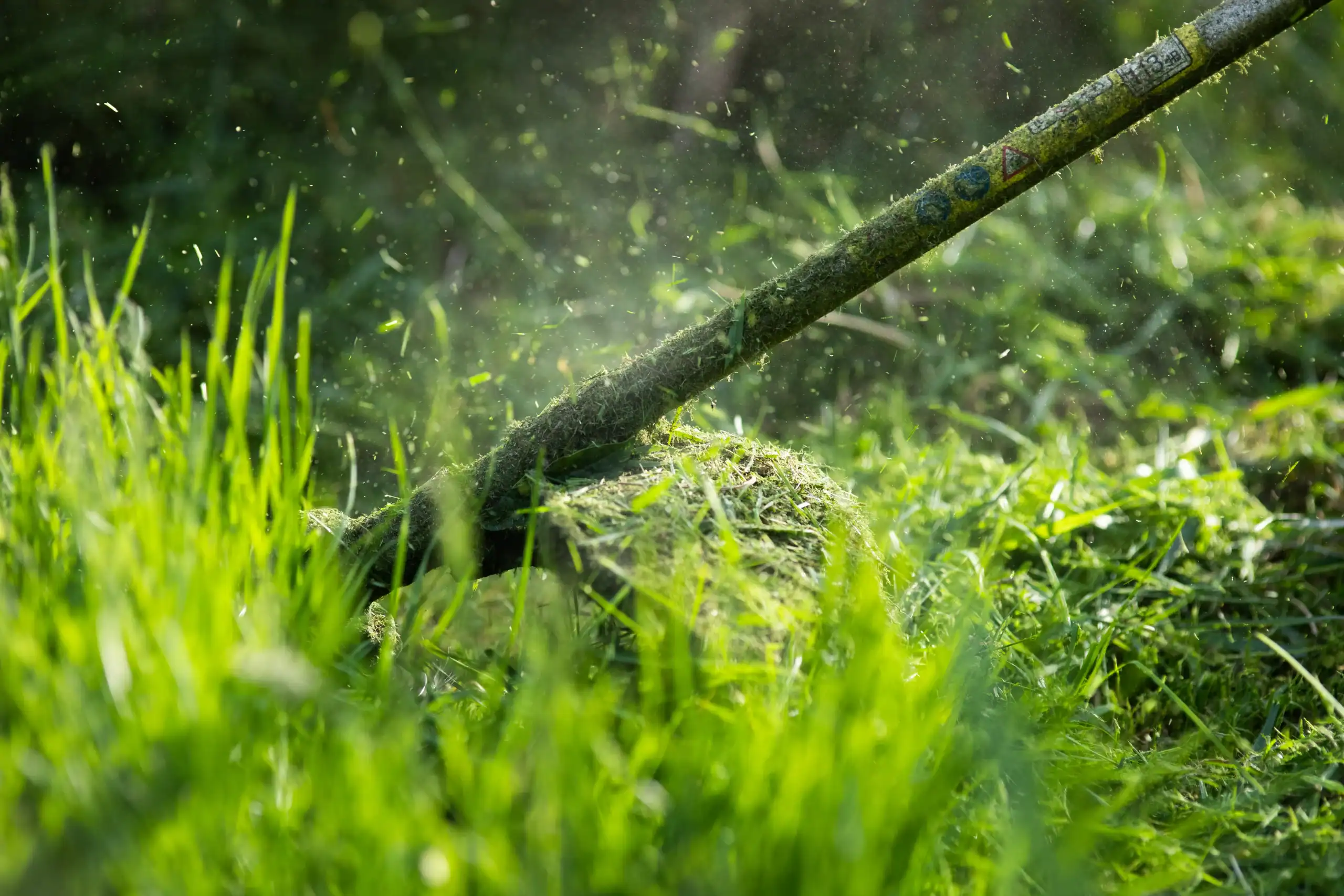
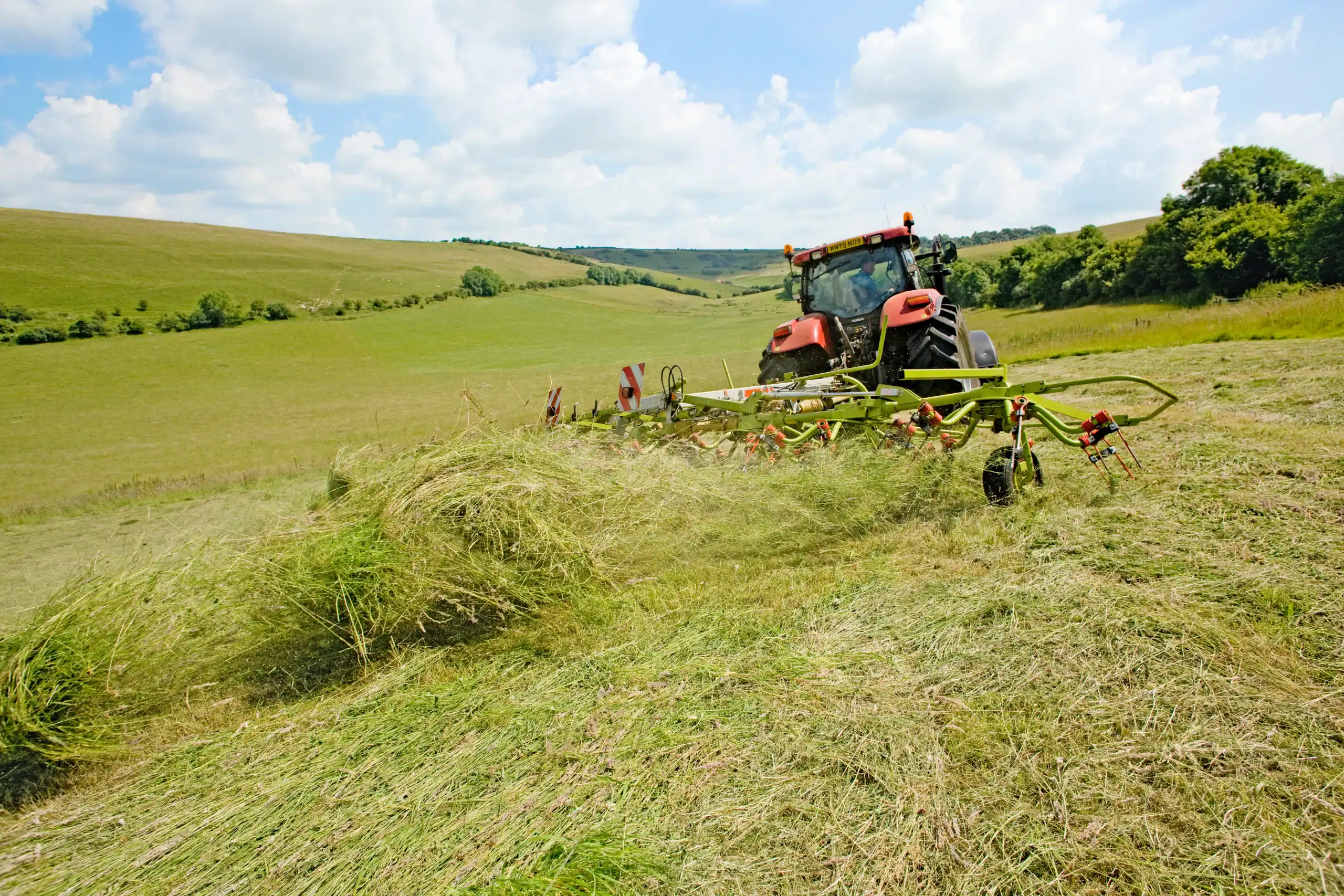
You get your land back. That overgrown pasture or lot that’s been sitting there collecting snakes, ticks, and fire hazards becomes usable space again.
Bush hogging cuts through thick brush, tall grass, small saplings, and invasive vines in a fraction of the time it would take to clear by hand. The equipment handles rough terrain and dense growth that would destroy a standard lawn mower. What’s left behind is mulched vegetation that actually feeds your soil instead of requiring hauling and disposal.
Your property looks maintained. Fire risk drops significantly because you’ve eliminated the fuel load. Pests lose their hiding spots. If you’re planning to sell, develop, or just use your land again, this is where it starts.
The difference between an overgrown property and a cleared one isn’t just aesthetic. It’s safety, usability, and value. You’re not fighting your land anymore.
We handle excavation and land clearing throughout Dahlgren Center and the surrounding Northern Neck region. We’re not a lawn care company trying to do land clearing on the side. This is what we do.
We run professional-grade equipment designed for Virginia’s terrain—thick underbrush, uneven ground, and everything that comes with properties near the Potomac. Our crews have cleared residential lots, commercial sites, and everything in between. We understand what property owners around the Naval base deal with: rental turnover, overgrown perimeters, and the need to maintain land that doesn’t get daily attention.
You’ll get a straight answer about what your property needs, how long it takes, and what it costs. No upselling. No surprises. Just clear communication and reliable work.
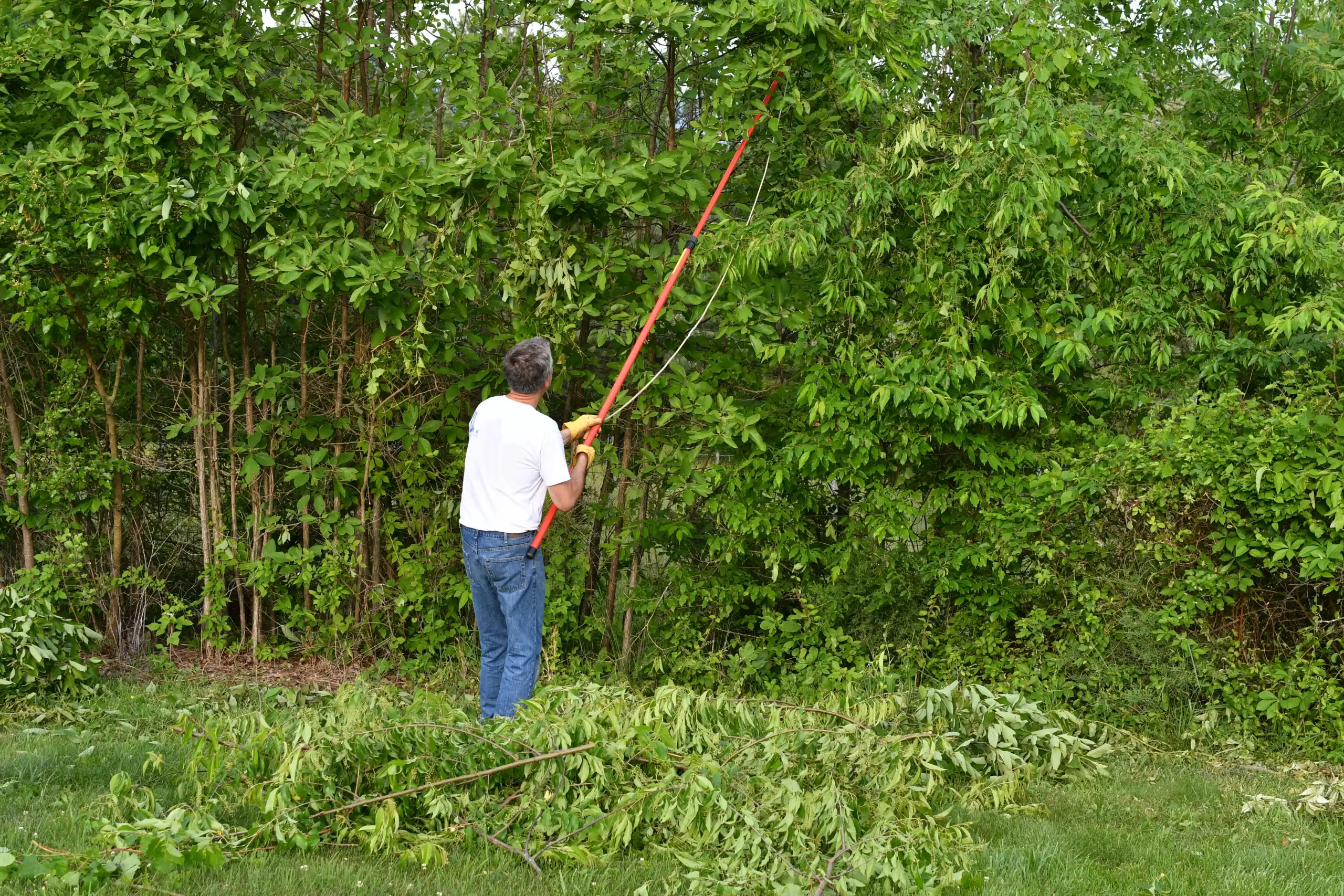
First, we assess your property. That means looking at the terrain, the density of growth, any obstacles like stumps or ditches, and what you want the end result to be. Some properties just need a single pass to knock down tall grass. Others have years of neglected growth that requires heavier equipment.
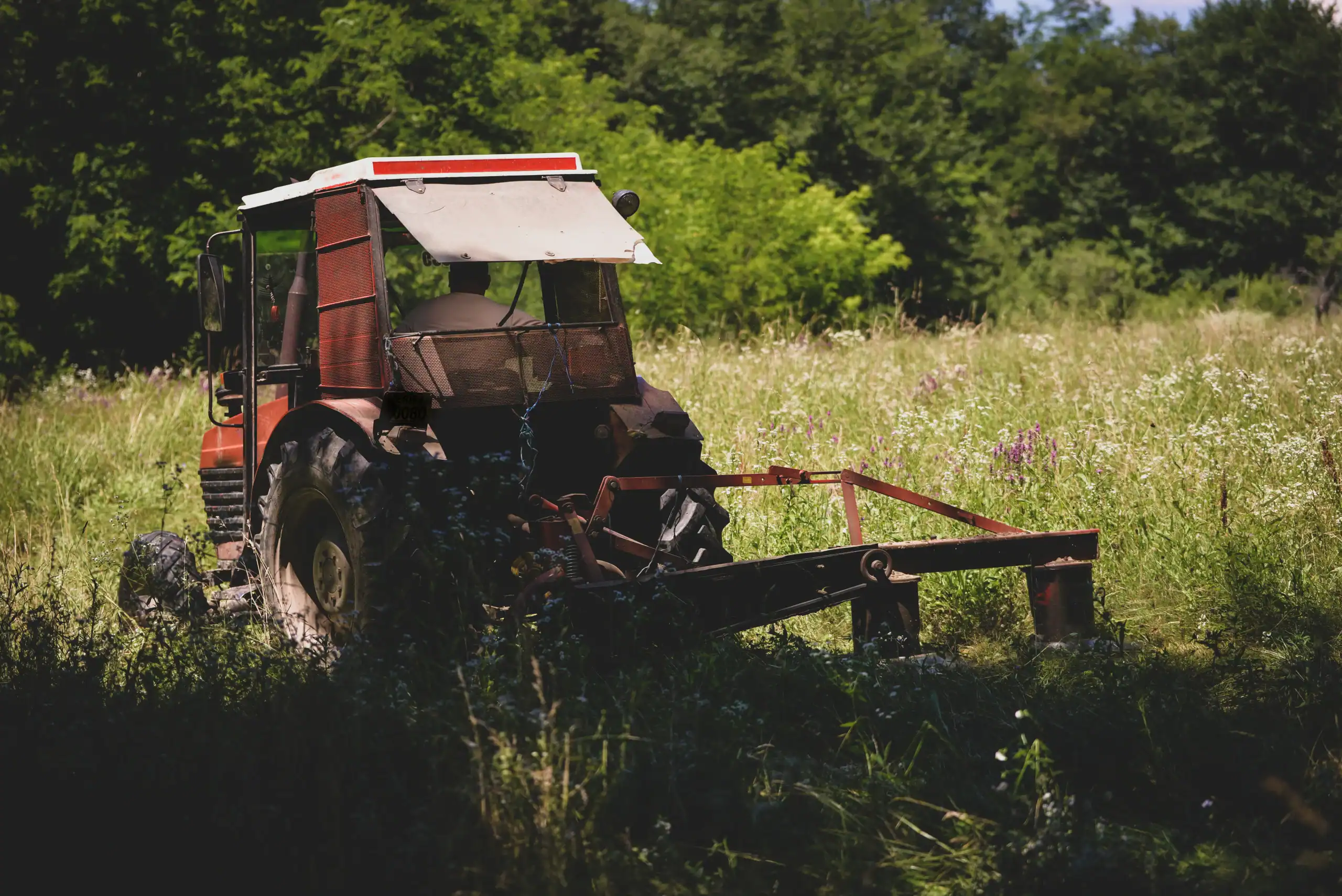
Once we know what we’re dealing with, we bring in the right bush hog for the job. A tractor-mounted rotary cutter handles the bulk of the work, cutting through brush up to several inches thick. The blades mulch everything as they go, so there’s no piles of debris left behind to deal with. We work in passes, covering the entire area systematically.
After the initial cut, we assess whether a second pass is needed or if grading work would help with drainage or future maintenance. If you’re planning additional work like grading, road building, or site prep, we handle that too. Everything stays on-site as mulch unless you specifically need material removed.
You’re left with cleared, accessible land. The topsoil stays intact. The mulch breaks down naturally and adds organic matter back into the ground. And you can actually walk your property again without wondering what you’re stepping on.
Ready to get started?
Bush hogging covers more than just cutting grass. You’re clearing brush, small trees, weeds, vines, and overgrown vegetation that standard mowing equipment can’t touch. The service includes mulching everything in place, which means no hauling fees and no burn piles to manage.
For properties in Dahlgren Center, this matters more than you’d think. The area’s proximity to wooded land and the Potomac means properties overgrow fast, especially if they’re rental units or vacant lots. Virginia’s humid summers accelerate growth, and before you know it, a manageable yard becomes a jungle. Add in the wildfire risk that comes with dense, dry vegetation, and you’re looking at a legitimate safety issue, not just an eyesore.
We handle residential properties, commercial sites, vacant lots, and pastureland. If you need ongoing maintenance, we can set up a schedule. If it’s a one-time clearing before a sale or development, we do that too. For larger projects, we offer additional services like forestry mulching, grading, and road building—all with the same equipment and crew, so you’re not coordinating multiple contractors.
The goal is simple: give you back functional land without tearing up your soil or leaving you with a mess to clean up afterward.
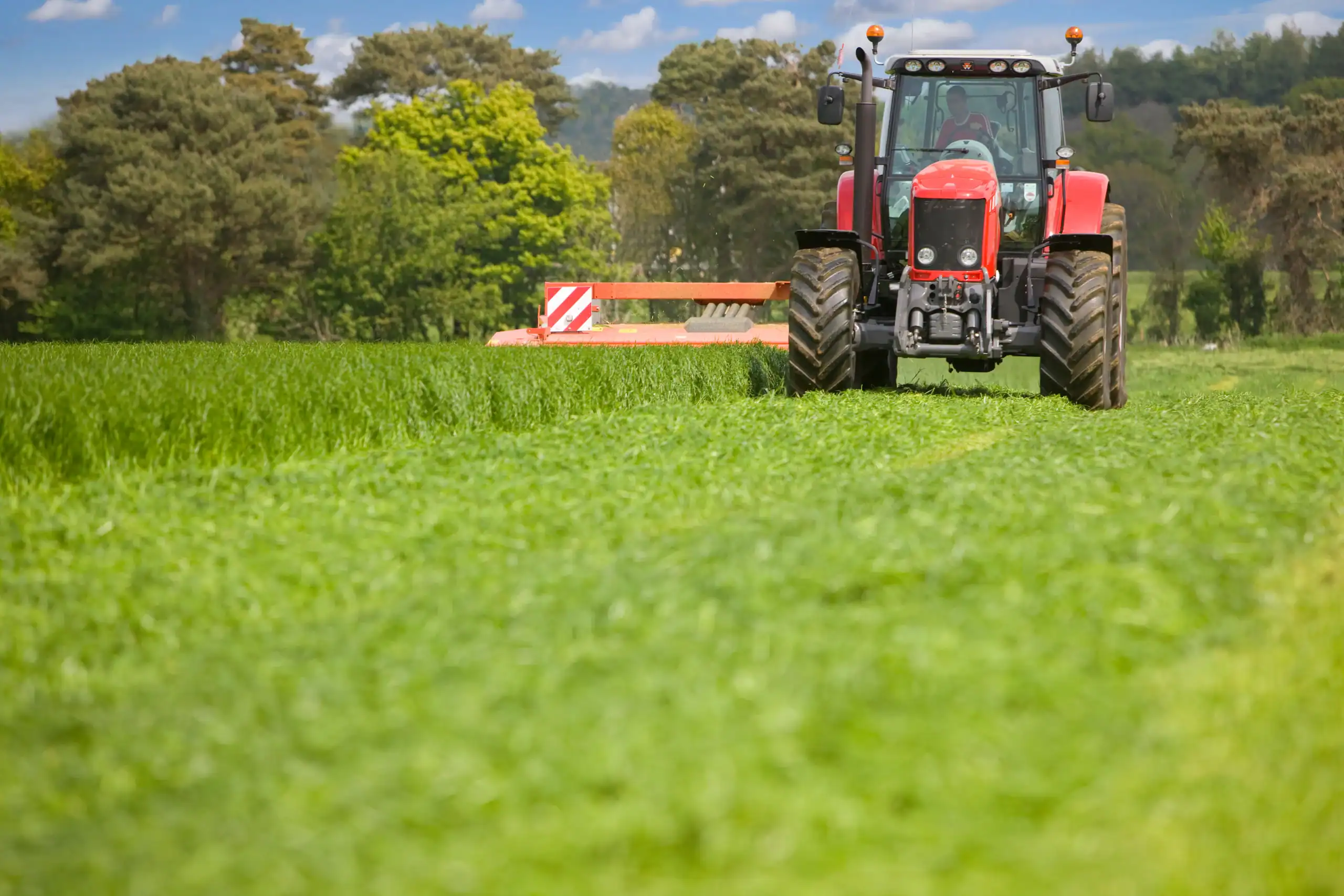
Bush hogging typically runs around $75 to $100 per acre for open land with moderate growth. That price assumes the terrain is accessible and there aren’t major obstacles like large stumps, deep ditches, or dense saplings that require multiple passes.
If your property has heavier growth or difficult terrain, the cost goes up because it takes more time and potentially heavier equipment. Most contractors, including us, work with a minimum charge or a minimum number of hours because the cost of transporting equipment and setting up doesn’t change whether we’re clearing half an acre or five.
For properties in Dahlgren Center, the typical job ranges from one to five acres. Smaller lots might hit that minimum charge even if the per-acre rate would be lower. Larger properties often get a better per-acre rate because we’re already on-site and can work more efficiently. The best way to get an accurate number is to have someone look at your property and give you a real estimate based on what’s actually there.
Bush hogging uses a rotary cutter mounted on a tractor to mow down vegetation. It handles tall grass, brush, small saplings, and vines. The cut material gets mulched and left on-site. It’s fast, cost-effective, and works well for maintaining fields, clearing overgrown lots, or knocking down seasonal growth.
Forestry mulching uses a different machine—a dedicated mulcher that grinds up larger trees, stumps, and heavy brush into fine mulch. It’s more aggressive and handles bigger material, but it’s also more expensive and typically used when you’re clearing wooded areas or dealing with significant tree removal.
For most residential and commercial properties in Dahlgren Center, bush hogging is the right call. If you’ve got a field that’s overgrown with grass, weeds, and brush under a few inches thick, bush hogging clears it in a fraction of the time and cost. If you’re dealing with actual trees or a heavily wooded lot, forestry mulching makes more sense. We offer both, so we’ll recommend whichever method fits your property and budget.
It depends on how fast your property grows and what you’re using it for. Most residential properties around Dahlgren Center need bush hogging once or twice a year if they’re not being maintained otherwise. Once in late spring or early summer handles the initial growth surge, and a second pass in late summer or early fall keeps it under control before winter.
If you’re maintaining pastureland for livestock, you might need more frequent mowing depending on grazing rotation and stocking density. Commercial properties or vacant lots that need to meet county maintenance requirements usually stick to a twice-a-year schedule to stay compliant and avoid overgrowth.
Properties that have been neglected for years might need an initial heavy clearing followed by more frequent maintenance for the first year or two until the invasive species and deep-rooted weeds are under control. After that, you can usually scale back to a standard maintenance schedule. The key is not letting it get out of hand again, because the cost and effort to reclaim severely overgrown land is always higher than keeping up with regular clearing.
Bush hogging is one of the least invasive land clearing methods available. The equipment rides on top of the ground and cuts vegetation at or near ground level. Your topsoil stays intact, and the root systems remain undisturbed, which prevents erosion and maintains soil structure.
The mulched material left behind actually benefits your soil. As it breaks down, it adds organic matter and nutrients back into the ground, improving soil health over time. This is a significant advantage over methods that remove all vegetation or disturb the soil surface.
That said, bush hogging in wet conditions can cause rutting if the ground is soft, especially with heavier equipment. We avoid working on saturated ground for that reason. If your property has steep slopes or erosion-prone areas, we’ll assess whether bush hogging is appropriate or if a different approach makes more sense. The goal is always to clear your land without creating new problems. Done correctly, bush hogging leaves you with healthier, more manageable land than you started with.
Bush hogging significantly reduces habitat for snakes, ticks, and other pests by eliminating the dense cover they rely on. Tall grass, thick brush, and overgrown vegetation create perfect hiding spots and breeding grounds. Once that’s cleared, pests lose their shelter and food sources, and populations drop.
You won’t eliminate every tick or snake from your property—that’s not realistic for any land clearing method—but you’ll see a noticeable reduction. Snakes prefer areas where they can hide and hunt rodents, which also favor overgrown areas. Clear the brush, and you remove the appeal for both. Ticks need humidity and cover to survive, so open, maintained land is far less hospitable.
For properties in Dahlgren Center, this is a real concern. The area’s wooded surroundings and proximity to water mean tick populations are active most of the year, and snakes are common in overgrown lots. Regular bush hogging keeps your property less attractive to pests and makes it safer to walk and use. It’s not a replacement for tick prevention if you’re spending time outdoors, but it’s one of the most effective ways to reduce exposure on your own property.
Late spring through early fall is ideal for bush hogging in Virginia. That’s when vegetation is actively growing, and cutting it back has the most impact. Summer is peak season because growth is at its thickest, and fire risk is highest during dry spells.
That said, bush hogging can be done almost any time the ground isn’t frozen or saturated. Fall clearing is common for property owners preparing land for winter or getting ahead of next year’s growth. Winter work is possible if the ground is firm, though vegetation is dormant and less of a fire hazard, so the urgency is lower.
For properties in Dahlgren Center, timing often depends on your specific goals. If you’re clearing land for a sale or development, you’re working around your timeline, not the season. If you’re managing fire risk or pest control, late spring and summer are your priority windows. If you’re maintaining pastureland, you’re coordinating with grazing schedules. We work year-round, so the best time is whenever your property needs it. Just keep in mind that wet conditions slow us down, and peak season can fill up fast, so planning ahead helps.
Other Services we provide in Dahlgren Center