
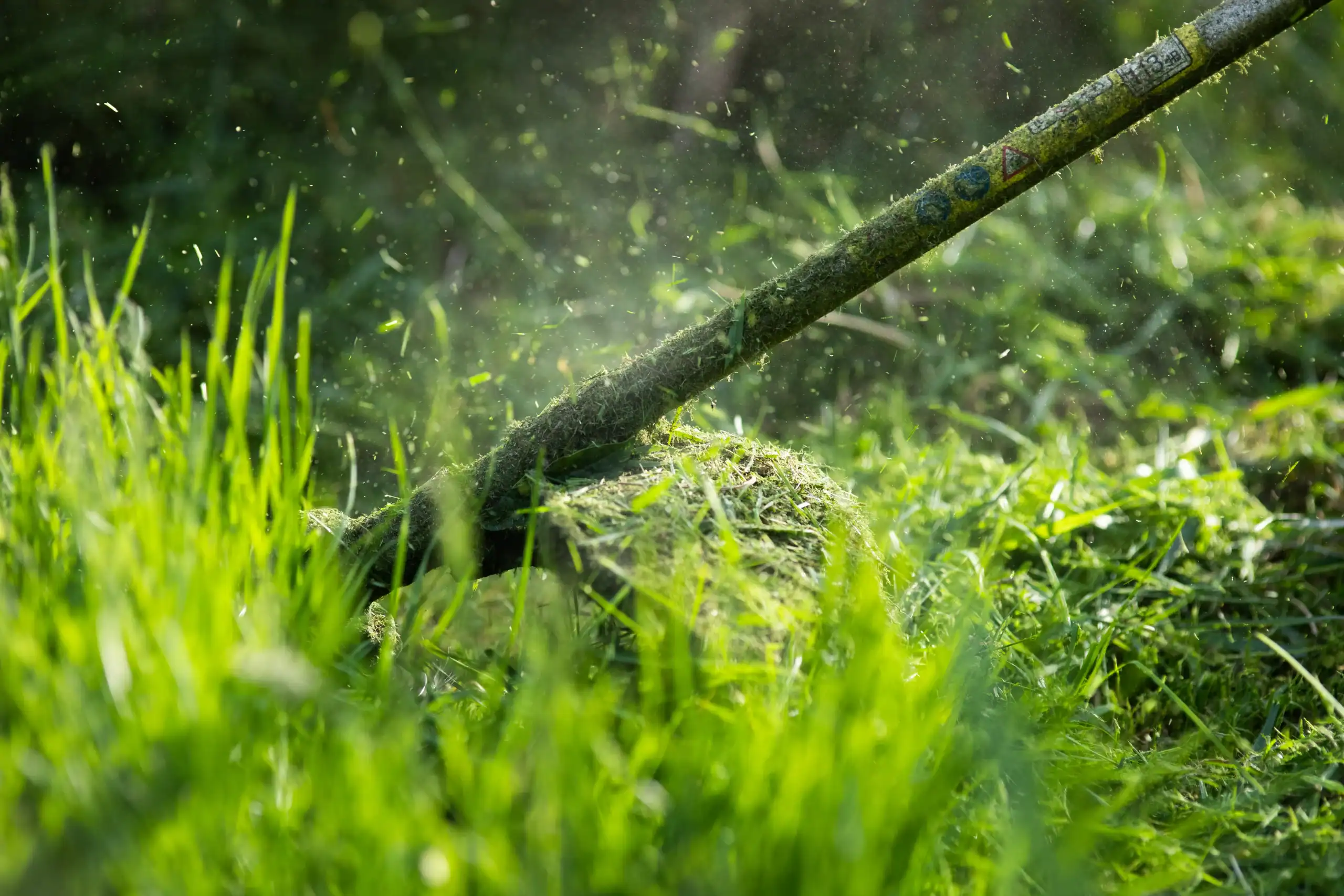
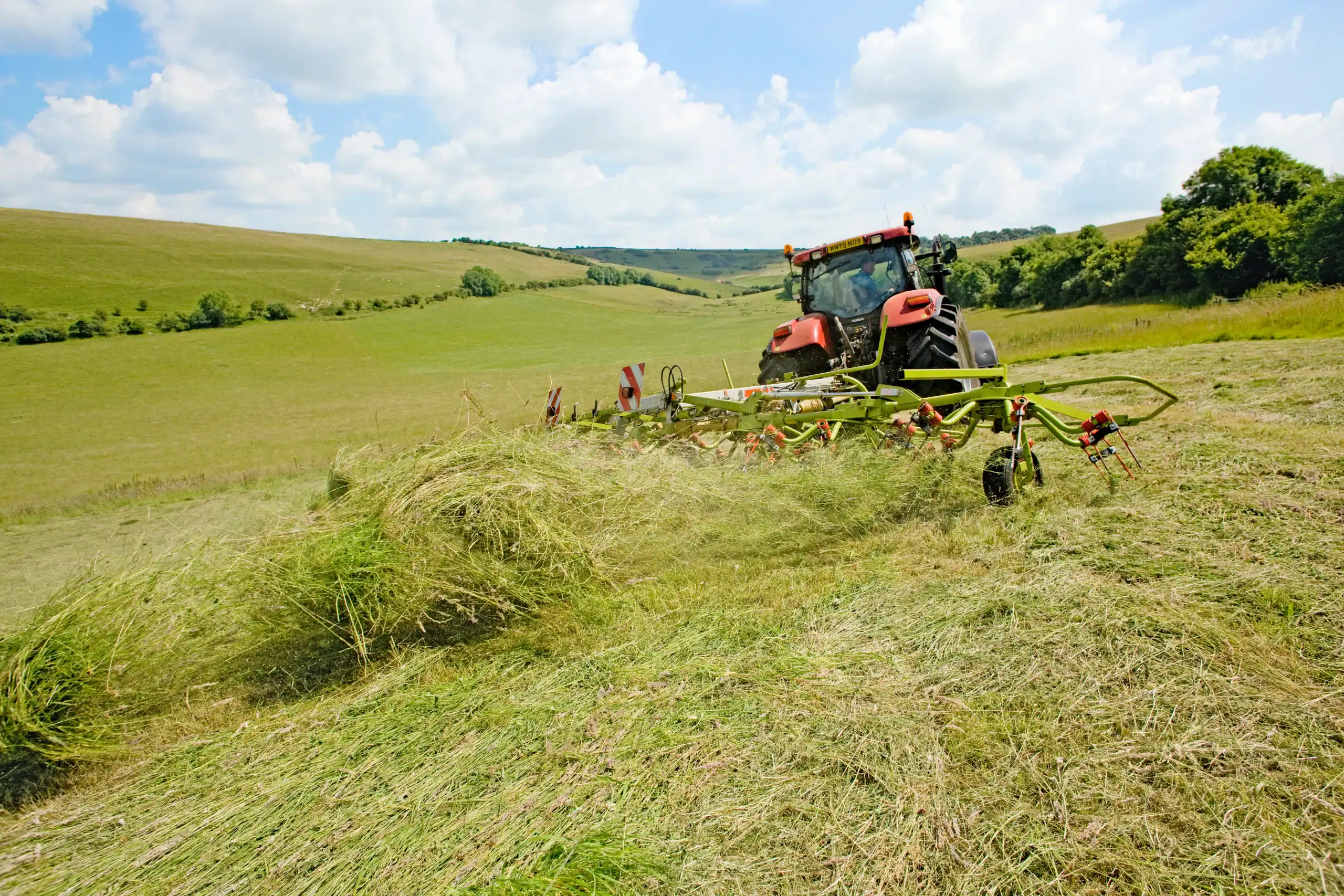
You’ve got land you can’t walk through, let alone use. Thick brush, waist-high grass, maybe some saplings mixed in. It’s been sitting there getting worse every season, and now you’re looking at it wondering how much it’ll cost to fix or whether you even want to deal with it.
Bush hogging cuts through all of it. We’re talking about heavy rotary mowers that handle what a regular lawn mower would choke on. Dense vegetation, uneven ground, stuff that’s been growing wild for years. It gets cleared fast, and it gets cleared right.
What you’re left with is land you can actually do something with. Walk it. Build on it. Maintain it without needing a machete. The brush is gone, but the roots stay put, so you’re not dealing with erosion issues or torn-up soil. You just get your property back in a condition that makes sense.
We’ve been working in Deltaville and across the Northern Neck for over 20 years. We know this area because we’ve been here, clearing properties along the Rappahannock, the Piankatank, and everywhere in between.
A lot of properties around here are seasonal. Owners come and go, and the land doesn’t wait. By the time you’re back, it’s overgrown and unusable. We handle that. We also work with year-round residents who need regular maintenance, lot clearing for new builds, and brush cutting service for properties that just got away from them.
We’re licensed, insured, and we do more than just bush hogging. We handle excavation, driveways, and marine construction too. That means when your property needs more than one thing fixed, you’re not calling five different companies.
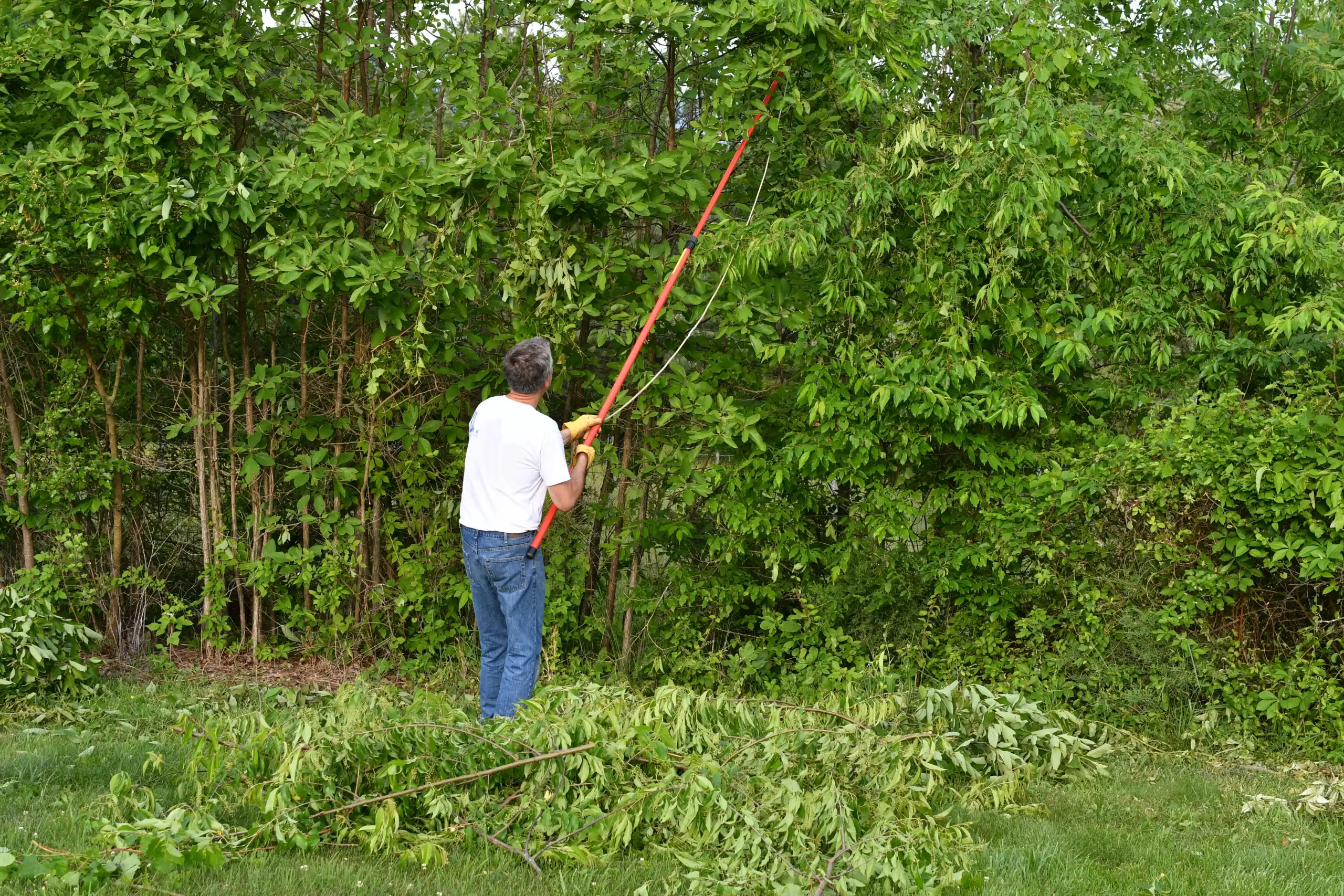
First, we come out and look at your property. We’re checking terrain, vegetation density, access points, and any obstacles that’ll affect the job. You tell us what you need cleared and what you want left alone. We give you a straight answer on timing and cost.
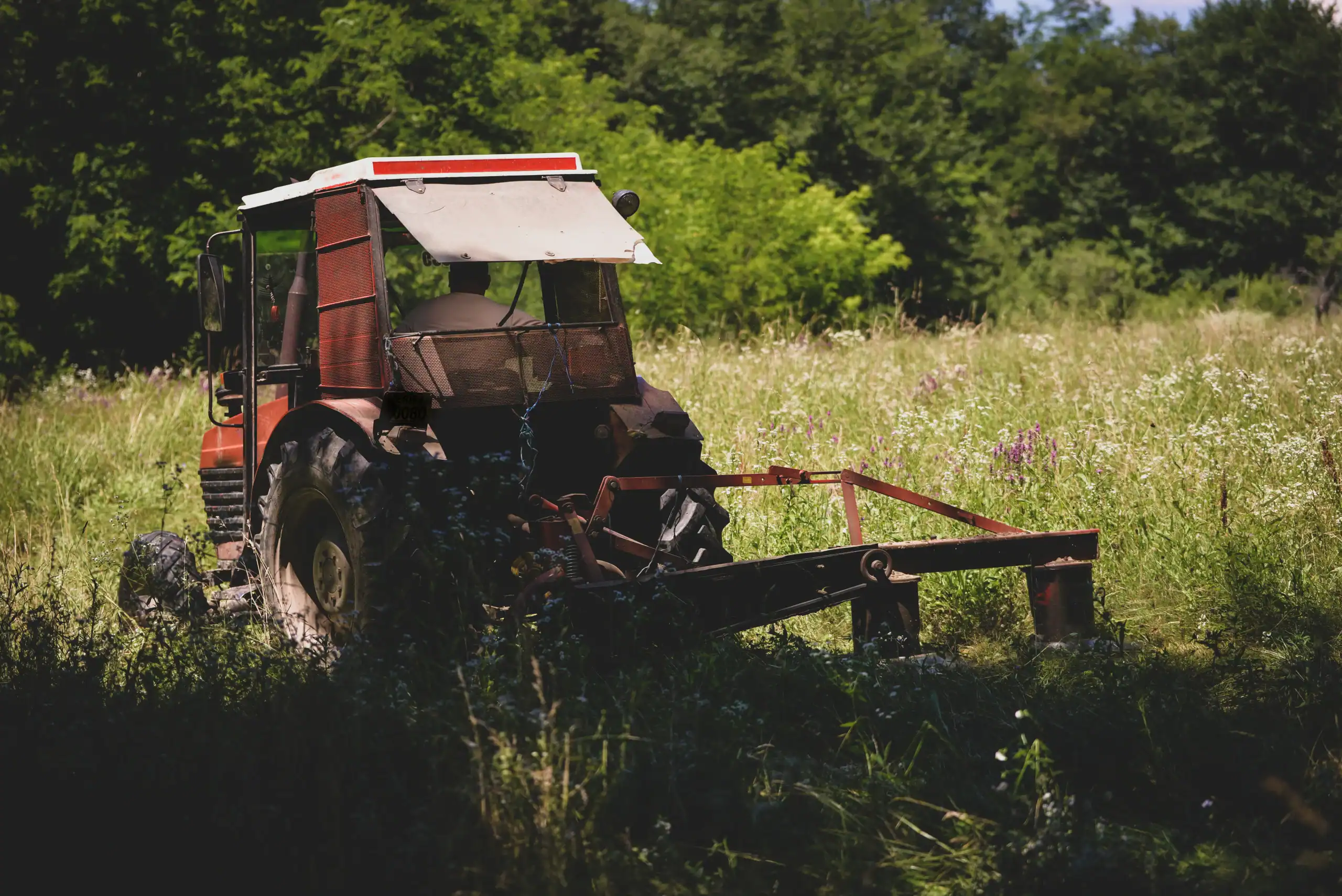
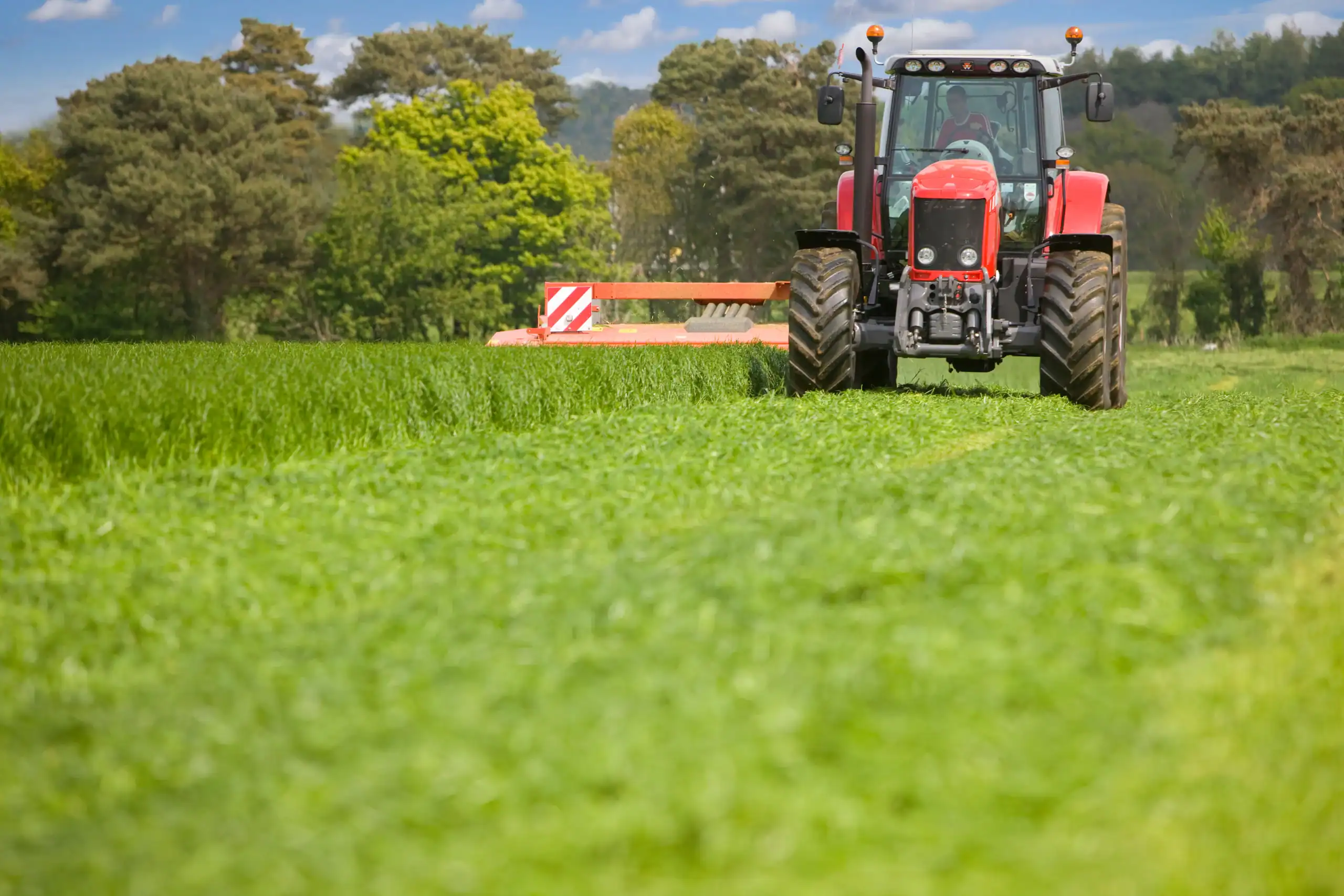
Once we’re scheduled, we bring in the equipment. Bush hogging uses a heavy-duty rotary mower mounted on a tractor. It’s built to cut through thick brush, tall grass, and small trees without tearing up the ground underneath. We work in passes, clearing section by section until the whole area is done.
The debris gets mulched down as we go. It doesn’t need to be hauled off unless you want it gone. Most of the time, it breaks down naturally and actually feeds the soil. When we’re finished, your land is cleared, accessible, and ready for whatever comes next. No guessing, no surprises.
Ready to get started?
This isn’t just mowing. Bush hogging handles vegetation that’s too thick, too tall, or too tangled for standard equipment. We’re talking about overgrown fields, neglected lots, properties that haven’t been touched in years. If it’s dense and difficult, that’s what this service is built for.
Deltaville properties come with their own challenges. You’ve got coastal humidity that makes everything grow faster. You’ve got older lots where the landscaping matured decades ago and now needs serious management. You’ve got waterfront parcels where drainage and vegetation interact in ways that create real problems if ignored.
We clear it without disturbing your topsoil. That matters here because erosion is already an issue near the water. Bush hogging cuts the growth but leaves the root systems intact, so your land stays stable. You’re not creating new problems while fixing the old ones.
This works for residential lots, commercial properties, land prep for construction, and seasonal property maintenance. If you’re trying to reclaim space, improve safety, or just make your land look like you actually own it, this is how it gets done.
Most bush hogging in this area runs between $85 and $120 per hour, depending on equipment size and terrain difficulty. Some companies charge by the acre instead, typically $75 to $150 per acre for standard jobs. Thick brush, steep slopes, or properties with a lot of obstacles will cost more because they take longer and require more careful work.
The best way to get an accurate price is to have someone come look at your property. What looks like a simple job from the road might have hidden challenges, and what looks impossible might actually be straightforward. We give you a clear estimate after seeing the land in person.
Don’t go with the cheapest quote without asking questions. If someone’s significantly lower than everyone else, they’re either cutting corners on equipment, insurance, or experience. You want this done right the first time, not redone after someone tears up your property.
Bush hogging uses a rotary mower to cut vegetation down to ground level. It’s fast, efficient, and works well for tall grass, thick brush, and small saplings. The cut material gets chopped up and left on the ground as mulch. It’s the right choice when you need large areas cleared quickly and the vegetation isn’t too woody.
Forestry mulching uses a different machine that grinds up trees, stumps, and heavy brush into fine mulch. It handles bigger material and leaves a more finished look, but it’s slower and costs more. You’d use forestry mulching when you’re clearing actual trees or dealing with very dense woody growth.
For most overgrown properties in Deltaville, bush hogging is the right call. It’s cost-effective, it’s fast, and it handles the type of vegetation that grows here. If you’ve got a lot of trees to clear, then forestry mulching makes more sense. We can walk your property and tell you which one fits your situation.
Summer is ideal because that’s when vegetation is actively growing and easier to cut. The ground is usually dry enough to support heavy equipment without creating ruts, and you can see exactly what you’re dealing with. Most property owners schedule bush hogging between late spring and early fall.
That said, we can work year-round depending on conditions. If your property is overgrown and causing problems, waiting six months for perfect weather doesn’t always make sense. Winter bush hogging is possible when the ground isn’t too wet or frozen, and it’s actually easier to navigate some properties when the leaves are down.
For seasonal property owners in Deltaville, late spring is popular because it gets the land ready before summer use. Fall is another good window because it clears growth before winter and reduces fire hazards. If you’re prepping land for construction, timing depends more on your build schedule than the season.
No, not when it’s done correctly. Bush hogging cuts vegetation at ground level but leaves root systems intact. Those roots hold soil in place, which is especially important in Deltaville where you’re dealing with sandy soil and proximity to water. You’re removing the visible growth without destabilizing the ground underneath.
The cut material gets mulched and spread across the area as you go. That mulch layer actually protects the soil from erosion by covering it and breaking down into organic matter over time. It’s not like grading or excavation where you’re moving dirt around and exposing bare soil to runoff.
The main risk is operator error. If someone drives heavy equipment over wet ground or makes too many passes in the same spot, you can get ruts and compaction. That’s why experience matters. We know how to read terrain, when to avoid certain areas, and how to clear land without tearing it up. You should end up with cleared, stable ground, not a mud pit.
Usually not. The whole point of bush hogging is that the mower chops everything into small pieces as it cuts. That mulched material gets spread across the ground and breaks down naturally. Within a few weeks, it starts decomposing and actually adds nutrients back into the soil.
If you’re clearing land for construction or you need a completely clean look, we can rake and haul away the debris. That’s an extra step and it costs more, but it’s an option if your project requires it. Most residential and agricultural properties just leave the mulch in place.
For properties near the water, leaving the mulch layer is usually better because it prevents erosion while the ground restabilizes. If you’re worried about appearance, the mulch settles and fades pretty quickly. After a few rain cycles, it’s not nearly as noticeable. You’re left with cleared land that doesn’t look like a construction zone.
Yes, but it requires attention and experience. Bush hogging equipment is powerful and the mower deck extends several feet from the tractor. An operator who knows what they’re doing can work around obstacles safely. An operator who doesn’t can cause real damage to trees, structures, fences, and underground utilities.
We mark or flag anything that needs protection before we start. That includes trees you want to keep, septic system components, well heads, property markers, and anything else that shouldn’t get hit. Then we work carefully around those areas, sometimes finishing by hand if the space is too tight for equipment.
The bigger risk is hidden obstacles. Old fence posts, buried debris, rocks, and stumps can damage equipment and create safety hazards. That’s why the initial property walk-through matters. We identify problems before we start cutting, not after we’ve hit something. You should expect careful work, clear communication, and property that looks better when we leave, not worse.