
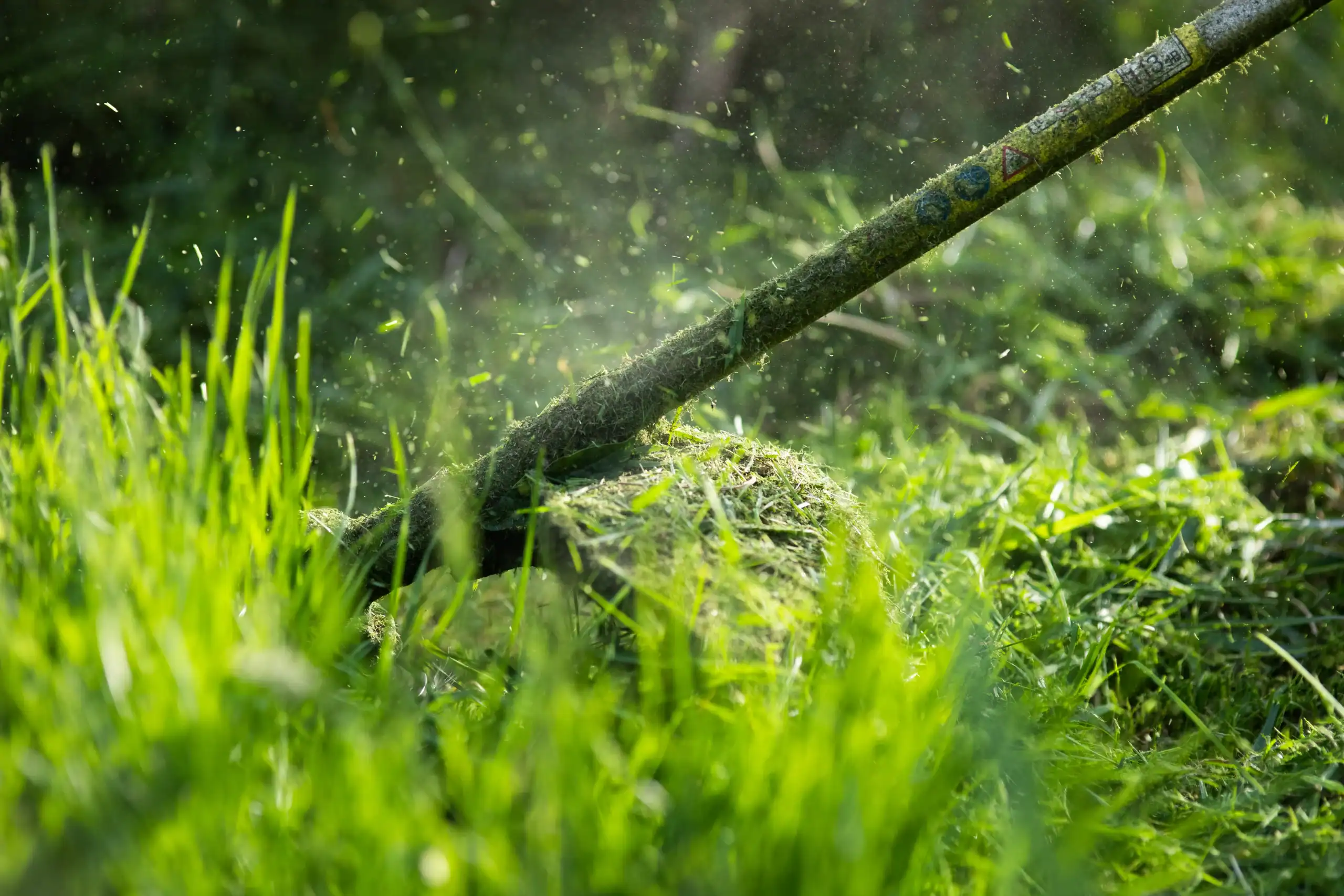
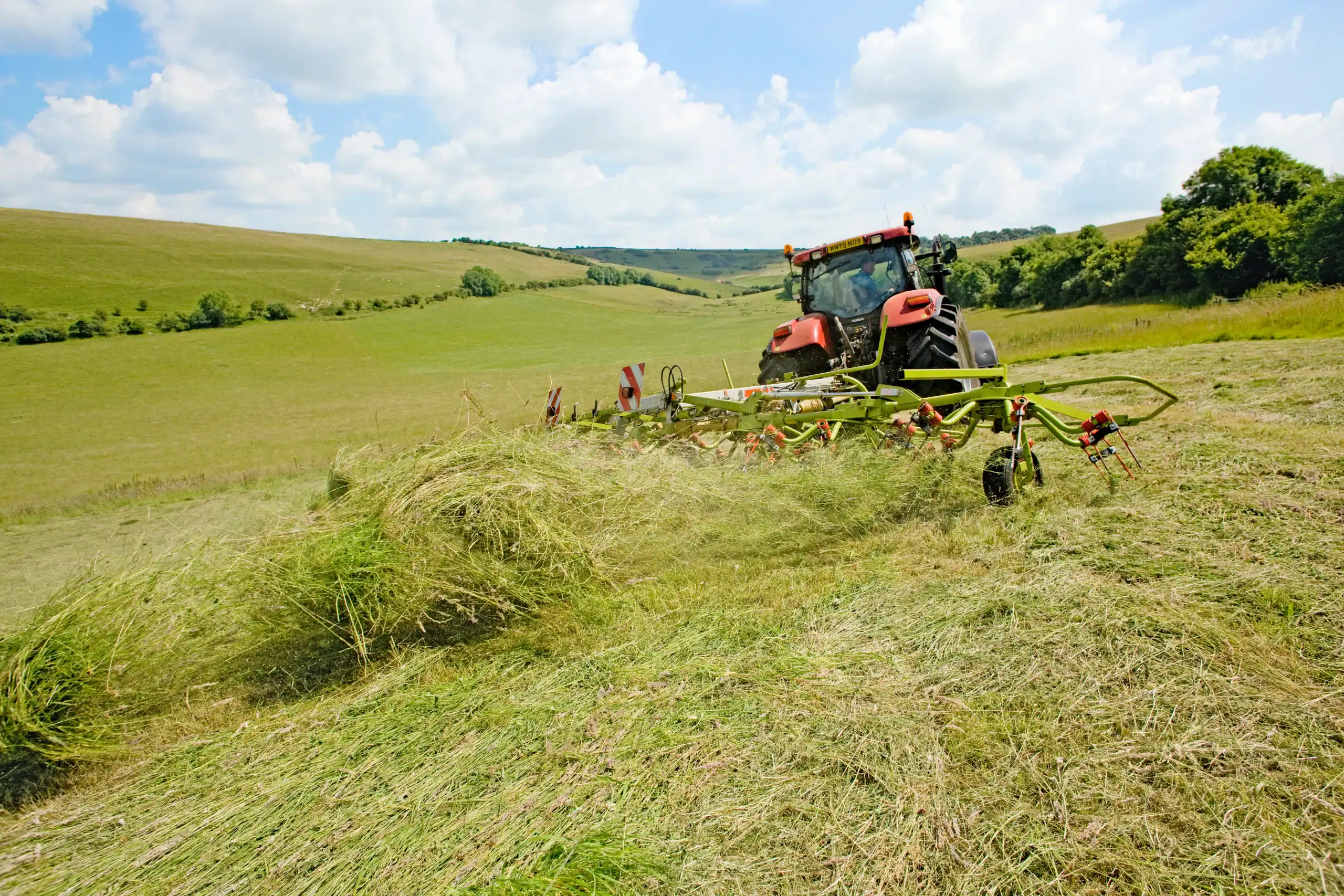
You’re not looking at overgrown fields wondering when you’ll find time to deal with them. The brush is gone, the land drains properly, and you can actually use your property the way you intended.
Fire hazards drop when dry vegetation gets cleared. Pests lose their hiding spots. Your driveway doesn’t turn into a muddy mess every time it rains because water moves where it should.
This matters in Dunnsville and across the Northern Neck because our terrain and weather patterns create specific drainage challenges. Properties here need maintenance that accounts for tidal influences, coastal storms, and the way water behaves on low-lying land. When vegetation gets managed correctly, your property value holds and you avoid the kind of water damage that costs thousands to fix later.
We’ve spent over 20 years maintaining properties throughout Dunnsville, Essex County, and the entire Northern Neck region. We’re licensed, bonded, and insured because that’s what responsible contractors do.
Your neighbors use us because we show up when we say we will and we don’t leave properties half-finished. We understand what Virginia weather does to land here and why drainage matters more in coastal areas than it does inland.
You’re dealing with approximately 1,100 miles of shoreline in the Northern Neck, which means water management isn’t optional. We’ve seen what happens when properties don’t get maintained properly, and we’ve helped fix those problems enough times to know prevention beats emergency repairs every time.
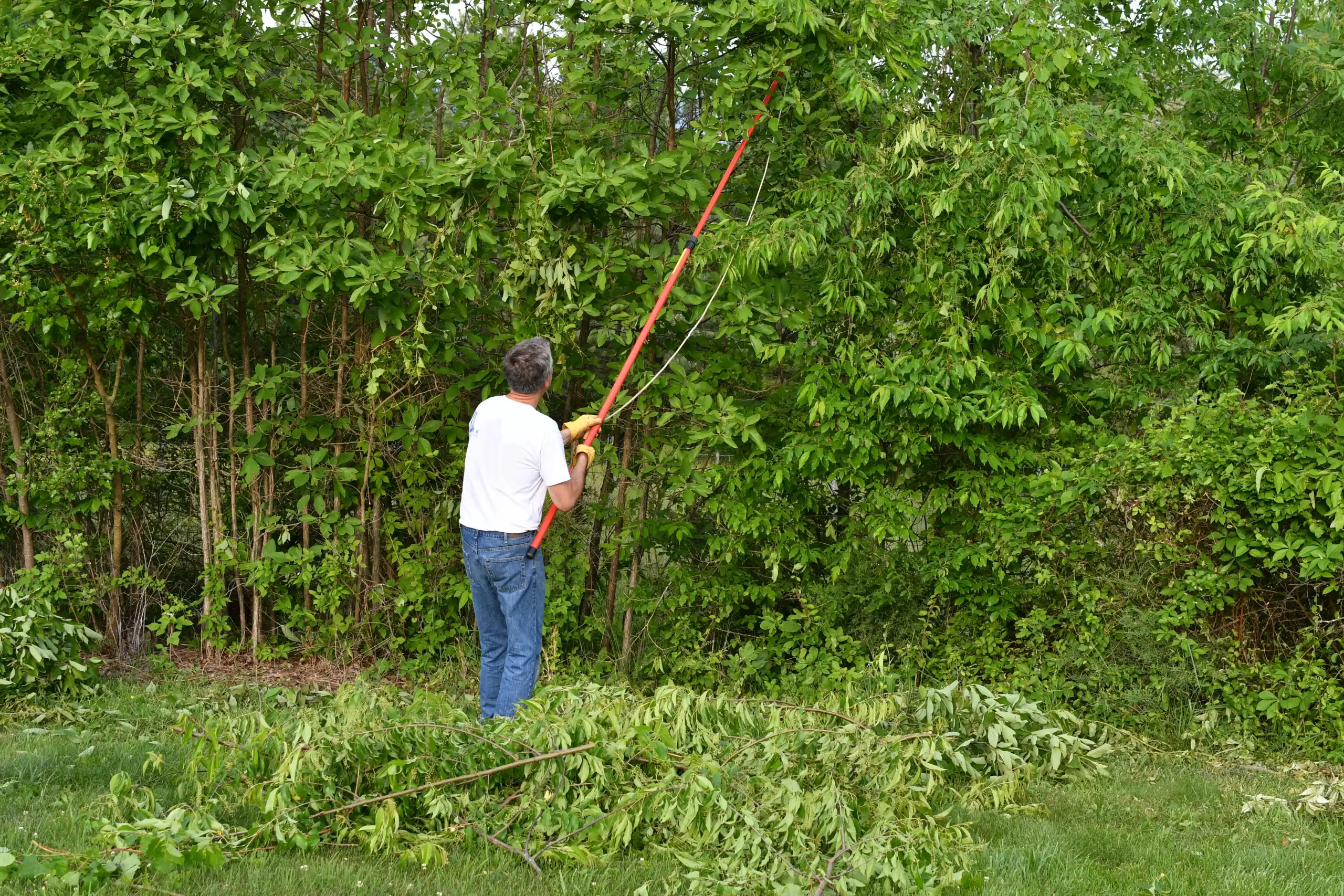
First, we walk your property to identify what needs clearing and check for hidden obstacles that could damage equipment or create safety issues. Things like old fence posts, buried debris, or terrain changes that affect how we approach the job.
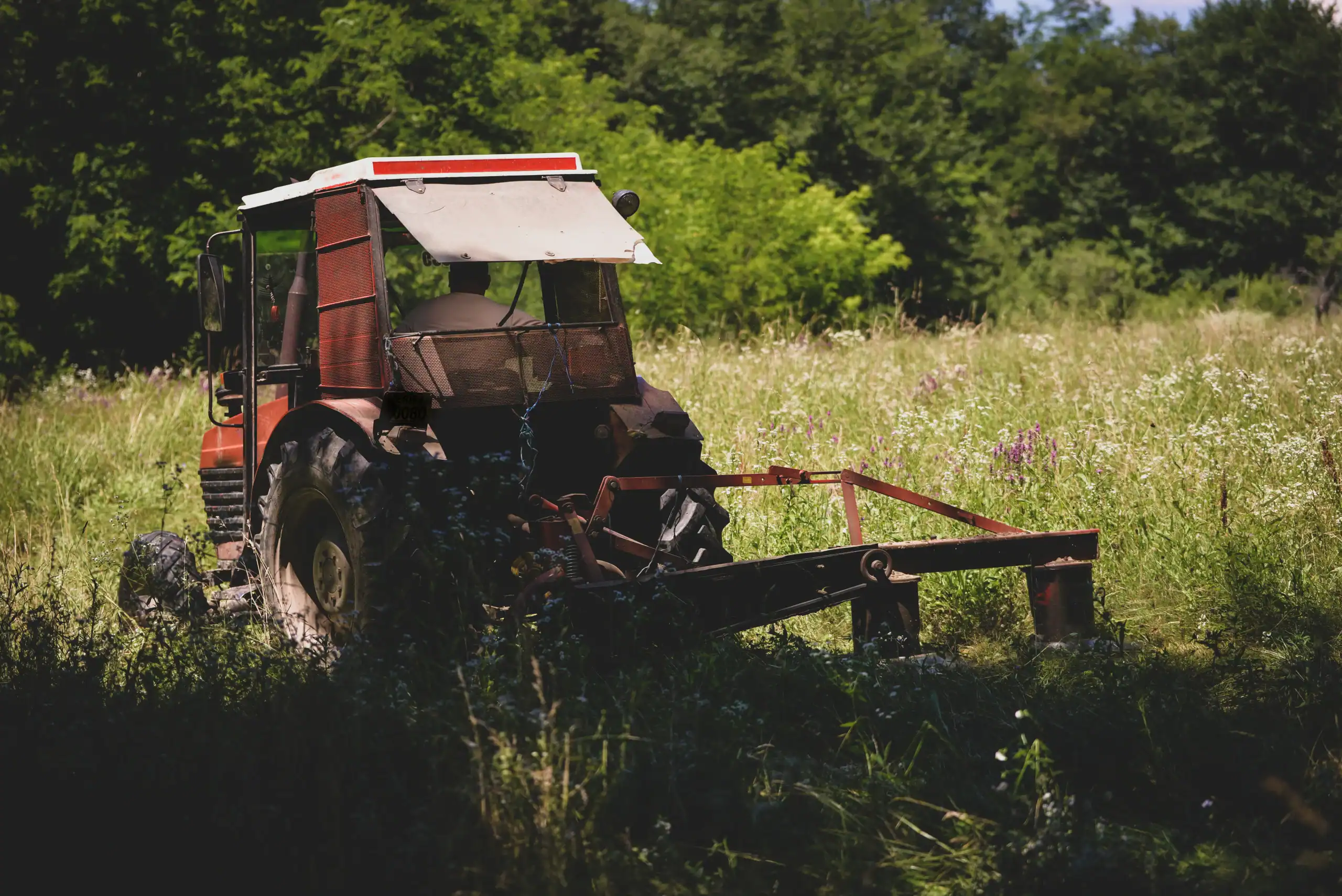
Then we bring in the right equipment for your specific conditions. Bush hogging uses a heavy-duty rotary cutter attached to a tractor that handles thick brush, tall grass, and overgrown vegetation that regular mowers can’t touch. The technique cuts through dense growth while leaving topsoil and root systems intact, which matters if you want healthy regrowth or plan to use the land for something specific afterward.
We clear the vegetation and remove debris so you’re not left with piles of cut brush sitting on your property. The job includes proper disposal and cleanup because cleared land that’s covered in debris isn’t actually cleared.
You end up with accessible property that drains correctly and stays manageable between services. We can set up regular maintenance schedules if that makes sense for your situation, or handle one-time clearing jobs when you need land prepared for a specific use.
Ready to get started?
You get tall grass mowing and brush cutting that handles whatever’s growing on your property right now. Our equipment manages thick undergrowth, small saplings, and dense vegetation across fields, lots, and areas that have been neglected for seasons or years.
Commercial mowing services cover larger properties where standard lawn equipment doesn’t make sense. If you’re maintaining acreage for agriculture, preparing land for construction, or keeping commercial property accessible and presentable, this handles it without you needing to own and maintain specialized equipment yourself.
Dunnsville properties face specific challenges that affect how we approach each job. The Northern Neck’s coastal location means tidal influences affect drainage in ways that don’t happen inland. Water tables rise and fall, ditches respond to tides, and modest sea level changes make flooding more frequent in low-lying areas. We account for these factors when clearing land because how water moves across your property determines whether clearing work actually solves problems or just looks good temporarily.
Debris removal and disposal come standard because half-cleared land creates more problems than it solves. You’re not dealing with piles of cut vegetation or wondering what to do with the brush after we leave.
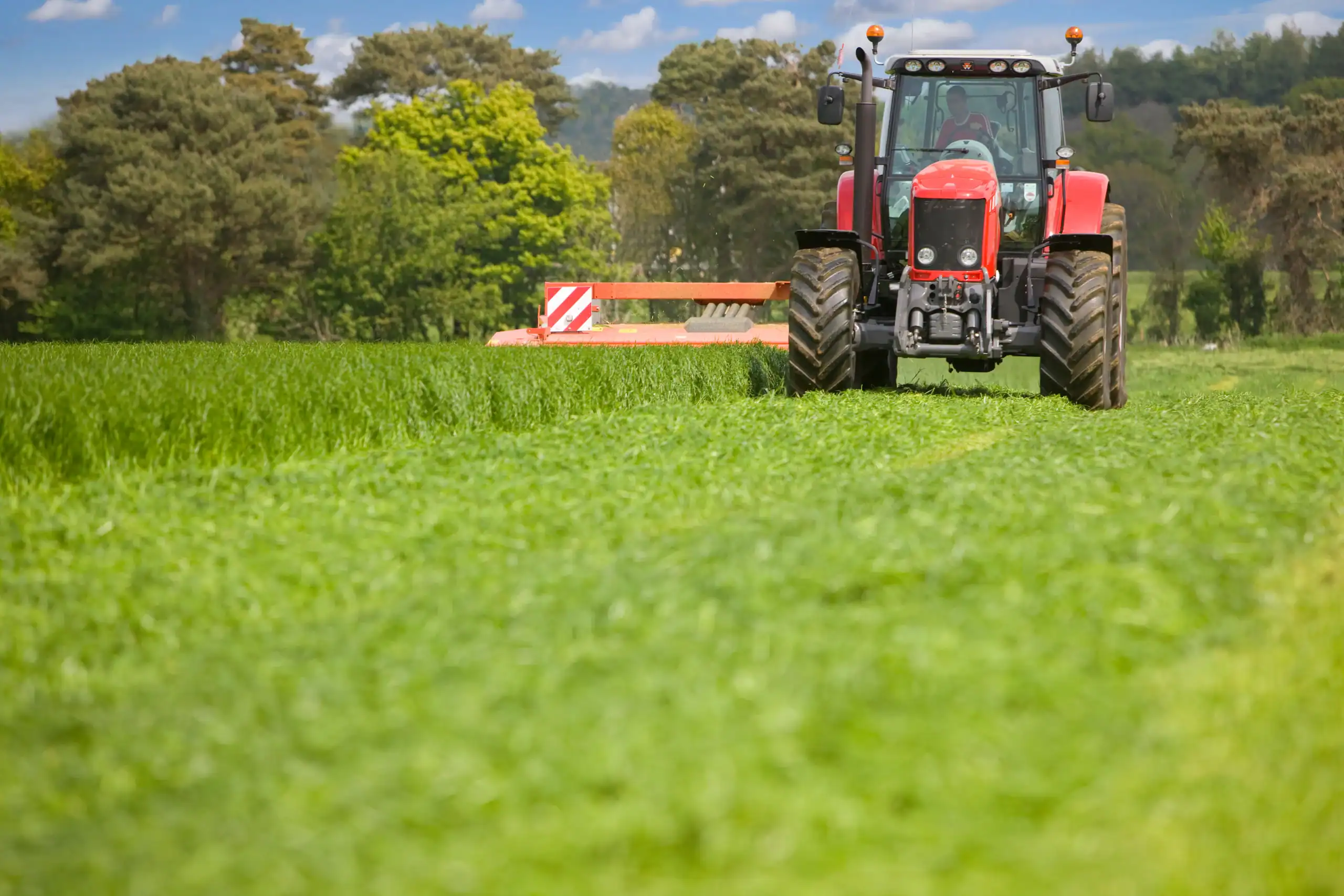
Most bush hogging in this area runs between $85 and $120 per hour depending on terrain, vegetation density, and how accessible your property is. Some contractors price by the acre instead, typically around $125 for the first acre and $60 per acre after that for properties between two and five acres.
Pricing isn’t one-size-fits-all because conditions vary significantly between properties. Dense brush with hidden obstacles takes longer and carries more risk than open fields with light overgrowth. Properties with good access cost less to service than land where we need to spend extra time just getting equipment in position.
We look at your specific situation before quoting because accurate pricing requires seeing what we’re actually dealing with. That approach costs you less than getting surprised by condition-based price increases halfway through a job.
Summer is ideal for bush hogging in Virginia because vegetation is actively growing and easier to cut cleanly. The weather is typically dry enough that equipment doesn’t get stuck in soft ground, and you can see exactly what you’re clearing without dead vegetation hiding obstacles.
That said, bush hogging provides benefits year-round depending on what you’re trying to accomplish. Spring clearing prepares land for planting or construction season. Fall maintenance prevents overgrowth from becoming unmanageable over winter. Even winter clearing makes sense for properties where you need access maintained regardless of season.
The worst time is usually late winter or early spring when ground is saturated and equipment creates ruts that damage your property. We’ll tell you if conditions aren’t right for clearing work because fixing rut damage costs more than waiting a few weeks for ground to firm up.
Bush hogging uses heavy-duty rotary cutters designed to handle thick brush, saplings, and tall grass that would destroy a regular mower. The blades are mounted on a reinforced deck that can take impacts from hidden debris and cut through vegetation several feet tall.
Regular mowing works for maintained lawns and light grass. It leaves a clean, even cut at specific heights. Bush hogging is for overgrown areas, neglected fields, and vegetation that’s too thick or tall for standard equipment. The cut is rougher but it clears land that’s otherwise unusable.
The technique also leaves topsoil undisturbed while removing above-ground growth. Roots and underground organic material stay in place, which matters if you want the area to regenerate naturally or if you’re preparing land for specific uses that require intact soil structure. Regular mowing doesn’t handle that kind of clearing work and trying to use lawn equipment on overgrown property usually just results in expensive equipment damage.
Professional bush hogging clears vegetation without tearing up topsoil or creating the kind of damage that comes from improper clearing techniques. The equipment is designed to cut through growth while leaving ground intact, assuming the operator knows what they’re doing and adjusts approach based on terrain conditions.
You’ll see cut vegetation and some disturbance immediately after clearing, but that settles quickly and the area typically looks significantly better within a few weeks as remaining plants respond to increased light and space. The cut material breaks down into mulch that actually feeds desired vegetation.
Problems happen when inexperienced operators push equipment too hard in soft conditions, hit hidden obstacles at full speed, or try to clear vegetation that requires different equipment. That’s why we walk properties first and adjust our approach based on what we find. You’re not dealing with ruts, damaged irrigation, or torn-up ground because we’re not learning on your property.
Most Northern Neck properties need clearing once or twice a year to stay manageable, but frequency depends entirely on how fast vegetation grows on your land and what you’re using the property for. Fields that sit unused grow faster than areas with some activity. Properties near water often have more aggressive vegetation due to higher moisture levels.
If you’re maintaining land for agricultural use, you might need more frequent clearing during growing season. Commercial properties often require regular service to stay presentable and accessible. Residential lots that border wooded areas typically need attention once or twice annually to prevent brush from encroaching.
The key is not letting vegetation get so overgrown that clearing becomes a major project instead of routine maintenance. Once property gets severely overgrown, clearing costs more and takes longer because we’re dealing with years of accumulated growth instead of managing current-season vegetation. We can set up a maintenance schedule that keeps your property consistently clear for less than you’d spend on emergency clearing when things get out of hand.
Yes, but we need to identify obstacles before we start cutting. Hidden debris like old fence posts, bed springs, concrete chunks, or buried equipment can cause thousands of dollars in equipment damage instantly and create serious safety hazards if blades hit them at full speed.
That’s why we walk properties first and flag anything that could cause problems. Sometimes we’ll need to remove certain obstacles by hand before bush hogging. Other times we’ll work around them or adjust our approach to minimize risk. The goal is clearing your land without destroying equipment or creating dangerous situations.
If your property has been neglected for years or you know debris is present but aren’t sure where, tell us upfront. We’d rather spend extra time on the front end identifying problems than hit something mid-job that damages equipment, delays your project, and potentially costs you more when repairs get added to the bill. Transparency about property conditions helps everyone and usually results in better outcomes at lower total cost.