
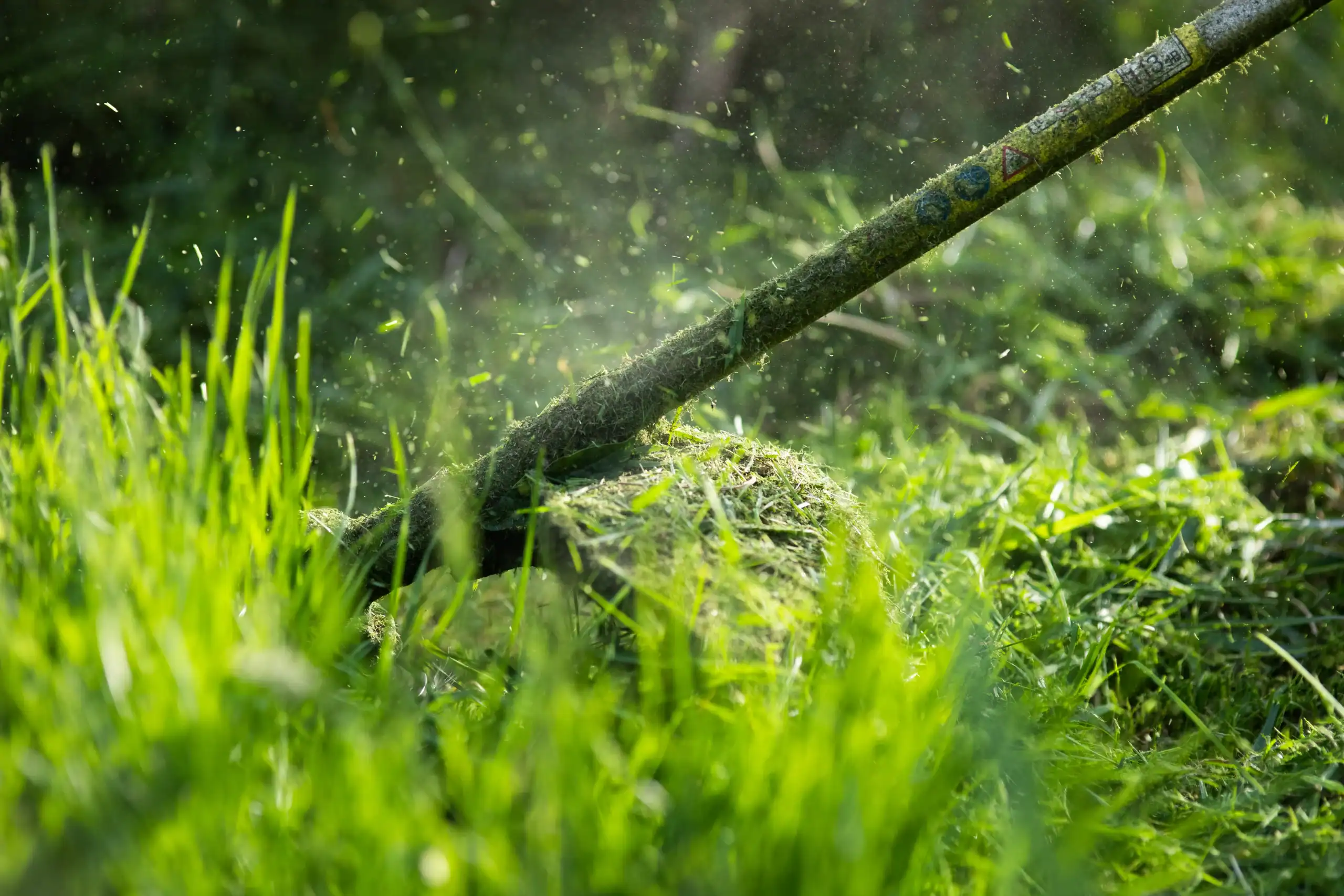
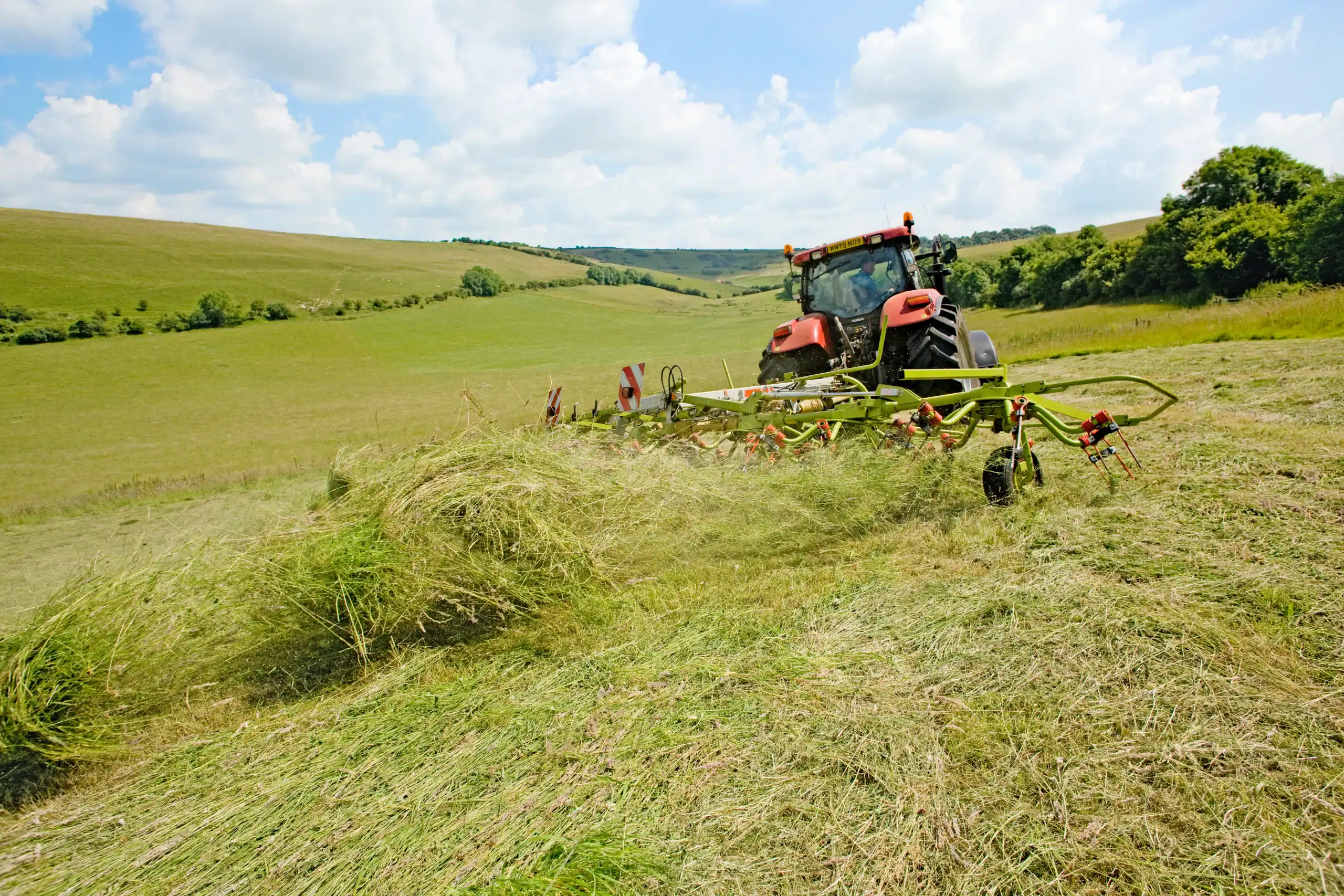
You walk your property without fighting through waist-high weeds. Fire hazards drop because dry brush isn’t piling up near structures or fence lines. The land looks maintained, not abandoned.
Bush hogging cuts through vegetation your riding mower won’t touch. We’re talking saplings, thick brambles, overgrown fields that haven’t been touched in years. The equipment mulches everything down to ground level, leaving behind natural material that breaks down and feeds the soil instead of eroding it.
You’re not renting equipment you don’t know how to operate. You’re not spending weekends wrestling with brush that keeps growing back. The work gets done in hours, not days, and you can actually use your land again.
R.E. Douglas Company Inc has been clearing land across the Northern Neck and Middle Peninsula for years. We’re local, which means we understand Richmond County terrain, the vegetation that takes over when you turn your back, and the conditions that make properties here harder to maintain than most people expect.
We run professional-grade equipment built for heavy brush and uneven ground. Our team has cleared everything from residential lots to commercial fields, and we’ve seen what happens when property owners wait too long or try to handle overgrowth with the wrong tools.
Farnham sits in an area where land can get away from you fast. Between the humidity, rainfall, and growing season, a manageable property turns into a jungle quicker than most places. We’ve worked with enough property owners here to know that bush hogging isn’t optional if you want to keep your land usable and safe.
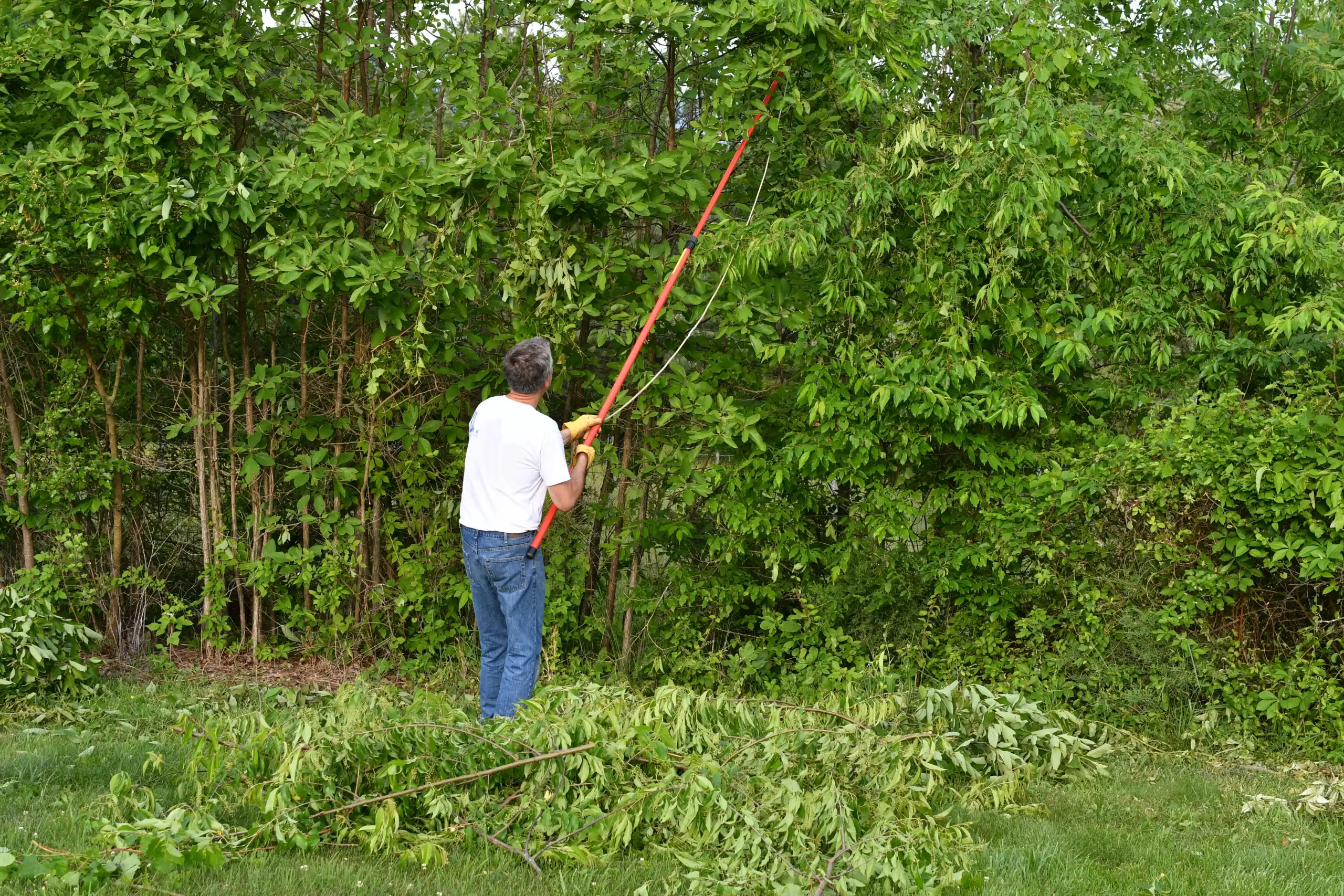
First, we walk the property with you. We’re looking for obstacles like rocks, stumps, ditches, or anything else that could damage equipment or create safety issues. We also identify what type of vegetation we’re dealing with and how thick it’s gotten.
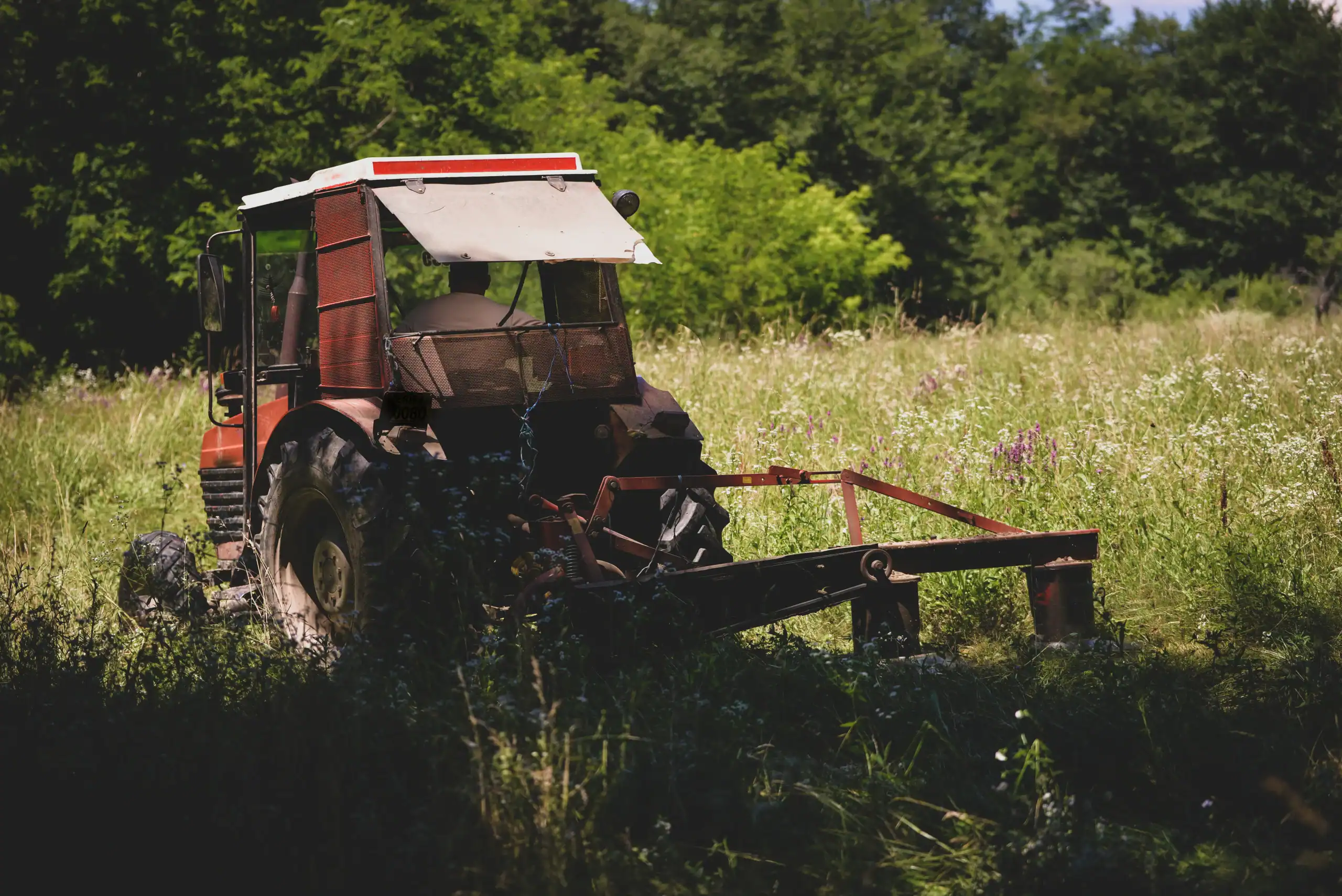
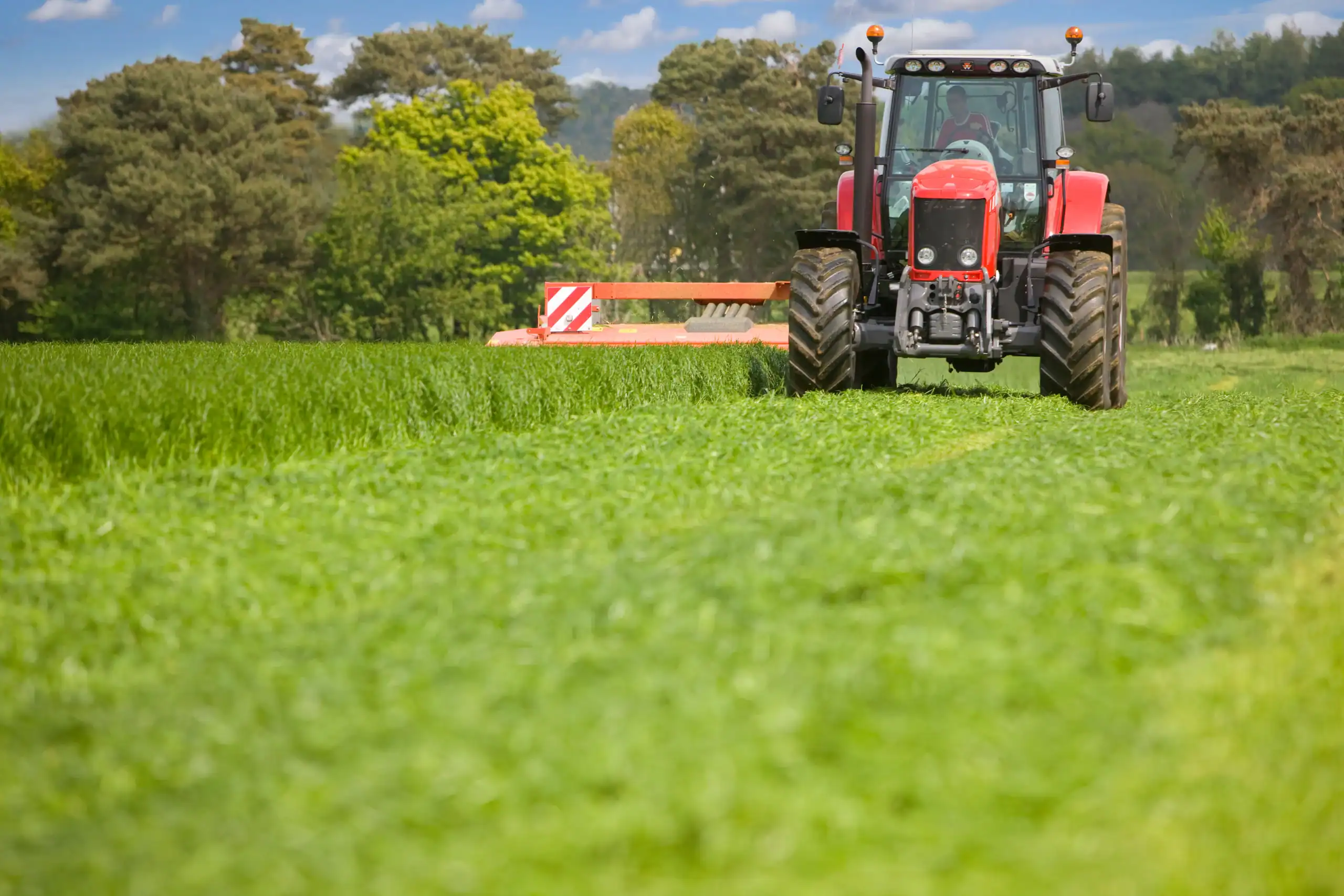
Once we know what we’re working with, we bring in the right equipment. Bush hogs are rotary mowers mounted on tractors, designed to cut through brush up to several inches thick. They mulch everything down instead of just knocking it over, which means the material breaks down naturally and doesn’t need hauling off.
We clear the area in passes, working systematically to make sure nothing gets missed. The mulched material stays on the ground, where it helps prevent erosion and adds organic matter back into the soil. When we’re done, you’ve got cleared land that’s ready to use however you need it.
The timeline depends on acreage and how overgrown things have gotten, but most residential properties get cleared in a day or two. Larger tracts take longer, but the process stays the same.
Ready to get started?
You get a full property assessment before we start. We don’t quote blind. We need to see what we’re clearing, how thick it is, and what obstacles might slow things down or require extra care.
The actual bush hogging covers tall grass, brush, brambles, and small trees. If you’ve got saplings under three inches in diameter, the bush hog handles them. Anything larger needs different equipment, and we’ll tell you that upfront.
We’re clearing land in an area where property owners deal with specific challenges. Farnham’s climate means vegetation grows aggressively, especially in summer. Fields that looked fine in April can be completely overgrown by July. Ticks and snakes move into tall grass and dense brush, which makes walking your property risky. Fire danger increases when dry vegetation piles up near homes or outbuildings.
Our equipment is built for this. We’re not showing up with a riding mower and hoping for the best. You’re getting commercial-grade bush hogs that can handle the toughest growth without tearing up your topsoil or leaving ruts across your property.
Pricing depends on how many acres you need cleared and how overgrown the vegetation is. Most contractors charge more for the first acre because of setup and travel, then less per acre after that. Expect something in the range of $125 for the first acre and $60 per additional acre for standard brush and tall grass.
If you’ve got extremely thick growth, small trees, or terrain that’s hard to navigate, the price goes up. Steep slopes, wet ground, or properties with a lot of obstacles take longer and require more careful work.
We give you a quote after seeing the property. There’s no way to price it accurately without knowing what we’re dealing with. Some properties look manageable until you walk them and realize there are ditches, hidden debris, or growth that’s thicker than it appeared from the road.
Bush hogging cuts through vegetation that would destroy a regular mower. Standard lawn mowers are built for grass that’s a few inches tall. Bush hogs are designed for brush, saplings, thick weeds, and grass that’s several feet high.
The equipment is different. A bush hog is a heavy-duty rotary cutter attached to a tractor. The blades are thicker and mounted on a reinforced deck that can handle impacts from small trees and hidden debris. Regular mowers have thin blades that bend or break when they hit anything solid.
The result is different too. Bush hogging mulches everything down and leaves it on the ground. It’s not going to give you a manicured lawn. It clears land so you can use it, reduces fire hazards, and keeps vegetation from taking over. If your property has areas that haven’t been maintained in months or years, bush hogging is what brings it back under control.
Summer is ideal because vegetation is at its thickest and you’re cutting it before it goes to seed. The material that gets mulched down is nutrient-dense, which means it breaks down faster and adds more organic matter back into your soil.
That said, bush hogging works year-round depending on what you’re trying to accomplish. If you’re clearing land for a project or need to reduce fire hazards before fall, don’t wait for perfect conditions. Overgrown properties don’t improve on their own.
Spring is busy because that’s when most people realize how bad things got over winter. Fall works well if you want to knock down growth before it dies back and becomes a fire risk. Winter is slower, but the work still gets done as long as the ground isn’t frozen or too wet to support equipment.
The worst time to wait is when you’ve already got a problem. If your property is overgrown to the point where you can’t walk it safely or you’re worried about fire danger, get it cleared now.
Not if it’s done correctly. Bush hogging is designed to cut vegetation at ground level without disturbing the topsoil. The equipment rides on the surface and mulches everything down, which actually protects the soil by leaving a layer of organic material that prevents erosion.
What damages property is using the wrong equipment or working in bad conditions. If someone tries to bush hog when the ground is soaked, they’ll leave ruts. If they’re moving too fast or not paying attention, they can hit obstacles and tear up the surface.
We assess ground conditions before we start. If the soil is too wet or soft, we’ll tell you to wait. If there are areas with hidden rocks, stumps, or debris, we clear those first or work around them. The goal is to clear your land without creating new problems.
The mulched material left behind is a benefit, not a drawback. It breaks down over time, adds nutrients to the soil, and helps retain moisture. You’re not left with bare dirt that washes away in the next heavy rain.
Yes. Overgrown vegetation is fuel for wildfires, especially when it dries out in summer and fall. Tall grass, dead brush, and dense undergrowth near structures create serious fire hazards that most property owners don’t think about until it’s too late.
Bush hogging removes that fuel. By cutting everything down and mulching it, you’re eliminating the dry, standing material that catches fire easily and spreads quickly. The mulched material left on the ground is less of a risk because it’s in contact with soil and retains more moisture.
This matters in Farnham because you’re in an area with hot, humid summers and properties that can go from green to bone-dry in a matter of weeks. If you’ve got outbuildings, homes, or structures near overgrown fields, you’re taking a risk every fire season.
Regular bush hogging keeps vegetation manageable and reduces the chance that a spark from a mower, a cigarette, or a lightning strike turns into something worse. It’s not a guarantee, but it’s one of the most effective ways to lower fire risk on rural properties.
We’ll assess that when we walk the property. Small debris like sticks and branches get mulched along with everything else. Larger obstacles like logs, stumps, rocks, or metal need to be flagged or removed before we start.
Bush hog blades are tough, but they’re not indestructible. Hitting a hidden stump or a piece of old farm equipment can damage the equipment and cost you more in repairs and delays. We’d rather spend a few extra minutes identifying obstacles upfront than deal with broken blades halfway through the job.
If your property has a lot of debris and you’re not sure what’s out there, we can help identify problem areas during the walkthrough. In some cases, we’ll move or mark obstacles ourselves. In others, you might need to clear certain items before we bring equipment in.
The goal is to clear your land safely and efficiently. That means knowing what we’re working with before we start, not discovering problems after the fact.