
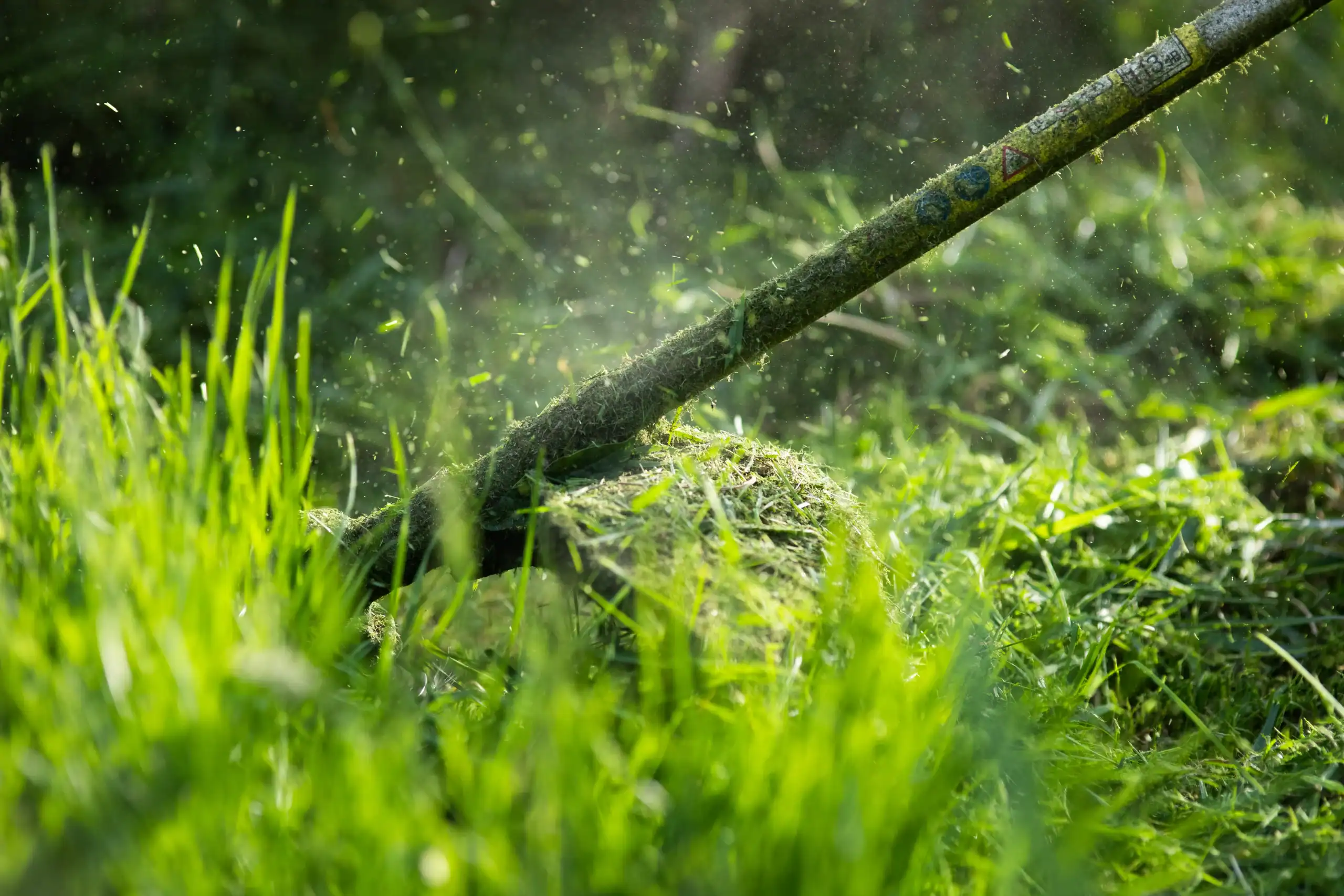
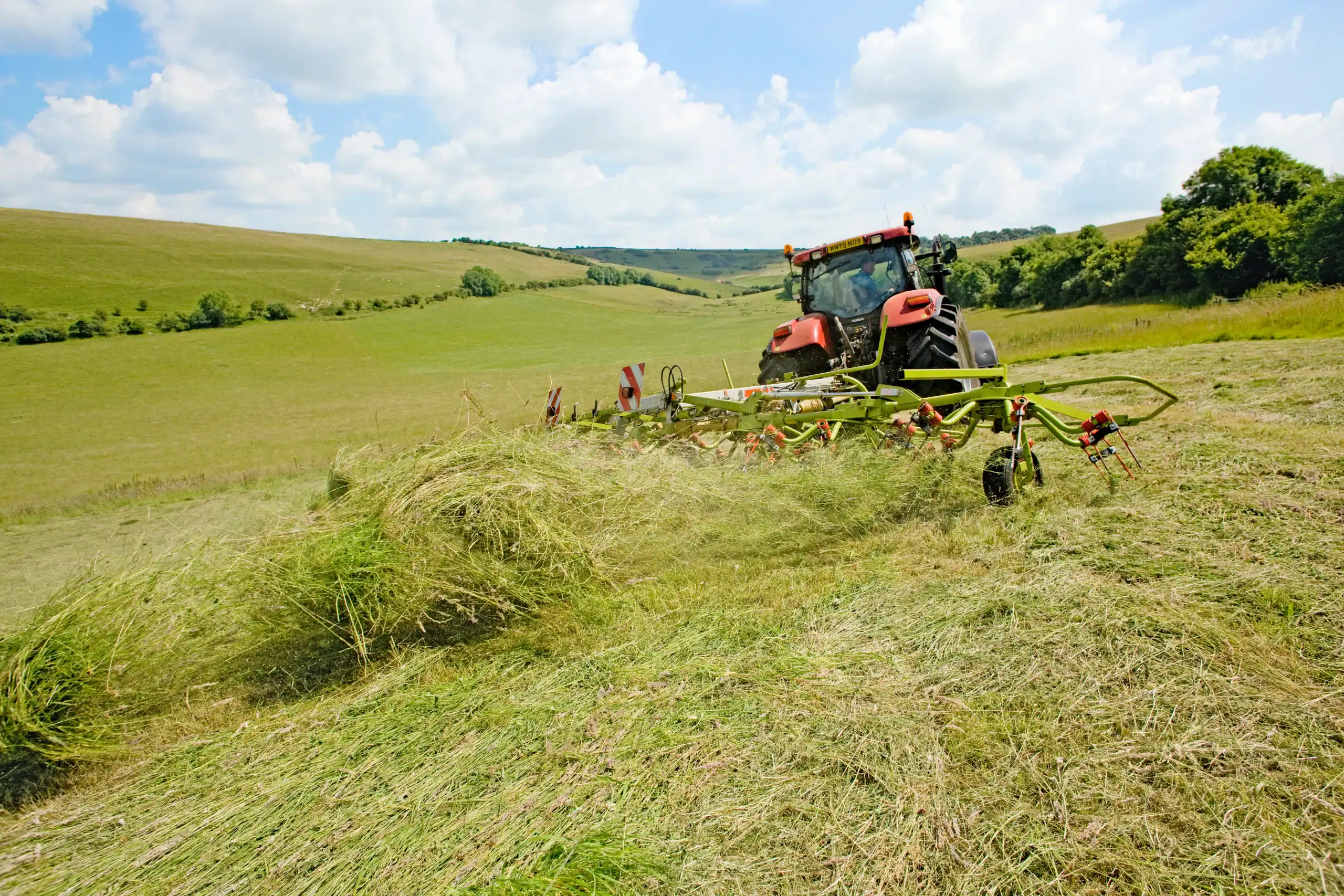
Your property becomes usable again. Fields that were waist-high in brush and saplings get cut down to manageable height. The ground stays intact because bush hogging doesn’t rip out roots or disturb your topsoil the way bulldozers do.
You also get fire risk reduction. Overgrown vegetation is a legitimate hazard in Westmoreland County, especially during dry months. Clearing it back means fewer places for sparks to catch and spread.
And if you’re dealing with ticks, snakes, or other pests that love tall grass and dense brush, you’re cutting down their habitat. It’s not pest control, but it removes the cover they need to thrive. The result is land that looks clean, functions better, and holds its value instead of losing it to neglect.
We’ve been clearing land in Westmoreland County for over 25 years. We’re a VA Class A licensed, family-operated business based right here in Hague. That means we know the terrain, the soil conditions, and what works in the Northern Neck.
We run the largest fleet of land clearing equipment in Virginia. That’s not a brag—it’s why you’re not waiting weeks for a crew to show up. When you call, we respond within one to two business days, and we can usually get on-site faster than competitors who are juggling jobs across multiple regions.
You’re not hiring a national franchise or a crew passing through. You’re working with people who live here and have a reputation to protect in the same community where we do business.
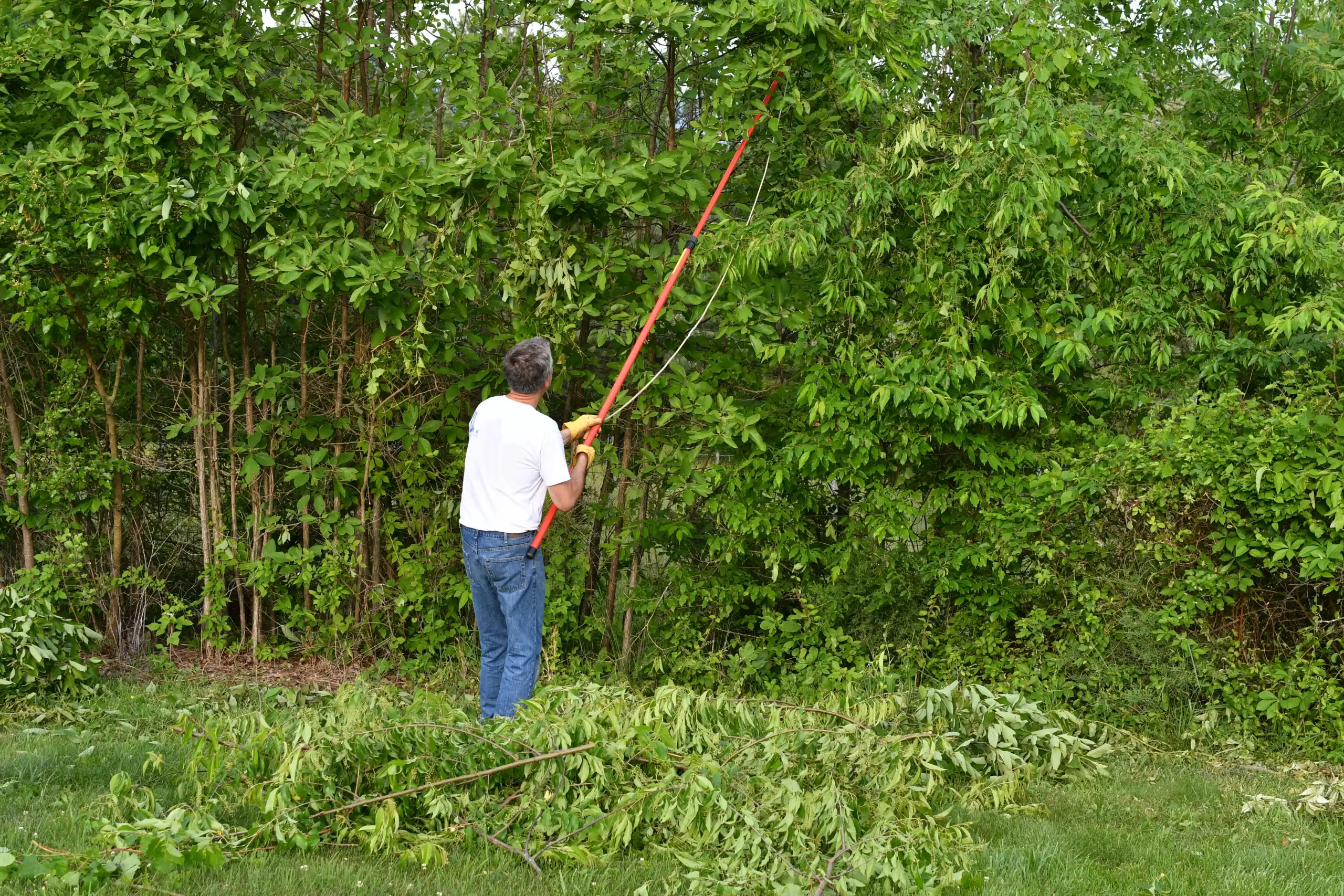
First, we walk the property with you. We look at what’s growing, how thick it is, and whether there are any obstacles like stumps, rocks, or low spots that need attention. This isn’t a quick glance—we’re figuring out the right equipment and approach so nothing gets missed or damaged.
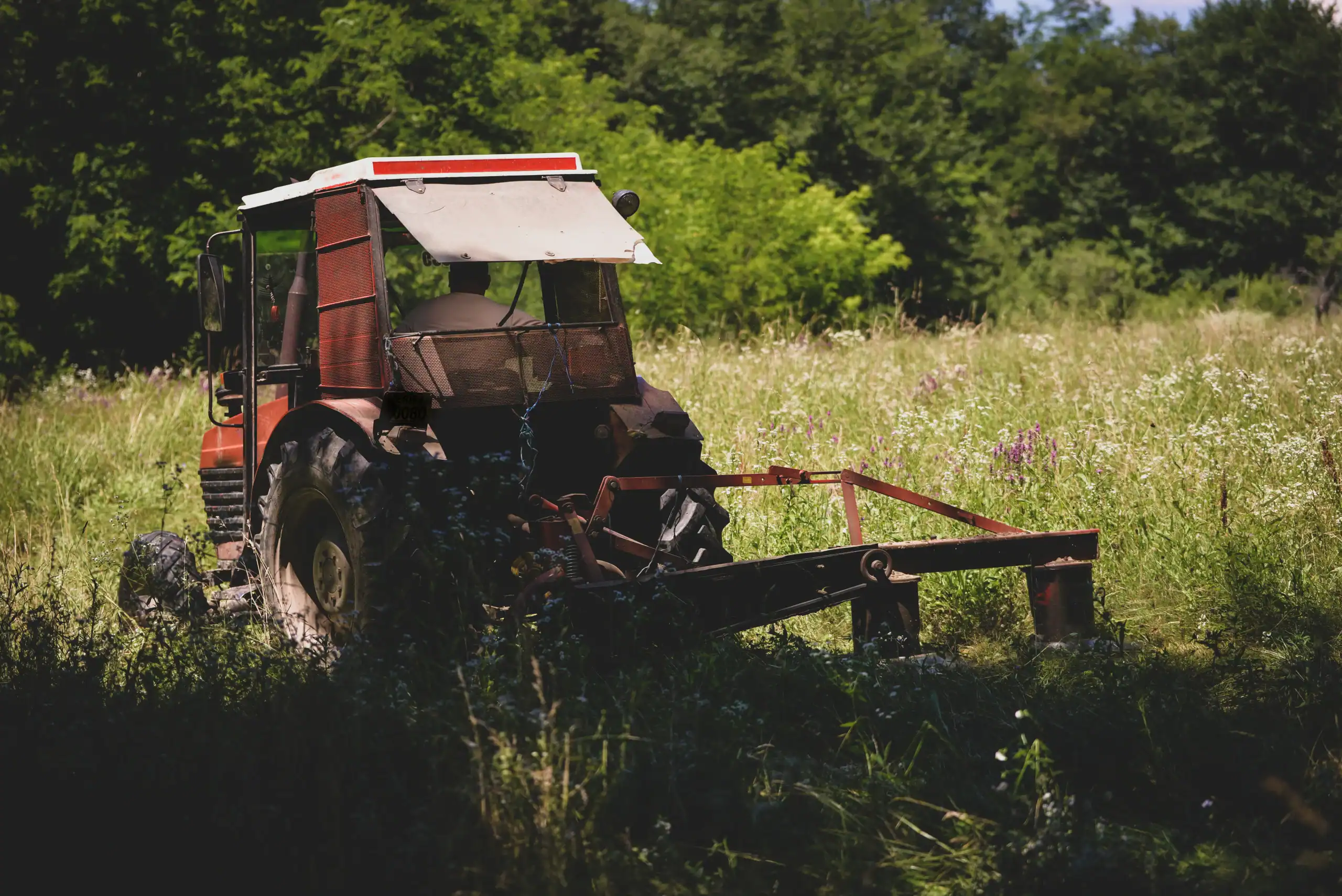
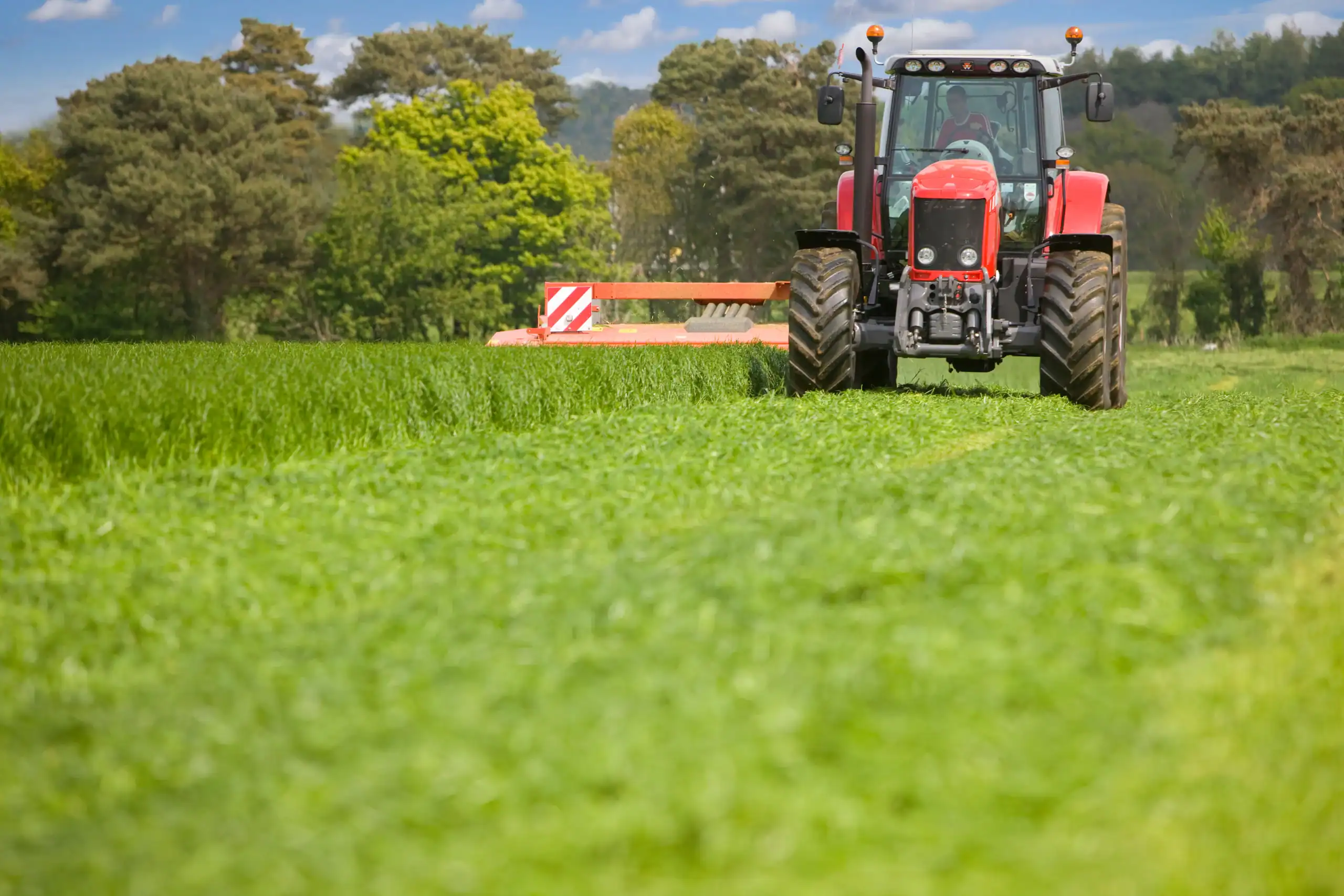
Then we bring in the bush hog. It’s a heavy-duty rotary cutter that handles grass, weeds, brush, vines, and small trees up to a few inches in diameter. The blades cut and mulch everything in one pass, leaving shredded material on the ground. That mulch breaks down and adds nutrients back into the soil instead of getting hauled off or burned.
We make multiple passes if needed, especially in areas with dense growth. The goal is to get everything down to a consistent, manageable height. Once we’re done, you’re left with cleared land that’s ready for whatever comes next—whether that’s planting, grading, building, or just keeping it maintained so it doesn’t get out of control again.
Ready to get started?
You get commercial-grade mowing that handles vegetation most lawn mowers can’t touch. We’re talking tall grass, thick brush, woody vines, and saplings. If it’s growing and it’s in the way, we can cut it.
The service includes lot clearing for residential properties, field mowing for agricultural land, and brush cutting for overgrown areas that haven’t been maintained in months or years. We also handle site preparation if you’re getting ready to build, grade, or develop raw land in Hague or anywhere in Westmoreland County.
In Virginia’s Northern Neck, soil quality matters. Most farms here only have a few inches of good topsoil, and once it’s gone, it’s expensive and time-consuming to replace. Bush hogging leaves that topsoil undisturbed because we’re cutting vegetation at ground level, not ripping it out by the roots. The mulch we leave behind also helps retain moisture and adds organic material back into the ground, which is especially useful during dry stretches or if you’re planning to plant afterward.
Most bush hogging jobs in Westmoreland County run around $100 per acre for standard clearing. If you’ve got a larger property—say 10 acres or more—the per-acre rate usually drops to somewhere between $75 and $80 because the equipment stays on-site longer and we’re not spending as much time mobilizing between small jobs.
That said, cost depends on what’s actually growing. Light grass and weeds are straightforward. Dense brush, vines, and small trees take more time and put more wear on equipment, so the price adjusts accordingly. Terrain also matters—flat, open fields are faster to clear than hilly or uneven ground with obstacles.
We don’t quote over the phone without seeing the property first. Too many variables. We’ll walk it with you, give you a clear number, and explain what’s included so there’s no confusion when the invoice shows up.
No. Bush hogging cuts vegetation at ground level without disturbing the roots or topsoil. That’s the main reason people choose it over bulldozers or grading, which tear up the ground and often create more problems than they solve.
The grass underneath usually comes back. It might look rough right after we’re done because everything’s been chopped down, but the root systems stay intact. Once the mulched material breaks down and you get some rain, you’ll see regrowth. If the area was completely overrun with brush and weeds, the grass might be thin at first, but it recovers faster than if the soil had been scraped or compacted by heavy equipment.
The mulch we leave behind also helps. It holds moisture, prevents erosion, and adds organic material back into the soil as it decomposes. If you’re planning to seed or plant after clearing, that’s actually a benefit—you’re starting with better soil conditions than you would if everything had been hauled off.
Most properties in Westmoreland County need bush hogging once or twice a year to stay manageable. If you’re maintaining open fields or pastureland, once a year is usually enough. If you’re dealing with fast-growing brush, vines, or invasive species, twice a year keeps it from getting out of control.
Timing matters. Late spring and early summer are ideal because that’s when vegetation is actively growing and easier to cut. If you wait until fall, woody plants get tougher and take more effort to clear. Some property owners also do a second pass in late summer to knock back anything that shot up after the first mowing.
If the land hasn’t been touched in years, you’re looking at a heavier initial clearing. After that, maintenance gets easier and cheaper because you’re not fighting through dense overgrowth every time. The key is not letting it go too long between cuts—once brush gets established, it takes more time and equipment to bring it back under control.
Yes, but there’s a limit. Bush hogs can handle saplings and small trees up to about three or four inches in diameter, depending on the equipment and how dense the growth is. Anything larger than that needs forestry mulching or manual removal.
Thick brush, vines, and woody undergrowth are no problem. That’s exactly what bush hogging is designed for. The rotary blades are built to cut through tough vegetation and mulch it down in one pass. If you’ve got an area that’s completely overgrown with multiflora rose, honeysuckle, or other invasive brush, bush hogging clears it fast without leaving piles of debris to haul off.
If your property has a mix of small trees and heavy brush, we’ll assess it during the walkthrough and let you know if bush hogging alone will handle it or if you need a combination approach. Sometimes it makes sense to remove larger trees first, then bush hog the rest. We’ll tell you what works and what doesn’t before we start.
Bush hogging uses heavy-duty rotary cutters designed for rough terrain and thick vegetation. Regular mowing uses lighter equipment meant for maintained lawns and fields. If you tried to mow an overgrown field with a standard lawn mower, you’d burn out the engine or damage the blades in about ten minutes.
Bush hogs cut higher and rougher than finish mowers. They’re not meant to leave a golf course look—they’re meant to knock down tall grass, brush, and small trees so the land becomes usable again. The cut height is usually a few inches off the ground, and the finish isn’t perfectly even because the equipment is built for power, not precision.
Regular mowing is maintenance. Bush hogging is reclamation. If your property is overgrown, hasn’t been touched in months, or has vegetation that’s too thick for a standard mower, bush hogging is the right tool. Once the land is cleared and under control, you can switch to regular mowing if you want a cleaner finish.
Yes. We handle residential lots, agricultural fields, and commercial properties throughout Westmoreland County. If you’re clearing land for development, preparing a site for construction, or maintaining large acreage for farming or forestry, we’ve got the equipment and experience to do it.
Commercial jobs usually involve more acreage, tighter timelines, and specific site requirements. We’re used to that. We coordinate with contractors, engineers, and project managers to make sure clearing happens on schedule and meets whatever specs are in place. We also carry the licensing and insurance commercial clients expect—VA Class A contractor’s license and full coverage.
The advantage of working with a local company is response time. We’re not juggling jobs across three states. When you need a crew on-site in Hague, we can get there faster than regional or national outfits. And because we’ve been doing this in the Northern Neck for over 25 years, we know the local conditions, soil types, and seasonal challenges that affect how and when clearing gets done.