
You’ll actually be able to walk your land again. The overgrowth that’s been creeping closer to your home or outbuildings gets cut back to manageable levels, and the fire hazard that keeps you up at night during dry months is significantly reduced.
Invasive species like autumn olive and multiflora rose that choke out everything else get knocked back hard. Native grasses and trees get room to breathe. Your property value stops declining because the place doesn’t look abandoned anymore.
If you’re dealing with brush that’s taken over fields, blocked access roads, or turned your lot into a jungle, bush hogging cuts through it efficiently. We’re talking about vegetation that’s too thick for a riding mower but doesn’t need a full excavation. The equipment handles saplings, tall grass, briars, and dense brush that would take you weeks to clear by hand.
You get your land back in usable condition, whether that means preparing for construction, maintaining pasture, creating firebreaks, or just being able to see what you actually own.
We’ve been handling land clearing and excavation work across the Northern Neck and Middle Peninsula for years. We’re not a lawn care company trying to upsell you on brush work. This is what we do.
King and Queen County is 100% rural, and most properties here deal with the same problems: fast-growing brush, invasive cedar trees that suck up water and crowd out oaks, and vegetation that turns into a fire hazard every summer. We’ve cleared hundreds of acres in this area, so we know what equipment works and what’s a waste of your time.
You’re working with people who understand that your property isn’t just land. It’s an investment, a homestead, or a business asset that needs to stay functional and safe.
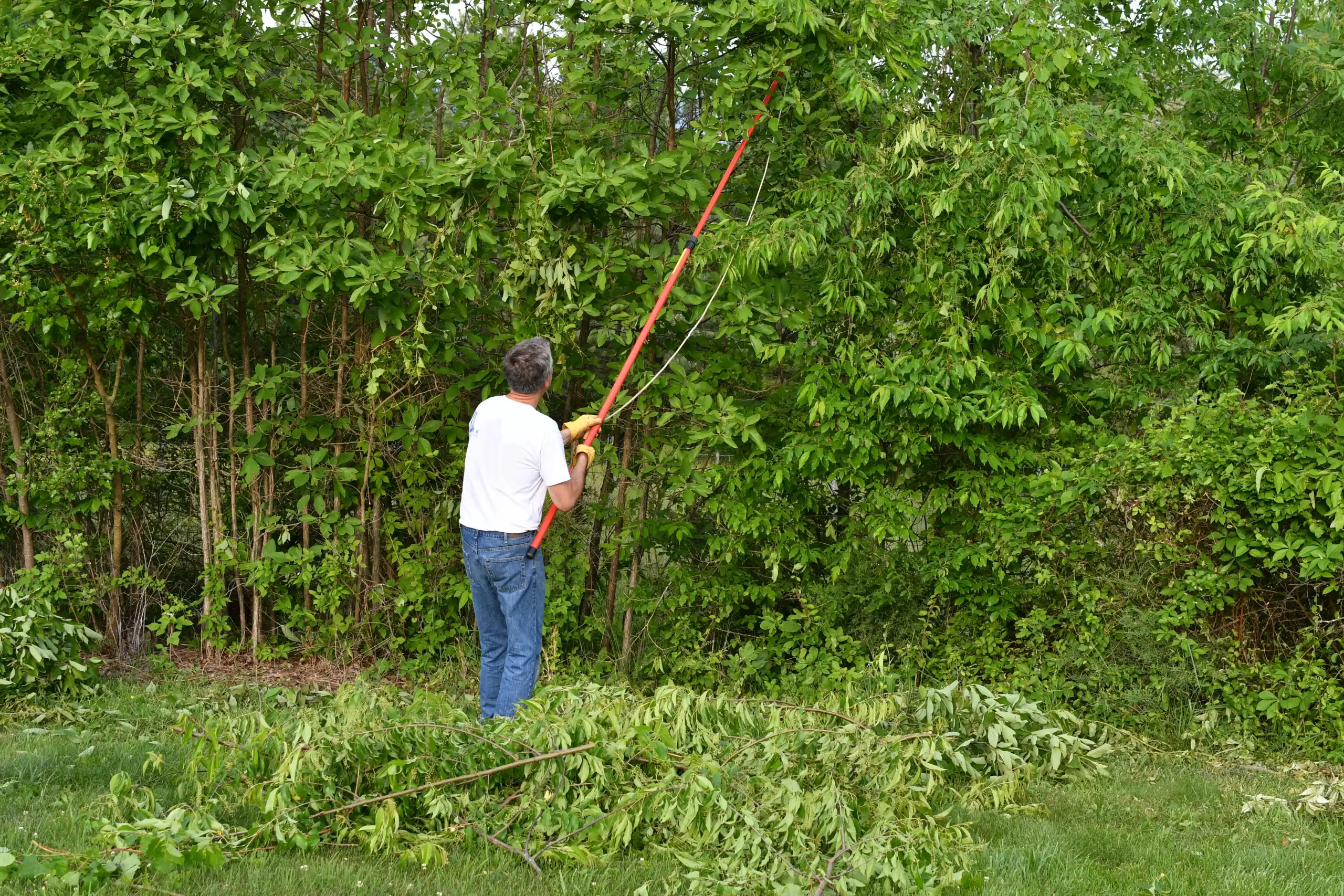
First, we come out and look at what you’re dealing with. We’ll walk the property with you, assess the vegetation type and density, check for obstacles like stumps or hidden debris, and talk about what you want the land to look like when we’re finished.
Then we give you a clear estimate based on acreage and complexity. No surprises, no hidden fees. Most bush hogging runs around $100 per acre for open areas, with adjustments for heavy brush or difficult terrain.
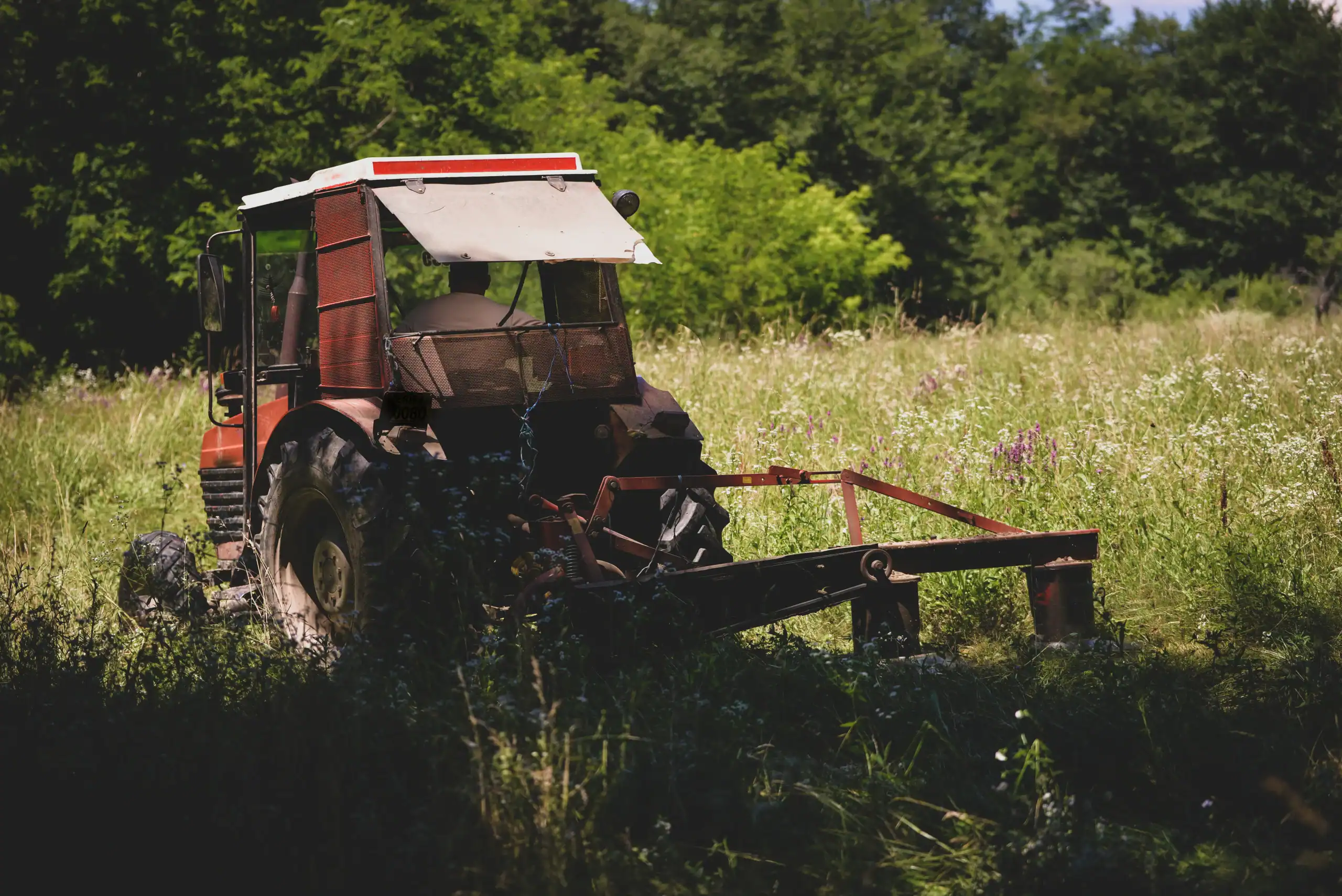
Once you approve, we schedule the work and bring in the right equipment. Our bush hog attachments can handle vegetation up to several inches in diameter, cutting and mulching it down to ground level. We work in passes across the property, making sure we’re not missing patches or leaving uneven areas.
After we’re done, you’ll have a final walkthrough to make sure everything meets your expectations. The cut vegetation stays on the ground where it mulches down naturally, or we can discuss removal if that’s what your project needs.
Ready to get started?
Bush hogging handles the vegetation that regular mowing equipment can’t touch. That includes tall grass that’s gone to seed, dense briars and brambles, small saplings and volunteer trees, invasive shrubs, and overgrown fields that haven’t been maintained in years.
In King and Queen Court House, the most common requests we get are for clearing land before construction starts, maintaining large residential lots that are too big for standard lawn care, creating firebreaks around homes and outbuildings, reclaiming pasture that’s been overtaken by brush, and clearing access roads or trails that have grown over.
The equipment we use is designed for this exact work. It’s not a finish mower that gives you a golf course look, and it’s not forestry mulching that grinds everything into fine chips. Bush hogging cuts vegetation down efficiently and leaves it mulched on the ground, which actually helps prevent erosion and returns organic matter to the soil.
This is the right service if you need large areas cleared quickly without the cost of excavation or the limitations of hand tools. It’s how rural property owners in Virginia have been managing land for decades, and it works.
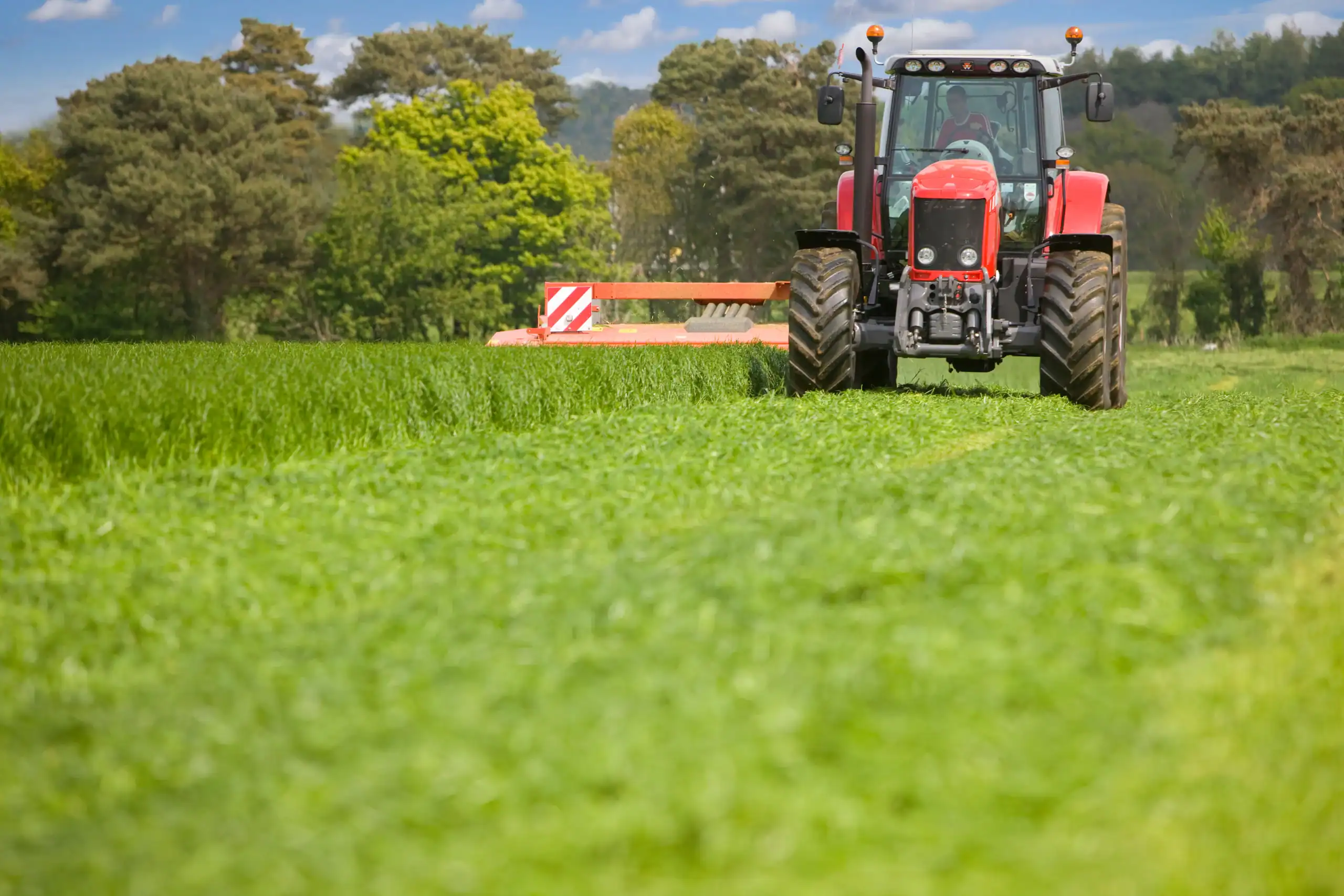
Most bush hogging in this area runs between $60 and $150 per acre, with $100 per acre being the standard rate for moderately overgrown fields or lots. The final price depends on how thick the vegetation is, what type of growth we’re cutting through, and how accessible the land is.
If you’ve got light brush and tall grass on flat, open land, you’re looking at the lower end. If the property has dense saplings, heavy briars, steep slopes, or obstacles like rocks and stumps that slow us down, the price goes up. Properties over 10 acres often get volume discounts because we can work more efficiently at scale.
We’ll give you an exact quote after we see the property. No guessing, no price changes after we start. You’ll know what it costs before we bring equipment onto your land.
Bush hogging uses a rotary cutter that slices through vegetation and leaves it chopped on the ground. It’s fast, cost-effective, and works well for maintaining fields, clearing tall grass, and knocking back brush that’s a few inches thick or less. The cut material stays on site and breaks down naturally.
Forestry mulching uses a different machine that grinds trees, brush, and stumps into fine mulch. It handles larger diameter trees and leaves a more finished look, but it’s slower and costs significantly more per acre. You’d use forestry mulching if you’re clearing wooded land with mature trees or want a park-like appearance.
For most property maintenance in King and Queen County, bush hogging is the right call. It handles the overgrowth that causes problems without the expense of mulching. If you’ve got actual woods that need clearing, that’s when mulching makes sense. We can walk you through which option fits your situation.
Most rural properties in Virginia need bush hogging once or twice a year to stay ahead of the growth. If you’re maintaining pasture or fields, late spring and early fall are the typical times. That keeps the brush from getting woody and controls seed spread from invasive plants.
If your property has been neglected for years and you’re just now reclaiming it, you’ll need an initial heavy cut, then follow-up maintenance every 6-12 months depending on how aggressive the regrowth is. Properties with high invasive species pressure, like multiflora rose or autumn olive, might need more frequent attention the first few years.
The goal is to cut before the brush gets thick enough to slow down equipment or create a serious fire hazard. Once you’re on a regular schedule, the work gets easier and faster each time because you’re not fighting through years of accumulated growth.
Yes, and it’s one of the main reasons rural property owners in King and Queen County call us. Dry brush, tall dead grass, and dense vegetation are fuel for wildfires. Cutting that growth back creates defensible space around your home and outbuildings.
Bush hogging removes the ladder fuels that let ground fires climb into trees and structures. It clears the accumulated dead material that ignites easily during Virginia’s dry summer months. If you’ve got brush growing close to buildings, propane tanks, or wooden fences, clearing it back 30-100 feet significantly reduces your risk.
This isn’t a replacement for other fire safety measures, but it’s one of the most effective things you can do on larger properties. Insurance companies in rural areas often recommend maintaining cleared perimeters, and some localities have vegetation management requirements. Regular bush hogging keeps you compliant and safer.
Bush hogging doesn’t damage healthy soil or root systems. The equipment cuts above ground level, so established grasses and desirable plants regrow from their roots. What gets knocked back are the woody invasives and overgrown brush that you’re trying to control anyway.
The cut vegetation left on the ground actually benefits the soil. It breaks down into organic matter, helps retain moisture, and prevents erosion. You’re not stripping the land bare like you would with grading or excavation. Within a few weeks, you’ll see native grasses and plants coming back stronger because they’re not competing with thick brush for sunlight and water.
If you’re concerned about specific areas or want certain plants protected, point them out during the walkthrough. We can work around trees you want to keep, avoid sensitive spots, or adjust our approach based on what you’re trying to accomplish with the land.
There’s no hard minimum, but bush hogging makes the most economic sense on properties larger than half an acre. Below that, you’re often better off with hand tools or a heavy-duty string trimmer unless the vegetation is exceptionally thick. We’ll be honest with you if there’s a more cost-effective approach for smaller areas.
On the upper end, we regularly handle properties from 5 to 50+ acres. Larger tracts get more efficient because we’re not spending time moving equipment between small scattered areas. If you’ve got hundreds of acres that need clearing, we can phase the work or bring in additional equipment to keep the project moving.
The real question isn’t size, it’s what you’re trying to clear and why. A two-acre lot choked with ten years of brush growth is absolutely worth bush hogging. A fifty-acre farm with light maintenance needs is equally appropriate. Tell us what you’re dealing with, and we’ll tell you if bush hogging is the right tool for the job.
Local Resources