
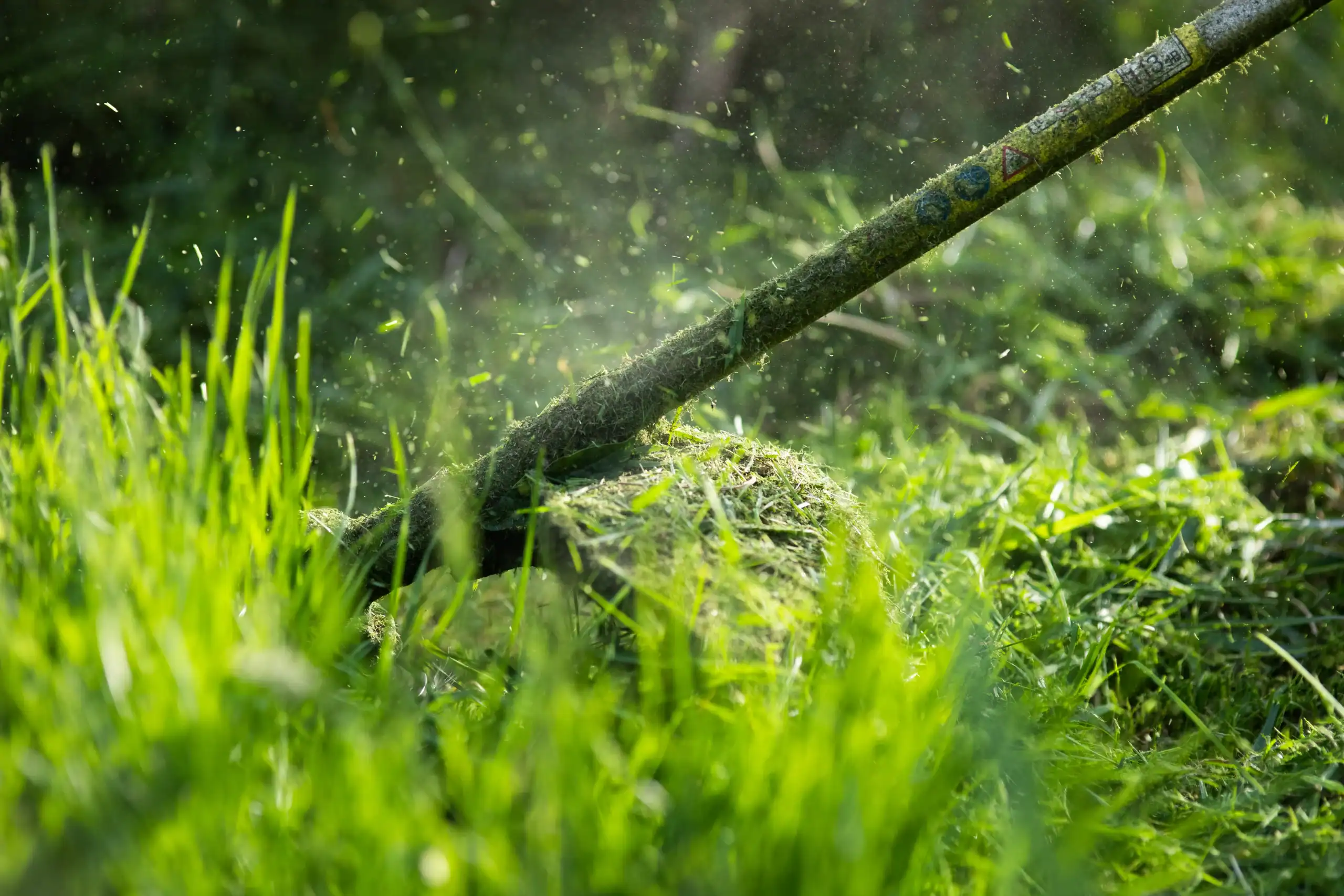
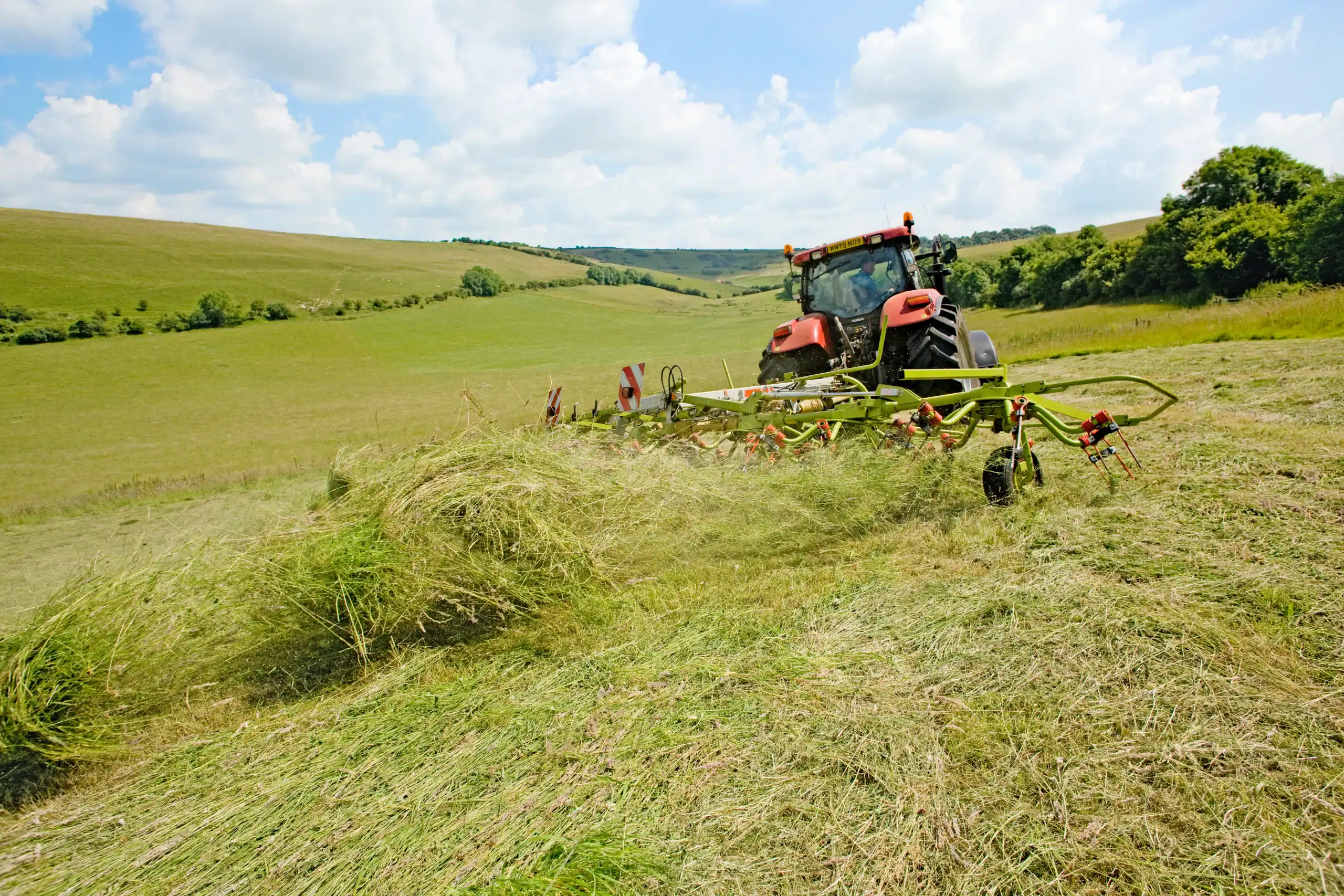
Overgrown brush doesn’t just look bad. It drops your property value, creates hiding spots for pests like ticks and snakes, and turns into fuel during fire season. If you’ve got acreage in Lancaster County that’s gotten out of hand, you’re not just dealing with an eyesore—you’re dealing with liability.
Bush hogging cuts through dense vegetation fast, mulches it into the ground, and leaves your topsoil intact. That means no erosion, no bare dirt, and no need for hauling debris offsite. The mulched material breaks down and feeds the soil, so whatever you want to grow next actually has a shot.
You get cleared land that’s safer, more accessible, and ready for whatever comes next—whether that’s planting, building, grazing, or just keeping your property maintained so it doesn’t become a problem again. And because the roots stay in place, you’re not left with a muddy mess after the first rain.
R.E. Douglas Company Inc has spent over two decades maintaining properties across the Northern Neck. We know what Lancaster’s sandy soil does after heavy rain. We know how fast brush grows back near the water. And we know that most property owners here aren’t looking for the cheapest option—they’re looking for someone who shows up and does it right.
We’re licensed, bonded, and insured because your property is worth protecting correctly. Our equipment handles everything from light brush to dense overgrowth, and our crew knows how to work around coastal conditions without tearing up your land. You’re not getting a generic estimate or a crew that’s never worked in this area before—you’re getting people who’ve cleared hundreds of parcels just like yours.
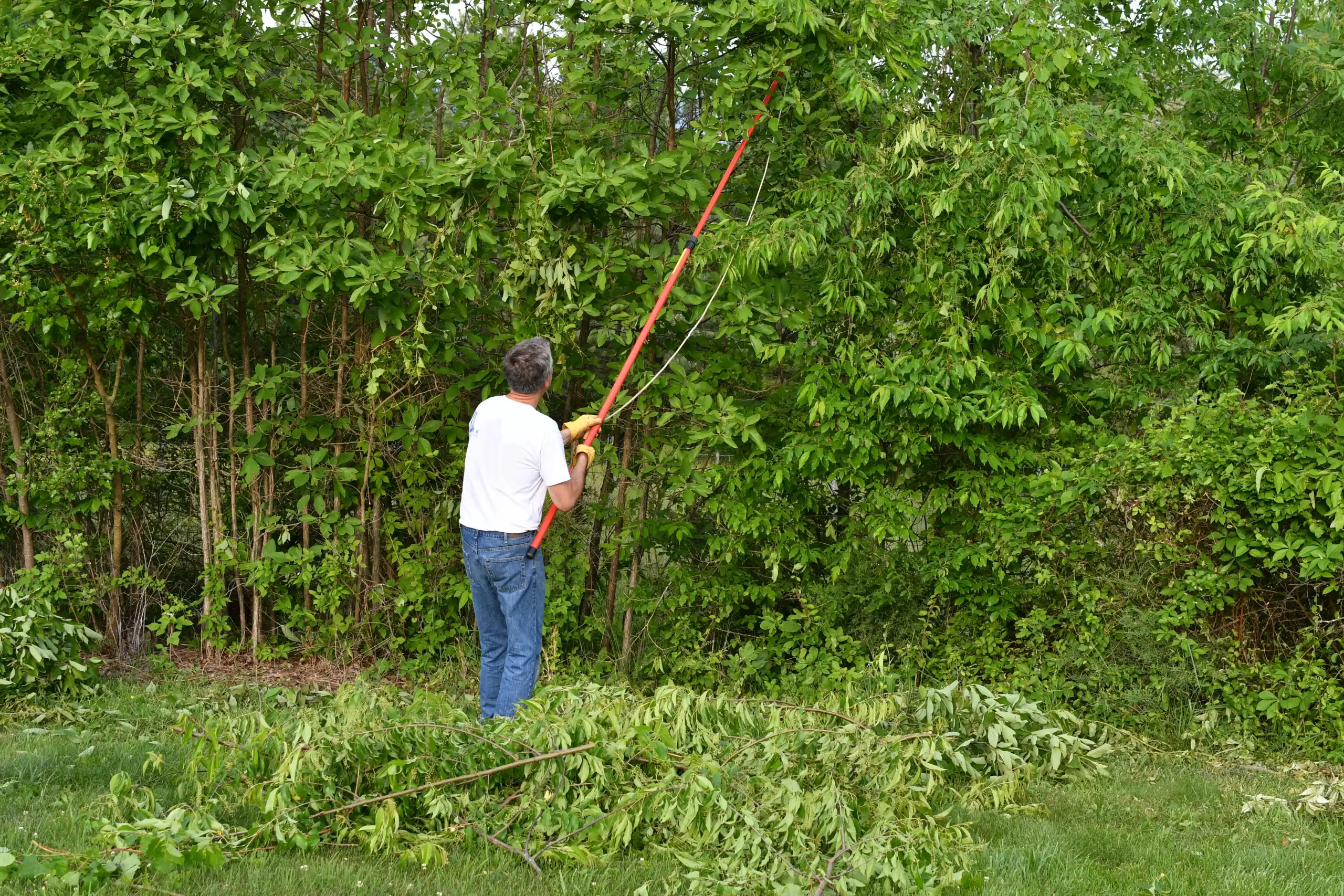
First, we come out and walk your property. We’re looking at vegetation density, terrain, access points, and any obstacles like stumps, rocks, or wet areas that need special attention. You’ll get a clear explanation of what needs to happen and what it’ll cost—no surprises later.
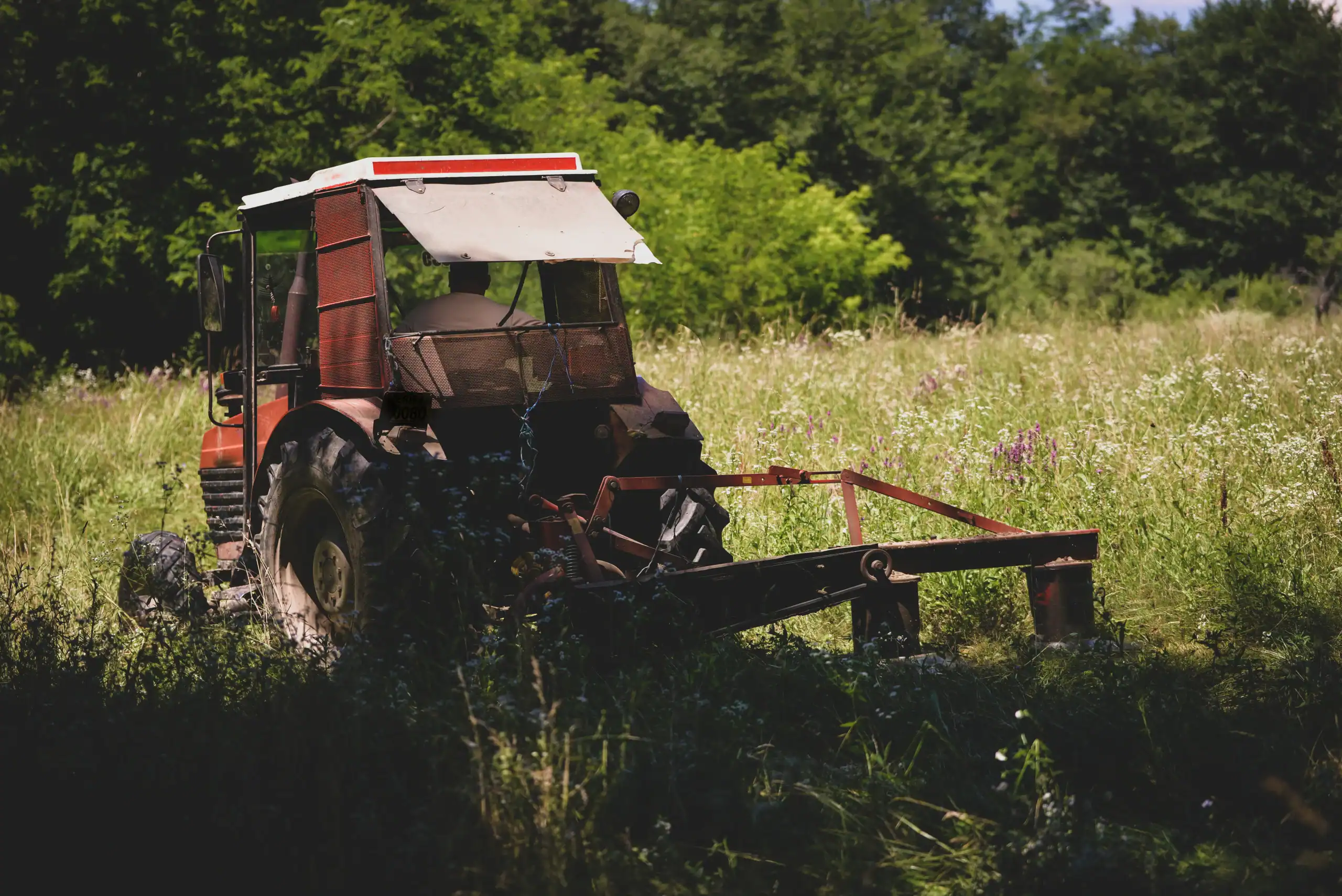
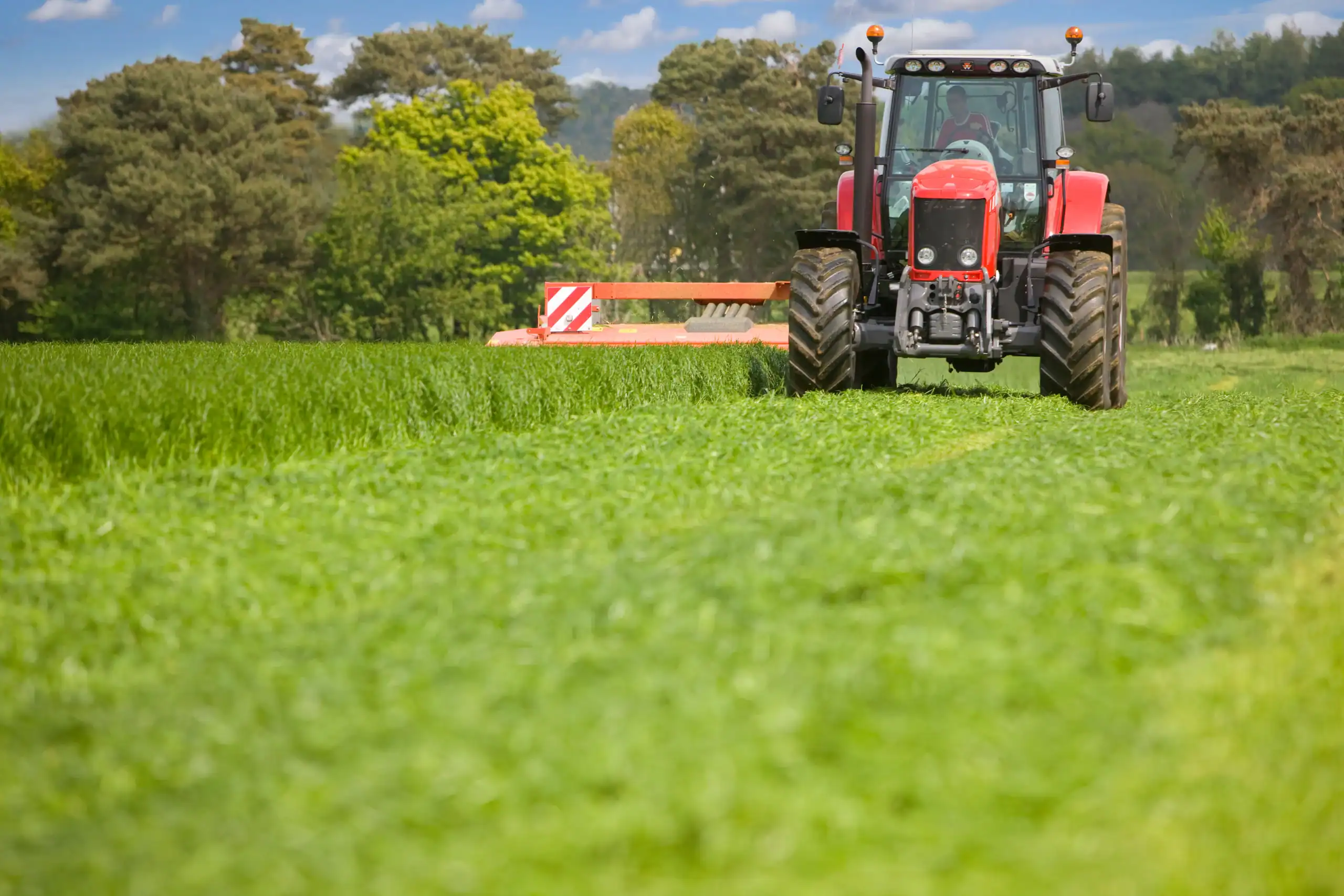
Once we’re on site, we use rotary cutters mounted on heavy-duty tractors to mow through brush, tall grass, and small saplings. The blades mulch everything into small pieces that get spread back over the ground. This isn’t a finish mower—it’s built to handle rough terrain and thick growth that would choke out a regular mower in minutes.
We work in passes, adjusting height and speed based on what we’re cutting. If there are areas that need extra attention—like around structures or near property lines—we handle those carefully. When we’re done, your land is cleared, the mulch is distributed evenly, and you’re left with a property that’s immediately safer and more usable. No piles of debris to deal with, no hauling costs, no erosion risk.
Ready to get started?
Bush hogging handles what regular mowing can’t—overgrown fields, abandoned lots, fence lines choked with brush, and land that hasn’t been touched in years. In Lancaster County, where 30% of properties are seasonal or vacant, that kind of neglect happens fast. One season of growth can turn manageable land into a fire hazard.
We clear brush up to three inches in diameter, knock down tall grass and weeds, and mulch everything in place. That mulch layer protects your soil from erosion during storms and breaks down into organic matter that actually improves ground quality over time. You’re not stripping your land bare—you’re resetting it so it’s manageable again.
This matters especially if you’re near the water or dealing with sandy soil that washes away easily. Traditional clearing methods leave you vulnerable to runoff and sediment issues. Bush hogging keeps the root structure intact, which holds everything in place even during heavy rain. You get a cleared property that doesn’t turn into a mud pit or create drainage problems later.
Most properties in Lancaster County run between $200 and $400 per acre depending on how thick the vegetation is and how accessible the land is. If you’ve got light brush and flat terrain, you’ll be on the lower end. Dense growth, steep slopes, or wet areas push costs higher because the work takes longer and requires more careful maneuvering.
Acreage matters too. Larger properties often get better per-acre rates because we’re already on site with equipment. A five-acre job is more efficient than five separate one-acre jobs. We price based on what we see when we walk your property—not a generic estimate pulled from a website.
If you’re comparing quotes, make sure you’re comparing the same scope of work. Some companies quote low but don’t include things like trimming around structures, clearing fence lines, or handling problem areas. We give you one price that covers the full job so you know exactly what you’re paying for upfront.
Bush hogging uses a rotary cutter to mow through brush and vegetation, leaving mulched material spread across the ground. It’s fast, cost-effective, and works well for maintaining fields, clearing overgrown lots, and knocking back seasonal growth. It handles brush up to about three inches thick and leaves your topsoil undisturbed.
Forestry mulching uses a specialized machine with a grinding head that chews through larger trees, stumps, and heavy brush, turning everything into fine mulch. It’s more aggressive and handles bigger material, but it’s also more expensive and typically used for land reclamation or clearing wooded areas for construction.
For most Lancaster County property owners dealing with overgrown fields, tall grass, or brush that’s gotten out of control, bush hogging is the right call. It’s faster, less invasive, and costs less. If you’ve got trees to clear or you’re prepping land for development, forestry mulching might make more sense. We’ll tell you which one fits your situation when we assess your property.
Late fall through early spring is ideal because plants are dormant, the ground is usually firmer, and you’re not disrupting nesting wildlife. In Lancaster County, that means November through March is prime time for most clearing work. The cooler weather also makes the work easier on equipment and operators.
That said, bush hogging can happen year-round if needed. If you’ve got a fire hazard developing in summer or you need land cleared for a project on a tight timeline, we’re not going to tell you to wait six months. We just adjust our approach based on ground conditions and what’s growing.
One thing to avoid: trying to clear right after heavy rain when the ground is saturated. Equipment can get stuck, and you risk tearing up soil and creating ruts that turn into drainage problems. If your property has low spots or stays wet, we’ll plan around weather and ground conditions to avoid making things worse.
Bush hogging doesn’t kill grass or damage healthy soil—it actually helps both. The rotary cutter slices through vegetation and mulches it into small pieces that decompose and feed the ground. Your root systems stay intact, which means grass and desirable plants grow back healthier. You’re not scraping the land bare or disturbing the topsoil structure.
What you will see is everything cut down to a uniform height, usually three to six inches depending on terrain and what you want. If you’ve got established grass underneath all that overgrowth, it’ll bounce back once it gets sunlight and air again. If the area has been neglected for years and there’s no grass left, you might need to overseed after clearing—but the soil will be in better shape to support new growth.
The mulch layer left behind protects against erosion, retains moisture, and breaks down into organic matter over time. That’s a big advantage in Lancaster County where sandy soil and coastal weather can wash away bare ground fast. You’re not just clearing land—you’re improving it for whatever comes next.
Most routine bush hogging and brush clearing on private property in Lancaster County doesn’t require a permit. If you’re maintaining your own land, knocking back overgrowth, or clearing fields, you’re generally fine to proceed without involving the county.
Where permits come into play is if you’re clearing near wetlands, streams, or environmentally sensitive areas. Virginia has regulations around disturbing land near water resources, and Lancaster County enforces those. If your property borders tidal areas or you’ve got drainage features running through it, it’s worth checking with the county before starting work.
We’ve worked enough properties in this area to know when something might trigger a permit requirement. During our initial assessment, we’ll flag anything that looks like it could be an issue and recommend checking with the county if needed. Most of the time, standard land clearing moves forward without any regulatory headaches—but it’s better to know upfront than deal with problems after the work is done.
Most Lancaster County properties need bush hogging once or twice a year to stay ahead of growth. If you’re maintaining fields, pasture land, or large residential lots, an annual clearing in late spring or early summer keeps things manageable. Properties with aggressive brush or near water might need a second pass in fall.
If your land has been neglected for multiple seasons, you’ll need a heavy initial clearing to reset everything. After that, regular maintenance keeps growth from getting out of hand again. It’s a lot easier and cheaper to maintain cleared land than to reclaim overgrown property every few years.
Seasonal properties and vacant lots are where things get away from people fast. One summer of no maintenance can turn manageable brush into a dense thicket. If you’re not on site regularly to monitor growth, scheduling routine clearing—even if the property looks fine—prevents bigger problems and keeps your land from becoming a liability or fire hazard.