
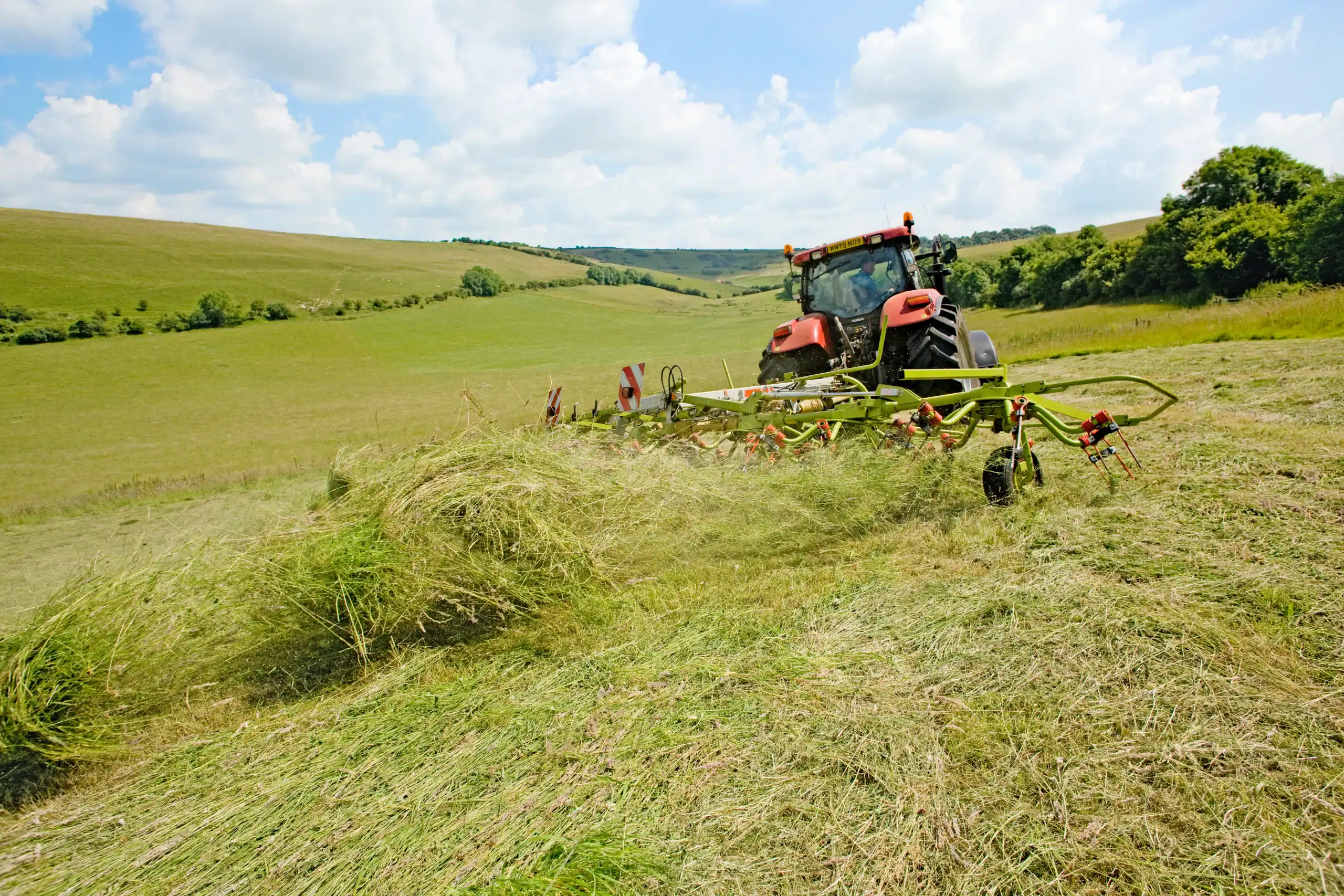
Your property becomes usable again. That overgrown back lot you’ve been avoiding? It’s now accessible, safer, and actually looks like part of your land instead of a liability waiting to happen.
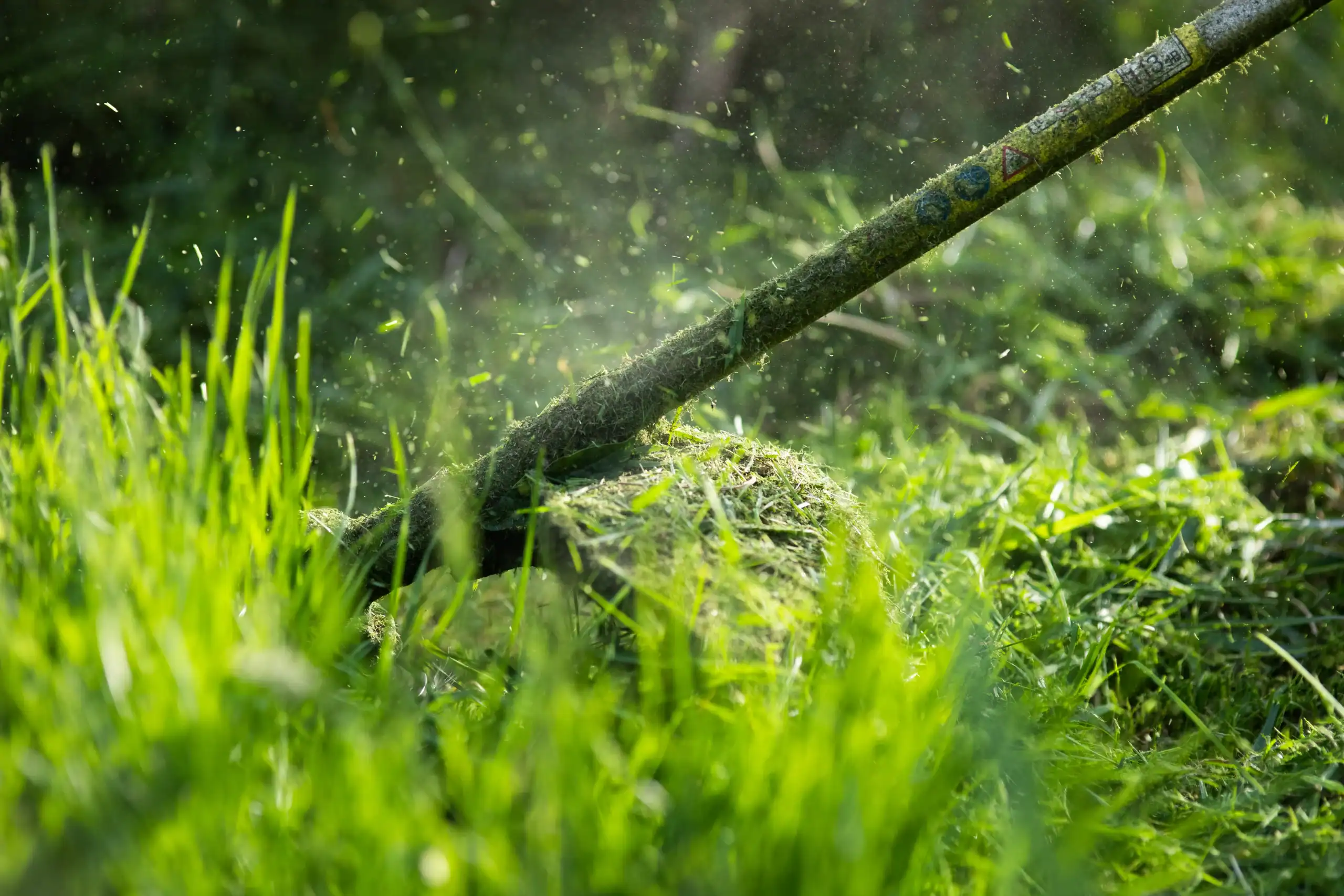
Bush hogging cuts through tall grass, dense brush, and small saplings without stripping your topsoil. The vegetation gets mulched down, which means you’re not left with bare dirt that erodes with the next rain. You get cleared land that’s ready for whatever comes next—whether that’s mowing it yourself, planting, building, or just knowing what’s actually back there.
Fire season becomes less stressful. Dense, dry brush is kindling. Once it’s cleared, you’ve removed the fuel source that turns a small spark into a property-threatening problem. That peace of mind matters, especially during Virginia’s dry summers.
And if you’re thinking about selling or developing, cleared land shows better and appraises higher. Buyers and inspectors can see what they’re working with. No one wants to guess what’s hiding under six feet of overgrowth.
R.E. Douglas Company Inc has been operating in Lewisetta and throughout Northumberland County for over two decades. We’re not a crew passing through with a mower strapped to a pickup. We’re local, we know this area’s terrain, and we’ve cleared everything from waterfront lots to inland pastures.
The Northern Neck has unique land—sandy soil in some spots, clay in others, plenty of moisture near the water, and vegetation that grows back fast if you don’t handle it right. We’ve seen what works here and what doesn’t.
You’re not getting a one-size-fits-all approach. Some properties need aggressive clearing. Others need a lighter touch to preserve certain trees or keep erosion in check. We look at your land first, then clear it the way it needs to be cleared—not just the way that’s fastest for us.
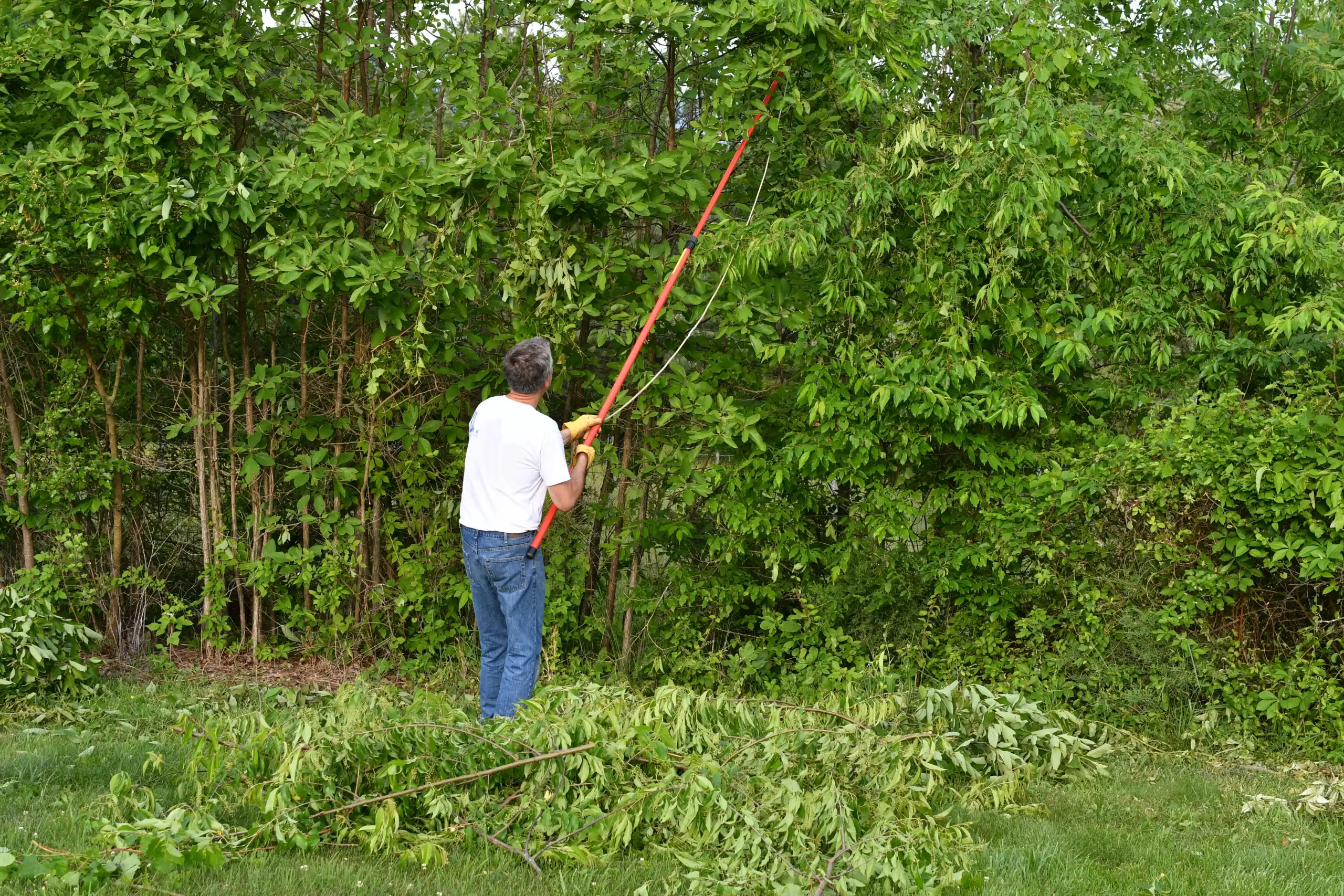
First, we walk your property. We’re looking for hidden obstacles—old fence posts, rocks, debris, anything that could damage equipment or create a safety issue. This also tells us what kind of vegetation we’re dealing with and whether there are areas that need special attention.
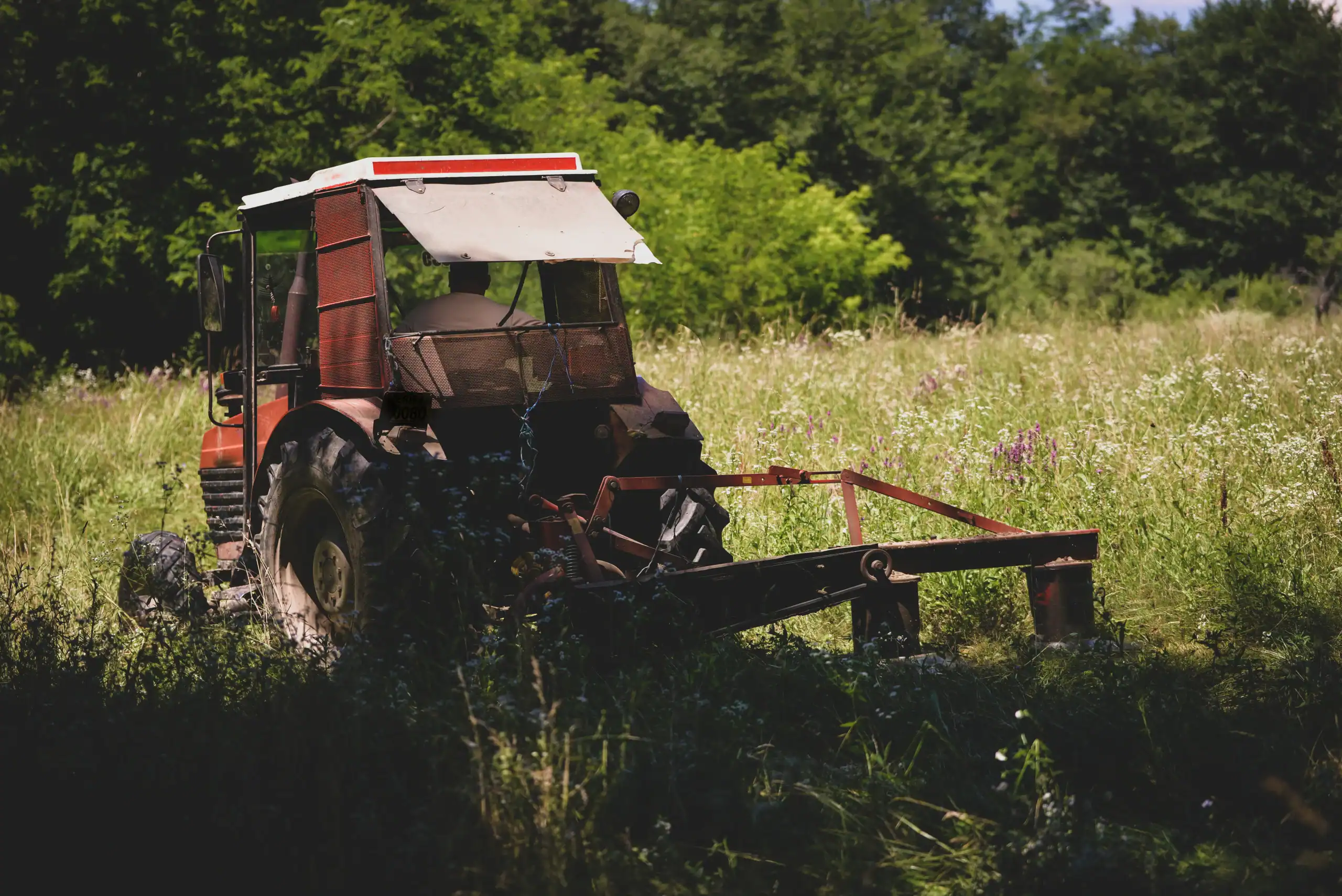
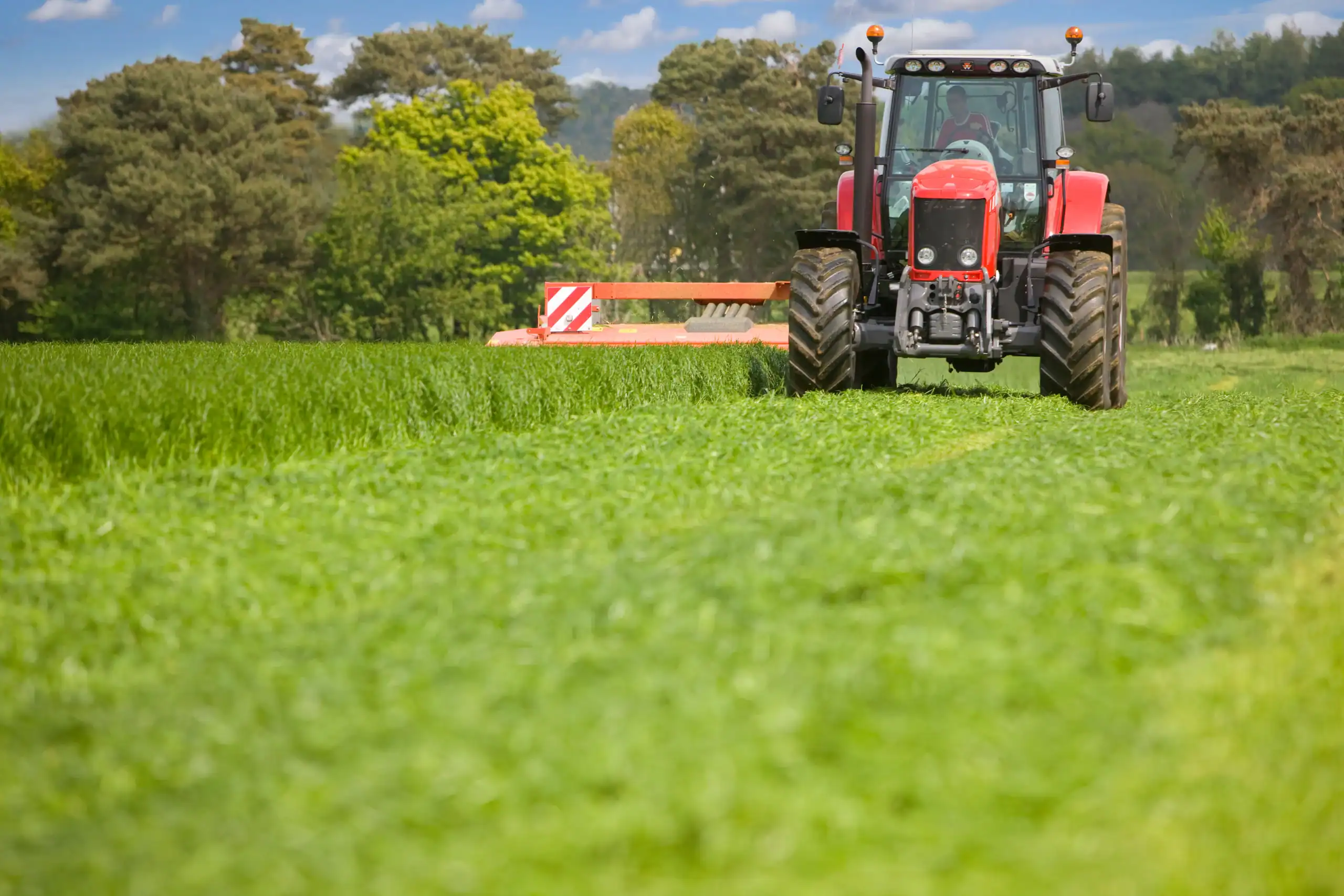
Then we bring in the bush hog. It’s a heavy-duty rotary cutter designed to handle thick brush, tall grass, and saplings up to a few inches in diameter. The blades mulch everything down instead of just pushing it over, so you’re not left with piles of cut vegetation to deal with later.
We work in passes, cutting the densest areas first and then making finish passes for a cleaner result. If there are areas you want left alone—mature trees, specific vegetation, property boundaries—we mark those and work around them.
Once the cutting’s done, we do a final walkthrough with you. You’ll see exactly what was cleared, and we’ll answer any questions about maintenance or what to expect as things grow back. Most properties in this area need bush hogging once or twice a year to stay ahead of the growth, but it depends on your land and how you’re using it.
Ready to get started?
You get a full property assessment before we start. We identify hazards, discuss what you want cleared versus what you want preserved, and give you a clear picture of what the finished result will look like.
The actual brush cutting covers whatever’s on your property—tall grass, dense brush, briars, small trees, overgrown fields, or neglected lots. Our equipment handles vegetation that’s too thick for a regular mower but doesn’t require full excavation. That’s the sweet spot for bush hogging, and it’s exactly what most Lewisetta properties need.
We’re also managing the debris as we go. The bush hog mulches vegetation into small pieces that decompose naturally and actually feed your soil. You’re not paying extra for hauling or burning, and you’re not left with brush piles sitting on your property for weeks.
This is particularly useful in Northumberland County, where properties often sit near the water or have mixed-use land. You might have a section you want to keep wild and another section you need cleared for access or safety. We can handle both on the same property without treating everything like a blank slate.
Most bush hogging in this area runs between $75 and $120 per acre, depending on how thick the vegetation is and what kind of obstacles we’re dealing with. If your property has dense briars, hidden debris, or uneven terrain, it takes longer and costs more. If it’s relatively open with tall grass and light brush, you’re on the lower end of that range.
Larger properties usually get a per-acre discount because we’re already on-site with equipment. Smaller lots under an acre are often priced hourly instead, typically $85 to $120 per hour depending on the complexity of the job.
We don’t give quotes over the phone without seeing the property first. Too many variables. We’d rather walk it with you, show you exactly what we’re pricing, and make sure there are no surprises when the bill comes.
Bush hogging uses a heavy-duty rotary mower that cuts vegetation at ground level and mulches it into smaller pieces. It’s fast, effective for clearing overgrown fields and brush, and leaves your topsoil intact. It works best on grass, brush, briars, and small saplings—basically anything under three or four inches in diameter.
Forestry mulching uses a different machine with grinding teeth that can handle much larger trees and turn them into mulch on the spot. It’s more aggressive and better suited for heavily wooded areas where you’re clearing mature trees, not just overgrowth. It also costs more and takes longer.
For most Lewisetta properties, bush hogging is the right call. If you’ve got thick woods you’re trying to clear for development or access, forestry mulching might make more sense. We can tell you which one fits your situation when we see the property.
Most properties here need bush hogging once or twice a year. If you’re trying to reclaim overgrown land, you might need it more often in the first year or two until you get ahead of the growth. After that, once or twice annually keeps it manageable.
Spring and fall are the most common times. Spring clears out everything that grew over winter before it gets too thick. Fall knocks down the summer growth before it dries out and becomes a fire hazard.
How often you actually need it depends on what’s growing and how you’re using the land. A field you’re maintaining as pasture needs more frequent attention than a back lot you just want to keep from becoming a jungle. Soil quality, rainfall, and sun exposure all affect how fast things grow back. We can give you a better maintenance schedule once we see how your property responds after the first clearing.
Bush hogging doesn’t strip your topsoil or kill the root systems of grasses and plants. The blades cut vegetation at ground level, similar to mowing, just with much more power to handle thick growth. The roots stay in the ground, which prevents erosion and lets desirable plants grow back.
That said, if your property has hidden obstacles—rocks, stumps, old metal—there’s a risk of equipment damage or ground disturbance. That’s why we walk the property first and flag anything that could be a problem.
The mulched vegetation left behind actually benefits your soil. It breaks down and adds organic matter, which improves soil structure and feeds whatever grows next. You’re not left with bare dirt that washes away in the rain. Most properties look rough for a week or two after clearing, then green up as the grass and ground cover come back healthier than before.
Yes. Heavily overgrown properties are exactly what bush hogging is designed for. If your land has turned into a thicket of briars, saplings, and waist-high grass, we can clear it. It just takes more time and sometimes requires multiple passes to get it down to a manageable level.
The first pass handles the tallest, thickest growth. We might need a second pass to get a cleaner finish and catch anything the first pass laid over instead of cutting. On properties that haven’t been touched in five or ten years, we’re often dealing with small trees and woody growth that’s tougher to cut through.
We’ll be honest with you upfront if your property is beyond what bush hogging can handle. Some jobs need forestry mulching or excavation instead. But most neglected lots in Lewisetta fall well within what our equipment can clear, even if they look completely out of control right now.
You don’t have to be there the whole time we’re working, but we do need you there at the start and the end. At the start, we walk the property together so you can point out anything you want us to avoid—specific trees, structures, property lines, utility markers. That prevents mistakes and makes sure we’re clearing exactly what you want cleared.
At the end, we walk it again so you can see the finished result and ask any questions. If something doesn’t look right or we missed a spot, that’s when we address it—not after we’ve already packed up and left.
Some property owners prefer to be on-site the whole time, especially if it’s their first time having land cleared. That’s fine. Others drop off a key, show us the property, and come back when we’re done. Either way works. We just need clear communication upfront so there’s no confusion about what you’re expecting.