
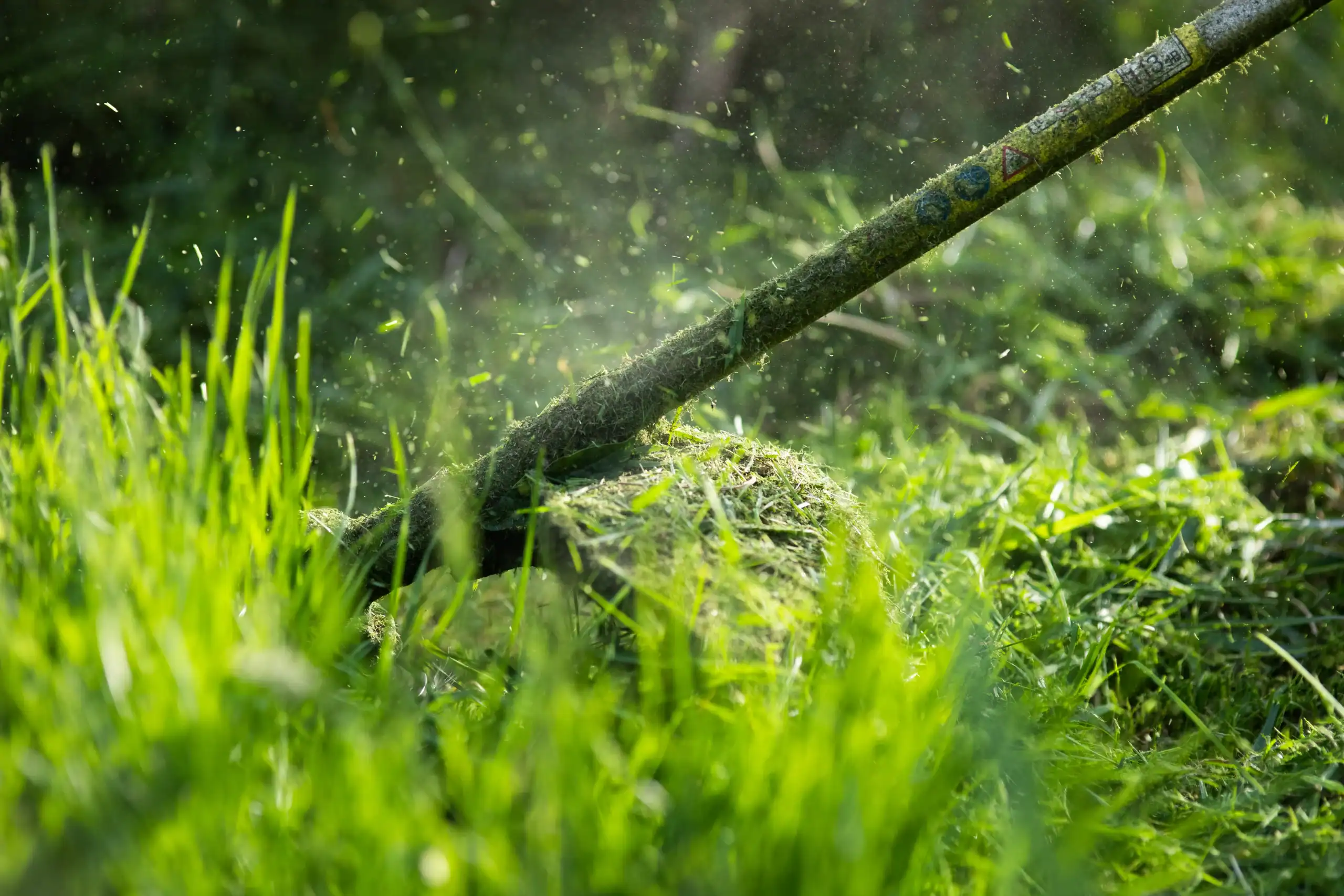
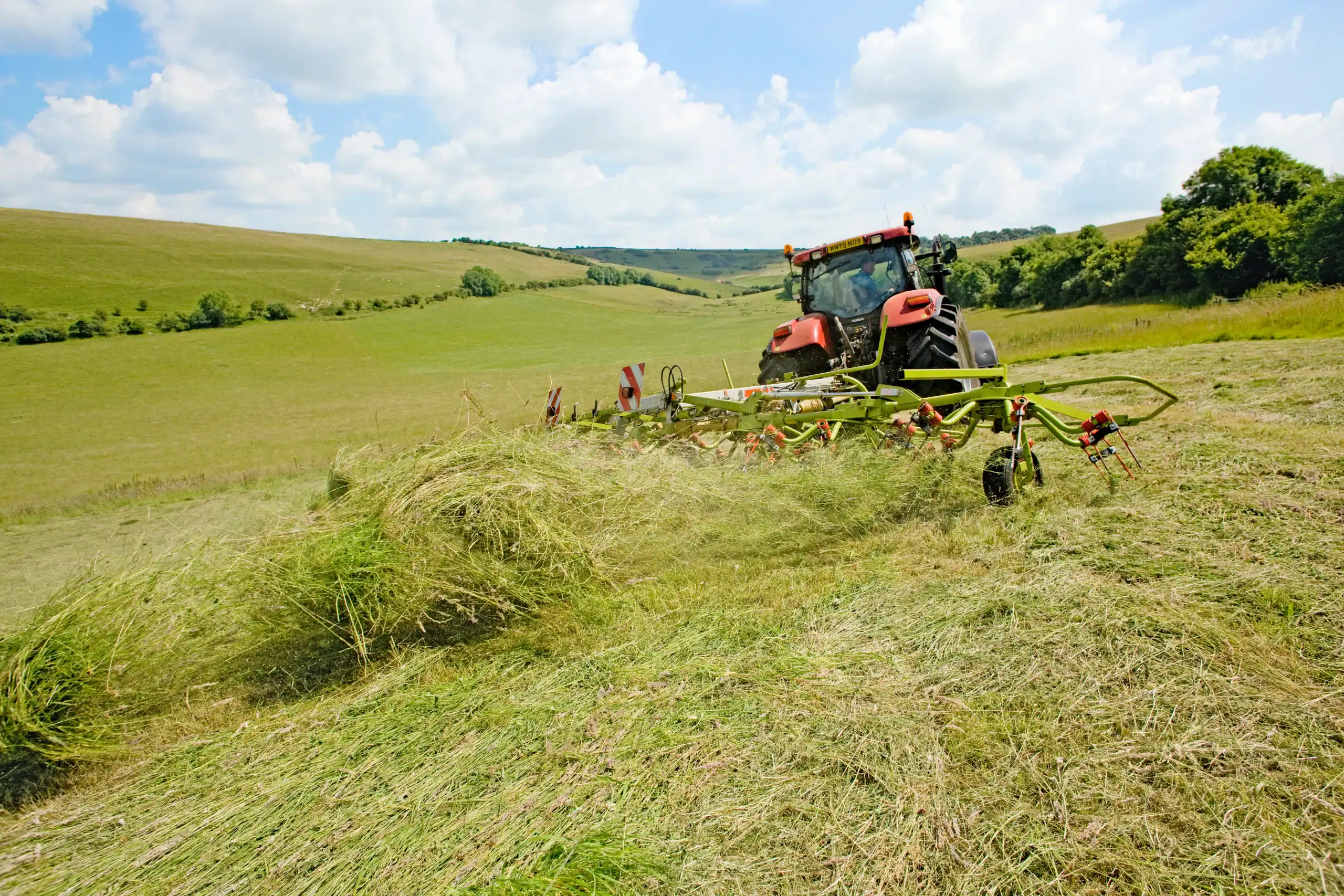
You’ve got land that’s become a problem. Tall grass you can’t walk through. Brush so thick you’ve lost sight of the property line. Maybe it’s a fire hazard, maybe it’s just embarrassing—either way, it’s not doing what you need it to do.
Bush hogging fixes that. It cuts through overgrowth fast, shreds it down into mulch that feeds the soil, and leaves your property clear enough to use. No hauling debris. No burning piles. Just a clean site that’s ready for whatever comes next—whether that’s building, planting, or finally being able to mow it yourself.
The difference isn’t just visual. You reduce fire risk. You eliminate hiding spots for ticks and snakes. You stop the spread of invasive plants before they take over completely. And if you’re planning to sell or develop, you make the land look like it’s worth something again.
We’ve been clearing land in Lancaster County and across the Northern Neck for years. We’re not a franchise or a crew passing through—we’re local, licensed, bonded, and insured.
That matters here. Northern Neck properties come with their own challenges: sandy soil, dense underbrush, wetland edges, and terrain that shifts from field to forest in a few hundred feet. We’ve worked enough of it to know what equipment works, what doesn’t, and how to clear land without tearing up what you want to keep.
We don’t rent equipment and hope for the best. We own it, maintain it, and know how to use it safely. And when we give you a quote, it’s based on actually understanding what your property needs—not a guess from someone who’s never seen it.
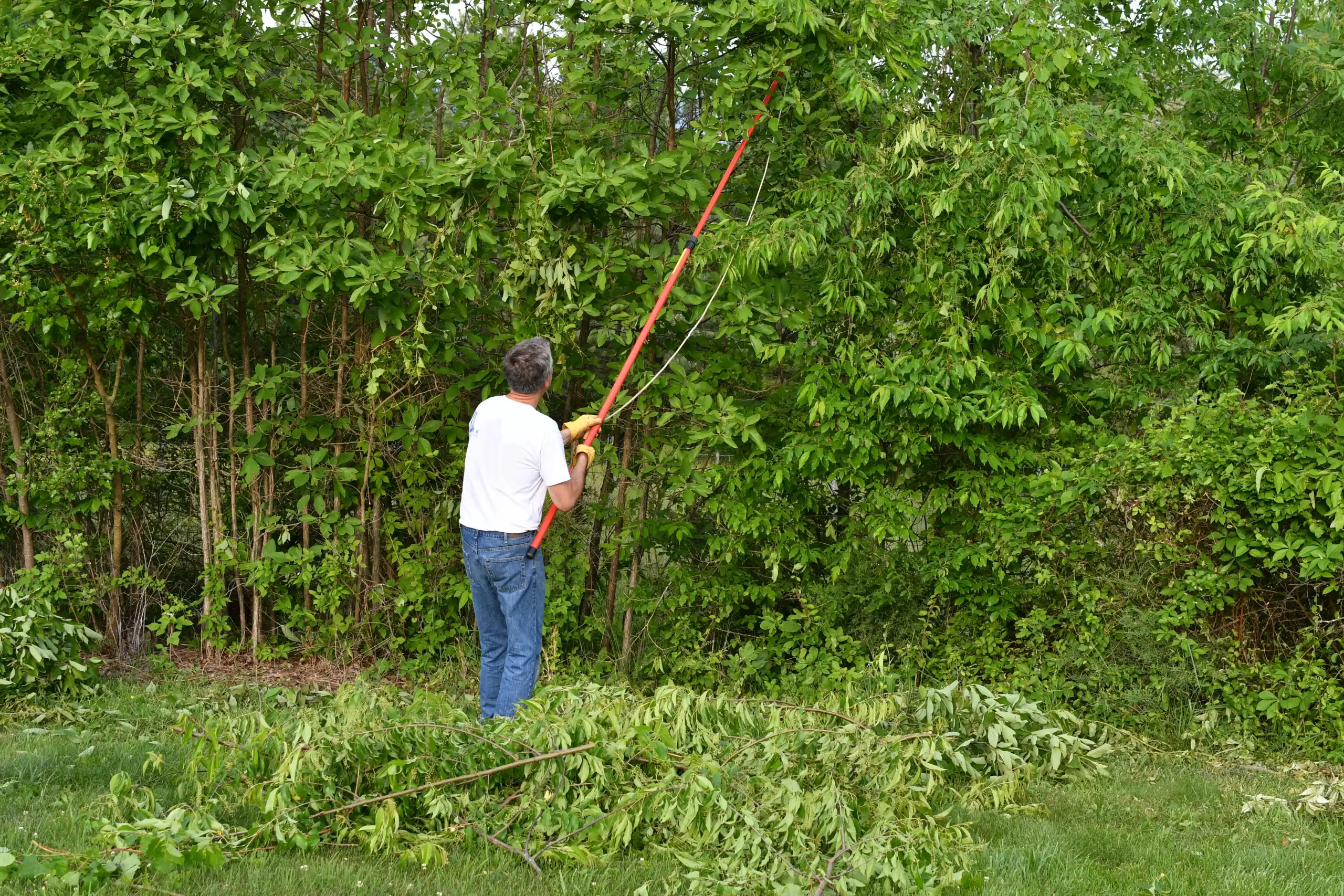
First, we come out and look at your property. We’re checking vegetation density, terrain, obstacles like stumps or rocks, and what you’re trying to accomplish. That lets us give you an accurate quote and a realistic timeline—usually within a day or two.
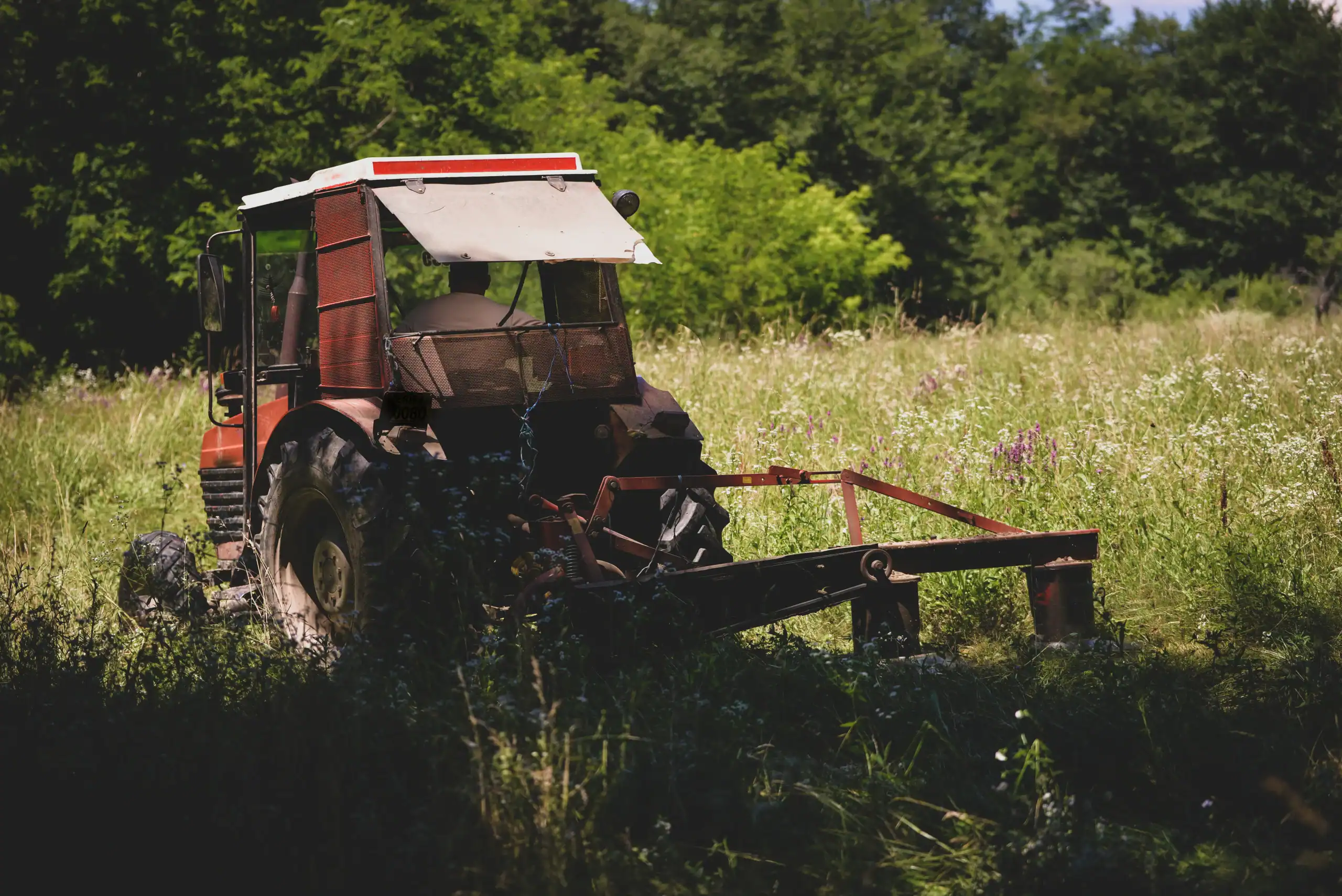
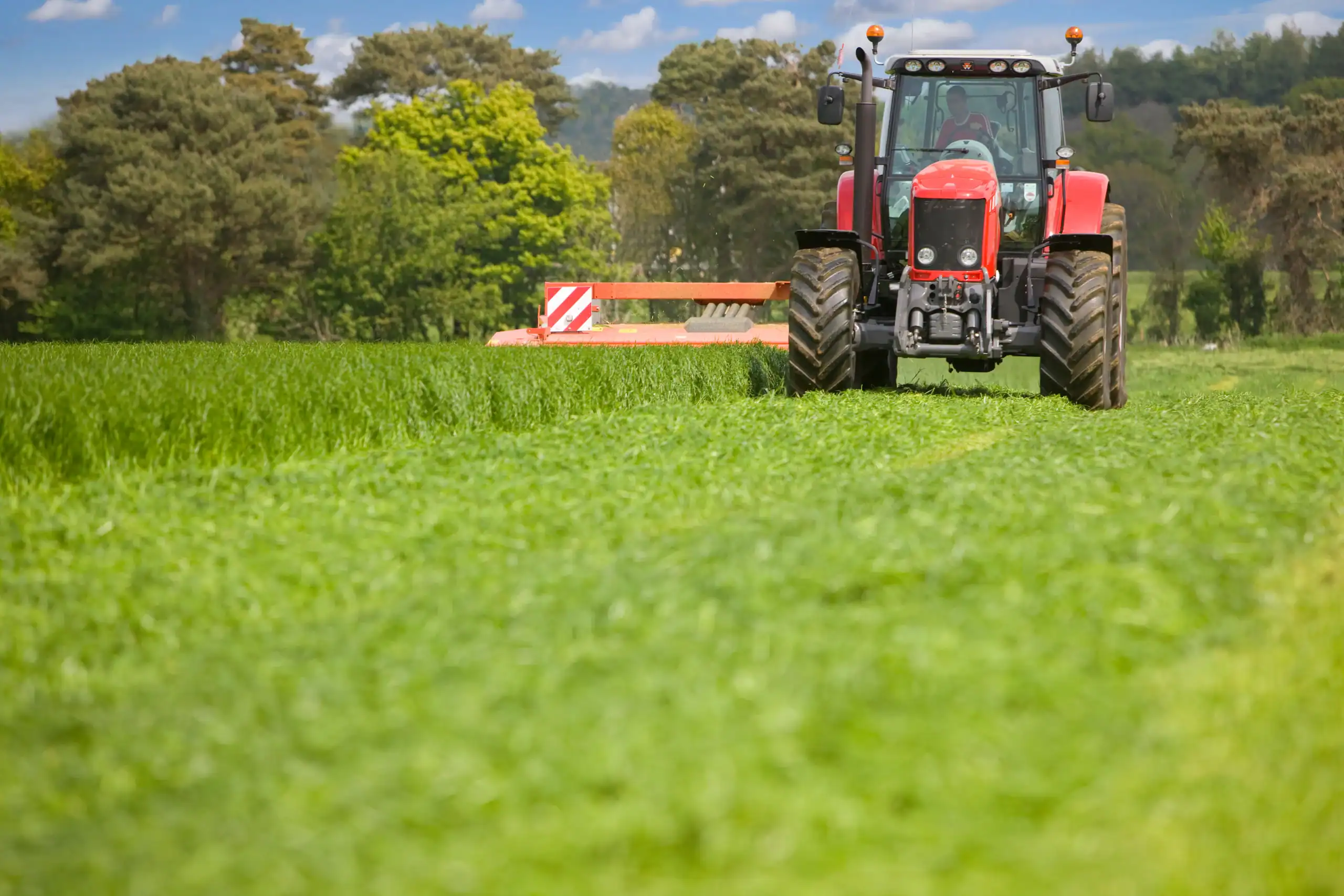
Once you’re ready to move forward, we schedule the work and show up with the right equipment. For most residential and commercial mowing projects in Mollusk, that means a tractor-mounted brush hog that can handle thick brush, tall grass, and small saplings. We clear the areas you’ve marked, working around anything you want to preserve.
The process is loud but fast. Depending on acreage and density, most field mowing jobs wrap up in a day or two. We’re not hauling anything off-site—the brush hog mulches everything in place, which actually helps the soil. Before we leave, we do a final walkthrough to make sure the job meets the plan and that you’re satisfied with the result.
Ready to get started?
Every lot clearing service starts with a site assessment. We identify what needs to go, what should stay, and any obstacles that could damage equipment or slow the job down. That includes things like hidden fence wire, old stumps, or drainage issues that aren’t obvious from the road.
The actual clearing covers brush, tall grass, weeds, and small trees—typically anything under three inches in diameter. If you’ve got larger trees or stumps that need removal, that’s a separate conversation, but we handle it. The brush hog mulches everything down to a few inches above ground level, which is low enough to mow over later but high enough to avoid scalping the soil.
In Mollusk and the surrounding Northern Neck area, properties often sit near water or have sections with sandy, erosion-prone soil. We adjust our approach based on that. If you’re near a wetland edge or a slope, we’re careful not to disturb the soil structure more than necessary. The goal is a clear site that doesn’t create new problems like erosion or drainage issues.
You also get a final check before we consider the job done. We walk the property with you, make sure everything’s cleared to your expectations, and confirm there’s no debris or damage left behind.
Cost depends on acreage, vegetation density, and terrain. For a typical residential property with moderate overgrowth, you’re usually looking at a few hundred dollars for smaller lots and up into the low four figures for larger acreage—say, five to ten acres.
Dense brush, steep slopes, or obstacles like downed trees add time and difficulty, which affects price. But here’s the thing: professional brush cutting almost always costs less than renting a tractor, buying fuel, spending your weekend fighting equipment, and risking injury or a breakdown you’re on the hook for.
We give free quotes after seeing the property. That way, you know exactly what you’re paying before we start, and there are no surprise charges for things we “didn’t expect.” If your property’s accessible and the vegetation isn’t extreme, the price is usually pretty straightforward.
Bush hogging uses a heavy-duty rotary mower to cut and shred vegetation. It’s fast, cost-effective, and works well for maintaining fields, clearing tall grass, and knocking down brush. The downside is it leaves the root systems in place, so regrowth happens unless you stay on top of it.
Forestry mulching uses a different machine—a mulcher head mounted on a skid steer or excavator—that grinds vegetation and small trees into fine mulch. It’s more thorough, handles larger material, and the mulch layer it leaves behind helps suppress regrowth. It’s also more expensive and slower.
For most properties in Mollusk, bush hogging is the right call if you’re clearing overgrown fields, maintaining pasture, or prepping a site for construction. If you’ve got dense woods you’re trying to convert into usable land, forestry mulching makes more sense. We handle both, so we can recommend what actually fits your situation and budget.
Summer’s ideal. Vegetation is at peak growth, which means the mulch you’re creating is nutrient-dense and breaks down faster. Longer daylight hours also mean we can get more done in a day, which can reduce costs on larger jobs.
That said, we work year-round. Spring is busy because that’s when overgrowth becomes obvious and people want it handled before it gets worse. Fall works well if you’re prepping land for a project that’s starting in winter or early spring. Winter’s the slowest season, but it’s also when you’re most likely to get scheduled quickly.
If your property’s a fire hazard or you’re trying to meet a deadline for development or a sale, don’t wait for the “perfect” season. The best time to clear land is when it needs clearing. We’ll make it work regardless of the calendar.
Not if it’s done right. The risk comes from hitting obstacles you didn’t see—rocks, stumps, old fence posts, or debris hidden under vegetation. That can damage equipment, throw debris, or tear up the ground more than necessary.
That’s why we walk the property first. We’re looking for anything that could cause a problem and either removing it beforehand or marking it so we avoid it during the job. If there’s something we can’t clear safely with a brush hog, we’ll tell you upfront and recommend a different approach.
The other concern is soil disturbance. Bush hogging doesn’t dig into the ground like bulldozing does, but if the land is wet or the soil is loose, heavy equipment can leave ruts. We avoid working in those conditions when possible, and if the terrain’s tricky, we adjust our equipment or technique. The goal is a cleared site, not a torn-up mess.
Not much. The main thing is making sure we can access the area. If there’s a gate, we need it unlocked. If there are sections you absolutely don’t want us to touch—like a garden, a septic field, or specific trees—mark them clearly or walk us through it during the site visit.
If you know there are obstacles like old equipment, wire, or debris buried in the vegetation, point those out. We’ll find most of it during our walkthrough, but a heads-up helps. Same goes for property lines—if you’re not sure where yours ends and your neighbor’s begins, it’s worth checking before we start.
Beyond that, we handle the rest. You don’t need to clear anything yourself or move stuff around. That’s what you’re hiring us for. Just make sure we can get equipment onto the property and know what areas are off-limits, and we’ll take it from there.
Yes, unless you take additional steps. Bush hogging cuts vegetation down but leaves the root systems intact. That means regrowth is inevitable—how fast depends on the type of plants, the season, and how much rain you get.
For most property owners, that’s fine. If you’re clearing a field so you can mow it regularly, bush hogging gets it to a manageable height, and then you maintain it with a standard mower. If you’re prepping a site for construction, the regrowth doesn’t matter because you’re building over it anyway.
If you want to prevent regrowth, you’ve got a few options. You can follow up with herbicide treatment on the stumps and root zones. You can schedule regular bush hogging to keep cutting it back until the roots exhaust themselves. Or you can switch to a more aggressive clearing method like forestry mulching, which suppresses regrowth better. We can talk through what makes sense based on what you’re trying to accomplish long-term.