
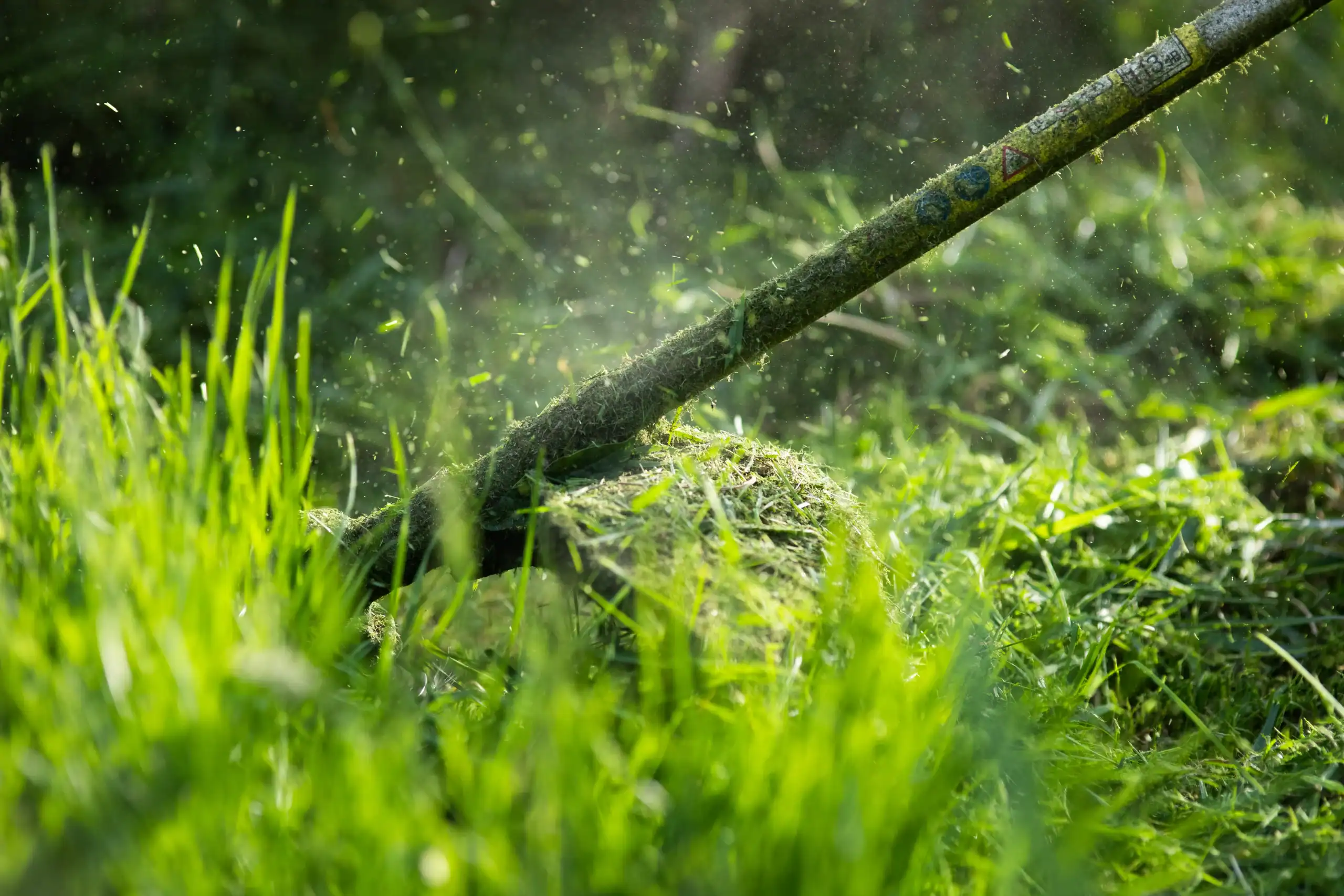
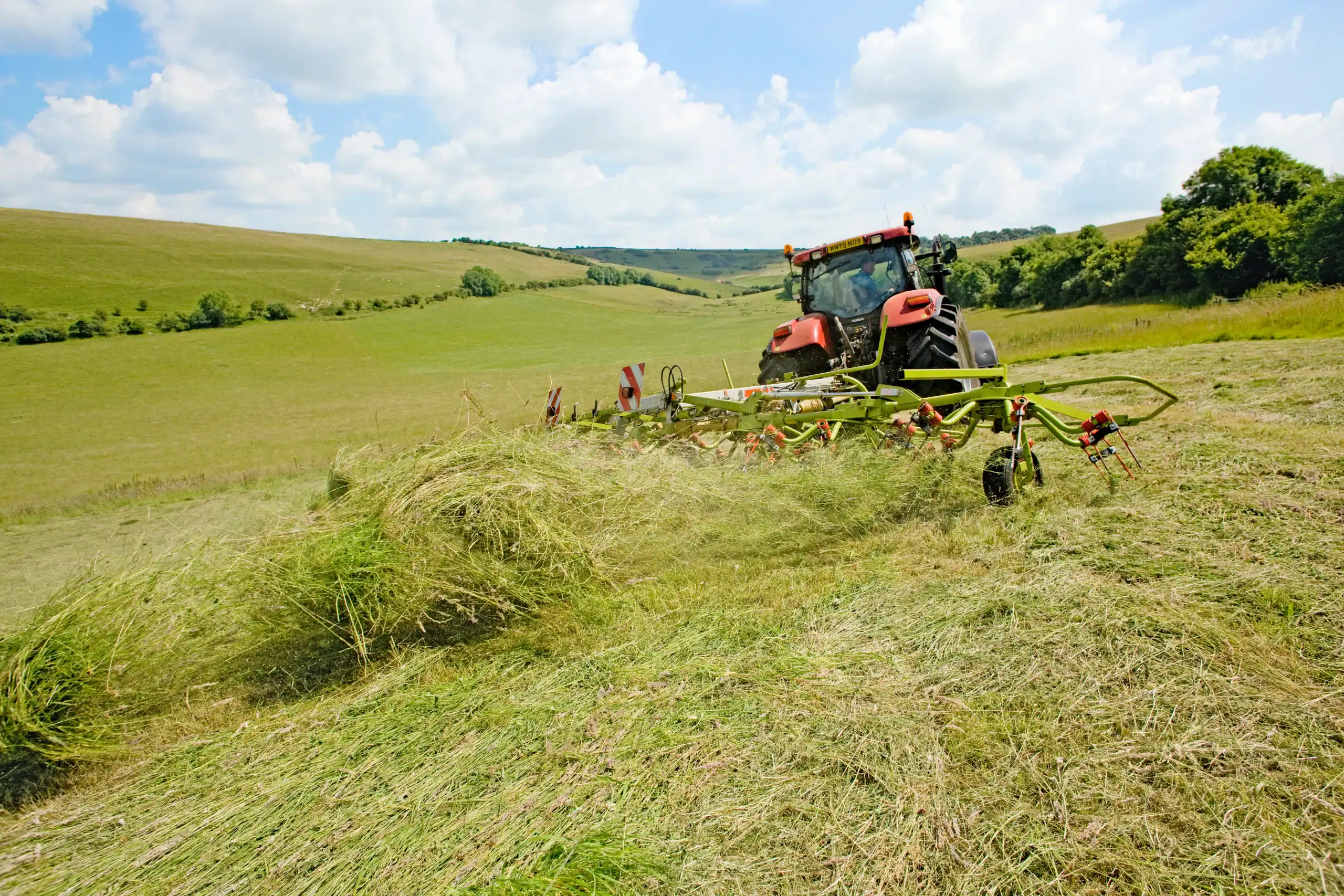
When your property’s overtaken by tall grass, invasive brush, and saplings, it’s not just an eyesore. It’s a liability. Fire hazards grow. Pests move in. Property value drops. Access becomes dangerous or impossible.
Bush hogging changes that. You get usable space back—whether it’s for farming, development, recreation, or just maintaining what’s yours. The land looks managed, which matters when neighbors are watching or buyers are considering. Fire risk drops significantly because you’re removing the fuel that feeds flames.
And here’s what most people don’t think about: cleared land is easier to maintain going forward. Once the heavy work is done, keeping it under control takes a fraction of the effort. You’re not fighting years of overgrowth every time you need to mow or access the back forty.
We’ve been serving Westmoreland County and the Northern Neck for years as a full-service excavation and land clearing company. We’re VA Class A licensed, fully insured, and locally operated—which matters more than you might think.
When you hire someone without proper licensing or insurance, you’re taking on their risk. If equipment damages your property or someone gets hurt, that’s on you. We carry the coverage and credentials that protect both of us.
Our team knows the Northern Neck. We understand the soil conditions here, the seasonal timing that works best for heavy equipment, and the terrain challenges that come with rural properties in this area. That local knowledge means fewer surprises and better results.
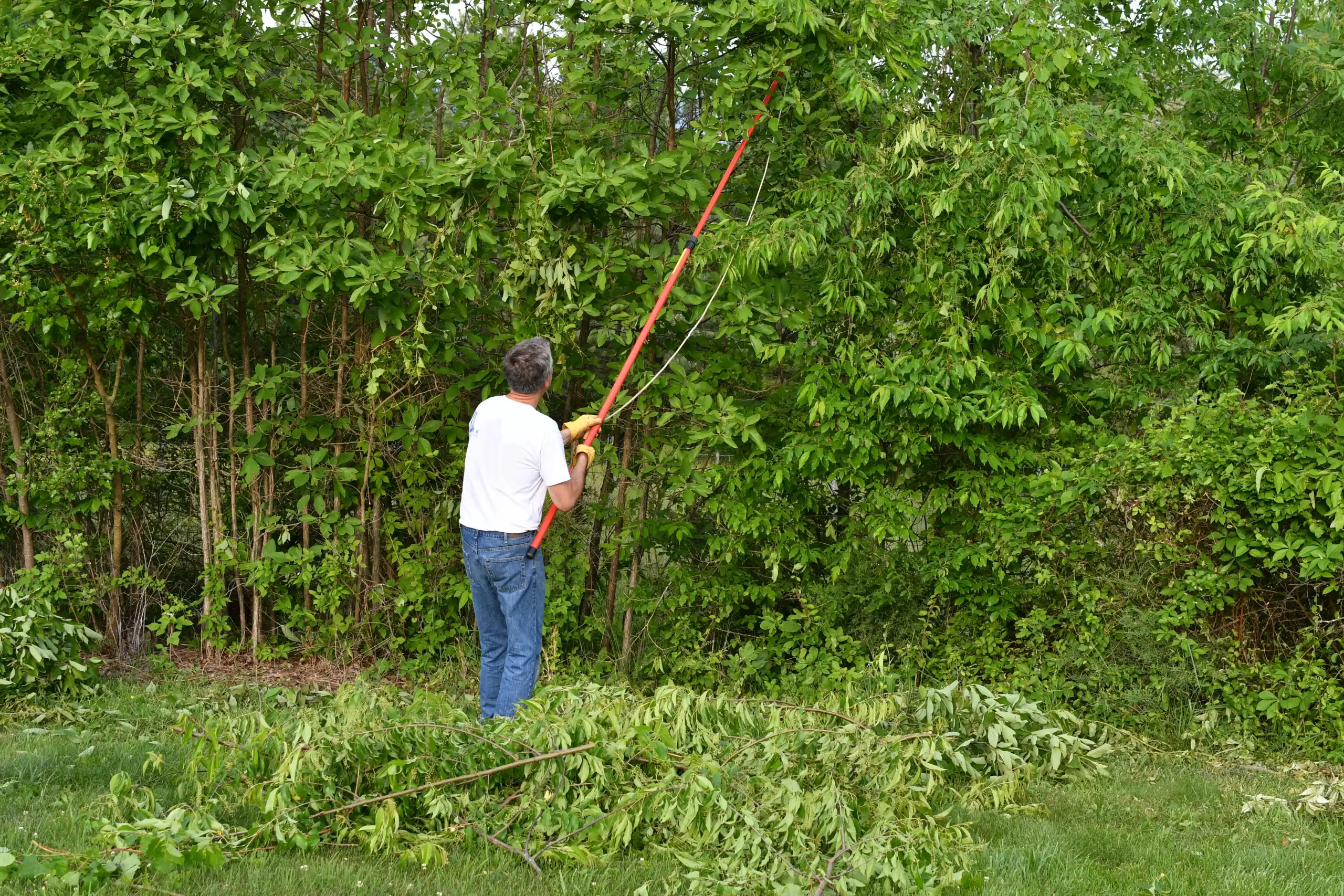
First, we come out to see what you’re dealing with. Every property is different—density of brush, terrain, access points, specific goals. We’ll walk it with you, answer questions, and give you a clear picture of what the job involves.
Once you’re ready to move forward, we schedule based on conditions. Timing matters. If the ground’s too wet, heavy equipment causes damage. If it’s too dry and overgrown, fire risk goes up during clearing. We pick the window that makes sense for your land and your timeline.
During the job, we use professional-grade equipment designed for this work. That means efficient clearing without tearing up your soil or leaving a mess behind. We’re not renting beat-up machines with dull blades—we maintain our equipment because it directly affects your results.
After we’re done, you’ll have cleared land that’s accessible and manageable. Depending on what you’re planning next, we can also handle grading, road building, or additional land clearing if the project calls for it.
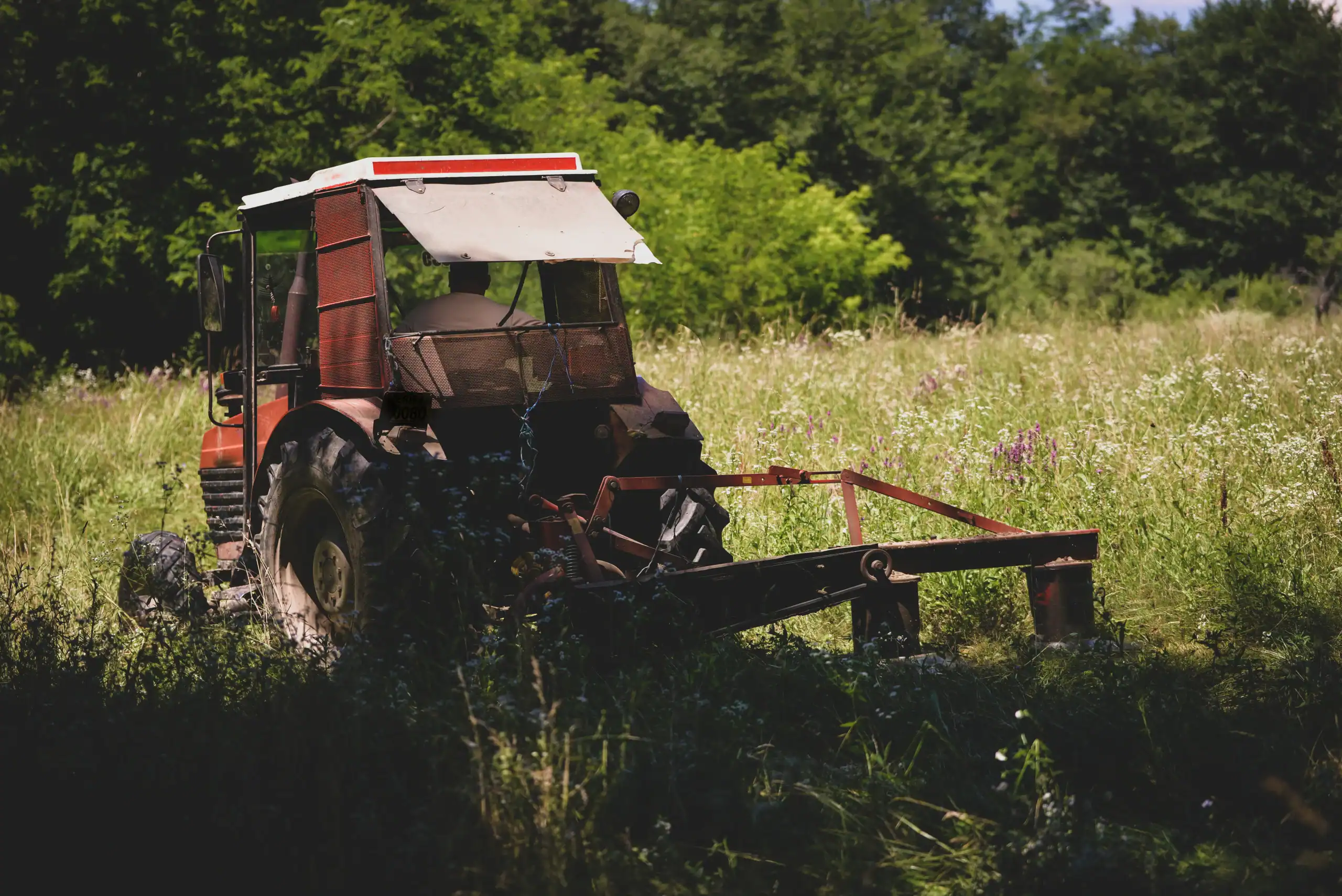
Ready to get started?
Bush hogging covers more than just cutting tall grass. We’re clearing fields, lots, and rural spaces overtaken by weeds, brush, and saplings. That includes field edge trimming to maintain boundaries and improve visibility, which matters for safety and property lines.
In the Northern Neck, properties tend to get very overgrown very quickly. The climate here supports aggressive plant growth, and once you fall behind, it’s hard to catch up without professional equipment. We handle the density and terrain that standard lawn equipment can’t touch.
We also clear access paths, which is critical if you need to reach back portions of your property for hunting, farming, or future development. Many property owners in Montross and Westmoreland County have land they can’t even walk through safely—snakes, hidden debris, unstable ground. Clearing that opens up options.
If your project needs more than bush hogging—like forestry mulching for heavier vegetation or grading for drainage—we handle that too. You’re not calling multiple contractors. One team, one timeline, one point of contact.
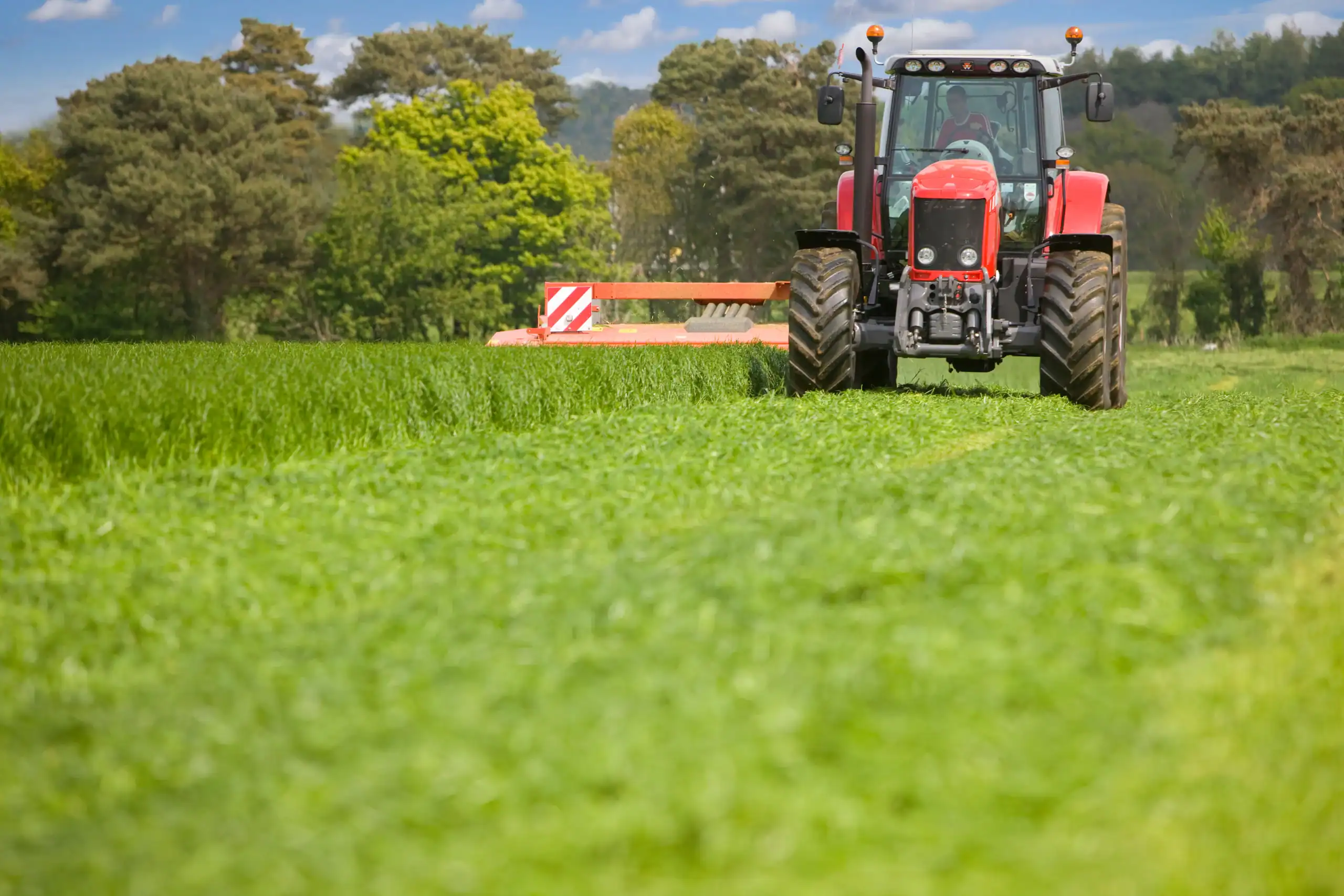
Regular mowing is for maintained grass—lawns, parks, areas that get cut every week or two. Bush hogging is for overgrown fields, tall weeds, brush, and saplings that standard mowers can’t handle. The equipment is heavier, the blades are designed for thick vegetation, and the approach is built for land that’s been neglected or intentionally left wild.
If you’re looking at grass over a foot tall, invasive brush, or small trees, you need bush hogging. A regular mower will overheat, clog, or break. Even if you rent a bush hog, most rental equipment is underpowered and poorly maintained, which leads to frustration and repair bills.
Bush hogging also leaves the land in better shape for future maintenance. Once the heavy clearing is done, you can keep up with it using lighter equipment—or schedule periodic bush hogging to stay ahead of regrowth.
Late April to early May tends to be ideal in this area. The soil is firm enough to support heavy equipment without causing ruts or compaction damage, and you’re catching vegetation before it gets out of control for the summer. That timing also allows you to manage weed growth before seeds fully develop.
Fall is another good window—cooler temperatures, slower plant growth, and drier ground conditions. Many property owners in the Northern Neck prefer fall clearing because it sets them up for easier spring maintenance.
March can work, but it’s risky. It’s one of the wettest months here, and driving heavy machinery through saturated soil causes serious damage. If the ground’s too soft, we’ll recommend waiting. Pushing equipment through mud doesn’t just tear up your land—it also makes the job harder and more expensive. Timing matters more than most people realize.
Most bush hogging runs between $85 and $150 per hour, depending on equipment, density, and terrain. Some companies charge by the acre—typically $60 to $250 per acre, with most jobs in the $100 to $150 range for moderate density.
What affects cost? Terrain difficulty, how overgrown the land is, access points, and whether there are obstacles like rocks, stumps, or hidden debris. If we need to bring in additional equipment or spend extra time navigating tough ground, that changes the scope.
We give you a clear estimate after walking the property. No surprises, no vague “it depends” answers. You’ll know what the job costs before we start, and we’ll explain what’s driving that number. If you’re comparing quotes, make sure you’re comparing licensed, insured contractors with professional equipment—not someone renting a machine and hoping for the best.
Yes. Overgrown brush, tall grass, and dead vegetation are fuel. When fire conditions are dry, that fuel turns your property into a risk—not just for you, but for neighboring land too. Bush hogging removes that fuel and creates defensible space.
In rural areas like Montross and the Northern Neck, fire breaks matter. Cleared land slows or stops fire spread, giving you and emergency responders more time to respond. It’s especially important if you’re near wooded areas or if your property borders others with heavy vegetation.
Beyond fire risk, clearing also reduces pest problems. Snakes, rodents, and insects thrive in overgrown areas. Once you remove the cover, they move on to somewhere else. It’s not a guarantee, but it’s one of the most effective ways to make your property less attractive to pests.
You’re not legally required to hire a licensed contractor for bush hogging in Virginia, but it’s a smart move. Licensing means the company has met state requirements for knowledge, safety, and accountability. It also means they’re more likely to carry proper insurance.
If you hire someone unlicensed and uninsured, you’re taking on their liability. If their equipment damages your property, if someone gets hurt, if they don’t finish the job—that’s your problem to solve. A licensed, insured contractor transfers that risk away from you.
It also affects quality. Licensed contractors tend to have better equipment, more experience, and a reputation to protect. They’re not just someone with a tractor trying to make extra cash. You’re hiring a business that’s accountable to the state and to you.
Not if it’s done correctly. Professional bush hogging clears vegetation without tearing up the soil underneath. The key is timing and equipment. If the ground’s too wet, heavy machinery causes compaction and ruts. If the equipment’s too aggressive, it can scalp the land and damage root systems.
We schedule based on soil conditions, not just your availability. That protects your land and gives you better results. After clearing, the soil is exposed, which can lead to erosion if you’re on a slope or in an area with heavy rain. We can discuss options like seeding or mulching if erosion is a concern.
Bush hogging also promotes healthier regrowth in many cases. By cutting back overgrown, invasive vegetation, you’re giving native plants and grasses room to come back. If you’re planning to use the land for farming, recreation, or development, cleared soil is easier to work with and more productive long-term.