
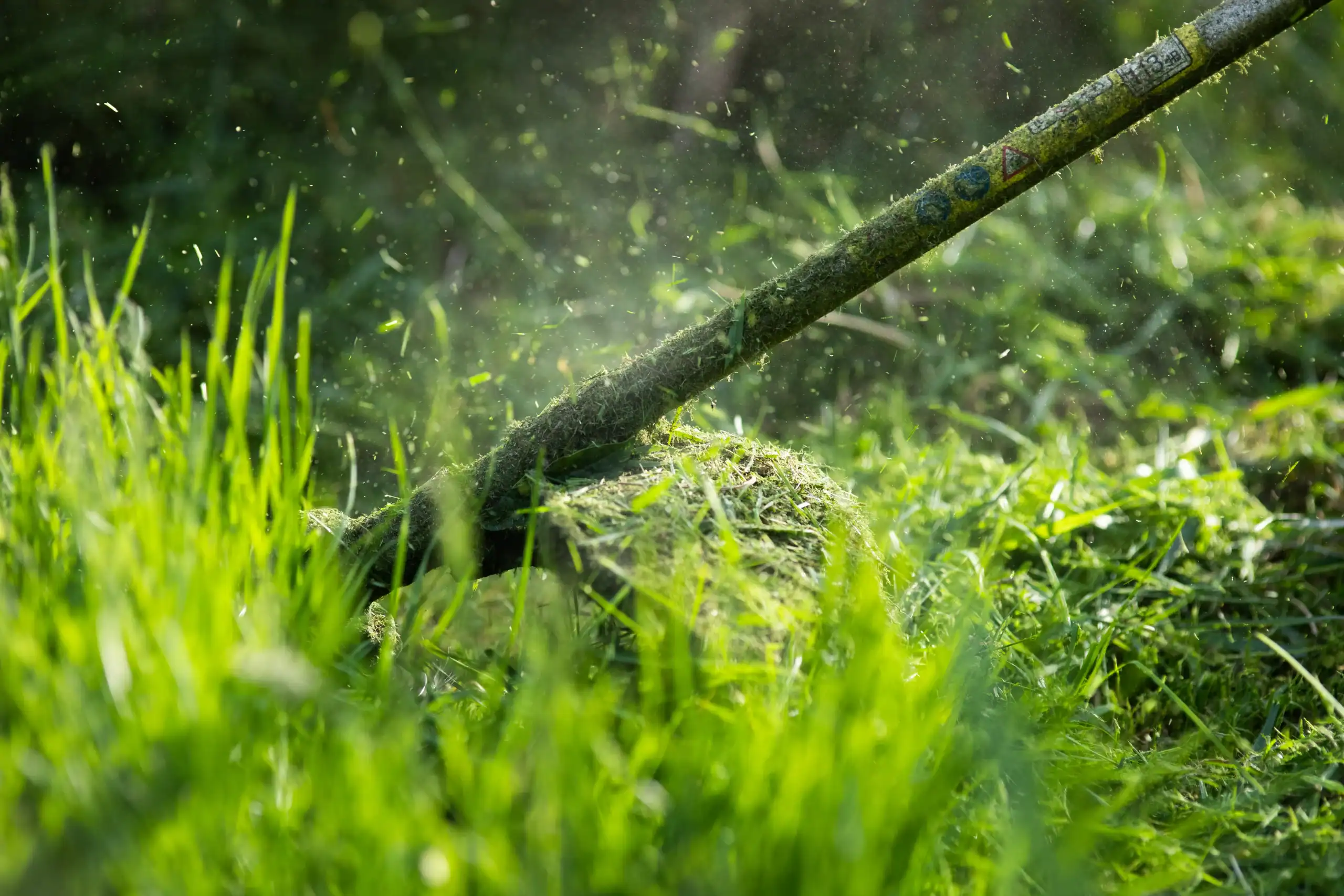
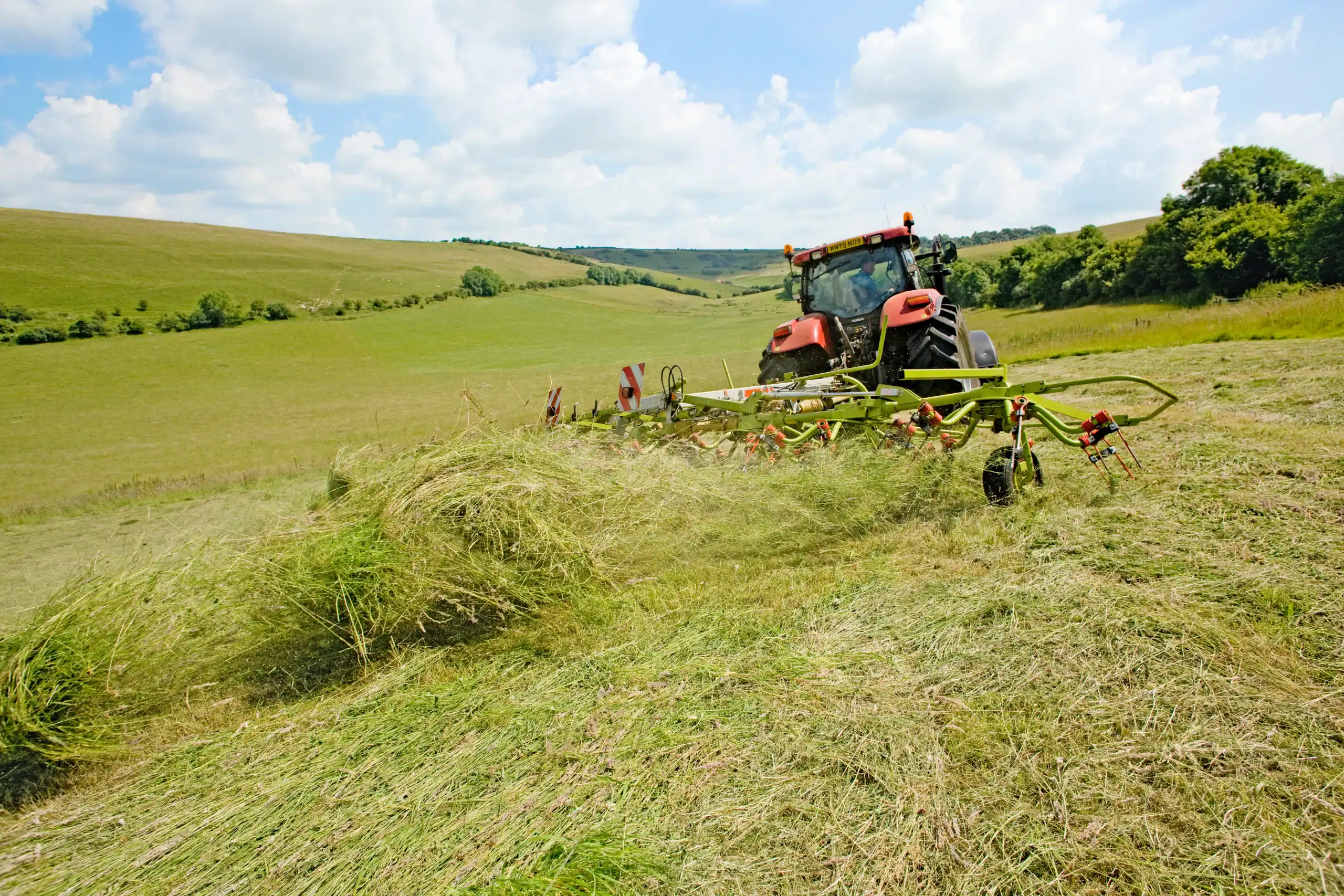
You’ve got acres of overgrown brush, tall grass choking out good land, or vegetation creeping toward structures. Maybe you’re staring at a lot that’s supposed to be pasture but looks more like a fire hazard. Bush hogging cuts through that mess fast.
This isn’t about making things pretty. It’s about making your land functional again. You get clear access for equipment, reduced wildfire risk from dry vegetation, and soil that can actually support what you want to grow or build. The work gets done in hours, not weeks.
Virginia saw over 600 wildfires last year, many sparked by overgrown brush and debris. Clearing that vegetation isn’t just maintenance. It’s protection for your property and everything around it.
R.E. Douglas Company Inc has been clearing land across Mount Holly and the Northern Neck region for years. We’re not a franchise or a crew passing through. We’re local, licensed, and insured, with equipment built to handle Virginia terrain.
Our team knows the land here. We understand seasonal fire risks, invasive species problems, and what it takes to prep property for farming, building, or just keeping it maintained. You’re not explaining your situation to someone reading a script. You’re talking to people who’ve seen it before and know how to handle it.
We show up when we say we will. We clear what needs clearing. And we don’t leave you with a bigger mess than you started with.
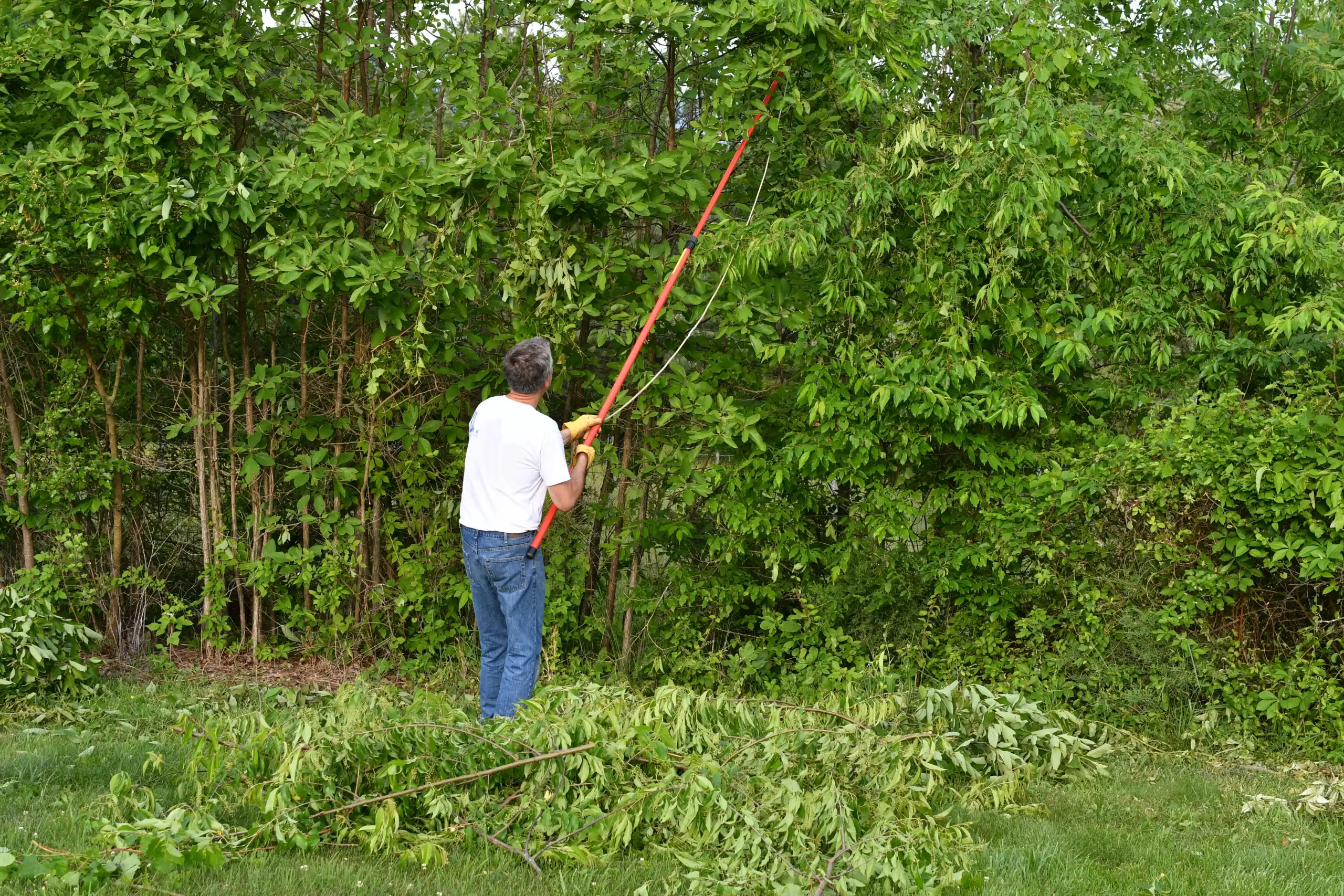
First, we walk your property. You show us what needs clearing, and we assess terrain, vegetation type, and any obstacles like rocks or stumps. This isn’t a quote over the phone. We need to see it.
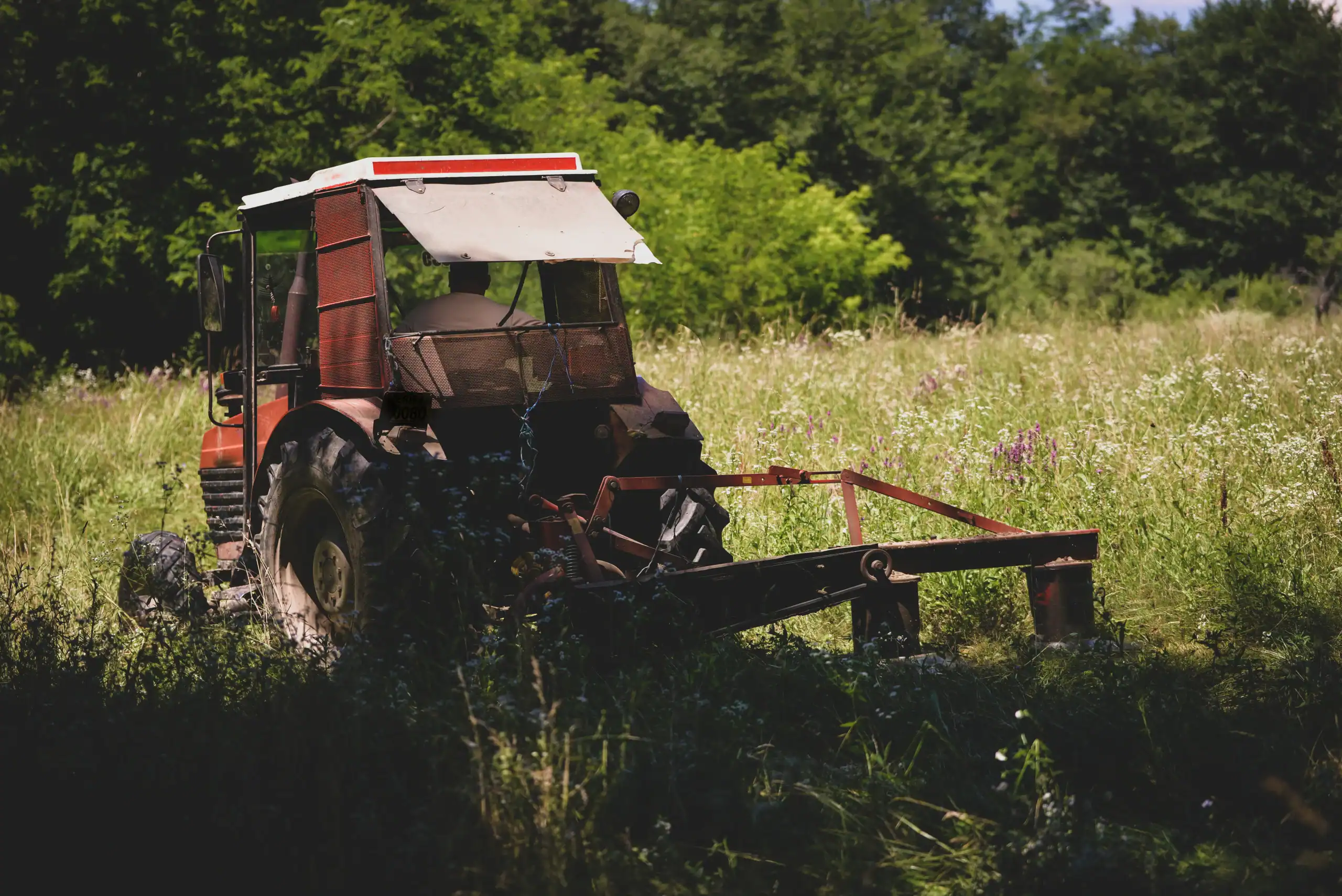
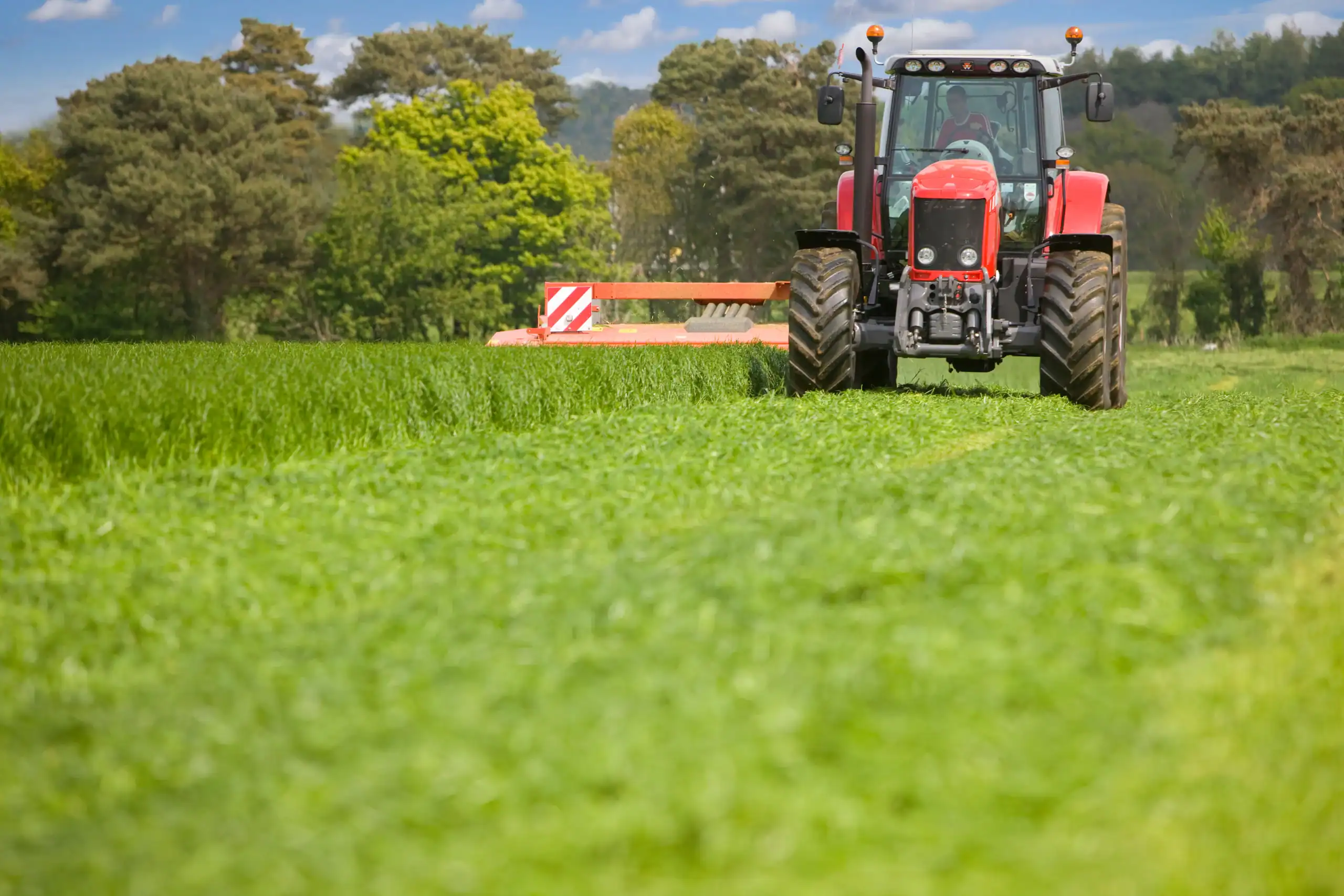
Once we agree on scope and price, we schedule the work. Our bush hog equipment cuts and shreds vegetation down to ground level. Thick brush, tall grass, saplings, overgrown fields—it all gets mulched into manageable material that breaks down into the soil. We’re not hauling truckloads of debris off your property unless you need us to.
The process is loud and fast. Depending on acreage and density, we can clear several acres in a day. When we’re done, you’ve got cleared land ready for whatever comes next—planting, grazing, building, or just keeping it maintained so it doesn’t turn back into a jungle.
Ready to get started?
Bush hogging handles more than overgrown grass. We clear brush, saplings, brambles, and invasive species that standard mowers can’t touch. Our equipment cuts through vegetation up to several inches thick, shredding it into mulch that stays on-site unless you want it removed.
In Mount Holly and across the Northern Neck, invasive species are a real problem. They choke out native plants, destabilize soil, and increase fire risk. Virginia has allocated funding specifically for invasive species removal because the issue affects agriculture, ecosystems, and property values. Bush hogging is one of the fastest ways to knock back that growth before it takes over completely.
We also handle field mowing for pastures, lot clearing for construction prep, and commercial mowing for larger properties. If you’re prepping land for development, reclaiming old farmland, or just trying to meet local fire safety regulations, this service gets you there. The result is cleared land you can actually use, with reduced fire hazard and better access for equipment or livestock.
Most bush hogging in Virginia runs around $100 per acre for open pasture or light brush. That price shifts based on terrain, vegetation density, and obstacles like rocks or stumps. Thick brush, steep slopes, or heavily wooded areas cost more because the work takes longer and puts more wear on equipment.
If you’ve got a large project—say 20 acres or more—you’ll usually get a lower per-acre rate. Some contractors drop to $75-$80 per acre for bigger jobs. But if your land is a tangled mess of saplings, vines, and invasive species, expect the higher end of the range or more.
We give you a clear quote after walking the property. No surprises, no hourly rates that spiral out of control. You know what you’re paying before we start.
Bush hogging uses a rotary cutter to mow down vegetation and leave shredded material on the ground. It’s fast, cost-effective, and works well for maintaining fields, clearing overgrown pastures, or knocking back brush. The equipment handles grass, weeds, saplings, and light brush up to a few inches thick.
Forestry mulching uses a different machine—a mulcher head mounted on a skid steer or excavator—that grinds trees, stumps, and heavy brush into fine mulch. It’s better for clearing wooded areas or dealing with larger trees, but it costs more and takes longer. You’d use mulching if you’re clearing forest for development or dealing with heavy timber.
For most residential and agricultural land clearing in Mount Holly, bush hogging gets the job done faster and cheaper. If you’ve got serious tree cover or need stumps ground down, mulching makes more sense. We’ll tell you which one fits your situation after seeing the property.
Dry vegetation is fuel. When you’ve got overgrown fields, dead brush, or tall grass near structures, you’re creating conditions for wildfire to spread fast. Virginia’s fire season runs through fall and into spring, and the state saw over 600 wildfires last year. Many of those started because of unmanaged vegetation and debris burning.
Bush hogging removes that fuel. By cutting and shredding overgrown growth, you eliminate the dry, flammable material that lets fire move across your property. The mulched vegetation breaks down into the soil instead of sitting there as tinder. You’re left with cleared land that’s far less likely to ignite or carry fire toward buildings, fences, or neighboring properties.
Local fire codes in parts of Virginia require property owners to maintain defensible space around structures. Bush hogging is one of the fastest ways to meet those requirements and reduce your liability. It’s not just about compliance—it’s about protecting what you’ve built.
You can, but it’s not as simple as renting a mower. Bush hogs aren’t stocked at most rental centers, and the ones that are available require a tractor with enough horsepower to run them safely. You’re looking at a steep learning curve if you’ve never operated one, plus the risk of hitting hidden rocks, stumps, or debris that can damage equipment or throw projectiles.
There’s also the time factor. If you’re clearing more than an acre or two, you’re talking about days of work—assuming the equipment doesn’t break down or you don’t run into problems with terrain. Professional crews have commercial-grade equipment that covers 2 to 3 acres per hour in good conditions. That’s a massive difference in efficiency.
Then there’s safety. Bush hogs kick up rocks, branches, and metal debris. If you hit something hard, you can break blades, bend the cutter deck, or worse—injure yourself or someone nearby. We carry insurance for a reason. If something goes wrong on a DIY job, you’re covering the cost and the consequences.
It depends on what you’re using the land for and how fast vegetation grows back. Pastures and fields used for grazing or hay production usually need bush hogging once or twice a year—early spring to knock back winter growth, and late summer or fall to manage regrowth before fire season.
If you’re dealing with invasive species or heavy brush, you might need more frequent clearing until you get it under control. Invasives like multiflora rose, autumn olive, and Japanese honeysuckle grow aggressively in Virginia. One clearing won’t eliminate them. You’ll need follow-up work to keep them from reestablishing.
For properties that aren’t actively farmed but need to stay clear for fire safety or aesthetics, annual bush hogging is usually enough. We can set up a maintenance schedule based on your land’s conditions and what you’re trying to accomplish. Regular clearing is cheaper and easier than letting it go wild and starting over every few years.
Walk the area and flag anything you don’t want hit—fence posts, water lines, septic systems, young trees you’re keeping, or any structures. Bush hog blades will destroy anything in their path, so marking obstacles helps us avoid costly mistakes.
Remove large debris if you can—old equipment, wire fencing, metal posts, or anything that could damage the cutter. Rocks and stumps we can work around, but hidden metal is a problem. If there’s trash or junk scattered in the brush, clearing that beforehand saves time and prevents blade damage.
Let us know if there are wet areas, steep slopes, or sections with heavy rock. Some terrain isn’t safe for bush hogging, and we’ll need to adjust the approach or use different equipment. The more information you give us upfront, the smoother the job goes and the fewer surprises we run into once we’re on-site.