
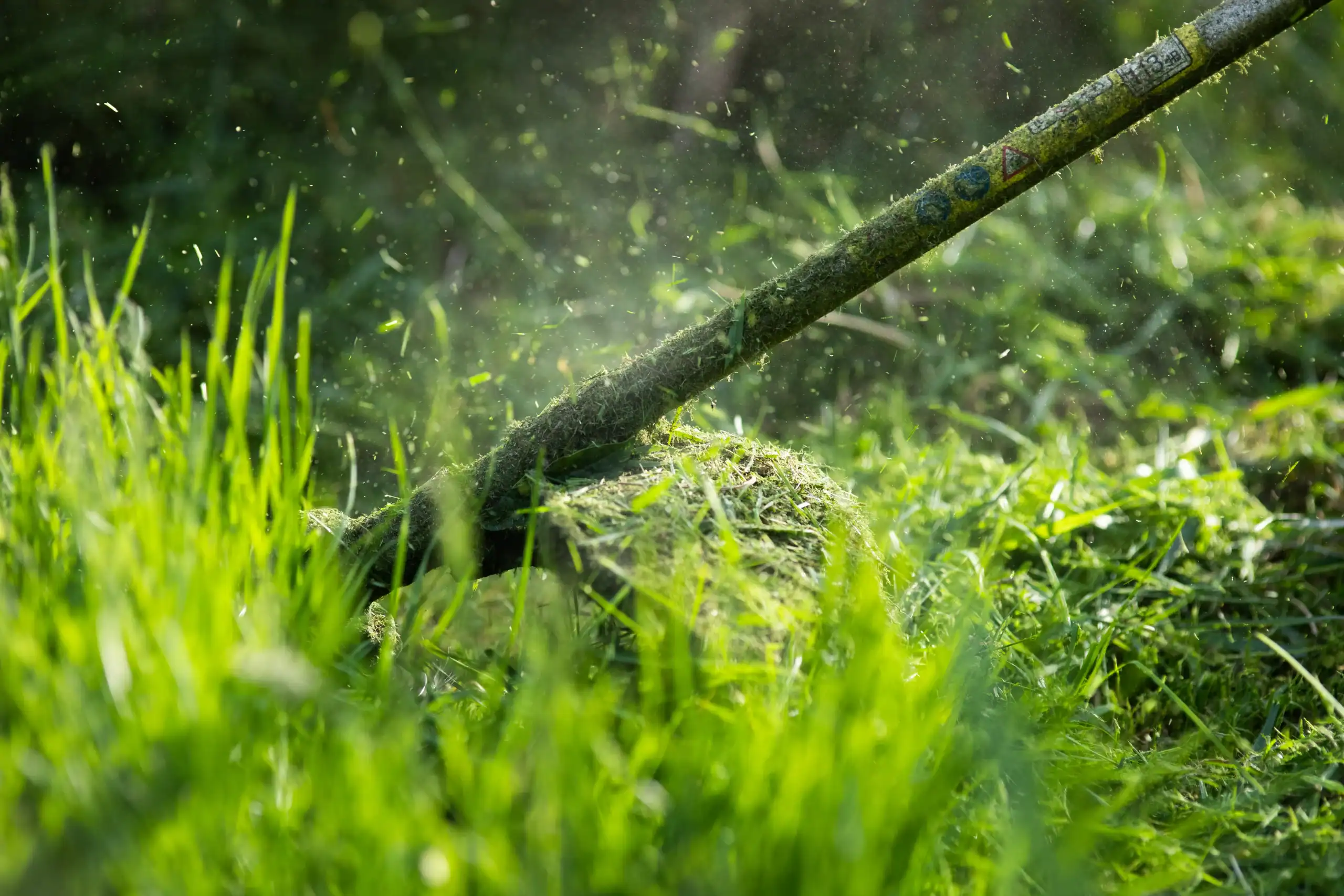
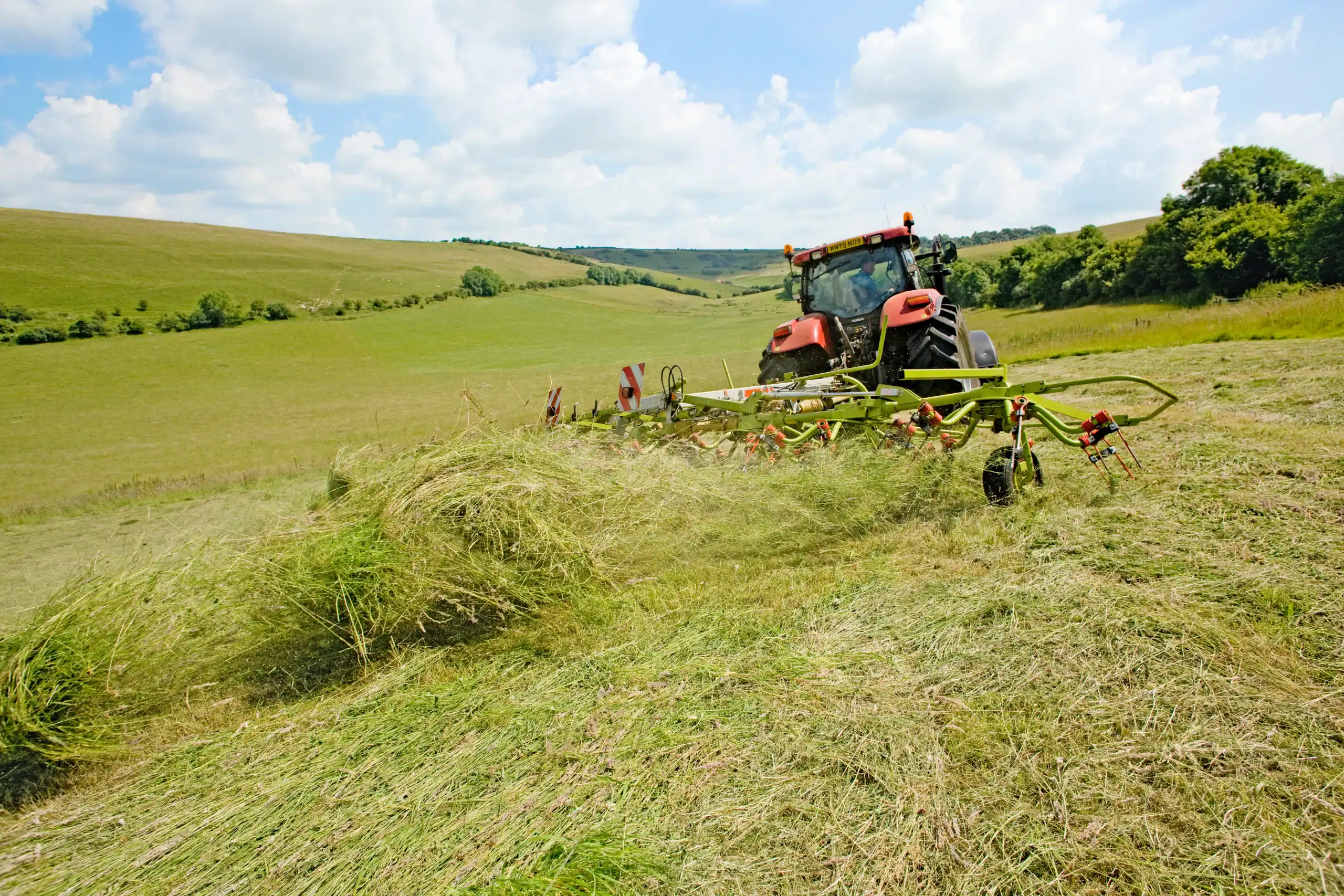
You get your land back. The overgrowth that’s been creeping in for months or years gets cut down to manageable height. Fire risk drops. Pest habitat disappears. Your property line becomes visible again.
If you’re trying to sell, develop, or just maintain what you own, an overgrown lot sends the wrong message. It tells buyers you’ve let things slide. It tells the county you’re not managing the land. It creates liability.
Bush hogging fixes that fast. We’re talking about clearing multiple acres in a day, not weeks of manual labor. The equipment handles what a push mower can’t touch—thick brush, saplings, tall grass that’s gone to seed. What you’re left with is cleared land that’s ready for whatever comes next, whether that’s development, farming, or just not looking like an abandoned property anymore.
We’re not new to Ophelia or Northumberland County. We’ve spent over 20 years working on properties just like yours throughout the Northern Neck. We know the soil conditions, the vegetation types, the seasonal challenges.
This area has specific land management needs. The humid climate means vegetation grows fast and thick. Properties here average over $260,000 in value, and letting land go wild directly impacts that number. We’ve cleared everything from small residential lots to multi-acre commercial sites.
You’re working with a local company that understands what Northern Neck property owners actually deal with. We’re not a franchise operation reading from a script.
First, we walk your property. You show us what needs clearing, what stays, where the property lines are. We identify any obstacles—rocks, stumps, hidden debris that could damage equipment or slow things down.
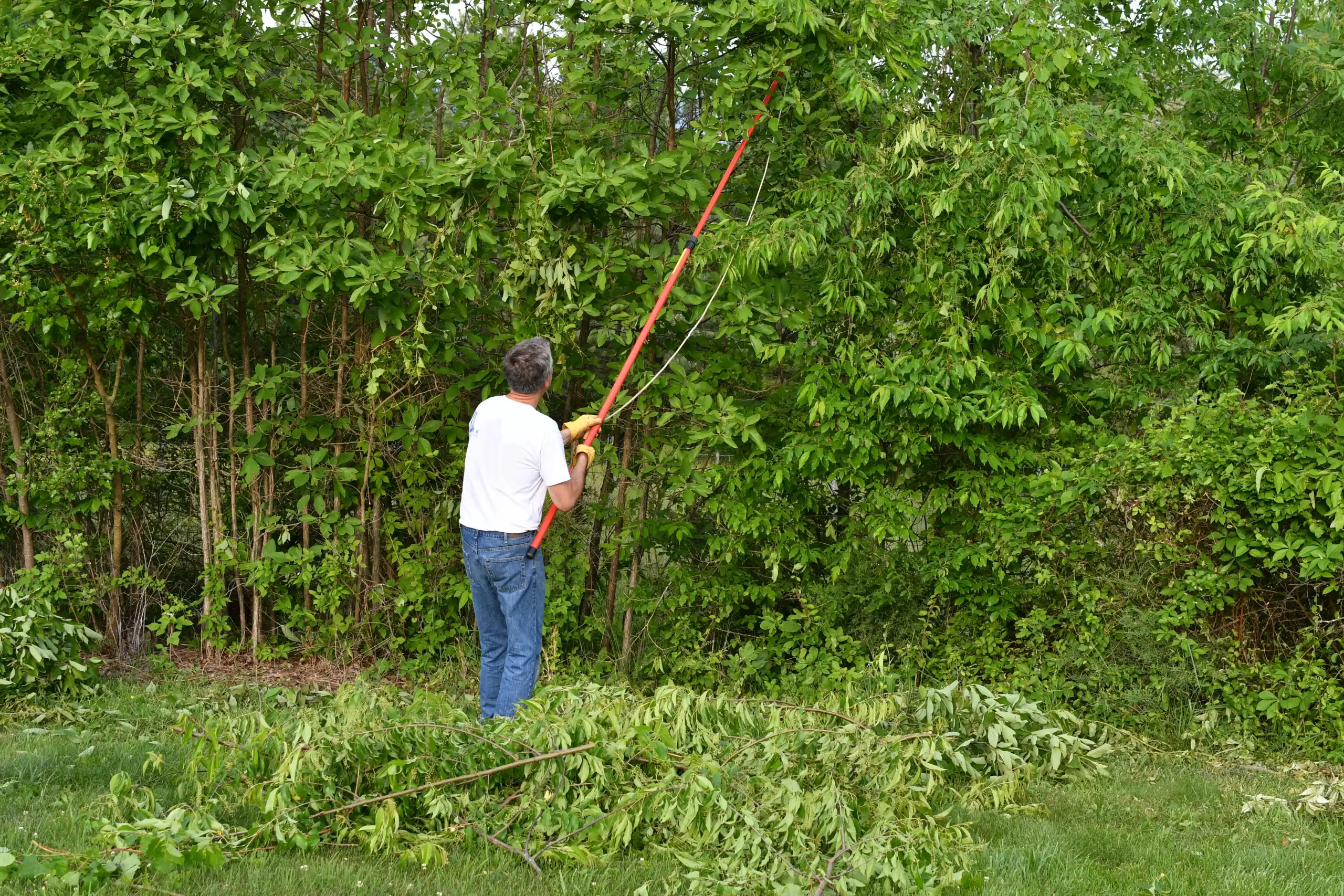
Then we bring in the bush hog. This isn’t a riding mower. It’s a heavy-duty rotary cutter pulled by a tractor, designed to handle vegetation up to small trees. The cutting deck sits low and chews through dense growth that’s been untouched for seasons.
We make multiple passes if needed. First pass knocks down the tall stuff. Second pass gets it closer to ground level. We work in strips to ensure complete coverage and avoid missing sections. The cut material stays on site and decomposes naturally, or we can arrange removal if that’s what your project requires.
After clearing, you get a property assessment. We’ll point out any areas that might need follow-up work, drainage issues we noticed, or spots where vegetation will likely return quickly without additional treatment.
Ready to get started?
You’re getting more than just cutting. We handle the site assessment, equipment transport, and the actual clearing work. Our bush hog equipment cuts through grass, weeds, brush, briars, and small saplings up to a few inches in diameter.
In Ophelia and the broader Northern Neck region, properties deal with specific vegetation challenges. Honeysuckle, poison ivy, brambles, volunteer pine trees—all of it grows aggressively in this climate. Virginia’s 43,200+ farms and rural properties create steady demand for land management, and we’ve seen every type of overgrowth this area produces.
We also handle the timing. Spring and fall are peak seasons, but we work year-round depending on your needs and ground conditions. Wet soil can limit access, so we’ll be straight with you about whether your property is ready or if waiting a week will prevent rutting and equipment issues.
The goal isn’t just to cut everything down once. It’s to get your property to a maintenance level where it stays manageable, whether you’re doing future upkeep yourself or scheduling us to return seasonally.
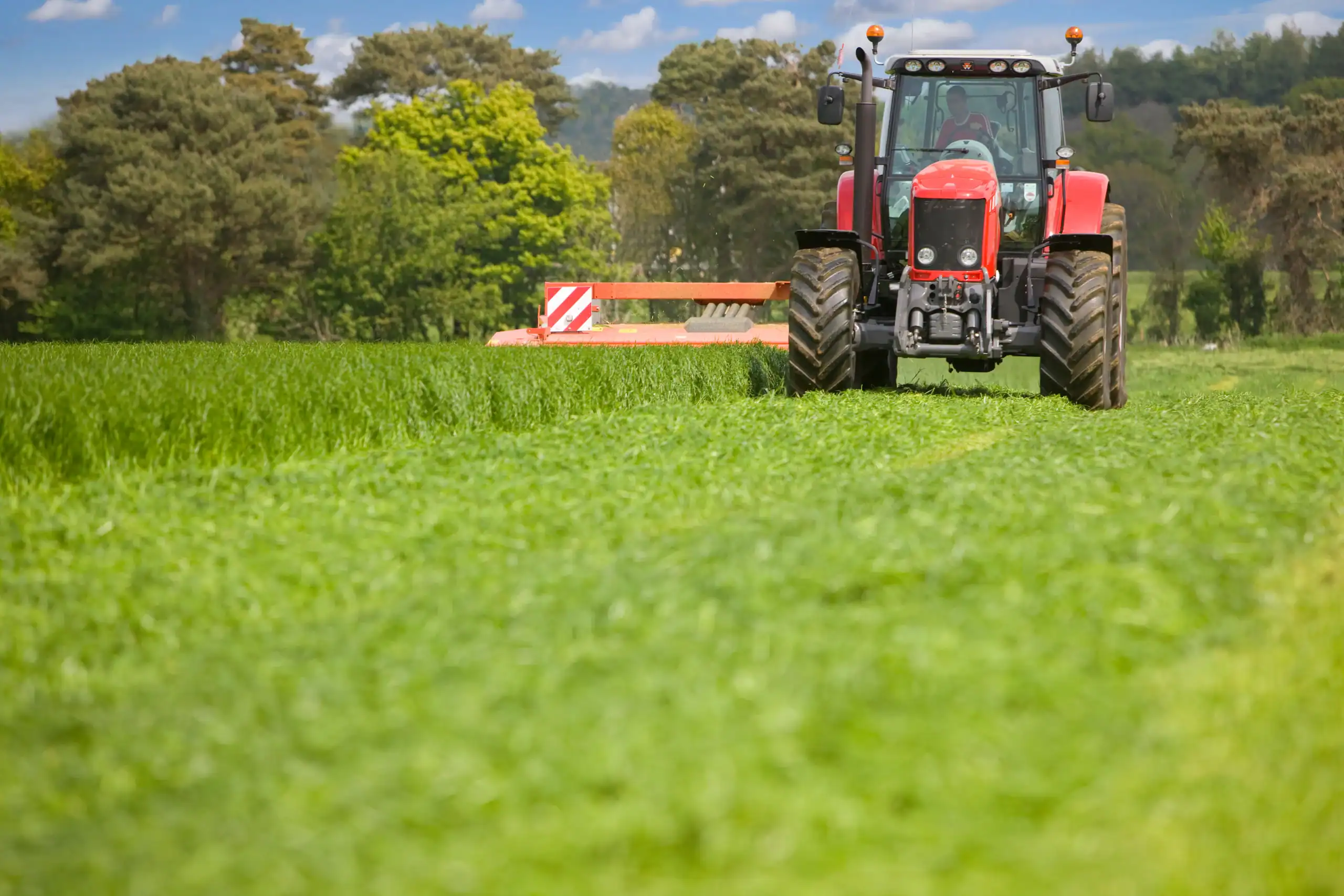
Most bush hogging runs between $60 and $125 per acre depending on property conditions. If it’s your first acre and the vegetation is thick, expect closer to $125. Once you’re clearing 2-5 acres, the per-acre rate typically drops to around $60.
Terrain matters. Flat, open land with just tall grass costs less than sloped property with rocks, debris, or dense brush. If we’re navigating around trees, structures, or dealing with wet ground, that adds time and complexity.
Hourly rates run $85 to $120 when billed that way, usually for smaller jobs or properties where acreage is hard to estimate. We’ll walk your land and give you a clear quote before any work starts. No surprises.
Bush hogging cuts vegetation down but leaves it on the ground. It’s fast and cost-effective for maintaining fields, clearing tall grass, and knocking back brush that hasn’t gotten completely out of control. The cut material decomposes over time.
Forestry mulching grinds everything—brush, small trees, stumps—into mulch that gets spread evenly across the ground. It’s more thorough and leaves a finished look, but it costs significantly more. You’d choose mulching for land you’re preparing to build on or when you need complete clearing with no debris left behind.
If your property has just gotten overgrown with grass and brush, bush hogging handles it. If you’re looking at thick woods with mature trees and you want it cleared to dirt, that’s mulching territory. We’ll tell you honestly which one your property actually needs.
Most properties need it twice a year—once in late spring after the main growth spurt, and once in early fall before everything goes dormant. That keeps vegetation from getting ahead of you.
If you’re maintaining a commercial property or trying to keep a lot looking presentable for sale, you might need quarterly service. If it’s raw land you’re just trying to keep from becoming a fire hazard, annual clearing might be enough.
Virginia’s climate means vegetation grows aggressively from April through October. If you skip a year, you’re not just dealing with tall grass anymore—you’re looking at saplings, thick brush, and growth that’s harder and more expensive to clear. Staying on a schedule prevents that.
Yes, but it requires slower, more careful work. Bush hog equipment is powerful and can damage trees, fences, or structures if the operator isn’t paying attention. We’ve been doing this for over 20 years, so we know how to navigate tight spaces.
Before we start, you show us what needs protection. We mark trees you want to keep, note where utility lines run, identify any hidden obstacles. Then we adjust our approach—smaller passes, reduced speed, manual trimming in areas where the bush hog can’t safely reach.
If your property has a lot of obstacles or requires precision work around landscaping, we’ll tell you upfront whether bush hogging is the right tool or if you need a different approach. Sometimes a combination of bush hogging for open areas and manual clearing for tight spots makes the most sense.
Late fall through early spring is ideal if you want to avoid disturbing wildlife. Ground-nesting birds, including turkeys, nest from April through mid-summer. Studies show about 10 percent of nests get destroyed by mowing during that window.
That said, vegetation grows most aggressively in late spring and summer. If your property is becoming a fire hazard or pest habitat, waiting isn’t always an option. We can work around sensitive areas or time the work to minimize impact.
Ground conditions also matter. After heavy rain, soil gets soft and equipment can create ruts. Frozen or dry ground is easiest to work on without tearing up your land. We’ll assess conditions before scheduling and let you know if waiting a week or two will give you better results.
Not unless you want to be. Most clients meet us for the initial walkthrough, show us the property boundaries and any areas to avoid, then let us work. We’ll call or text when we’re done so you can inspect the results.
If it’s a large property or there are specific concerns—protecting certain trees, working around utilities, coordinating with other contractors—being available by phone is helpful. But you don’t need to supervise the actual clearing.
We’ve cleared hundreds of properties throughout Ophelia and Northumberland County. We know how to work independently and respect your land. If something unexpected comes up—hidden debris, equipment access issues, areas that need more work than estimated—we’ll contact you before making decisions that affect your timeline or budget.
Other Services we provide in Ophelia