
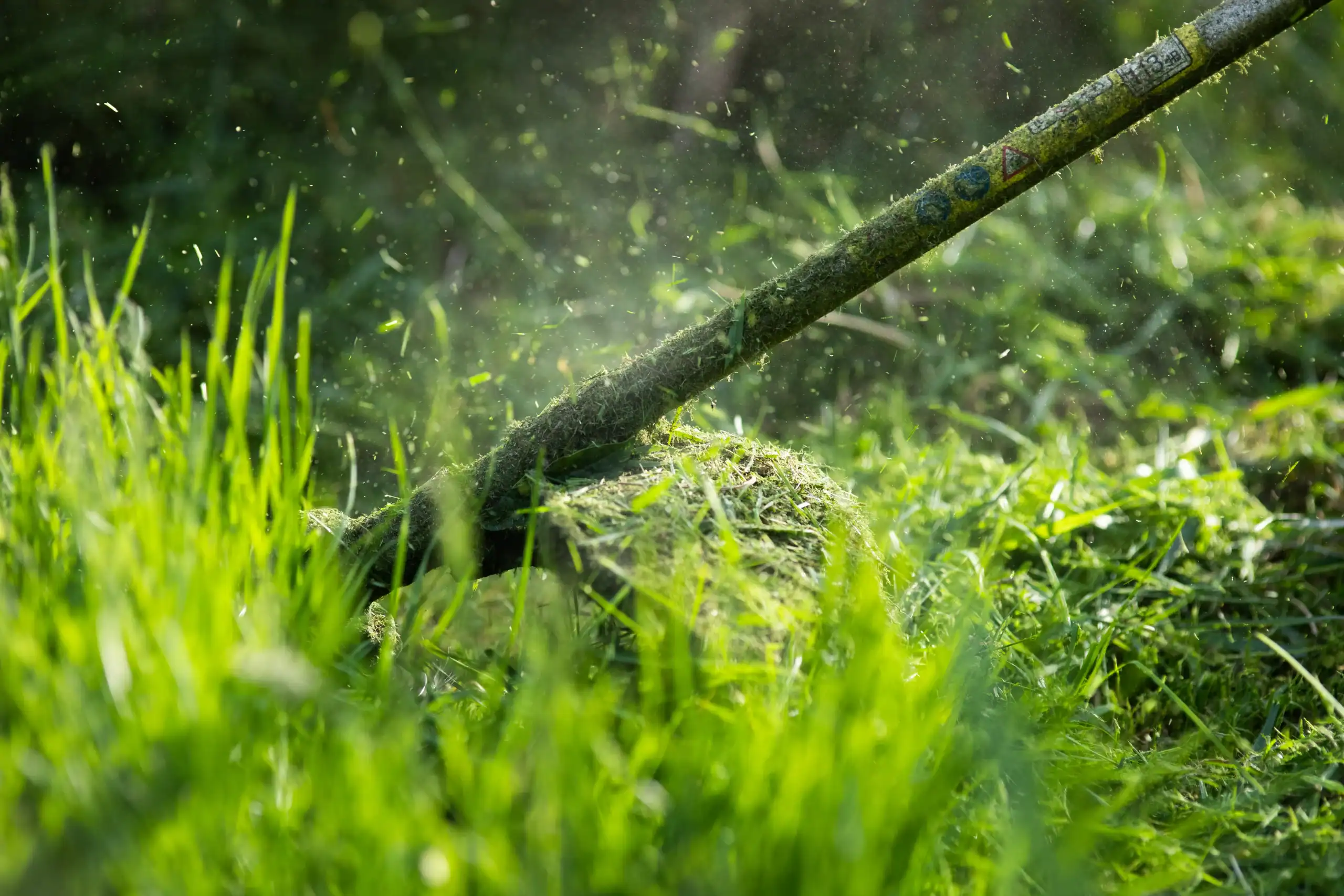
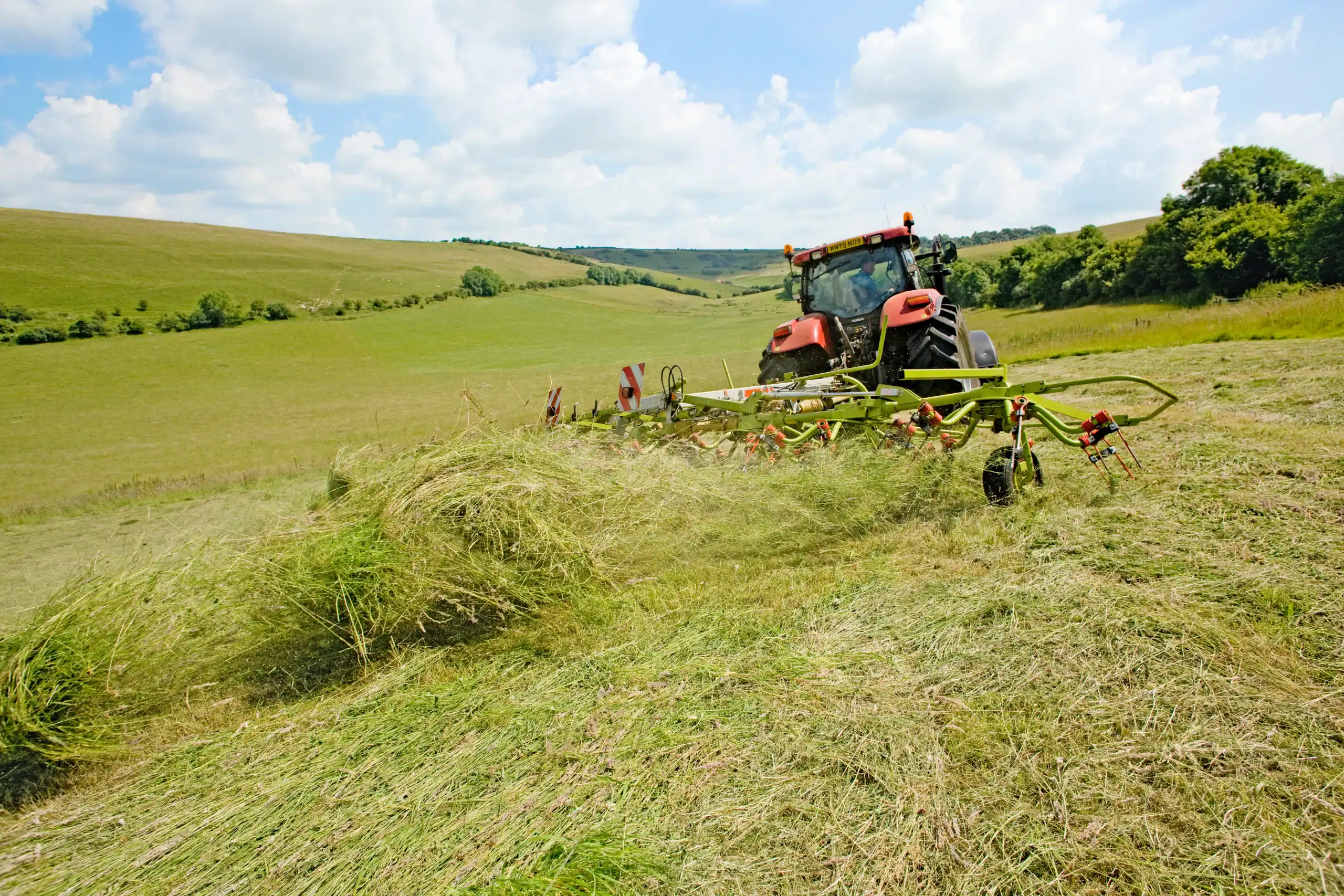
You can walk your property line again. You can see what you actually own. The tick population drops, snakes lose their hiding spots, and your insurance agent stops sending those letters about fire risk.
If you’ve been putting this off because it feels overwhelming, that’s normal. Left alone for even one growing season, a lot in King William County can turn into something that looks like it needs a machete, not a mower. The problem is, by the time it’s that bad, it’s also a liability.
Bush hogging cuts through all of it—tall grass, saplings, brambles, whatever took over while you were busy. What’s left is cleared land you can actually use. Maybe that means prepping for a build, improving access for maintenance, or just not feeling embarrassed when someone drives by.
We work across the Northern Neck and Middle Peninsula, and we’ve seen what overgrown land does to property values, safety, and peace of mind. We’re not new to this. Our crews are licensed, insured, and trained on the equipment that actually handles Virginia terrain—because around here, that terrain doesn’t mess around.
We’re local, so we know what grows fast in Sandy Point. We know cedar trees are everywhere and invasive. We know late spring through summer is when things get out of hand. And we know you’re not looking for a sales pitch—you’re looking for someone who’ll show up, do the work right, and not leave you with a bigger mess than you started with.
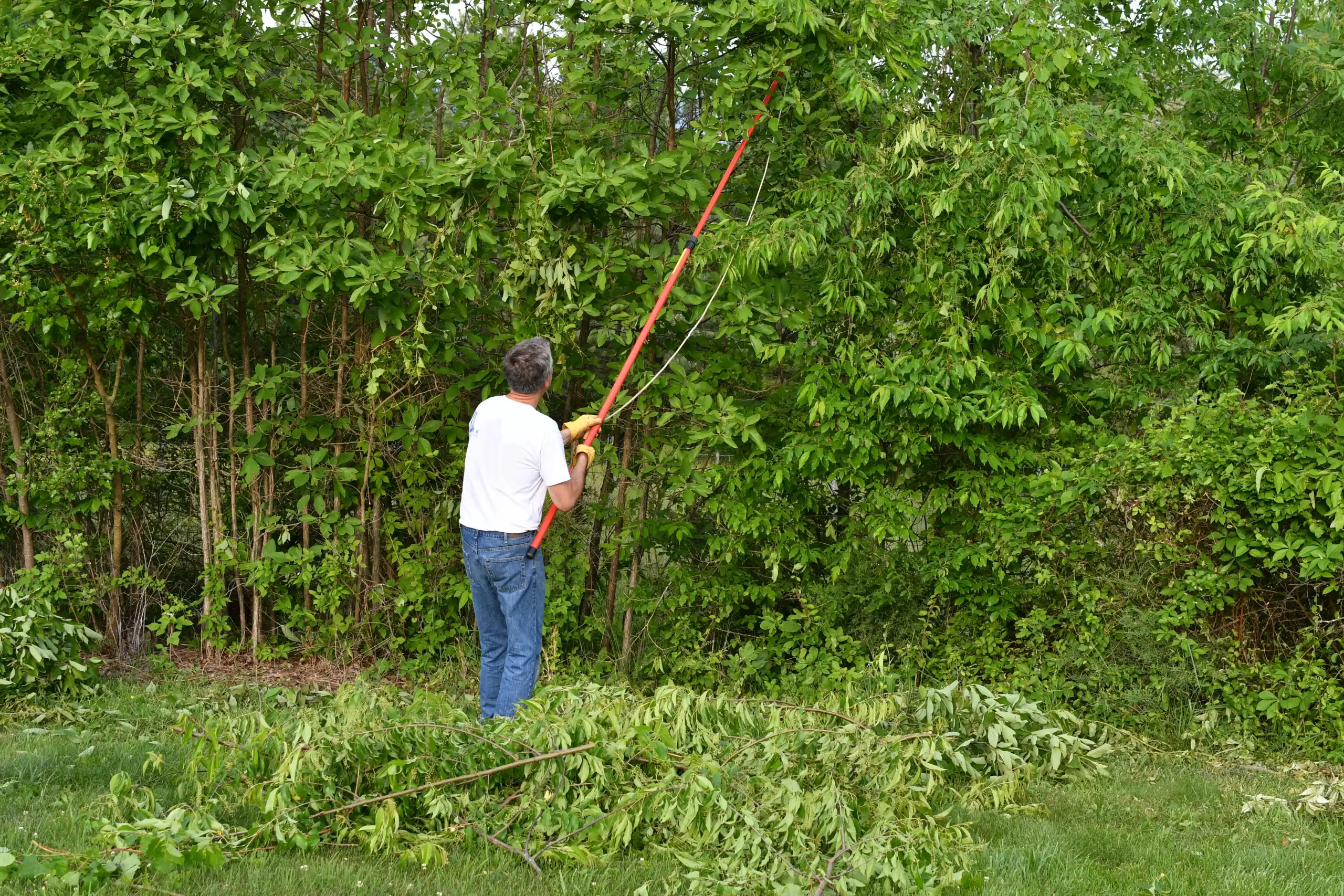
First, we walk the property with you. We’re looking at terrain, what’s growing, what needs to stay, and what needs to go. If there are areas you want untouched—maybe a tree line or a section near a structure—we mark it. This isn’t a one-size-fits-all job.
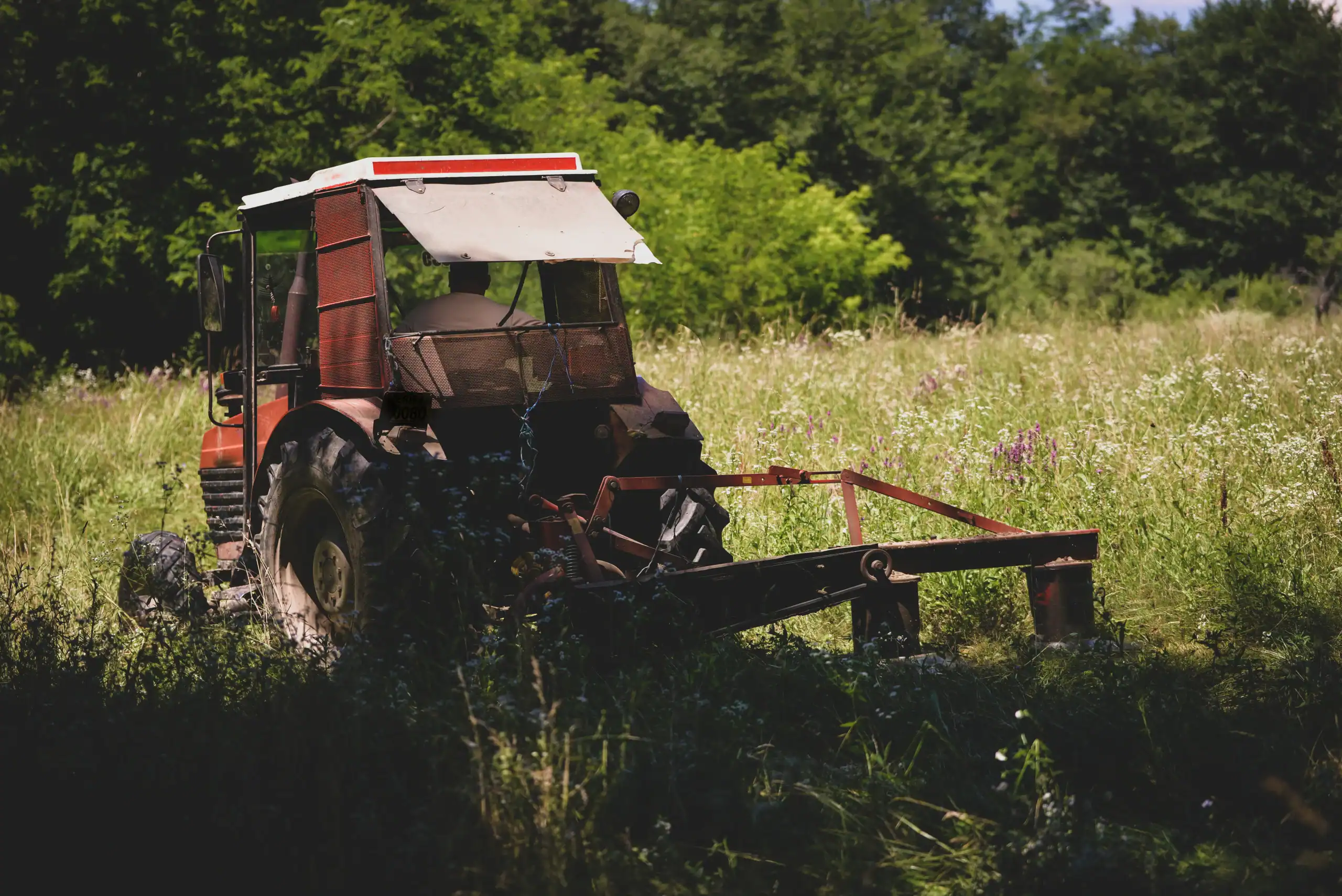
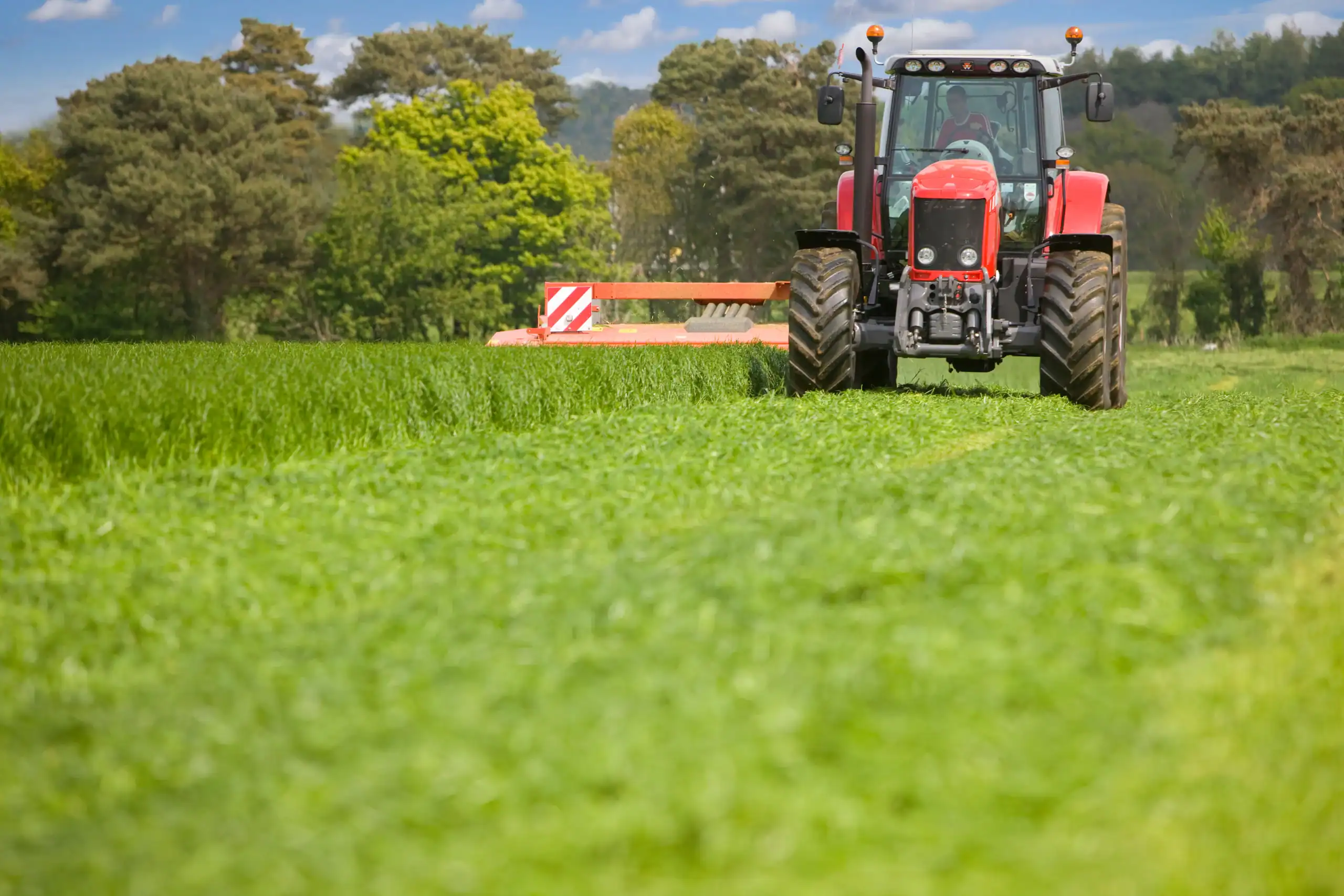
Then we bring in the equipment. For most overgrown lots, that means a high-horsepower bush hog that can handle thick brush, tall grass, and small trees without tearing up your soil. If it’s heavily wooded or you’ve got invasive species taking over, we might use a forestry mulcher instead. That machine grinds everything down and leaves mulch behind, which actually helps your soil and prevents erosion.
The work itself is loud and fast. Depending on acreage and density, we can clear multiple acres in a day. When we’re done, you’ll have cut vegetation lying flat or mulched into the ground. It’s not going to look like a golf course, but it will look managed. And more importantly, it’ll be safe, accessible, and ready for whatever comes next.
Ready to get started?
You’re getting a crew that shows up on time with the right equipment. You’re getting operators who know the difference between brush that needs cutting and trees that should stay. And you’re getting a job done in days, not weeks, because we’re not dragging this out.
In Sandy Point and King William County, the most common request we get is clearing land that’s been ignored for years. Maybe it was inherited. Maybe it was bought as an investment and never touched. Either way, it’s now a wall of green that you can’t see through, can’t walk through, and definitely can’t build on. We handle that. We also handle seasonal maintenance for people who want to keep pastures clear, reduce fire risk before summer, or prep land for sale.
Here’s what matters: we’re not just mowing. We’re removing fire hazards. We’re cutting back pest habitats. We’re making your property usable again. And if you’re planning to sell, we’re adding value—because cleared land always moves faster than overgrown land, and it moves for more money.
Most bush hogging in Virginia runs between $50 and $150 per acre, depending on how thick the growth is. If your land hasn’t been touched in years and it’s completely overgrown with saplings, vines, and dense brush, you’re looking closer to $200 per acre. That’s not a markup—it’s just reality. Heavier growth takes more time, more fuel, and more wear on equipment.
We don’t give quotes over the phone because every property is different. Terrain matters. Density matters. Whether there are obstacles like stumps, rocks, or old fencing matters. We’d rather walk it with you and give you an honest number than guess low and surprise you later.
If you’re working with a budget, let us know up front. We can prioritize high-visibility areas or sections that pose the biggest safety risk, then phase the rest over time.
Late spring and summer are when most people call, because that’s when the growth gets out of control. But the best time to bush hog is actually late fall or early spring—before everything leafs out or after it’s died back. You get better visibility, the ground is usually firmer, and you’re not dealing with snakes and ticks at peak activity.
That said, we work year-round. If you’ve got a fire hazard in July or you need land cleared before a build starts in August, we’re not going to tell you to wait. We’ll just plan around the conditions and adjust equipment if needed.
One thing to keep in mind: if you’re clearing for the first time in years, plan to do it again the next season. Seeds, roots, and stumps don’t disappear after one pass. A maintenance cut the following year keeps everything under control and costs a lot less than the initial clear.
No. Bush hogging cuts vegetation at the surface and leaves the root system in place, which actually protects your soil. It’s not like grading or bulldozing, where you’re scraping everything down to bare dirt. The roots stay, the soil stays stable, and you’re way less likely to deal with erosion afterward.
If we’re using a forestry mulcher instead of a traditional bush hog, the process is even gentler. The mulcher grinds everything into small chips that get spread across the ground. That mulch layer holds moisture, adds nutrients as it breaks down, and keeps new weeds from sprouting as aggressively.
What you won’t get is a perfectly manicured lawn. If that’s the goal, you’d need grading, topsoil, and seeding after the fact. But if the goal is to clear land, reduce hazards, and make it usable again, bush hogging does that without tearing up what’s underneath.
We can clear small trees and saplings, usually anything under 6 inches in diameter, depending on the equipment we’re using. A standard bush hog handles thick brush, tall grass, and small woody growth. If you’ve got larger trees or a heavily wooded lot, we bring in a forestry mulcher, which can grind trees up to 8 or 10 inches and mulch them on the spot.
For anything bigger than that—mature hardwoods, large pines, or trees you want removed entirely with the stump—we’d handle that as a separate tree removal job. But for most overgrown properties in Sandy Point, the issue isn’t giant trees. It’s cedar saplings, volunteer growth, and dense undergrowth that’s turned into a jungle. That’s exactly what our equipment is built for.
If you’re not sure what you’ve got out there, we’ll walk it with you. We’ll tell you what can be bush hogged, what needs mulching, and what might need a different approach. No surprises.
Not unless you want to be. As long as we’ve walked the property together beforehand and you’ve shown us what to avoid—structures, septic lines, tree lines you want untouched—we can handle the rest on our own. Most of our clients prefer it that way. The equipment is loud, the work is dusty, and there’s not much to see besides a crew moving back and forth across a field.
We will need clear access to the property, so if there’s a gate or a locked entrance, we’ll need a key or the code. And if anything changes while we’re working—weather delays, equipment issues, or something we didn’t expect underground—we’ll call you right away.
Once the job’s done, we’ll walk it with you again if you want, or we’ll just lock up and send photos. Either way, you’ll know exactly what was cleared and what’s left.
It helps, but it’s not a guarantee. Ticks, snakes, and other pests thrive in thick, overgrown areas because that’s where they find cover, moisture, and prey. When you clear that growth, you remove their habitat. Snakes don’t like being exposed, and ticks need tall grass and dense brush to survive. So yes, clearing your land makes it way less attractive to both.
That said, if your property backs up to woods or wetlands, you’re still going to see some activity. Pests don’t disappear completely—they just move to where the cover is. But the difference between an overgrown lot and a cleared one is huge. You’ll notice fewer ticks on your clothes after walking the property. You’ll see snakes less often because they’re not living in your brush piles anymore.
If pest control is a big concern, we’d recommend a maintenance schedule—bush hogging once or twice a year to keep growth from coming back. That’s the best long-term solution for keeping your property safe and accessible.