
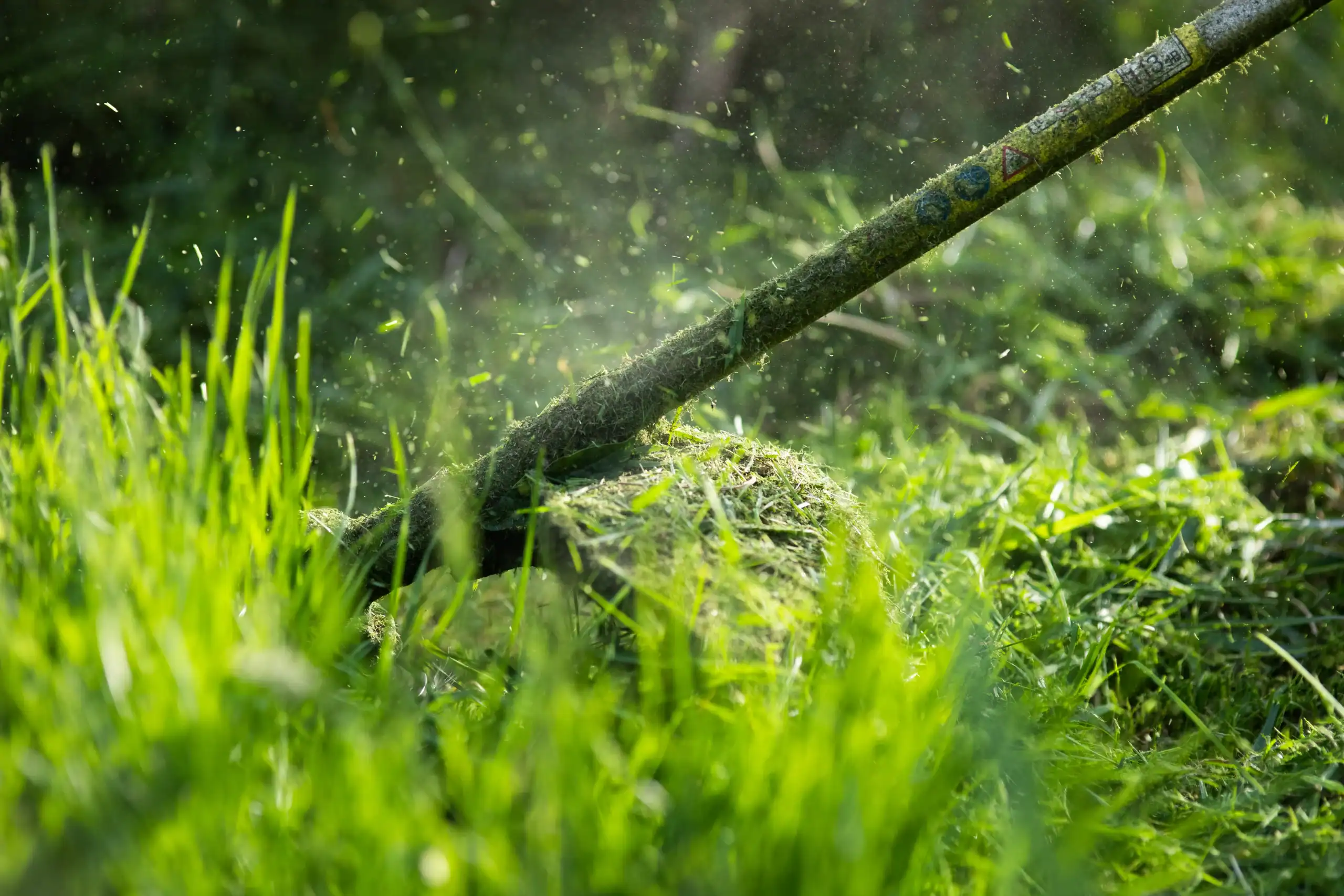
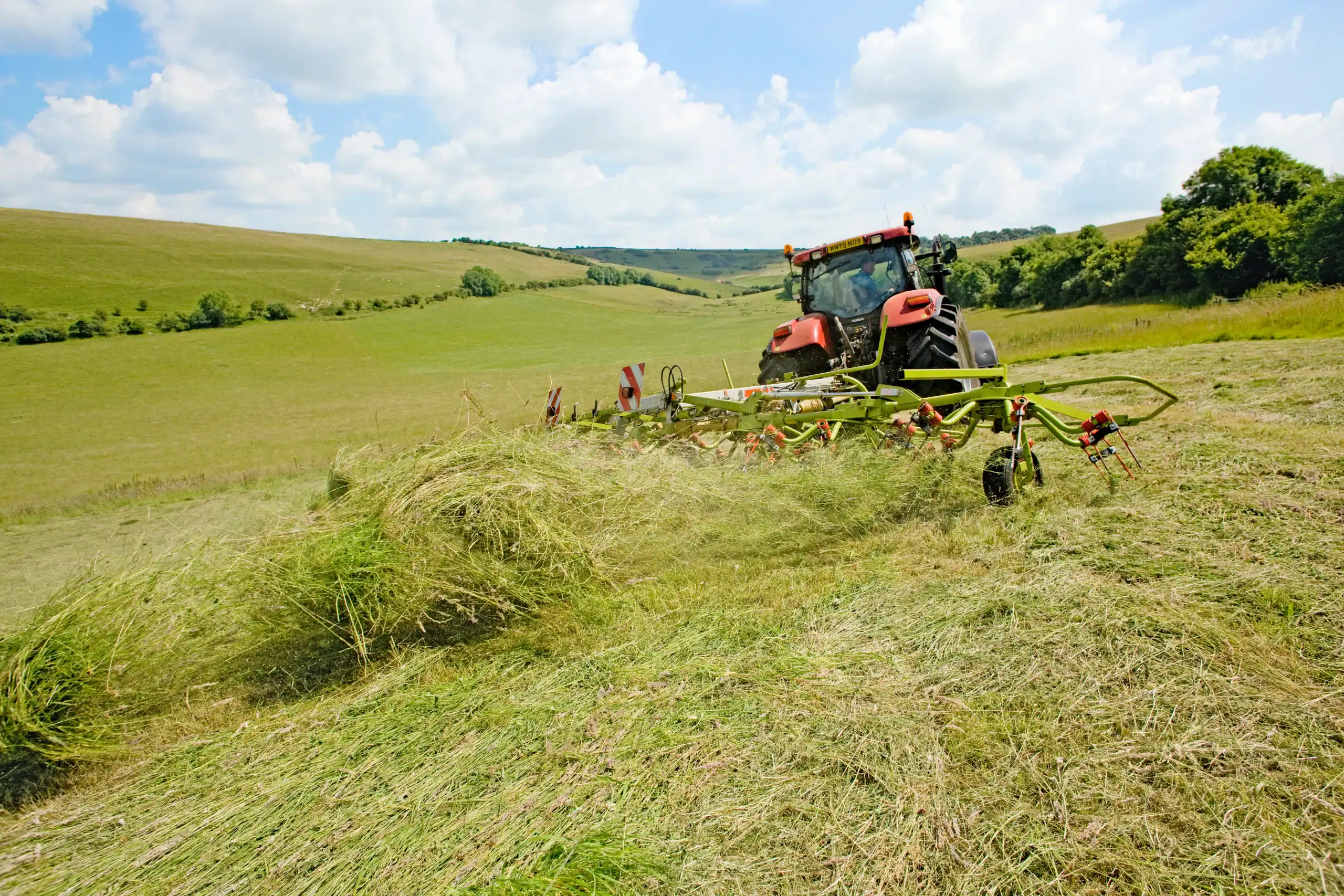
Your property looks maintained again. No more waist-high grass hiding ticks and snakes. No more fire hazards from dried brush piling up near structures.
You get clear sight lines across your land. Walking your property becomes easier. If you’re prepping for construction or just want your acreage to look like you actually care for it, bush hogging gets you there without tearing up the ground.
The process leaves behind mulched vegetation that breaks down naturally. That means you’re not left with piles of debris to haul off or burn. Your soil stays healthy, erosion risk drops, and the land is ready for whatever comes next—whether that’s planting, building, or just keeping it neat through the season.
This matters in Sharps, where properties sit on larger lots and the Rappahannock River area sees heavy rainfall. Overgrown land doesn’t just look bad. It holds water poorly, attracts pests, and becomes a liability during dry months when fire risk climbs.
We’ve been operating in the Northern Neck for over two decades. We’re not new to Sharps or Richmond County. We know the terrain, the soil conditions, and what property owners around here actually need.
Most of our work comes from repeat clients or referrals. That happens when you show up on time, do the job right, and don’t leave a mess behind.
We’re licensed, insured, and equipped to handle residential lots, commercial sites, and larger acreage. If your property is overgrown and you need it cleared without bringing in a bulldozer, we’ve done it hundreds of times. You’re not explaining your situation to someone who just bought a bush hog last month.
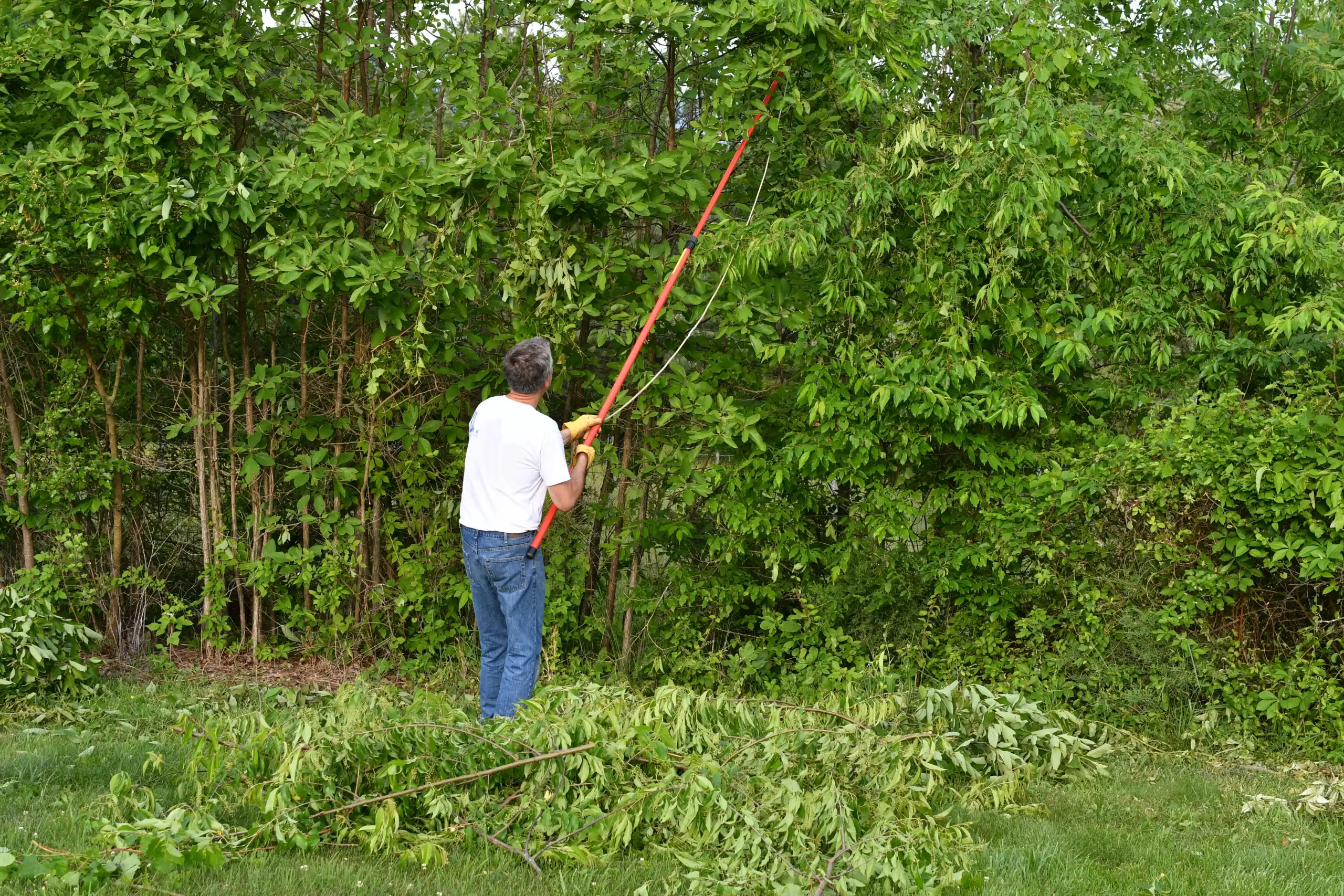
First, we look at your property. That means understanding what you’re dealing with—thick brush, saplings, tall grass, or a mix. We also check for obstacles like stumps, rocks, or low spots that need attention.
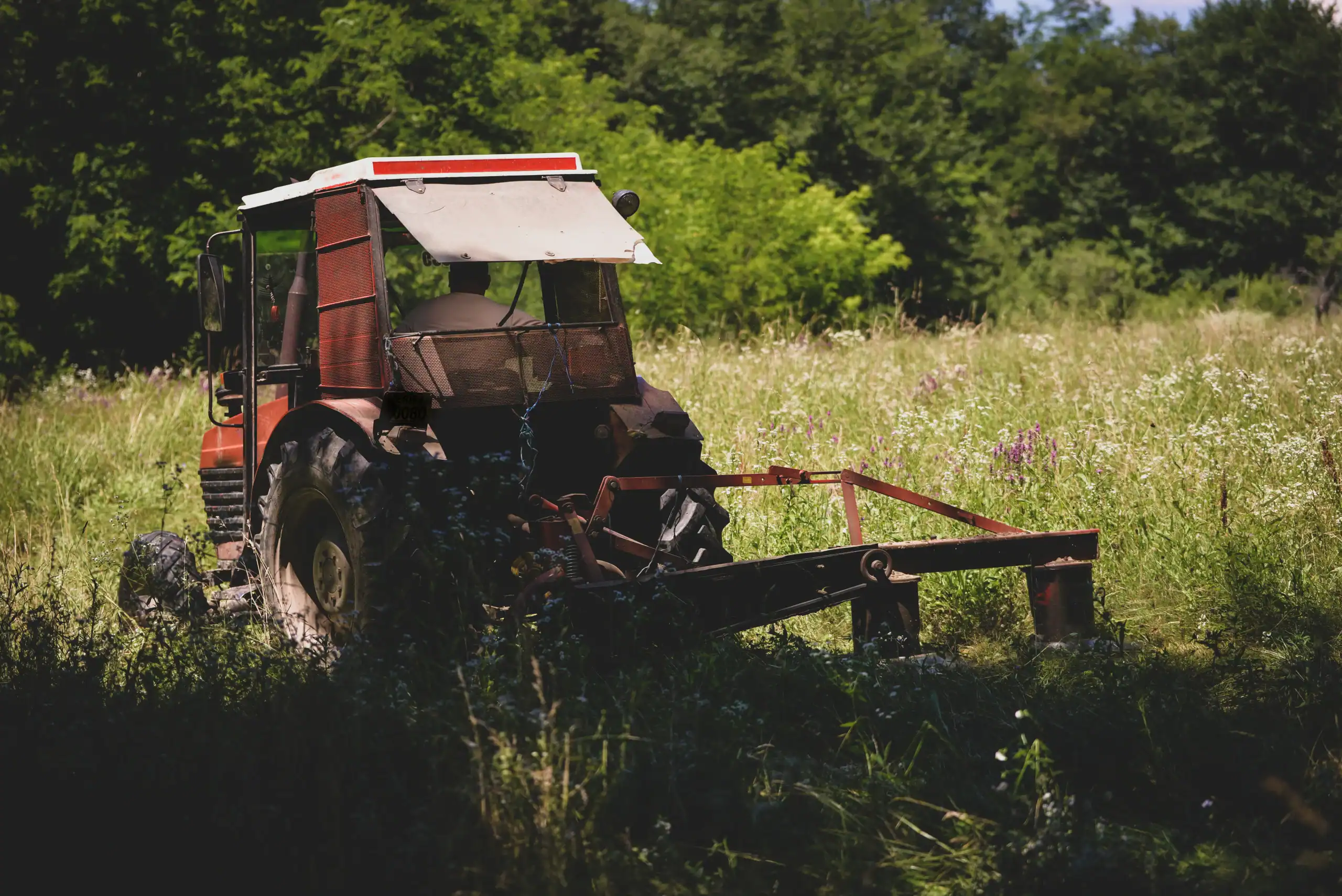
Once we know the scope, we bring in the right equipment. Our bush hog attachments are built to handle dense vegetation without scalping your soil or leaving ruts. We cut everything down to a manageable height, mulching it in place as we go.
The mulched material stays on the ground. It breaks down over time and actually helps your soil instead of creating a debris problem. If you need follow-up grading or gravel work after clearing, we handle that too.
Most residential lots take a few hours. Larger properties or heavily overgrown areas take longer, but we’ll give you a realistic timeline upfront. We don’t rush through and leave half-cut patches or missed sections. When we’re done, your land is cleared, level, and ready for use.
You’ll also know the cost before we start. We base pricing on acreage and conditions, not surprise fees after the fact.
Ready to get started?
You get full-property brush hogging with commercial-grade equipment. That includes cutting through tall grass, dense brush, small trees, and overgrown vegetation that standard mowers can’t touch.
We clear your land without disturbing the topsoil. This is critical in Sharps, where properties near the Rappahannock River deal with erosion concerns and stormwater runoff. Keeping your soil structure intact means better drainage and less long-term damage.
Fire hazard reduction is part of the process. Dried brush and tall grass are fuel sources during dry months. Clearing them reduces risk, especially if your property sits near wooded areas or has structures that need defensible space.
Pest habitat gets eliminated too. Overgrown fields are where ticks, snakes, and rodents thrive. Once the vegetation is cut back, those populations drop significantly. You’ll notice the difference when you’re walking your property or letting kids and pets roam.
We also handle follow-up services if you need them—gravel driveway repair, grading, or seasonal maintenance to keep your land clear year-round. Many clients in the Northern Neck schedule bush hogging twice a year to stay ahead of growth, especially during wet seasons when vegetation comes back fast.
Pricing typically runs between $100 and $250 per acre depending on how thick the vegetation is and what kind of obstacles we’re working around. Open fields with tall grass cost less than heavily wooded areas with saplings and dense brush.
We also factor in access. If your property is easy to reach and relatively flat, that keeps costs down. Steep terrain, wet ground, or properties with a lot of rocks and stumps take more time and careful maneuvering.
Most jobs have a minimum charge to cover equipment transport and setup. For smaller lots under an acre, expect a flat rate rather than per-acre pricing. We’ll walk your property and give you a clear quote before any work starts—no surprises after the fact.
Bush hogging uses a rotary cutter to mow down tall grass, brush, and small trees. It’s fast, cost-effective, and works well for maintaining open land or clearing overgrown fields. The cut vegetation gets mulched in place, but stumps and roots stay in the ground.
Forestry mulching uses a different machine that grinds everything—trees, stumps, roots, and brush—into fine mulch. It’s more aggressive and leaves a cleaner finish, but it costs more and takes longer. You’d use forestry mulching if you’re clearing wooded areas for construction or creating trails.
For most residential properties in Sharps, bush hogging is the right call. It handles overgrown grass and brush without the expense of full mulching. If you’re dealing with dense woods or need stumps removed, then forestry mulching makes sense. We can walk you through which option fits your situation.
Late spring through early fall is ideal. Vegetation is actively growing, and the ground is usually dry enough for equipment to move without causing ruts or compaction. Most property owners in the Northern Neck schedule bush hogging in late June or July.
You can bush hog outside that window, but wet ground in early spring makes access harder. Equipment can sink or tear up your land if the soil is saturated. Late fall works if you’re trying to knock down dried vegetation before winter, but growth has usually slowed by then.
If fire risk is a concern, clearing in late spring or early summer reduces fuel load before the driest months. If you’re prepping land for construction, timing depends on your project schedule. We can work year-round as long as ground conditions allow safe equipment operation.
No. Bush hogging is designed to cut vegetation without disturbing the soil underneath. The rotary cutter stays above ground level, so your topsoil, root systems, and soil structure remain intact. This is different from bulldozing or grading, which strips everything down to bare dirt.
The grass and plants you cut will grow back. Bush hogging is a maintenance tool, not a permanent clearing method. If your goal is to keep land open and manageable, you’ll need to bush hog periodically as vegetation regrows. Most properties need clearing once or twice a year depending on growth rates.
The mulched material left behind actually benefits your soil. It breaks down over time, adding organic matter and helping with moisture retention. You won’t see bare patches or erosion issues after bush hogging—just a cleaner, more manageable property.
Yes, but it requires careful operation. We maneuver around trees, fence lines, and structures to avoid damage. The bush hog can get close, but there’s usually a buffer zone where we can’t reach without risking impact. For those areas, trimming by hand or with smaller equipment is the safer approach.
If your property has a lot of obstacles—old fence posts, hidden stumps, large rocks—it slows the process down and increases cost. We have to move more carefully and make more passes to avoid hitting anything. That’s why a site visit matters before quoting a job.
We’ll also let you know if something on your property needs to be moved or marked before we start. Buried utility lines, irrigation systems, or decorative landscaping near overgrown areas should be flagged so we can work around them safely.
It depends on the scope of work. Bush hogging for routine maintenance usually doesn’t require a permit. You’re cutting vegetation, not disturbing soil or altering drainage patterns. But if you’re clearing land for construction, grading, or anything that changes the property’s topography, Richmond County may require a land-disturbing permit.
Permits are typically needed when you’re moving more than 2,500 square feet of soil or preparing a site for building. The county wants to ensure erosion control measures are in place and that stormwater runoff is managed properly.
We recommend checking with Richmond County’s planning department before starting any major clearing project. They can tell you exactly what’s required based on your property and plans. For standard brush cutting and field mowing, you’re usually fine to proceed without permits.