
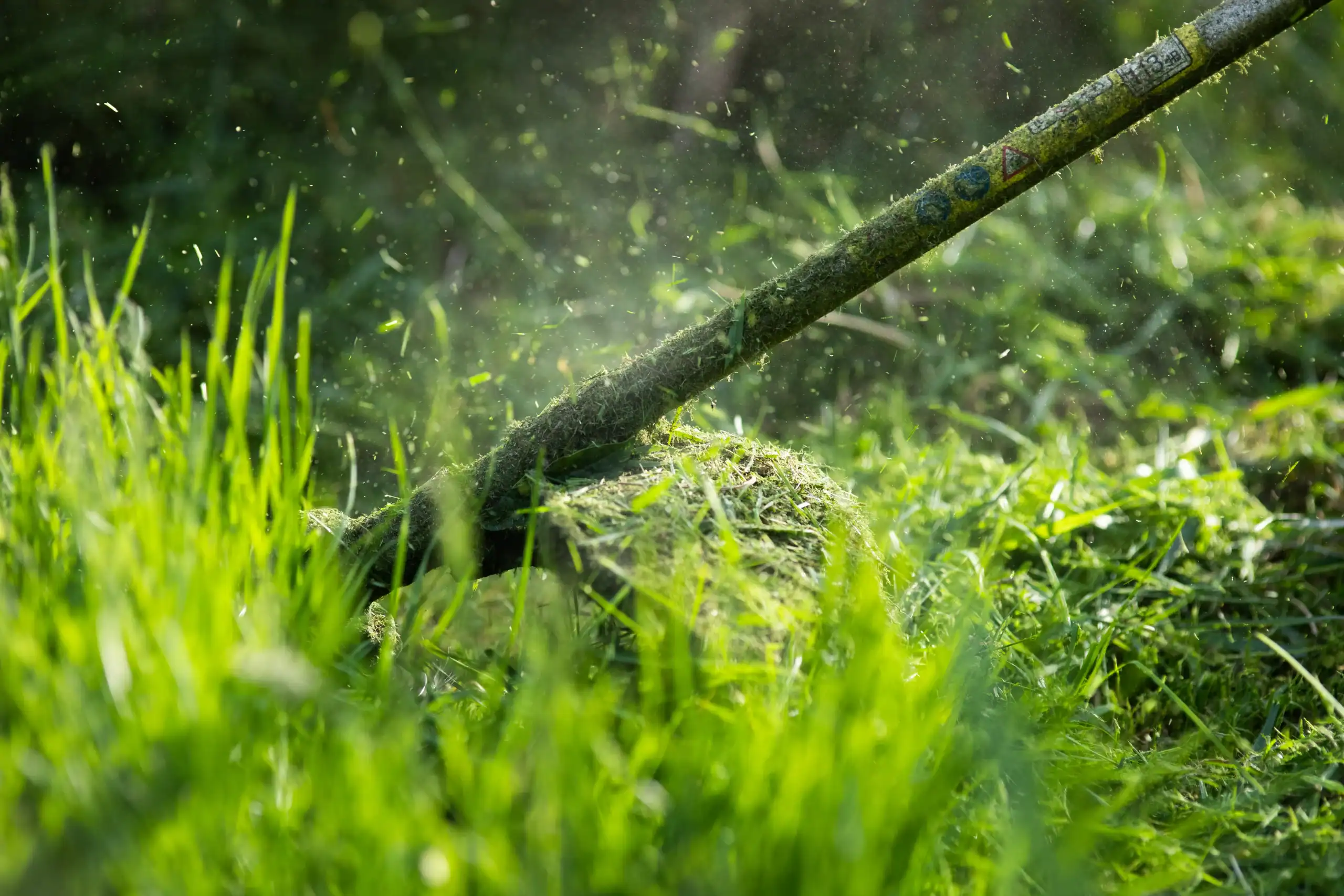
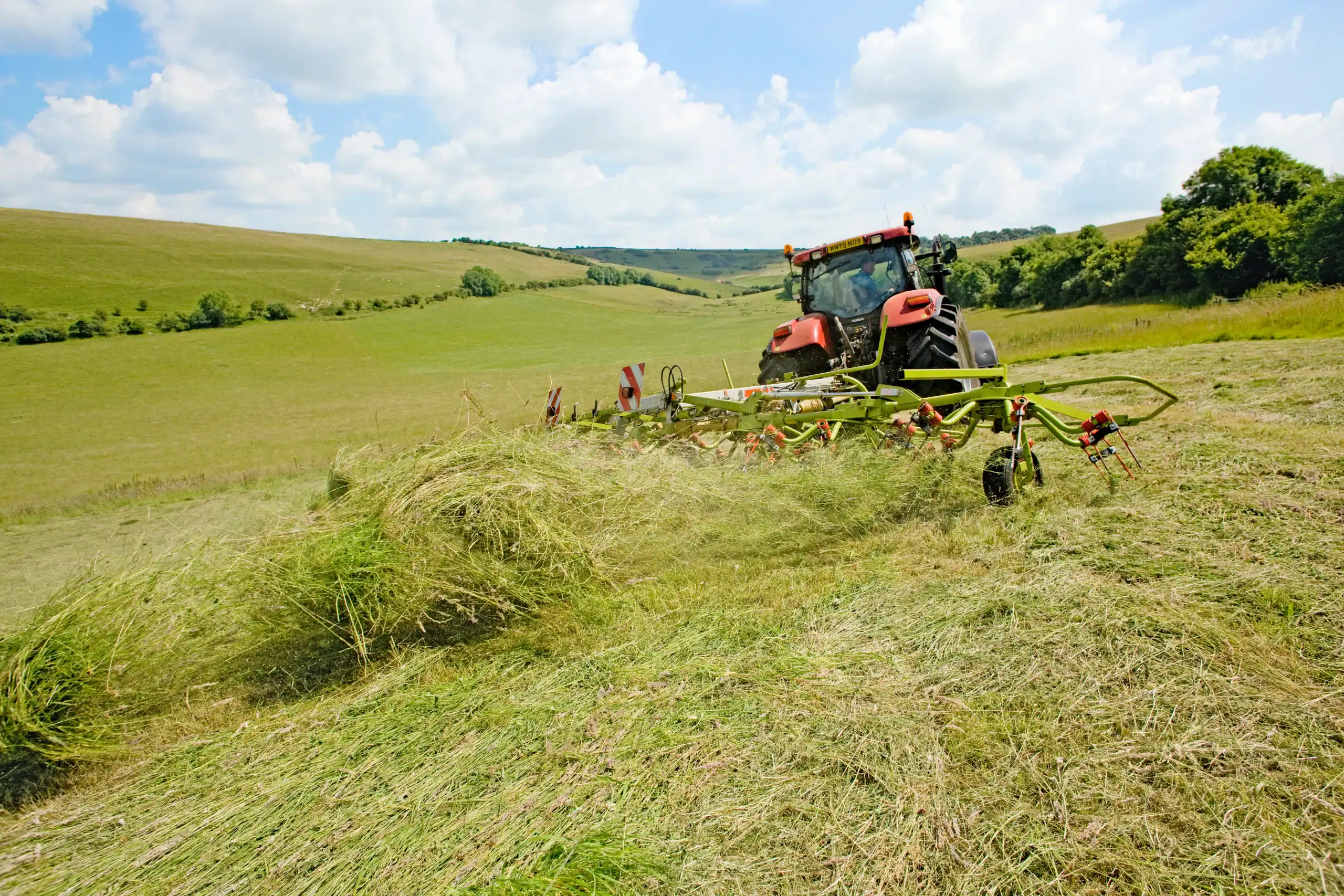
You’ve got acres that look like they’ve been forgotten. Grass taller than your waist, brush creeping in from the edges, maybe some saplings starting to take root. It’s not just an eyesore anymore—it’s becoming a real problem.
Overgrown land attracts pests. Snakes and ticks love tall grass and dense brush. If you’re in a drought-prone area, all that dry vegetation is a fire hazard waiting to happen. And if you’re thinking about selling or developing, that overgrowth is costing you money every day it sits there.
Bush hogging cuts through all of it. We’re talking about heavy rotary mowers designed to handle what a regular lawn mower can’t touch. The equipment mulches everything down to manageable height, and that mulch actually feeds your soil instead of stripping it bare like some clearing methods do.
Your land becomes usable again. Safer. Better looking. And if you’ve been putting it off because you thought it would tear up your property, bush hogging leaves the topsoil intact while clearing the mess on top.
We’ve spent over two decades working in Urbanna, VA and across the four-county Northern Neck region. We know this terrain—the soil composition, the vegetation types, the way properties drain after heavy rain.
This area is losing farmland and forest to development at about 2,000 acres per week across Virginia. Property values are climbing. That means your land matters more now than it did five years ago, and how it looks directly impacts what it’s worth.
We’re not a crew that shows up, runs equipment, and disappears. We’re insured, we follow local regulations, and we keep you informed throughout the job. You’ll know what’s happening and when it’ll be done.
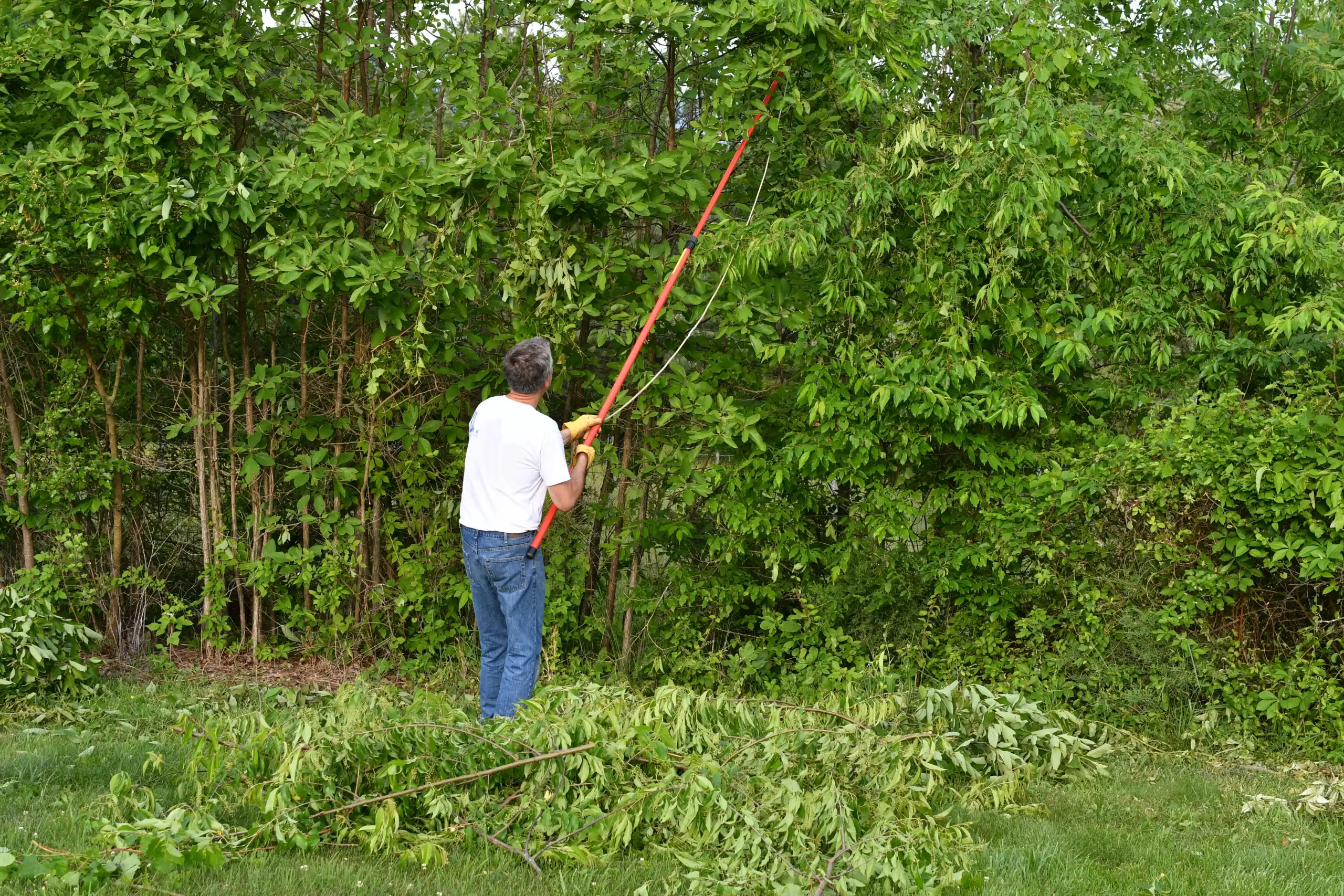
First, we walk your property. You show us what needs clearing, we identify any obstacles or areas that need special attention, and we give you a clear picture of what the job involves. No surprises.
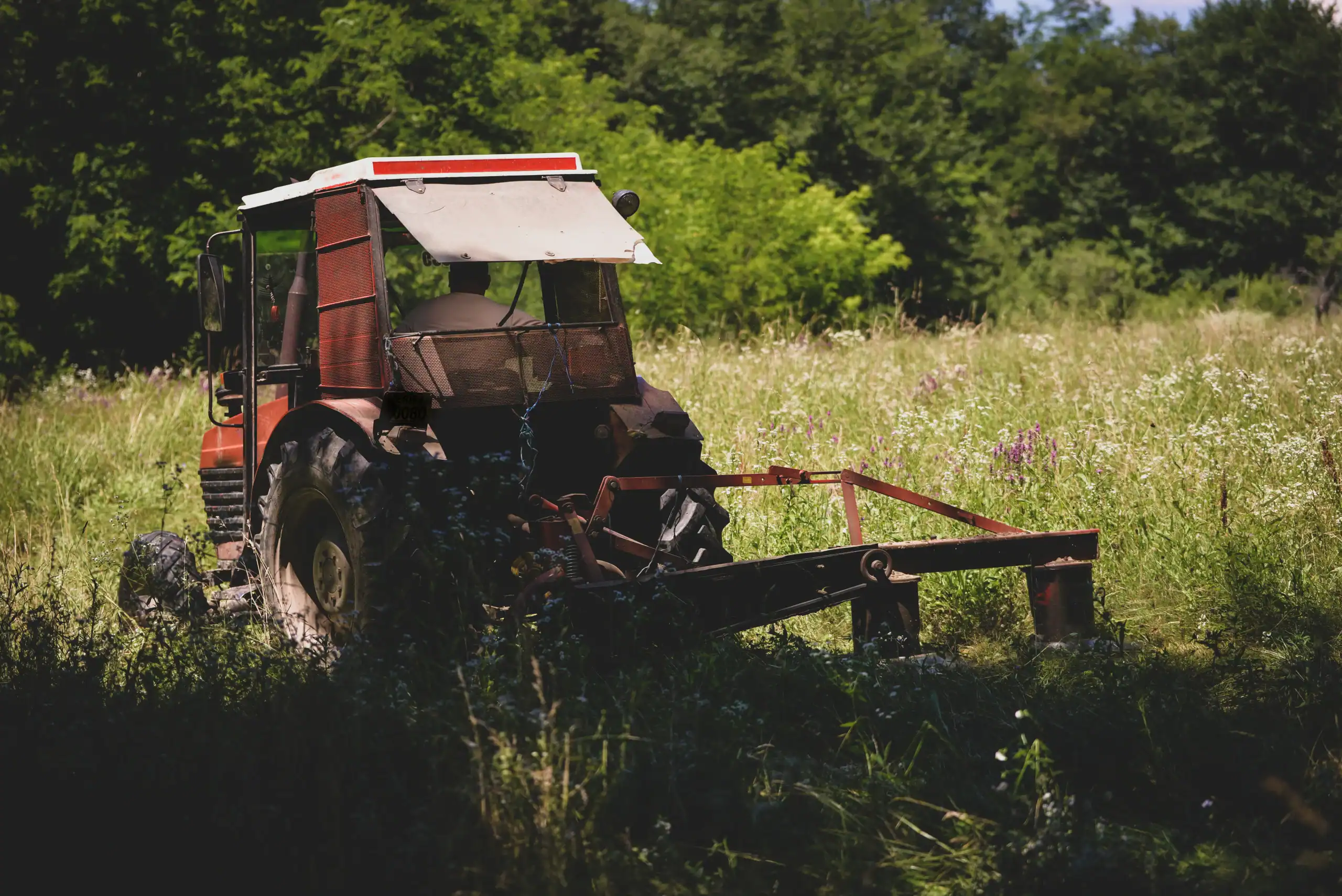
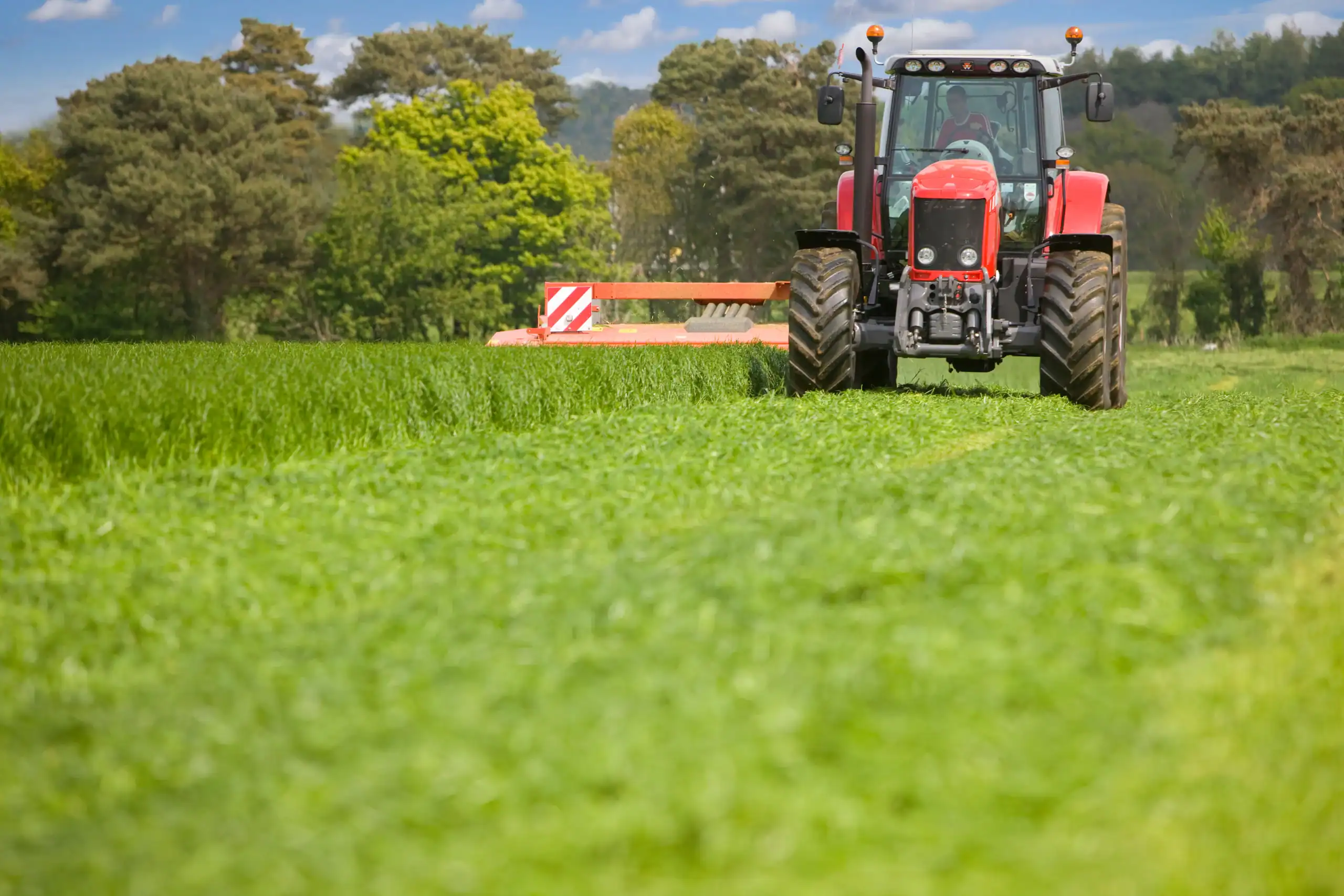
Then we bring in the equipment. We use heavy-duty rotary cutters—usually a 6-foot bush hog attached to a tractor—that can handle brush up to several inches thick. The mower cuts and mulches in one pass, chopping everything down and spreading it across the ground.
The mulch layer breaks down over time and feeds nutrients back into your soil. It’s better for the land than scraping everything bare, and it helps prevent erosion while new growth establishes itself.
We work systematically across the property, making multiple passes if needed to get everything down to the height you want. Once we’re done, we do a final walkthrough with you to make sure the job meets your expectations. If there are regulations involved—permits, wetland considerations, tree removal restrictions—we handle that before we start, not after.
Ready to get started?
This isn’t just mowing. You’re getting commercial-grade equipment operated by people who’ve been doing this for years. That means we can handle steep slopes, uneven terrain, and vegetation thick enough that you’d need a chainsaw to walk through it.
We clear pastures that haven’t been maintained in years. We open up wooded edges that are encroaching on usable land. We prepare lots for construction or sale by making them look like someone actually cares about the property.
In Urbanna and the Northern Neck, a lot of properties sit near water or in areas with specific environmental regulations. We know which counties require permits for land clearing and when you need one. Lancaster, Northumberland, Richmond, and Westmoreland counties all have different rules, and we’ve worked in all of them.
You also get fire risk reduction. Virginia’s been seeing more drought conditions, and dry brush is fuel. Bush hogging removes that fuel and creates defensible space around structures. Some insurance companies recognize that and adjust premiums accordingly.
The work gets done efficiently because we’re not learning on your property. We’ve cleared hundreds of acres across this region. We know how long jobs take, what equipment works best for different conditions, and how to avoid tearing up your land while we’re clearing it.
Most bush hogging in this area runs between $60 and $250 per acre, depending on what we’re cutting through. Open pasture with grass and light brush sits on the lower end. Dense undergrowth with saplings, vines, and thick vegetation costs more because it takes longer and puts more wear on equipment.
Some contractors charge by the hour instead of by the acre—usually $85 to $120 per hour for a tractor with a 6-foot cutter. That makes sense for smaller jobs or properties where the terrain makes it hard to estimate acreage accurately.
We’ll give you a clear quote after we see your property. The price depends on how overgrown it is, how accessible it is for equipment, and whether there are obstacles like stumps, rocks, or ditches that slow things down.
Bush hogging uses a rotary mower to cut vegetation down and mulch it in place. It’s fast and cost-effective for large open areas with grass, brush, and small saplings. The equipment leaves the topsoil intact and spreads mulch across the ground.
Forestry mulching uses a different machine—a dedicated mulcher that grinds up larger trees, stumps, and heavy brush into fine mulch. It’s better for heavily wooded areas or when you need to clear larger trees without hauling them off-site. It’s also more expensive.
For most overgrown fields and pastures in Urbanna, bush hogging is the right tool. If you’ve got thick woods that need clearing or trees over a few inches in diameter, forestry mulching might make more sense. We can walk your property and tell you which approach fits your situation and budget.
Summer is ideal. The longer daylight hours mean we can get more done in a day, and the vegetation is actively growing, which makes the mulch byproduct more nutrient-dense for your soil.
That said, we bush hog year-round depending on what you need. Late spring through early fall is the busiest season because that’s when overgrowth is most noticeable and when property owners are preparing land for use or sale.
If you’re clearing for fire mitigation, earlier in the season is better—before everything dries out completely. If you’re preparing a lot for construction or sale, timing depends more on your project schedule than the calendar. Just keep in mind that wet conditions can make some terrain inaccessible for heavy equipment, so we might need to wait for the ground to dry out after heavy rain.
It depends on what you’re clearing and where it’s located. Many counties in the Northern Neck require permits if you’re removing trees, working near wetlands, or doing any grading or earth-moving as part of the clearing.
Middlesex County, where Urbanna sits, has regulations around land disturbance and tree removal. If your property includes wetlands, streams, or Resource Protection Areas near the water, additional permits and restrictions apply. The Chesapeake Bay Preservation Act affects a lot of properties in this region.
We handle this kind of thing regularly. Before we start any job, we make sure we know what’s required and whether permits are needed. If they are, we can help you navigate that process or point you to the right county office. The last thing you want is to clear your land and then find out you needed approval first.
No. Bush hogging is designed to cut vegetation at the surface without disturbing the soil underneath. The mower deck rides above the ground, and the blades slice through stems and stalks rather than scraping or digging.
The grass and plant roots stay in place, which prevents erosion and helps new growth come back faster. The mulch layer we leave behind actually improves soil conditions over time as it breaks down and adds organic matter.
This is different from land clearing methods that scrape topsoil or use heavy grading equipment. Those approaches strip the ground bare and can cause erosion problems, especially on slopes. Bush hogging keeps your soil structure intact while removing the overgrowth on top. If you want the land to stay productive—whether that’s for pasture, future planting, or just keeping it maintained—this method protects the foundation you’re working with.
Yes. We work around obstacles all the time—trees you want to keep, ponds, fences, utility boxes, rock outcroppings, whatever’s on your property. The equipment is maneuverable enough to get close without damaging what you want to protect.
Before we start, we walk the property with you and identify anything that needs to stay untouched. We mark those areas if needed and plan our passes accordingly. Experienced operators know how to navigate around obstacles without leaving strips of uncut vegetation or tearing up the ground.
Some properties have terrain that makes certain areas inaccessible for a tractor and bush hog—steep banks, deep ditches, very wet ground. In those cases, we’ll let you know upfront what we can and can’t reach with the equipment. If those areas still need clearing, we can discuss alternative methods or whether it makes sense to leave them as-is for erosion control or wildlife habitat.