
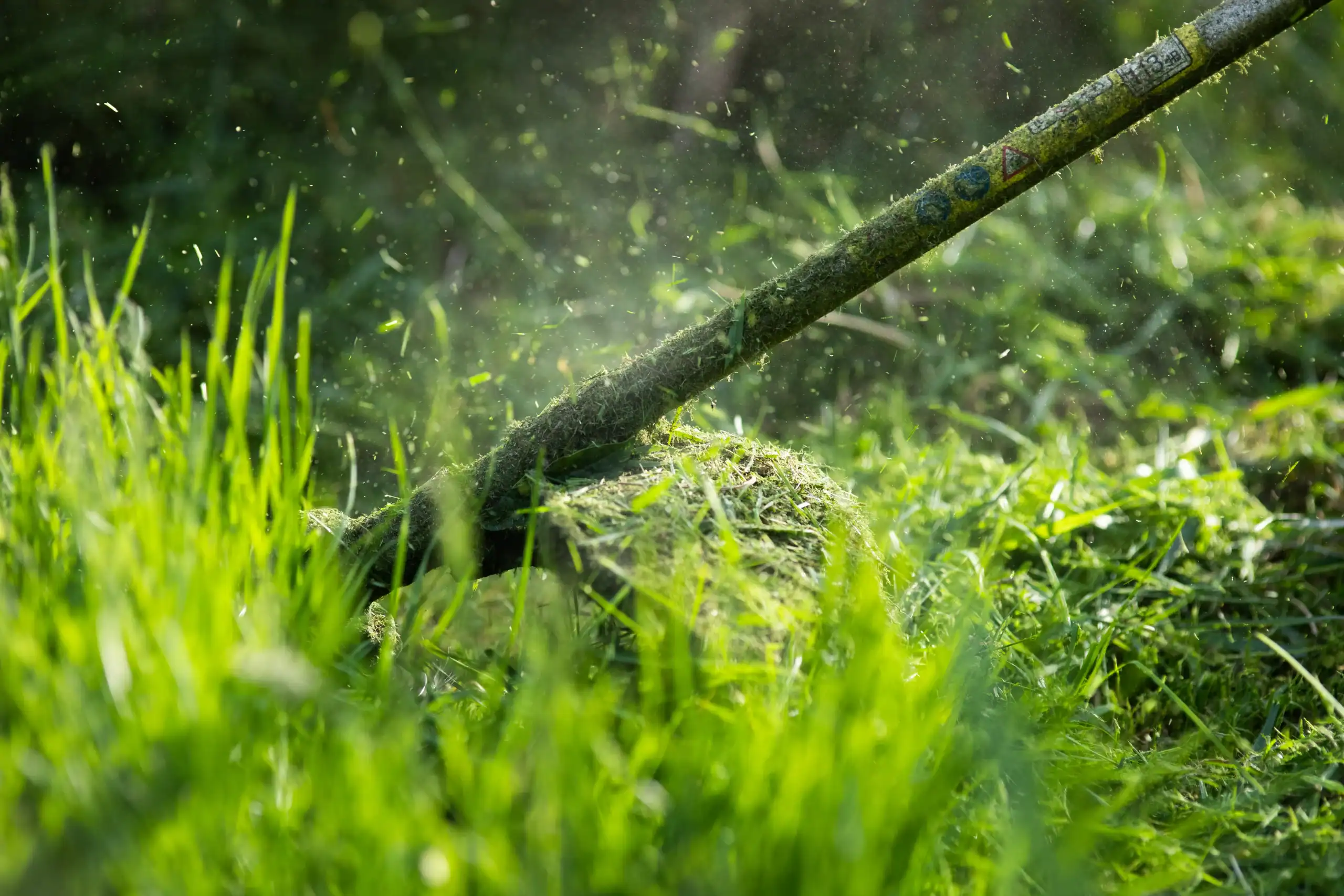
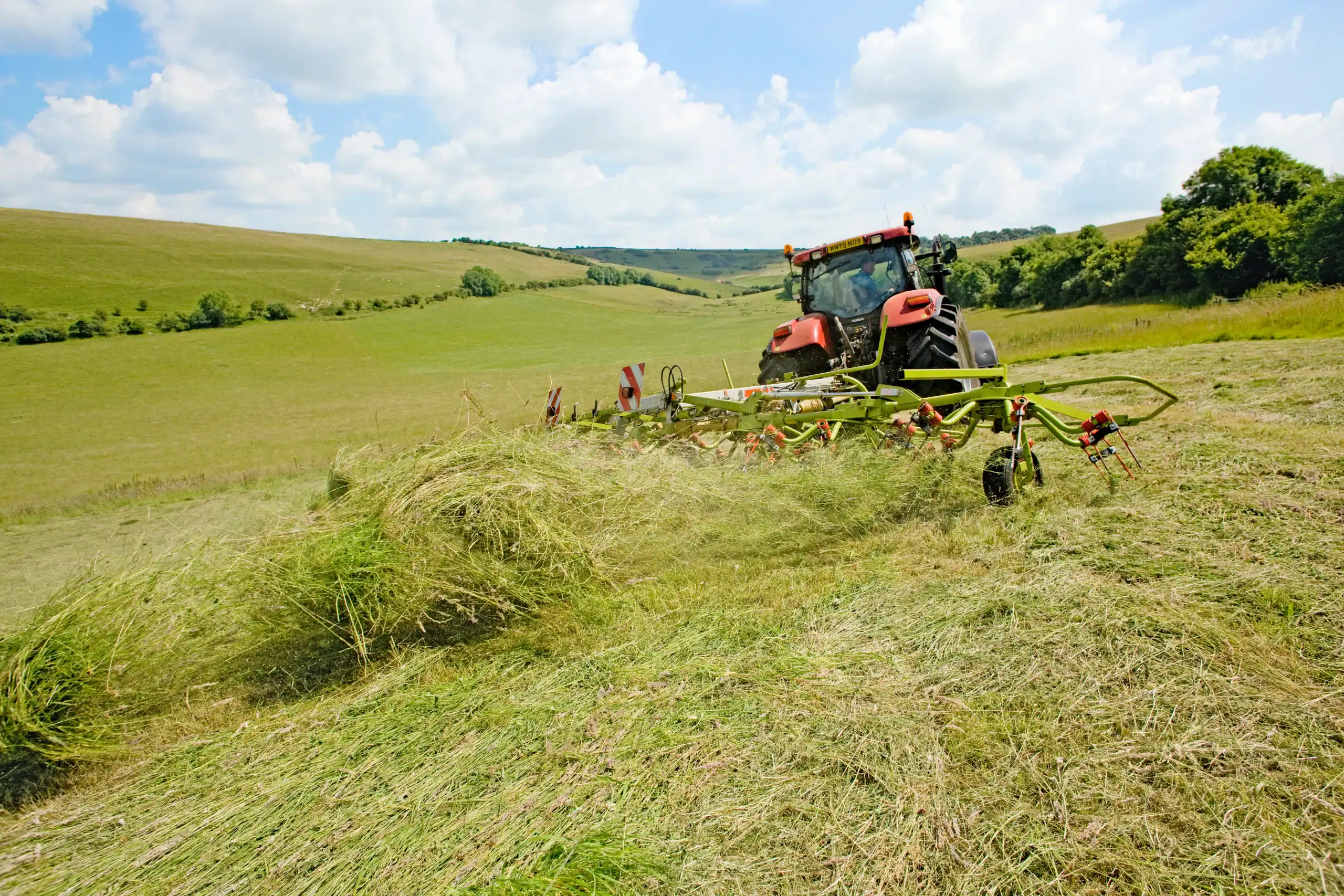
You’ll have usable land again. Not just mowed—actually cleared and ready for whatever comes next.
Whether you’re dealing with fields that got away from you, brush that’s crept too close to structures, or acreage you need prepped for farming or development, bush hogging cuts through it without tearing up the ground underneath. The roots stay put, the soil stays stable, and you’re left with mulched material that breaks down naturally instead of piles you need to haul off.
You also get rid of the stuff that comes with overgrowth—tick habitat, snake cover, fire risk. Your property becomes safer, more accessible, and frankly, a lot easier to manage going forward. If you’ve been putting this off because it feels overwhelming, it’s usually a one- or two-day job depending on acreage and density.
R.E. Douglas Company Inc is a locally owned land clearing contractor serving the Northern Neck and Middle Peninsula. We’re licensed, insured, and equipped to handle residential and commercial properties across rural Virginia.
Most of our work comes from repeat clients or referrals, which tells you something. We show up when we say we will, we don’t leave a mess, and we don’t try to upsell you on things you don’t need.
Loretto and the surrounding Essex County area is mostly agricultural and residential acreage—exactly the kind of terrain we work in daily. We understand the land here, the vegetation patterns, and what property owners are actually trying to accomplish when they call.
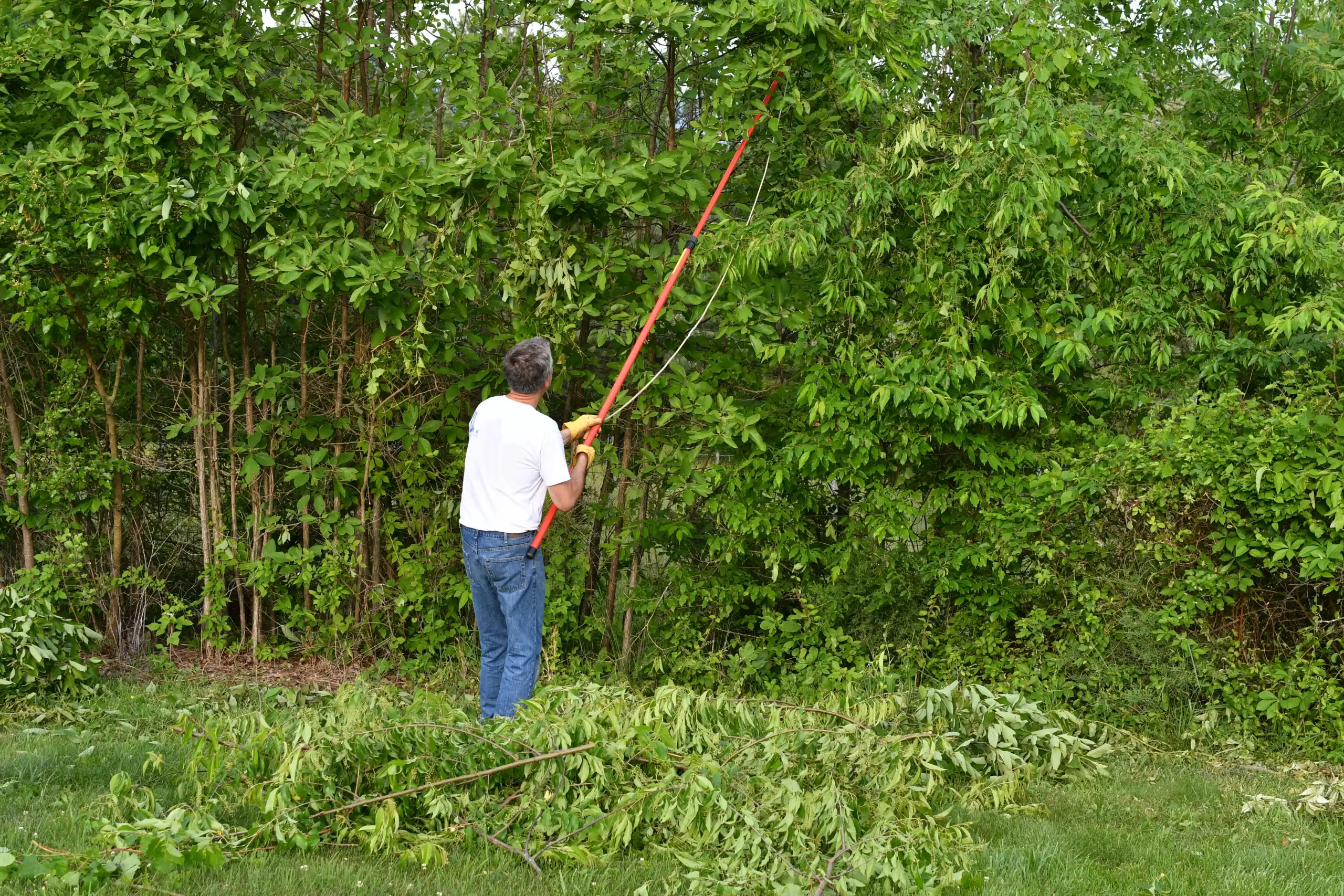
First, we’ll walk your property with you. We’re looking at density, terrain, hidden obstacles, and access points. This also gives you a chance to point out anything you want us to avoid—fence lines, septic systems, tree saplings you’re keeping, whatever matters to you.
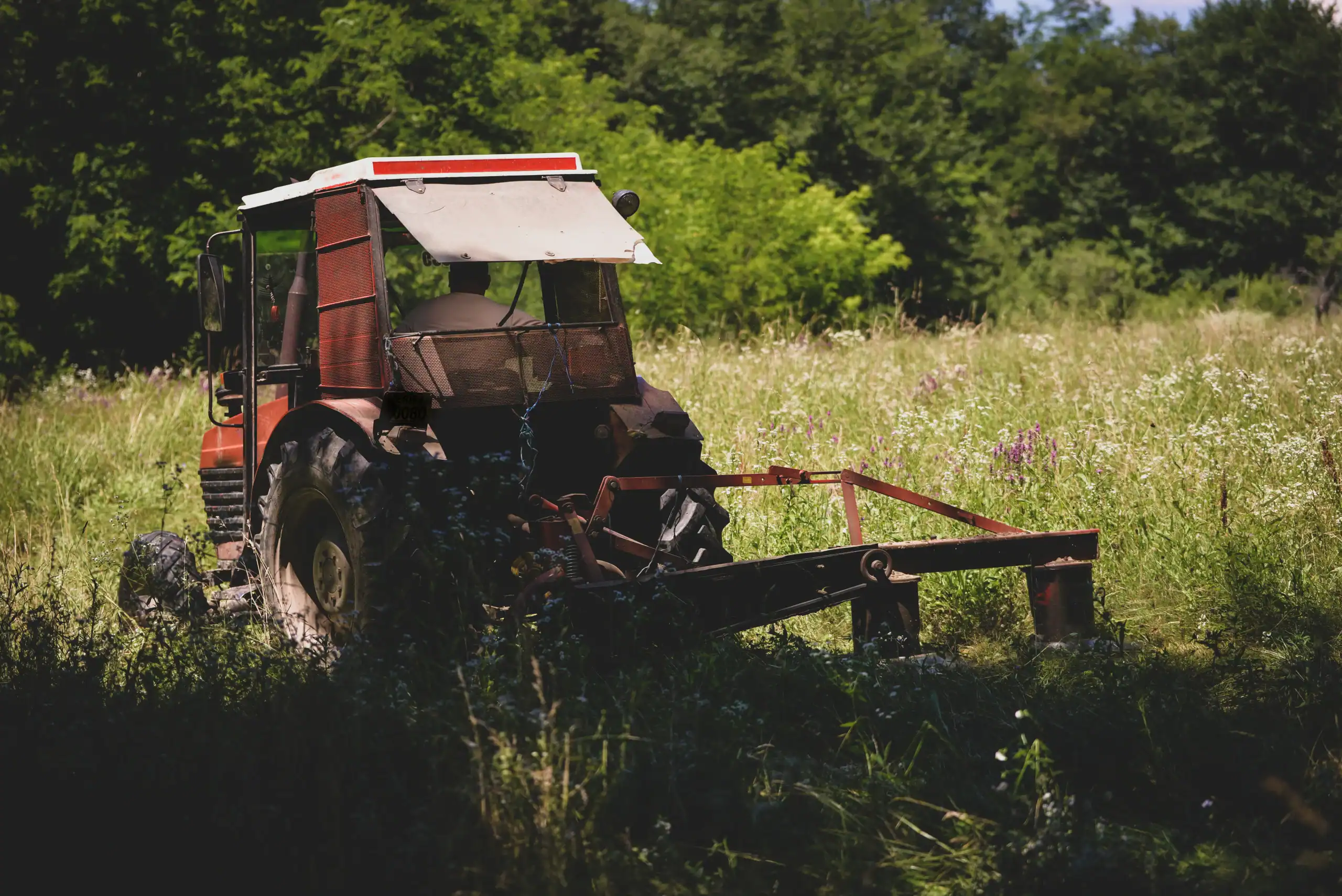
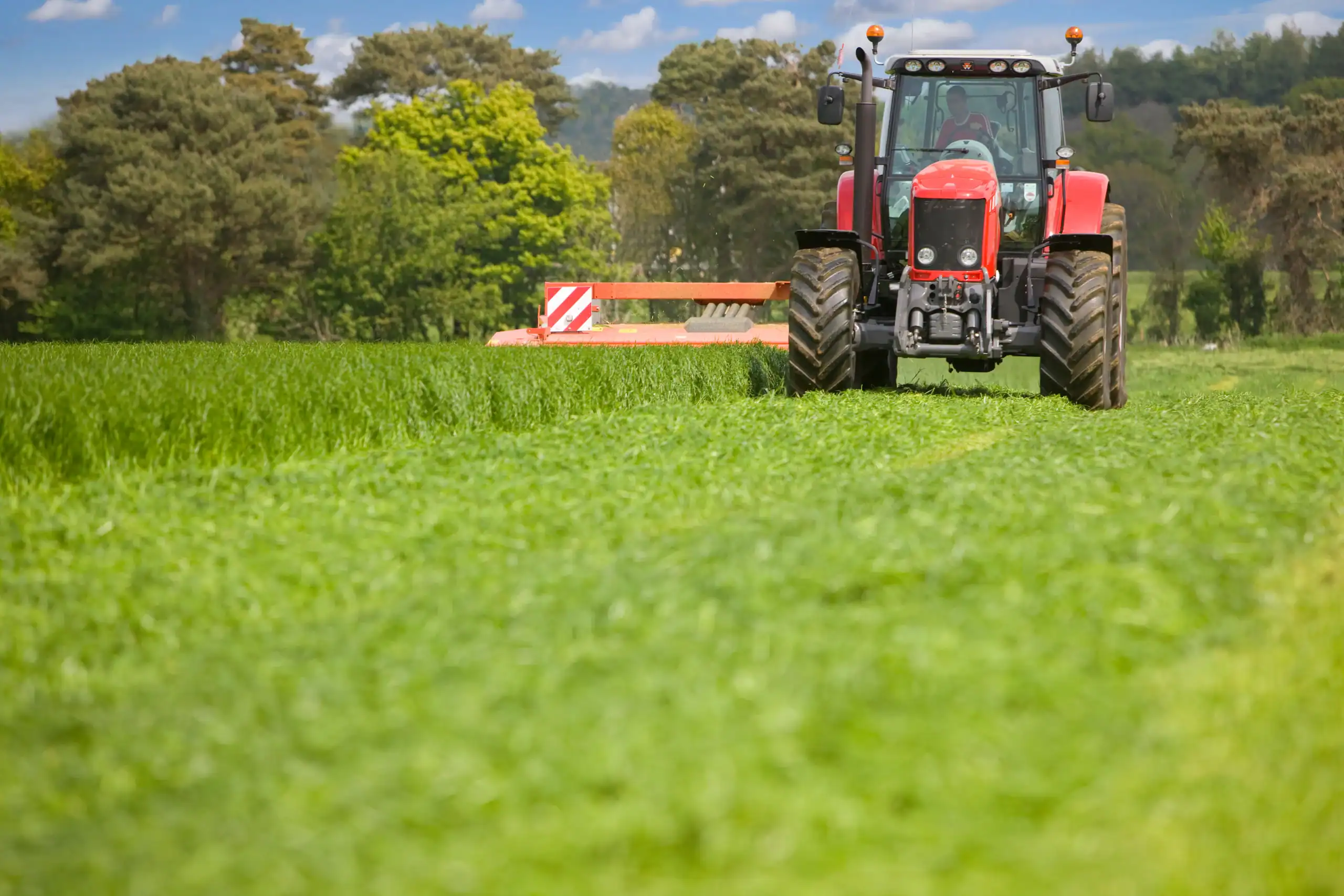
Once we agree on scope and timing, we bring in a heavy-duty tractor with a rotary cutter built for thick vegetation. We work in passes, cutting everything down to a few inches above ground. The equipment mulches as it cuts, so there’s no raking or hauling afterward—it just breaks down into the soil.
If we hit something unexpected (old wire, concrete, stumps), we slow down or work around it. That’s part of the job. When we’re done, you’ll have cleared land with even coverage and no gouges or ruts unless the ground was already compromised.
Most single-acre jobs take a few hours. Larger properties or heavily wooded areas take longer, but we’ll give you a realistic timeline up front based on what we see during the walkthrough.
Ready to get started?
You’re getting the equipment, the operator, and the experience to clear your land safely. That means a tractor with a 5- to 6-foot rotary cutter, an operator who knows how to read terrain and avoid damage, and liability coverage in case something goes sideways.
We handle tall grass mowing, brush cutting, and lot clearing across properties in Loretto, Tappahannock, and the wider Essex County area. If you’ve got fields that haven’t been touched in years, pastureland that needs maintenance, or brush encroaching on structures or roads, this is the service that handles it.
Virginia’s got over 7 million acres of farmland, and a lot of it sits in rural counties like this one where populations are aging out and land management gets deferred. That’s not a criticism—it’s just reality. But overgrown land loses value, becomes a liability, and gets harder to reclaim the longer it sits. Bush hogging stops that cycle without the cost or invasiveness of full excavation.
We also work with commercial clients—developers, municipalities, and agricultural operations that need regular field mowing or one-time land clearing before construction. Same equipment, same process, just larger scale.
Most bush hogging runs between $85 and $120 per hour depending on equipment and terrain. Per-acre pricing typically falls between $50 and $200, but that range is wide because conditions vary.
If your land is flat with light brush and easy access, you’re on the lower end. If it’s steep, rocky, heavily wooded, or full of hidden obstacles like old fence wire or stumps, it takes longer and costs more. We can usually clear one to one and a half acres per hour under normal conditions.
We’ll give you a flat quote after walking the property. No surprises, no hourly billing that drags on. You’ll know the cost before we start.
Bush hogging uses a rotary cutter to mow down vegetation and mulch it in place. It’s fast, cost-effective, and works well for fields, pastures, and light-to-moderate brush. It leaves the roots and topsoil intact.
Forestry mulching uses a different machine—a mulcher head that grinds trees, stumps, and heavy brush into fine mulch. It’s more aggressive and handles larger material, but it’s also more expensive. You’re looking at $2,000+ per acre depending on density.
For most residential and agricultural properties in Loretto, bush hogging is the right move. It’s cheaper, faster, and less invasive. Forestry mulching makes sense if you’re clearing wooded land for development or dealing with trees over 8 inches in diameter. We’ll tell you honestly which one fits your situation.
Late spring through early fall is ideal—basically May through September. That’s when vegetation is actively growing, and cutting it back prevents it from going to seed and spreading further.
If you’re managing pastureland, cutting twice a year works well: once in late spring after weeds develop seed stems, and again in late summer or early fall to keep growth in check. For one-time clearing, summer is peak season, but we can work year-round if the ground isn’t frozen or waterlogged.
Keep in mind that summer is also high-demand season. If you’re planning a project, booking a few weeks out helps ensure we can fit you in without delays. Winter and early spring are slower, so if timing is flexible, you might get scheduled faster during those months.
Not if it’s done right. Bush hogging is designed to be non-invasive—it cuts vegetation at the surface and leaves roots and soil structure intact. That’s one of the main advantages over grading or excavation.
That said, if the ground is saturated or already unstable, heavy equipment can leave ruts. We avoid working on wet ground whenever possible, and we adjust our approach based on terrain. If your property has steep slopes, rocky areas, or soft soil, we’ll talk through that during the walkthrough and let you know what to expect.
We also watch for hidden obstacles—concrete, old fence wire, stumps, debris. Hitting those can damage equipment and tear up ground, so we go slower in areas where we suspect something’s buried. Most properties come out clean with even coverage and no visible damage.
Not much. If you know where obstacles are—old fence posts, septic systems, irrigation lines, large rocks—flag them or point them out during our walkthrough. That helps us avoid them and keeps the job moving smoothly.
If there are areas you want us to avoid entirely (flower beds, young trees, garden plots), mark those too. We can work around them, but it’s easier if we know up front.
Other than that, we handle the rest. You don’t need to clear debris, mow beforehand, or move anything unless it’s in the way of access. We bring the equipment, do the work, and leave the site cleared with mulched material in place.
Yes. Overgrown grass and brush create habitat for ticks, snakes, and other pests. Cutting that vegetation back removes cover and reduces the population significantly.
Ticks thrive in tall grass and dense underbrush where they can latch onto passing animals or people. Snakes use the same areas for shelter and hunting. Bush hogging eliminates both by opening up the land and exposing it to sunlight, which most of these pests avoid.
It’s not a permanent fix—vegetation grows back, and wildlife adapts—but regular maintenance keeps the problem manageable. If you’ve got kids, pets, or livestock on the property, clearing overgrown areas is one of the most effective ways to make the space safer without chemicals or traps.