Property owners in Virginia's Northern Neck face unique challenges when selecting construction services. Here's what you need to know before breaking ground.
Share:

Summary:
Road construction and driveway installation aren’t simple paving jobs. They’re engineered systems that start below the surface.
The work begins with site assessment—understanding your soil type, drainage patterns, and how water moves across your property. Then comes excavation and grading to create a stable platform. Base preparation follows, where the right materials get compacted to specific densities. Only then does the surface layer go down, whether that’s asphalt, concrete, or gravel.
Each step depends on the one before it. Skip proper base prep, and your surface will crack within months. Ignore drainage, and you’ll have standing water that undermines everything. This is why experience in your specific area matters—what works in one county might fail in another. Construction services that understand the Northern Neck region know which materials and methods work with local soil conditions.
Here’s what separates a driveway that lasts 20 years from one that needs repair in two: the foundation you can’t see.
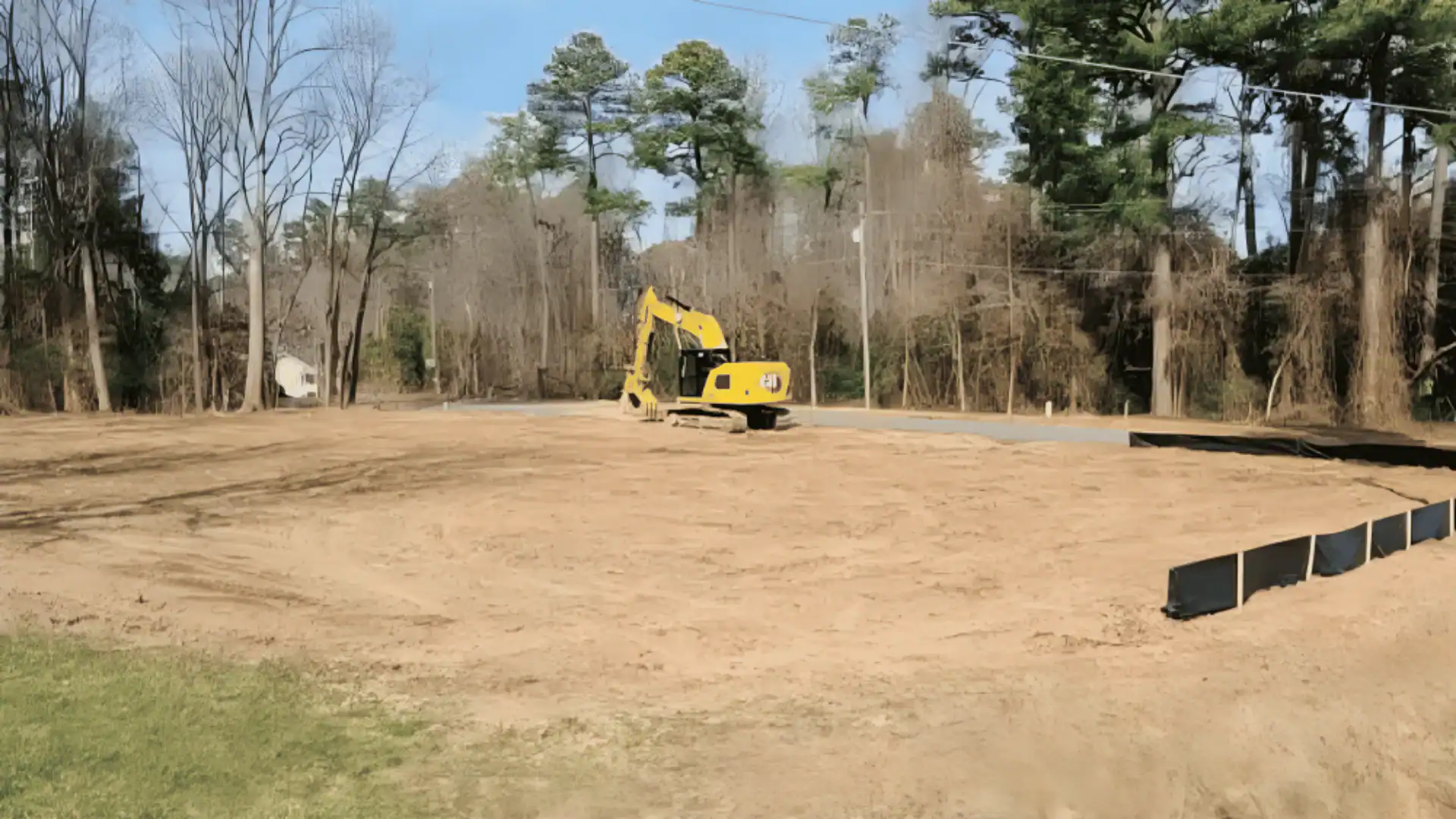
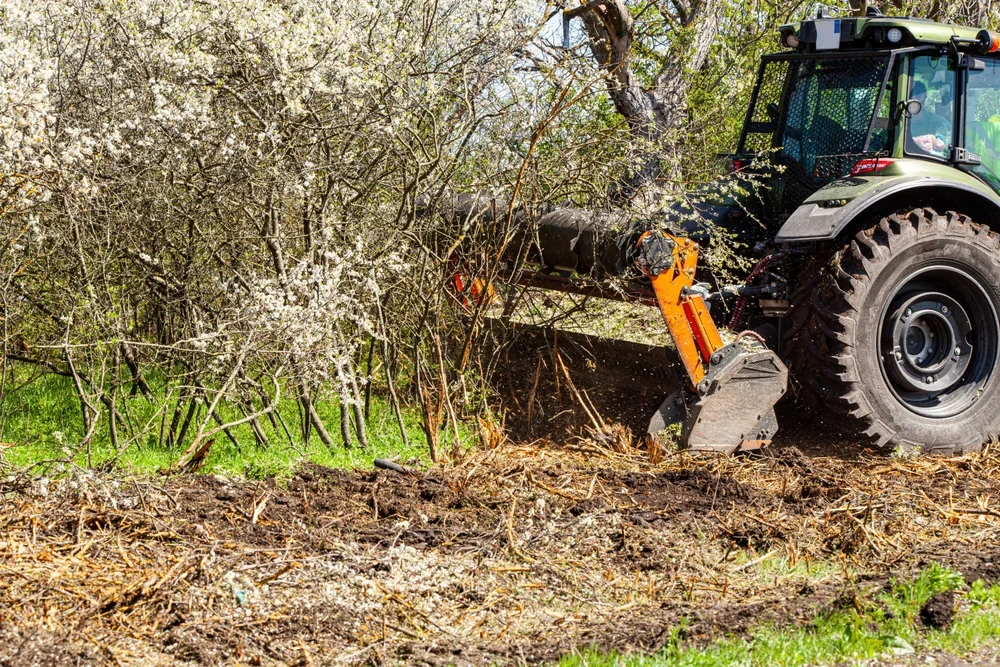
Site preparation means clearing vegetation, removing unsuitable soil, and grading to exact specifications. In the Northern Neck region, you’re often dealing with sandy soils near waterways or clay-heavy ground inland. Both present challenges. Sand shifts and settles. Clay holds water and expands when it freezes.
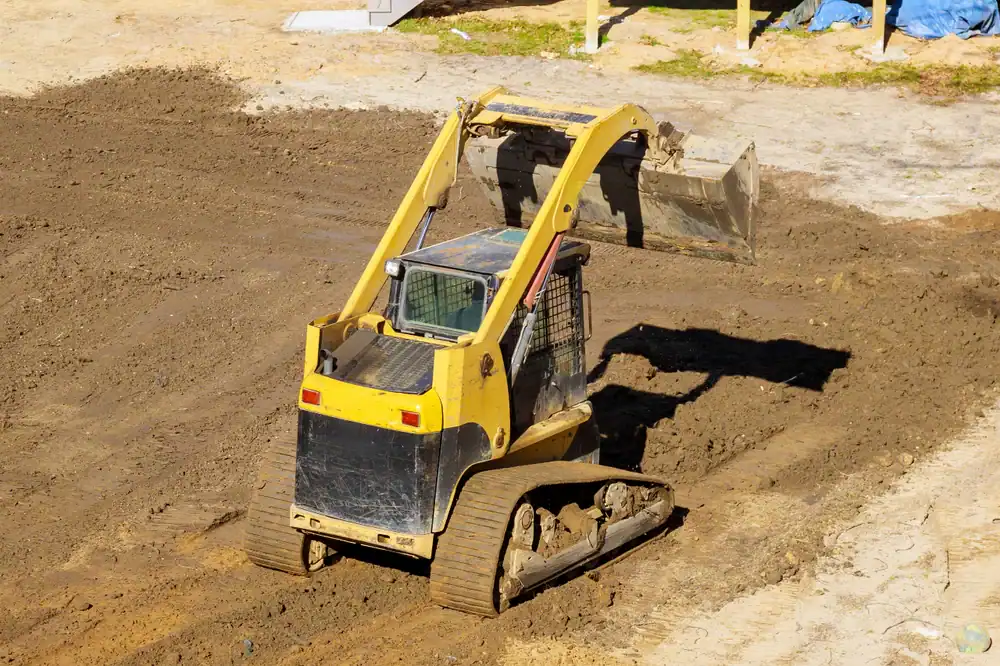
A qualified contractor tests your soil, then builds the base accordingly. That usually means excavating 6-8 inches deep, sometimes more. The subgrade gets compacted in thin layers—not all at once—to eliminate soft spots that cause settling later. Then comes the base material: crushed stone or gravel, also compacted in layers.
This is where corners get cut. Some contractors lay material too thin or skip proper compaction because it takes time and equipment. The surface looks fine at first. But six months later, you’ve got dips, cracks, and drainage problems that cost more to fix than doing it right would have cost upfront.
Proper base preparation also addresses drainage from the start. Water needs somewhere to go. That means grading with at least a 2% slope, installing culverts where needed, and planning how runoff moves across and away from your driveway. In areas with heavy rain or properties near water, this isn’t optional—it’s the difference between a driveway that functions and one that fails.
The equipment matters too. Professional compaction requires heavy machinery, not just a hand tamper. Contractors with the right tools can achieve the density specs that make bases stable. Those without them can’t, no matter how much effort they put in.
Water destroys more driveways than traffic ever will. It seeps into cracks, freezes, expands, and breaks apart materials from the inside out. It pools on surfaces and softens the base below. It erodes edges and washes away support.
Proper drainage design starts during planning, not after problems appear. Your contractor should assess where water currently flows during rain, where it collects, and where it needs to go. That assessment drives decisions about grading, slope direction, and whether you need culverts, catch basins, or other drainage structures.
In Virginia’s Northern Neck, you’re dealing with specific challenges. Properties near waterways face higher water tables. Clay soils don’t drain naturally. Heavy storms can dump significant rainfall in short periods. All of this means drainage isn’t something you figure out later—it’s engineered into the project from day one.
The grading has to be deliberate. Your driveway needs to shed water, not collect it. That means a crown in the center or a consistent slope to one side. Even flat-looking driveways need at least a quarter-inch drop per foot to move water off the surface. Edges need support so water doesn’t undercut them. Low spots need to drain to somewhere—a ditch, a swale, or a drainage system.
Culverts are common in this region, especially for longer driveways or properties with ditches. These pipes under your driveway let water flow through rather than over or around. But they have to be sized correctly for the volume of water they’ll handle. Too small, and they back up. Installed at the wrong grade, and they don’t drain. A contractor who knows local conditions understands what size and type of culvert your property needs.
Standing water is the red flag you can’t ignore. If water pools deeper than a quarter-inch and sits for more than a day or two, your drainage isn’t working. This compromises your driveway’s structure and shortens its life dramatically. Good contractors prevent this through proper planning. Poor ones leave you dealing with puddles and premature failure.
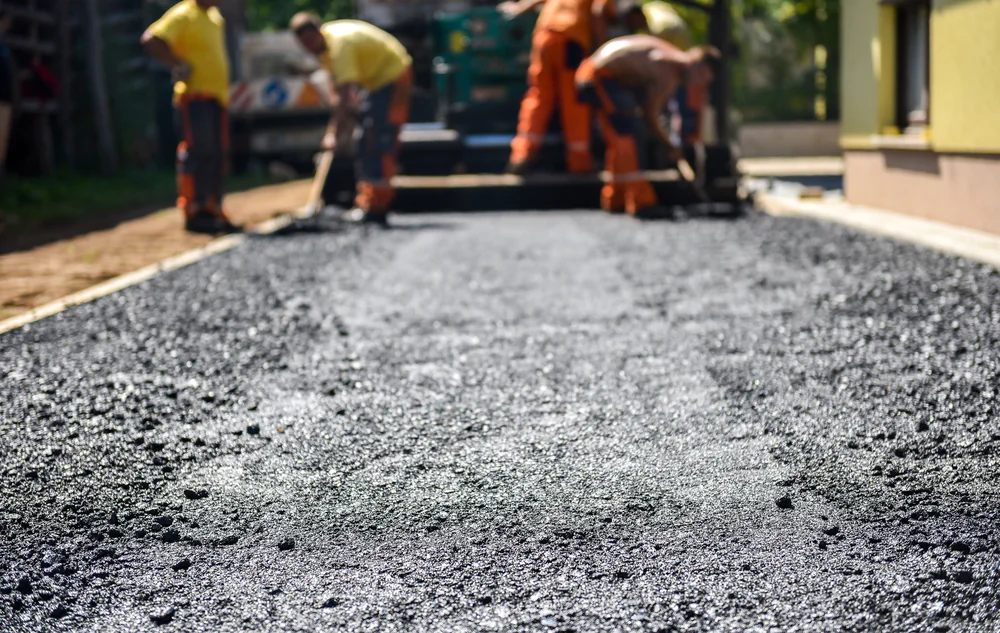
You’re not just hiring someone to move dirt and pour asphalt. You’re trusting them to understand Virginia regulations, handle your property correctly, and build something that won’t need replacing in five years.
The right contractor brings more than equipment. We bring knowledge of local soil conditions, relationships with suppliers who provide quality materials, and familiarity with VDOT requirements and county regulations. We can walk your property and spot drainage issues you haven’t noticed. We know which base materials work best in your specific location.
This is where being local matters. A contractor who’s worked in Essex, Lancaster, and Northumberland Counties understands the region’s challenges. We’ve dealt with the soil types, the weather patterns, and the regulatory requirements. We have a reputation to protect in the community where we live and work.
Start with the basics that protect you legally and financially: licensing and insurance. In Virginia, contractors working on projects over $1,000 must be licensed. You can verify this through the Virginia Department of Professional and Occupational Regulation. An active license means we’ve met experience requirements and maintain standards.
Insurance is equally important. General liability protects you if something gets damaged during construction. Workers’ compensation covers our crew if someone gets injured on your property. Ask to see current certificates, not just verbal assurances. Legitimate contractors have these documents readily available and won’t be offended by your request.
Experience matters, but not just years in business. You want experience with projects like yours in locations like yours. A contractor who’s built hundreds of driveways in urban areas might struggle with rural properties that have drainage challenges or difficult access. Ask about similar projects we’ve completed in your county. Ask for references you can actually contact.
The estimate process reveals a lot. A contractor who gives you a price over the phone without seeing your property is guessing. A thorough estimate requires a site visit. We should walk the area, ask about your goals, discuss material options, and explain our process. The written estimate should detail what’s included—excavation depth, base material type and thickness, surface specifications, drainage work, and cleanup.
Watch for red flags: contractors who pressure you to sign immediately, those who require large upfront payments before work starts, or anyone who can’t provide proof of insurance and licensing. Be wary of bids that are dramatically lower than others—they’re often cutting corners on materials, skipping crucial steps, or planning to add charges later.
Communication style matters too. You want someone who answers your questions clearly, explains technical aspects in understandable terms, and stays responsive throughout the project. If we’re hard to reach or vague during the bidding process, that won’t improve once we have your money.
If your driveway connects to a state-maintained road, VDOT has requirements you must meet. These aren’t suggestions—they’re regulations that affect whether your driveway is legal and safe.
Entrance permits are typically required when you’re creating or modifying access to a state road. The permit process ensures your driveway has adequate sight distance, proper drainage, and won’t create hazards for traffic. Your contractor should handle this process or guide you through it. If we’re not familiar with VDOT permit requirements, that’s a warning sign.
Driveway aprons—the section that transitions from the road to your property—have specific construction standards. These ensure proper drainage and prevent damage to the road. The work often requires coordination with VDOT, and it’s the property owner’s responsibility to ensure it’s done correctly.
In Northumberland County and surrounding areas, you may also need to consider subdivision regulations if your property is part of a development. Roads within subdivisions that will eventually become part of the state secondary system must meet specific construction standards. These include minimum widths, proper base depth, and adequate surface treatment. The county and VDOT both have oversight here.
Drainage easements are another consideration. If water from your property or driveway needs to cross neighboring land, or if public drainage systems run through your property, easements define who’s responsible for what. Your contractor should identify any easement issues during site assessment and plan accordingly.
Environmental regulations matter too, especially in the Northern Neck where you’re often near waterways. Resource Protection Areas, wetlands, and stream buffers have restrictions on what work you can do without permits. Disturbing these areas without proper approval can result in fines and requirements to restore the land.
A knowledgeable contractor navigates these requirements as part of our service. We know when permits are needed, what documentation VDOT requires, and how to design your project to meet all applicable standards. We build this into our timeline and budget from the start, so you’re not surprised by delays or additional costs.
The goal isn’t just to avoid violations. It’s to build something that’s legal, safe, and eligible for state maintenance if that’s part of your long-term plan. Roads that don’t meet specifications can’t be added to the state secondary system, leaving you responsible for all future maintenance and repairs.
Choosing construction services for your road or driveway comes down to finding someone who understands what your property needs and has the expertise to deliver it. That means proper site preparation, drainage design that actually works, and construction that meets Virginia’s requirements.
The contractors who last in this region are the ones who do it right—who take time for proper base prep, who engineer drainage solutions, and who stand behind their work. We’re the ones with established reputations, verifiable credentials, and a track record you can check.
Your driveway is an investment in your property. It affects your daily life, your property value, and your long-term maintenance costs. Taking time to choose the right construction service protects that investment. When you’re ready to move forward with road construction or driveway installation, R.E. Douglas Company Inc brings local expertise and comprehensive construction services to properties throughout the Northern Neck and Middle Peninsula.
Article details:
Share:
Continue learning: