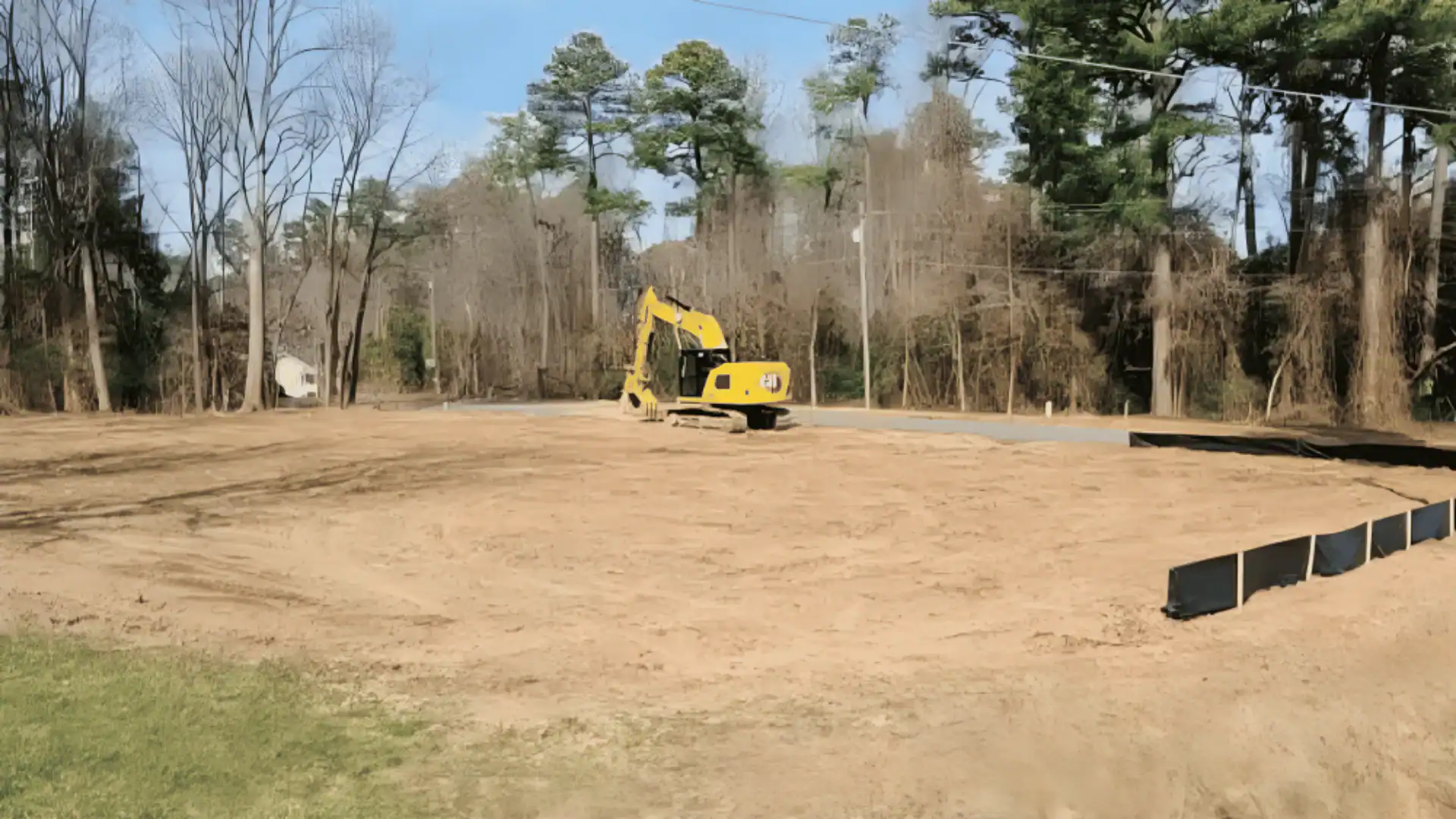
Bush hogging transforms overgrown Virginia properties into functional, attractive land while reducing fire hazards and boosting property value.
Share:
Summary:
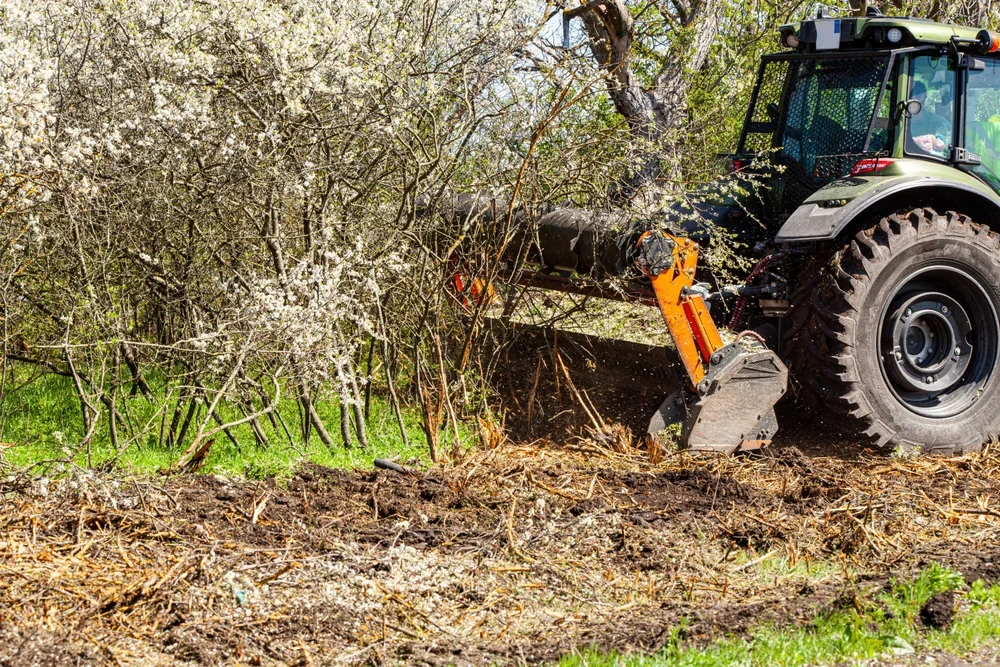
Bush hogging uses heavy-duty rotary cutters attached to tractors to cut through thick grass, brush, weeds, and small saplings. Think of it as an industrial-strength mower designed for vegetation that would destroy standard lawn equipment. The equipment handles what regular mowers can’t—dense undergrowth, tall grasses, and light woody vegetation up to a couple inches in diameter.
The process leaves behind mulched material that stays on your property. That’s not laziness—it’s actually beneficial. The shredded vegetation breaks down and returns nutrients to the soil while helping prevent erosion and suppress weed growth. Unlike bulldozing or chemical treatments, bush hogging doesn’t tear up your topsoil or damage the land’s structure.
Most property owners in the Northern Neck and Middle Peninsula use bush hogging for regular maintenance on large acreage, clearing overgrown fields, managing pastures, or preparing land before more intensive work. It’s the middle ground between regular mowing and full land clearing.
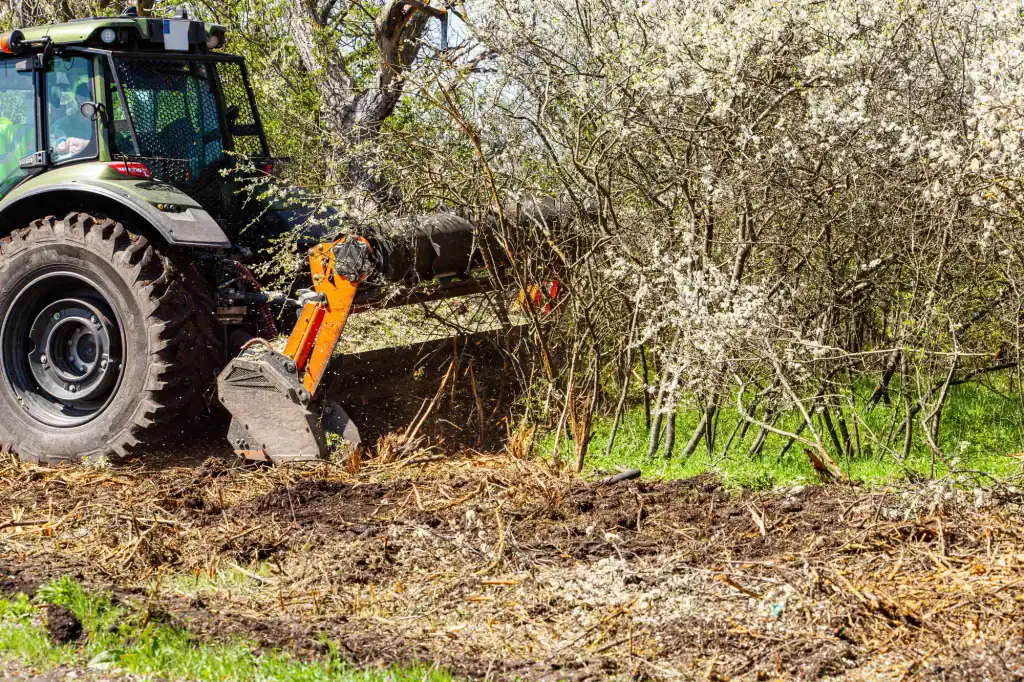
First impressions matter, whether you’re living on the property, trying to sell it, or just want it to look maintained. Overgrown land sends a clear message: neglect. Tall weeds, thick brush, and chaotic vegetation make properties look smaller, less valuable, and frankly, uninviting.
Bush hogging transforms that. When you clear away the overgrowth, you reveal the actual boundaries of your property. Potential buyers or visitors can see what they’re looking at instead of trying to imagine what might be hiding under all that brush. Clean sightlines make your acreage look larger and more usable.
The visual change is immediate. Where you once had shoulder-high weeds and impenetrable thickets, you’ll have open, manageable land. It doesn’t need to be perfectly manicured to look dramatically better. Just clearing the chaos makes a massive difference in how your property presents itself.
Well-maintained land also signals to neighbors, buyers, and local authorities that you’re taking care of what you own. That matters for property values in rural Virginia communities where appearance directly affects how people perceive land quality. Studies show that well-maintained properties can increase in value by 10 to 30 percent compared to overgrown alternatives. That’s not a small number when you’re talking about acreage.
Beyond the immediate visual improvement, regular brush hogging prevents vegetation from getting so out of control that it becomes a major project. When you stay ahead of the growth, your property maintains a baseline level of attractiveness year-round. You’re not fighting back from total overgrowth every time—you’re just keeping things in check.
The aesthetic benefit extends to functionality too. When your land looks good, you’re more likely to use it. Trails become walkable. Fields become usable for recreation or agriculture. Areas you’d written off as “too overgrown” suddenly become part of your property again.
Your standard lawn mower isn’t built for this work. Regular mowers handle grass that’s a few inches tall on relatively flat, obstacle-free terrain. They’re designed for maintained lawns, not fields that haven’t been touched in months or years. Try to push a residential mower through thick brush or tall grass, and you’re looking at a broken machine and wasted time.
Bush hogs use rotary cutters with heavy-duty blades that spin on a reinforced deck. They’re built to take impacts from rocks, stumps, and uneven ground without falling apart. The cutting mechanism is designed to shred rather than cleanly slice, which works better for tough, woody vegetation. A bush hog can handle saplings, thick brambles, and vegetation that would stop a regular mower in its tracks.
The other common comparison is forestry mulching. Forestry mulchers use different equipment—typically skid steers with grinding heads—and they’re better suited for heavily wooded areas with dense underbrush and larger trees. Mulchers grind everything into fine mulch and can handle thicker material than a bush hog. But they’re also more expensive and slower for open fields with lighter vegetation.
Bush hogging sits in the sweet spot for most rural property maintenance. It’s faster and more affordable than forestry mulching for areas that don’t have heavy tree cover. It’s more capable than regular mowing for land that’s gotten away from you. And it’s less invasive than bulldozing, which tears up soil and creates erosion problems.
There’s also the practical side. Bush hogging equipment is widely available and operated by local contractors who understand Virginia terrain. You’re not waiting weeks for specialized equipment or paying premium rates for overkill solutions. For properties in Essex County, Lancaster County, Northumberland County, Richmond County, Westmoreland County, and surrounding areas, bush hogging handles the majority of land maintenance needs efficiently.
The key is matching the method to your land’s condition. If you’ve got open fields with tall grass and scattered brush, bush hogging makes sense. If you’re dealing with dense forest and large trees, you’ll want forestry mulching. If your land is already maintained and you just need regular cutting, standard mowing works. But for most overgrown rural properties, bush hogging is the right tool.
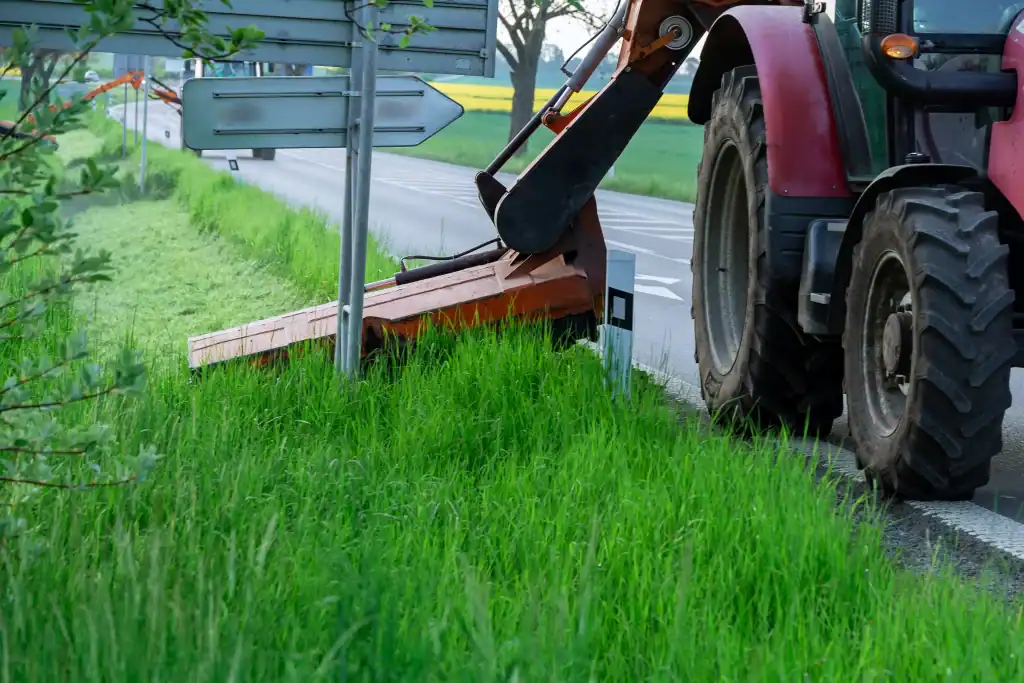
Aesthetics are one thing. Functionality is another. Bush hogging makes your land more usable in ways that directly affect how you can use your property and what it’s worth.
Overgrown vegetation blocks access. You can’t walk through waist-high weeds without effort. You can’t drive equipment or vehicles through thick brush. Fields that could be used for agriculture, recreation, or development become unusable when they’re choked with overgrowth. Bush hogging opens that space back up.
Fire hazard reduction is a major functional benefit that property owners often overlook until it’s too late. Dense, dry vegetation is fuel for wildfires. In Virginia’s summer months, overgrown fields and brush can catch fire quickly and spread even faster. Clearing that vegetation removes the fuel source and creates defensible space around structures. It’s not just about appearance—it’s about protecting your property and anything built on it.
Thick brush isn’t just ugly—it’s a habitat for things you don’t want on your property. Snakes love dense vegetation because it provides cover and hunting grounds. Ticks thrive in tall grass and brush, creating health risks for anyone who walks through. Rodents, possums, and other pests use overgrown areas as shelter, which often leads them closer to structures and living spaces.
Bush hogging removes that habitat. When you clear the brush, you eliminate the cover these creatures rely on. It doesn’t mean your property becomes sterile, but it does mean you’re not creating ideal conditions for pest populations to explode. For properties in rural Virginia where tick-borne illnesses and snake encounters are real concerns, this isn’t a minor benefit.
Safety extends beyond pests. Overgrown land obscures hazards. You can’t see rocks, holes, old fence posts, or debris hidden in thick vegetation. That creates liability issues if someone gets injured on your property, and it makes any kind of work or development more dangerous. Clearing the overgrowth reveals what’s actually there so you can address problems before they cause issues.
Visibility matters for property boundaries too. When vegetation takes over, it becomes difficult to identify where your property lines are. That can lead to disputes with neighbors, encroachment issues, or problems when you’re trying to sell or develop land. Bush hogging makes boundaries clear again.
Fire prevention deserves more attention than it usually gets. Dry brush and tall grass create continuous fuel beds that allow fires to spread rapidly. In areas with limited fire department access—common in rural Virginia counties—that’s a serious risk. Creating cleared zones around structures and maintaining open space reduces the chance that a wildfire reaches buildings or spreads across your entire property.
The functional safety improvements aren’t dramatic or exciting, but they matter. Reduced pest habitat means fewer disease vectors. Clear sightlines mean fewer hidden hazards. Managed vegetation means lower fire risk. These are the practical reasons property owners invest in regular bush hogging even when aesthetics aren’t the primary concern.
If you’re using your land for agriculture or livestock, bush hogging isn’t optional—it’s essential maintenance. Pastures don’t stay productive on their own. Weeds invade. Undesirable plants outcompete good forage. Brush encroaches from the edges. Without regular clearing, productive pasture turns into unusable scrubland within a few seasons.
Bush hogging controls that cycle. By cutting back invasive vegetation and overgrown areas, you give desirable grasses room to grow. Livestock need access to quality forage, and that doesn’t happen when fields are choked with weeds and brush. Regular bush hogging keeps pastures productive and reduces the need for more intensive restoration work later.
The process also helps with pasture rotation and management. When you clear overgrown sections, you can bring them back into rotation instead of losing that acreage to neglect. For property owners managing larger tracts in King George County, Caroline County, King and Queen County, or Middlesex County, maintaining usable pasture acreage directly affects the property’s agricultural value and productivity.
Weed control is another agricultural benefit. Bush hogging doesn’t eliminate weeds permanently, but it does knock them back before they go to seed. That reduces the spread of invasive species and gives you more control over what’s growing on your land. Combined with other management practices, regular bush hogging keeps weed populations manageable without relying solely on chemical treatments.
Soil health benefits from the mulched material left behind. As the shredded vegetation breaks down, it adds organic matter to the soil and improves moisture retention. That’s particularly valuable in Virginia’s summer heat when pastures can dry out quickly. The mulch layer acts as a natural soil amendment that supports healthier grass growth over time.
For property owners who lease land for farming or grazing, maintained fields command better rates and attract more reliable tenants. Nobody wants to lease overgrown, unusable land. Bush hogging keeps your agricultural property in condition that’s actually worth leasing, which translates directly to income if that’s part of your land use strategy.
Even if you’re not actively farming, keeping land in condition where it could be used for agriculture maintains its value and flexibility. Land that’s been neglected for years requires significant investment to bring back into production. Land that’s been maintained with regular bush hogging stays ready for whatever use makes sense.
Bush hogging isn’t complicated, but it does require the right equipment and experience to do it properly. Attempting it yourself without proper equipment usually means renting machinery you don’t know how to operate efficiently, dealing with breakdowns when you hit obstacles, and spending days on a job that professionals complete in hours.
The value comes from both the immediate improvement and the long-term benefits. Your property looks better, functions better, and holds its value better when it’s maintained. Fire risks drop. Pest problems decrease. Usable acreage increases. Those aren’t small things when you’re managing rural property in Virginia.
If your land has gotten away from you—or if you’re just trying to stay ahead of seasonal growth—professional bush hogging handles it efficiently. The investment pays back in property value, usability, and peace of mind knowing your land isn’t becoming a liability.
We’ve been handling land maintenance throughout the Northern Neck and Middle Peninsula since 2003, serving property owners across Essex County, Lancaster County, Northumberland County, Richmond County, Westmoreland County, and surrounding Virginia counties. If you need your property cleared, maintained, or prepared for its next use, that’s what we do.
Article details:
Share:
Continue learning: